
As the winter season settles over the United States, the perennial reality of Nor’easters and severe weather patterns once again dominates the travel landscape. For the frequent flier, the rhythmic cadence of terminal announcements—the dreaded "delayed" or "canceled"—is all too familiar. However, the regulatory environment surrounding these disruptions has undergone a seismic shift. Since 2024, the Department of Transportation (DOT) has implemented rigorous new standards that fundamentally alter the power dynamic between airlines and their passengers. Understanding these rights is no longer just a perk for the travel-savvy; it is a necessity for anyone navigating the modern American aviation network.
The Regulatory Framework: What Has Changed?
The landscape of passenger rights in the United States was historically murky, often leaving travelers at the mercy of individual airline "Contract of Carriage" policies. That changed in 2024, when the DOT enacted a landmark mandate requiring all airlines operating to, from, or within the U.S. to provide automatic, prompt refunds for flights that are canceled or significantly changed for any reason.
This "any reason" clause is critical. It includes, but is not limited to, airline-controlled issues like IT meltdowns, maintenance, or crew shortages, as well as "uncontrollable" factors such as severe weather or air traffic control equipment failures. Under these federal rules, a passenger is entitled to a full refund—including all taxes and ancillary fees—if they choose not to accept an alternative flight or compensation, such as a travel voucher.
Defining the "Significant Change"
To qualify for these protections, a traveler must first understand what the DOT defines as a "significant change" to an itinerary. While definitions can be granular, the standard trigger for a mandatory refund is a delay of more than three hours for domestic flights or six hours for international flights.
It is vital to note that these refunds are not automatic if you accept the airline’s solution. If an airline rebooks you on a later flight and you choose to take that flight, you have effectively waived your right to a cash refund. The refund mandate is a "clean break" provision; it is designed to give you your money back so you can make your own travel arrangements if the airline’s proposed alternative is unacceptable.
Chronology of a Disruption: Steps to Take
When a disruption occurs, the clock begins ticking. For the modern traveler, the following steps are essential to ensure you are not left bearing the cost of an airline’s failure:
- Document Everything: The moment a delay is announced, start gathering evidence. This includes photos of departure boards, SMS notifications, and emails from the carrier.
- Hold Your Ground: If an agent offers a travel voucher, remember that you are under no obligation to accept it. You are legally entitled to a cash refund if the delay exceeds the DOT thresholds.
- The "Mishandled" Paperwork: If your baggage is delayed, visit the airline’s baggage service office immediately. You must secure a "Property Irregularity Report" (PIR). This reference number is the key to reclaiming checked baggage fees, which have become increasingly expensive across the industry.
- Follow Up: Keep all boarding passes and receipts for expenses incurred during the wait.
Supporting Data: The Cost of Compliance
The financial implications of these rules are significant. Airlines have historically relied on the "voucher strategy"—offering future credit rather than cash—to keep liquidity within their own balance sheets. However, the DOT has signaled a zero-tolerance approach to these tactics. In recent years, the department has levied over $7.5 million in fines against carriers for failing to process timely refunds, resulting in over $600 million being returned to consumers.
For baggage, the rules are equally strict. Airlines must deliver bags within 12 hours for domestic flights and 15 to 30 hours for international routes. Failing this, the carrier is required to refund the baggage fee. In an era where a single checked bag can cost upwards of $40 to $70, these refunds represent a tangible recovery of costs for the traveler.
Official Responses and Airline Policies
While federal law mandates refunds, the "extra" support—hotels, meals, and rebooking—remains largely at the discretion of the airline, though these promises are now legally binding once published in a carrier’s customer service plan.
The DOT’s Airline Customer Service Dashboard is the definitive resource for comparing these voluntary policies. Below is a breakdown of how the major U.S. carriers handle significant delays:
The "Big Three" and Major Carriers
- American, Delta, and United: These legacy carriers generally offer meal vouchers for delays of three hours or more and hotel accommodations for overnight disruptions. They also provide rebooking on partner carriers, which is a significant advantage for travelers looking to get to their destination via a different airline network.
- Southwest Airlines: Often cited as a leader in passenger care, Southwest provides a minimum $75 travel voucher for significant delays (3+ hours), alongside the standard hotel and meal support.
- JetBlue: Known for a generous approach to service recovery, JetBlue offers travel vouchers for three-hour delays and maintains robust rebooking capabilities with partner airlines.
Low-Cost Carriers
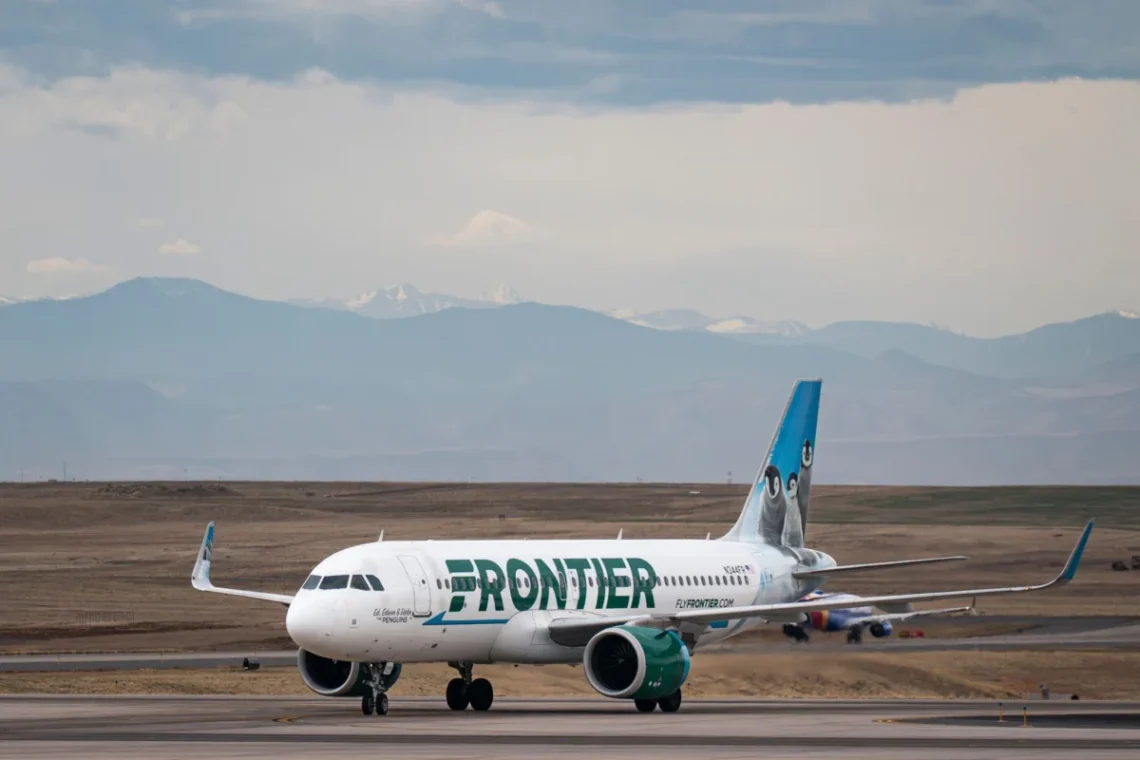
- Spirit and Frontier: These carriers have modernized their approach to align with the competitive landscape. They provide meal vouchers for three-hour delays and, crucially, will cover hotel stays and ground transportation for overnight delays, ensuring stranded passengers are not left in the terminal.
- Alaska and Hawaiian: Following their recent merger, these airlines offer some of the most comprehensive packages, including either 2,000 frequent flier points or a $50+ travel voucher for delays exceeding three hours, in addition to standard meal and hotel coverage.
Implications: The Power of the Consumer
The most significant implication of these recent federal rules is the shift in consumer advocacy. For years, the aviation industry operated on the assumption that passengers would accept whatever was offered. Today, the DOT is encouraging travelers to be their own advocates.
"Always request cash compensation," says Eric Napoli, chief legal officer at AirHelp. "Vouchers are often restrictive and limit your future options. By demanding the cash refund you are legally entitled to, you maintain the flexibility to book with any carrier that can actually get you to your destination."
If an airline refuses to comply, the recourse is clear: the formal DOT consumer complaint portal. Every complaint filed is reviewed by federal officials, and these individual reports aggregate into the data that allows the DOT to impose massive fines.
Special Circumstances: Health and Infrastructure
Beyond standard delays, the 2024 rules provide specific protections for medical emergencies. If a passenger is advised by a medical professional not to travel due to a "serious communicable disease," they are entitled to a travel voucher valid for at least five years. This policy ensures that travelers are not penalized for prioritizing public health, a direct response to the chaotic refund environment that characterized the 2020 pandemic era.
Furthermore, in-flight service failures—such as broken Wi-Fi or non-functional entertainment systems—are now subject to mandatory refunds. If you pay for an add-on service that is not delivered, you are entitled to your money back.
Conclusion: Staying Informed
The U.S. aviation system is complex, and disruptions are an inevitable byproduct of its scale. However, the era of being "helpless" at the gate is over. By staying informed on the three-hour/six-hour refund triggers, documenting every interaction with airline staff, and utilizing the official DOT dashboard to verify carrier promises, passengers can transform a stressful ordeal into a manageable situation.
As we move deeper into the busy travel seasons, remember: the airline’s obligation to provide a refund is a federal mandate, not a suggestion. When the next delay strikes, take a breath, consult your rights, and advocate for the compensation you are owed. In the modern American sky, knowledge is the most effective travel insurance you can carry.