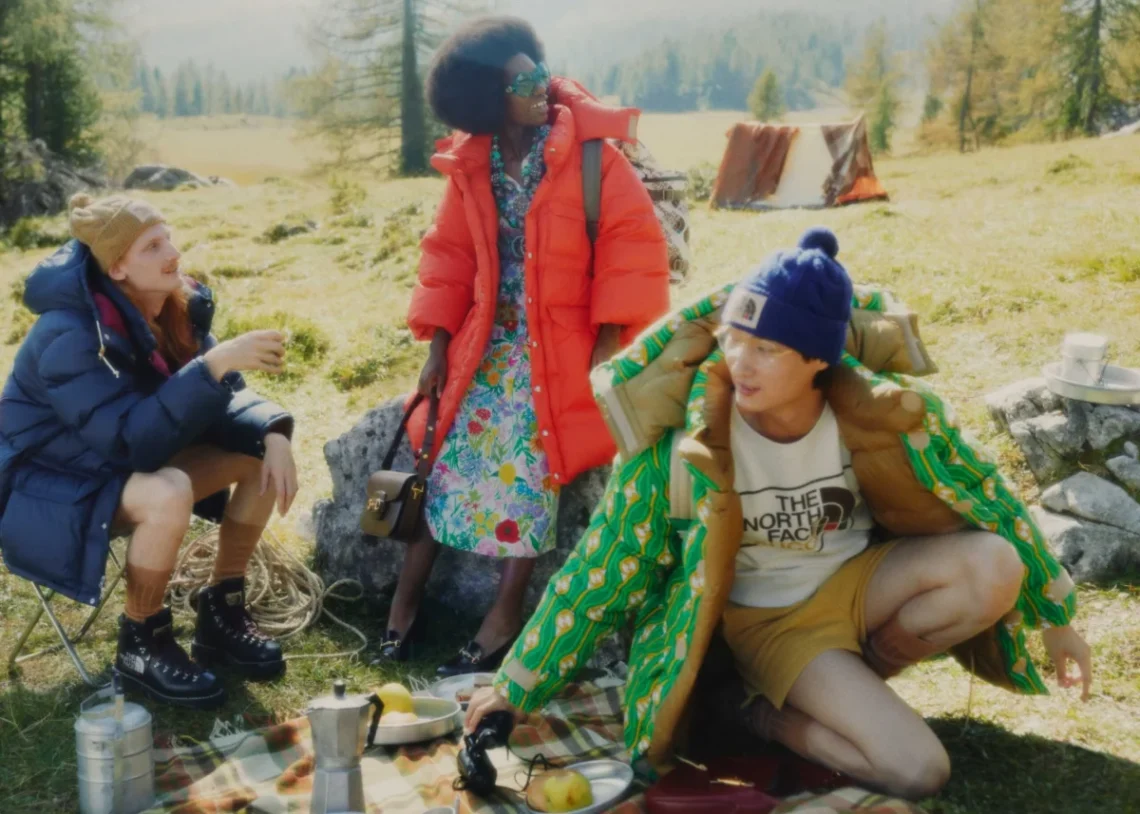
For those who have weathered the biting winds of a Canadian winter or traversed the unpredictable climates of the European Alps, the name "The North Face" is synonymous with survival. Born in 1966 as a small climbing equipment retail store in San Francisco, the brand has evolved into a global powerhouse, dressing everyone from professional mountaineers to urban commuters.
However, premium outdoor performance gear often comes with a premium price tag. For the modern traveler looking to balance technical quality with budget-conscious planning, understanding the ecosystem of The North Face—from its loyalty programs to its circular economy initiatives—is essential. This guide breaks down how to maximize value while investing in gear that is built to last a lifetime.
Main Facts: Investing in Durability
The North Face has maintained its market dominance by focusing on "technological insulation"—the science of keeping a body at homeostasis in extreme environments. Whether it is the iconic Nuptse puffer or the technical Gore-Tex shells, the brand’s engineering justifies the investment.
However, the "cost per wear" is the metric that true outdoor enthusiasts prioritize. By purchasing high-quality gear, consumers avoid the "fast fashion" trap of replacing cheap, synthetic jackets every two seasons. The primary challenge for most consumers is not the quality, but the point of entry. Understanding how to leverage official discount channels, loyalty rewards, and the brand’s robust second-hand market can bring professional-grade equipment within the reach of the average traveler.
A Chronology of Innovation and Accessibility
The journey of The North Face is one of continuous expansion, moving from high-altitude exploration to mainstream lifestyle integration.
- 1966: Doug Tompkins opens The North Face in San Francisco’s North Beach neighborhood. The focus is strictly on high-end backpacking and climbing gear.
- 1980s–1990s: The brand begins expanding into technical ski-wear and extreme-cold parkas, cementing its status as the go-to for Antarctic expeditions and Himalayan climbs.
- 2010s: The "athleisure" boom sees the brand transition into urban style, with items like the Surge backpack and fleece layers becoming staples of the modern commuter wardrobe.
- 2020s: The introduction of the XPLR Pass and the Renewed/Remade programs signals a shift toward digital-first consumer engagement and sustainability, allowing the brand to address the environmental impact of textile production while offering customers lower price points.
Supporting Data: How to Optimize Your Spend
Navigating the brand’s pricing structure requires an understanding of their specific promotional channels. Here is how you can effectively reduce the cost of your next outdoor kit.
1. The XPLR Pass: The Engine of Savings
The XPLR Pass is not merely a marketing tool; it is a functional financial instrument for frequent shoppers.
- The Math: You earn 1 point for every $1 spent. Once you hit 100 points, you trigger a $10 reward.
- Velocity: Members receive free shipping on all orders—a significant saving for those ordering bulky items like sleeping bags or winter boots.
- Beyond Transactions: The program gamifies the experience. You can earn points by checking into National Parks, using the app, or even bringing your own bag to physical retail locations. This creates a feedback loop where the more you engage with the outdoors, the more you save on the gear required to enjoy it.
2. Strategic Seasonal Sales
The brand’s sale section is frequently updated with seasonal overstock. During transition periods (late winter and late summer), discounts often reach 30% or more.
- Pro Tip: Look for "core" items that aren’t subject to fast-changing fashion trends. Items like the Aconcagua series or standard fleece jackets are functional staples that rarely go out of style, making them the safest bets for discount hunting.
3. The Professional/Student Discount Gate
The North Face acknowledges that those in service-oriented roles—students, teachers, and military personnel—are often in the highest need of durable, reliable gear. By verifying status through SheerID, these individuals receive a 10% discount. This is a permanent benefit that should be utilized for every major equipment purchase.
Official Responses and Sustainability Initiatives
Perhaps the most significant development in the company’s recent history is its aggressive move toward circularity. The North Face has formally acknowledged the environmental toll of the garment industry and has implemented two major programs to address it: Renewed and Remade.
The Renewed Program
The brand accepts used gear through mail-in or in-store drop-offs. Once received, the items are cleaned and refurbished. This serves two purposes: it keeps textiles out of landfills and provides a secondary market of "pre-loved" items at significantly lower prices. A jacket that might retail for $400 new could be found on the Renewed site for half that price, fully inspected for quality.
The Remade Program
For items damaged beyond repair, the company employs a design team to "upcycle" the fabric. By taking components from multiple irreparable items, they create unique, one-of-a-kind garments. This is the ultimate "limited edition" experience—a testament to the brand’s commitment to durability. The official company stance is that "the most sustainable item is the one that already exists." By purchasing through these channels, consumers are participating in an ethical supply chain while securing high-end gear at a fraction of the cost.
Implications: The Future of Travel Gear
The implications of these programs are profound for the traveler. As the global climate becomes more volatile, the need for high-performance gear increases, but so does the pressure on the planet.
Why Quality Still Matters
In an era of disposable goods, the longevity of The North Face’s product line remains its strongest asset. A backpack bought in 2016 for a study abroad trip in Europe is often still fully functional today. This longevity is the core of the brand’s value proposition. When you factor in the resale value and the ability to trade in old items for store credit, the actual cost of ownership drops significantly over a five-year period.
The Digital Integration
The transition to a digital-first approach (using the XPLR app for check-ins and rewards) means that the brand is effectively building a community of "brand ambassadors." By rewarding customers for visiting National Parks or recycling their old gear, they are aligning their brand identity with the values of the modern, environmentally-conscious traveler.
Conclusion: A Strategic Approach
If you are planning your next expedition—whether it is a hike through the Rockies or a winter trek through the streets of Montreal—don’t rush to buy at full price.
- Sign up for the XPLR Pass immediately to secure your shipping benefits and start tracking your points.
- Verify your eligibility for the 10% discount if you are a student, teacher, or veteran.
- Check the Renewed store before buying new. Often, you can find premium technical gear that has been professionally restored for a lower price.
- Invest in "Core" pieces. Choose neutral colors and timeless designs that will serve you for a decade, not just a season.
By combining these strategies, you are not just purchasing a piece of clothing; you are acquiring a tool for adventure that is both economically and environmentally sound. The North Face continues to prove that, with the right approach, the highest quality gear is accessible to those who know how to navigate the system.
As we look toward the future of travel, the intersection of technology, sustainability, and affordability will define the next generation of gear. The North Face stands at that intersection, offering a blueprint for how a legacy brand can remain relevant, responsible, and rewarding for the modern adventurer.