If you are looking for a relaxing way to spend a Tuesday, a House congressional hearing is rarely the answer. But for those following the escalating "culture war" currently consuming Washington, the recent hearing titled “Rewriting American History: Examining the Smithsonian’s Efforts to Reshape the Past” was a masterclass in the intersection of political theater and historical institutionalism.
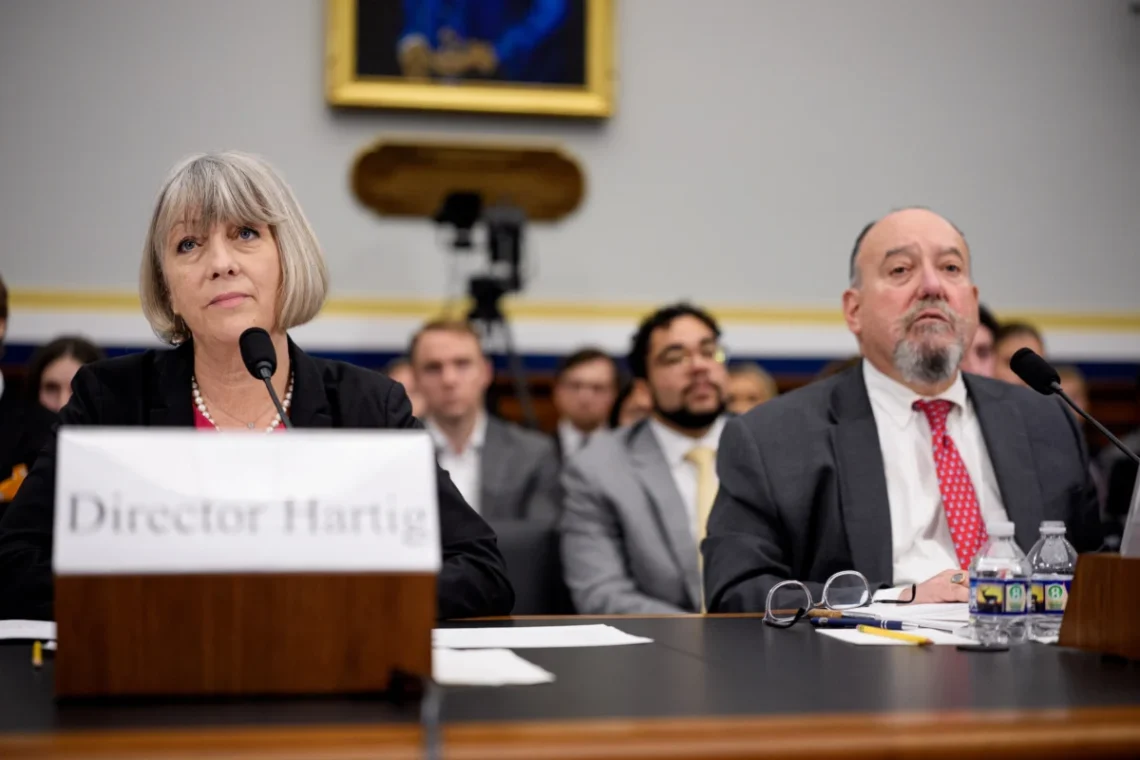
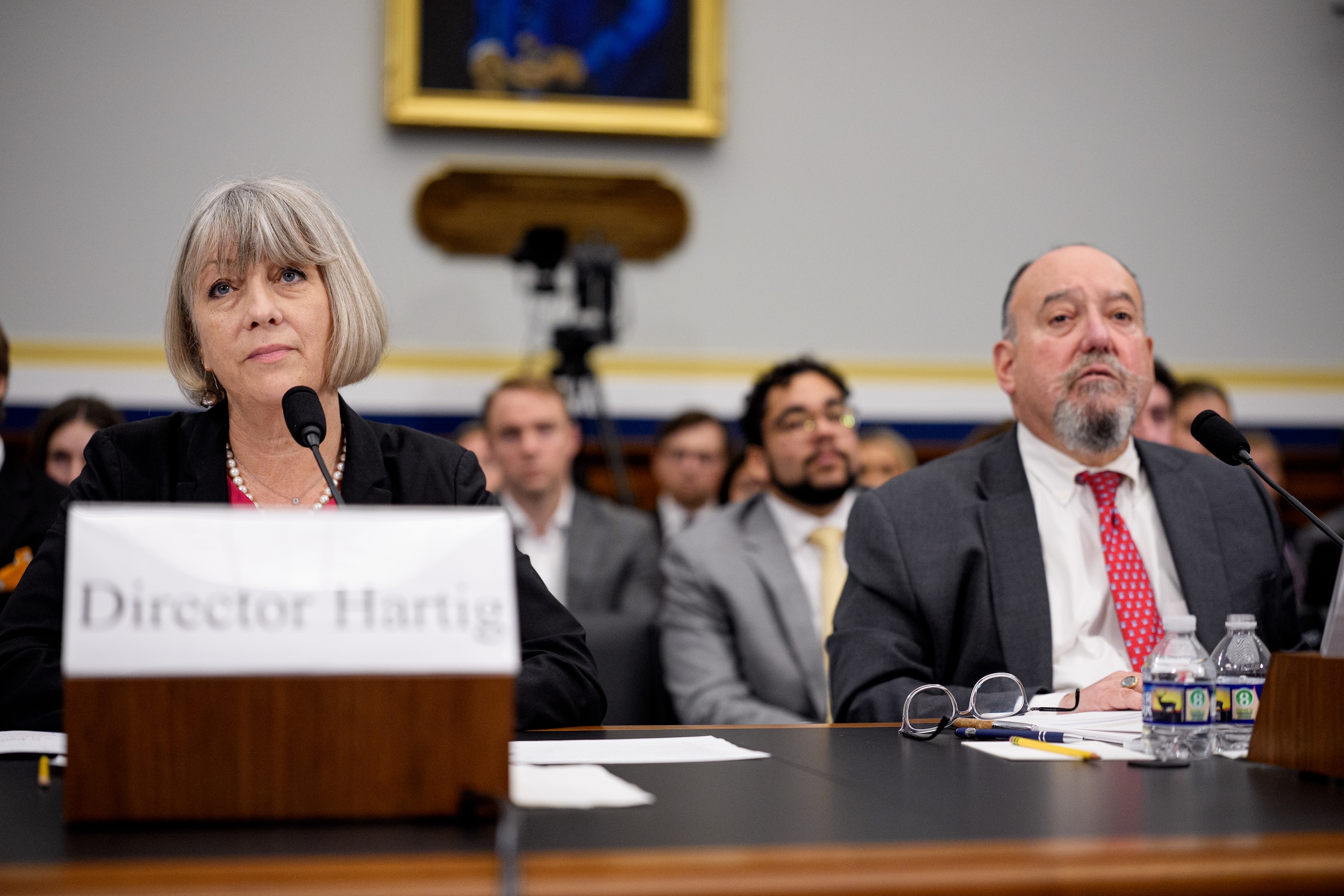
Triggered by a 160-page report released on July 4th by the Trump White House Policy Council—titled “Saving America’s Story”—the hearing was a direct assault on the Smithsonian Institution. The report alleges that the nation’s premier museum network has fallen prey to "ideological capture," accusing it of abandoning neutral curation in favor of a left-wing activist agenda. To address these grievances, the House Committee on Oversight and Government Reform summoned Anthea Hartig, director of the National Museum of American History, to the hot seat.
The Institutional Stand-Off: Main Facts
The core of the dispute centers on how American history is presented to the public. Critics, led by the Heritage Foundation’s Mike Gonzalez and Hillsdale College’s Matthew Spalding, argue that the Smithsonian has shifted from a source of objective national heritage to a purveyor of "settler colonialism" narratives and identity politics.
Conversely, the Smithsonian’s defenders, represented by Yale professor and Pulitzer Prize-winning historian David Blight, argue that the museum is simply evolving to incorporate a more inclusive, accurate, and multi-faceted understanding of the American experience. For over two hours, the committee rooms became a stage for a fundamental disagreement: Is the role of a national museum to reinforce a unifying, traditional national myth, or to act as a rigorous, sometimes uncomfortable, archive of a complex democracy?

A Chronological Breakdown of the Hearing
The hearing was a long, often grueling session that moved from accusations of "Marxist indoctrination" to surreal debates about gift-shop merchandise.
The Opening Volleys
The hearing began at 12:50 p.m. with Chairman Tim Burchett (R-TN) presenting a supercut of Anthea Hartig’s various land acknowledgements. By framing these common professional courtesies as evidence of a "radical agenda," the Chairman set the tone for the day: high-stakes moral outrage focused on symbolic gestures rather than historical scholarship.

At 19:55, Ranking Member Melanie Stansbury (D-NM) offered a sharp rebuttal. Comparing the current scrutiny to the suppression of history during the Reconstruction era and the hysteria of McCarthyism, she unveiled the "Smithsonian Integrity and Historical Independence Act." This proposed legislation aims to insulate the institution from White House interference, marking a clear boundary in the struggle for administrative control.
The Testimony of Critics and Defenders
Anthea Hartig’s testimony (25:30) was marked by a steady, unwavering professionalism. When pressed on the White House report, she maintained that it failed to capture the breadth of the Smithsonian’s work, effectively sidestepping the "gotcha" traps laid by the committee members.

Mike Gonzalez (29:05) served as the primary ideological prosecutor. Quoting Thomas Frank’s post-2024 election critiques, Gonzalez argued that the Smithsonian’s reliance on critical theory and "postmodern" frameworks was dismantling the American narrative. He explicitly named the Museums as a Site for Social (MASS) Action Toolkit—a 2014 grassroots industry resource—as a smoking gun of institutional capture, despite the document having no official status as a Smithsonian directive.
The "RuPaul" Moment and Other Surrealities
The questioning period descended into absurdity at 48:20, when Chairman Burchett displayed images from the "Entertainment Nation" exhibit, including cover art featuring the Dixie Chicks and images of RuPaul. Burchett’s frustration—"I don’t care who it is! Not a fan!"—when corrected by Representative Stansbury, highlighted the disconnect between the committee’s preoccupation with moral panics and the actual educational mission of the museum.

This theme continued throughout the afternoon. Representative Mike Cloud (R-TX) interrogated Hartig on why the museum bookstore carried George Takei’s work but allegedly lacked copies of Thomas Paine’s Common Sense. Representative Nancy Mace (R-SC) pivoted from the Smithsonian’s historical exhibits to an aggressive, multi-minute interrogation regarding gender identity and sexual violence, effectively turning the hearing into a venue for broader, unrelated social grievances.
Supporting Data and Contextual Analysis
To understand the intensity of this hearing, one must look at the documents driving the conflict. The “Saving America’s Story” report is less a critique of historical methodology and more a manifesto against the "diversity, equity, and inclusion" (DEI) frameworks that gained traction in the museum world following the 2020 social justice protests.

The MASS Action Toolkit, often cited by conservatives as proof of "Cultural Marxism," was a broad-based professional effort by hundreds of museum workers nationwide to address systemic inequities in how historical artifacts are collected and displayed. While proponents viewed it as a necessary modernization of the field, critics like Gonzalez view it as an infiltration of "Frankfurt School" thought into the heart of American cultural identity.
The demographic data cited by Representative Jasmine Crockett (1:54:50) provides a counter-narrative to the idea that the Smithsonian has been completely overhauled by activists. Crockett highlighted that despite the rhetoric, the institution’s senior leadership and general workforce remain predominantly white and male. This statistical reality complicates the narrative of a "captured" institution, suggesting instead that the current friction is a result of a modest shift in curatorial focus rather than a complete radicalization of the staff.

Official Responses and Professional Conduct
Throughout the ordeal, the Smithsonian’s leadership remained remarkably composed. By refusing to engage in the inflammatory rhetoric proposed by some members, Hartig protected the institution’s reputation as a non-partisan research body. However, the hearing left a clear gap: there was little meaningful discussion on the actual costs, staffing, or logistical challenges of maintaining the Smithsonian’s massive portfolio. Instead, the focus remained fixed on a "backseat curating" style, where members of Congress questioned why specific figures like George Washington were not featured in specific ways during the America 250 celebrations.
Implications: The Future of the Smithsonian
The implications of this hearing are significant. First, it signals that the Smithsonian, long considered a neutral repository of national history, is now a primary front in the American culture war. The proposed "Smithsonian Integrity and Historical Independence Act" suggests that Democrats are preparing for a long-term defensive battle to protect the museum’s autonomy from executive branch interference.

Second, the hearing demonstrated the limits of legislative oversight when applied to cultural institutions. By focusing on gift-shop items and individual vocabulary choices, the committee may have signaled to the public that the "Saving America’s Story" report is more of a political weapon than a serious inquiry into historical education.
As Representative Kweisi Mfume (D-MD) eloquently put it, "We will not let you destroy that museum." His sentiment reflects a growing realization among Smithsonian supporters that these hearings are not just about specific displays or exhibits—they are about who holds the power to define the American past.

As of this writing, a second hearing with the House Administration Committee is already underway. Whether this signals a systematic attempt to defund or restructure the Smithsonian, or simply an attempt to score political points ahead of the next election cycle, remains to be seen. What is clear is that the struggle for the Smithsonian is no longer happening in the quiet halls of archives and research centers; it is being played out under the bright, harsh lights of the Capitol, where history is being rewritten in real-time, one soundbite at a time.