DETROIT — Overlanding continues to be one of the most lucrative and rapidly expanding segments in the modern automotive landscape. For millions of outdoor enthusiasts, the formula has traditionally been straightforward: purchase a highly capable, factory-fresh four-wheel-drive vehicle, scroll through endless aftermarket catalogs to select a suite of rugged upgrades, bolt them on over a weekend in the driveway, and hit the trail.
However, recent intellectual property filings from the United States Patent and Trademark Office (USPTO) suggest that the Blue Oval wants a much deeper, more seamless slice of the adventure pie. Ford Motor Company has applied for a series of innovative patents specifically aimed at transforming its iconic off-roader, the Ford Bronco, into a comprehensively equipped, factory-engineered overlanding rig. If these designs translate from blueprint to production, the future of weekend camping could change dramatically.
Main Facts: Inside Ford’s Latest Overlanding Patent Portfolio
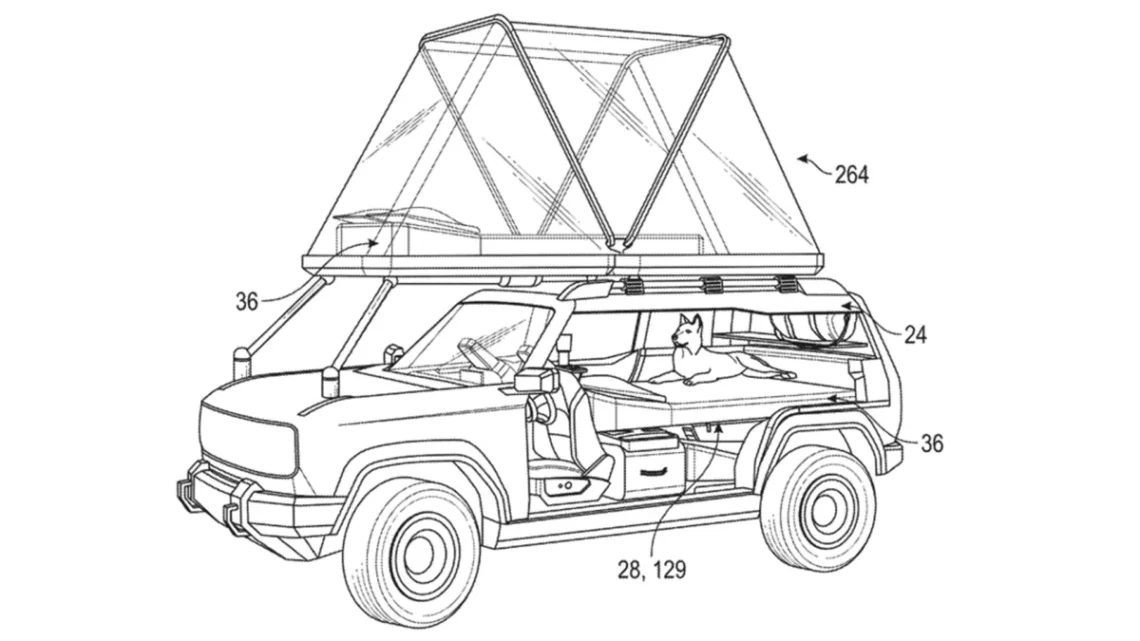
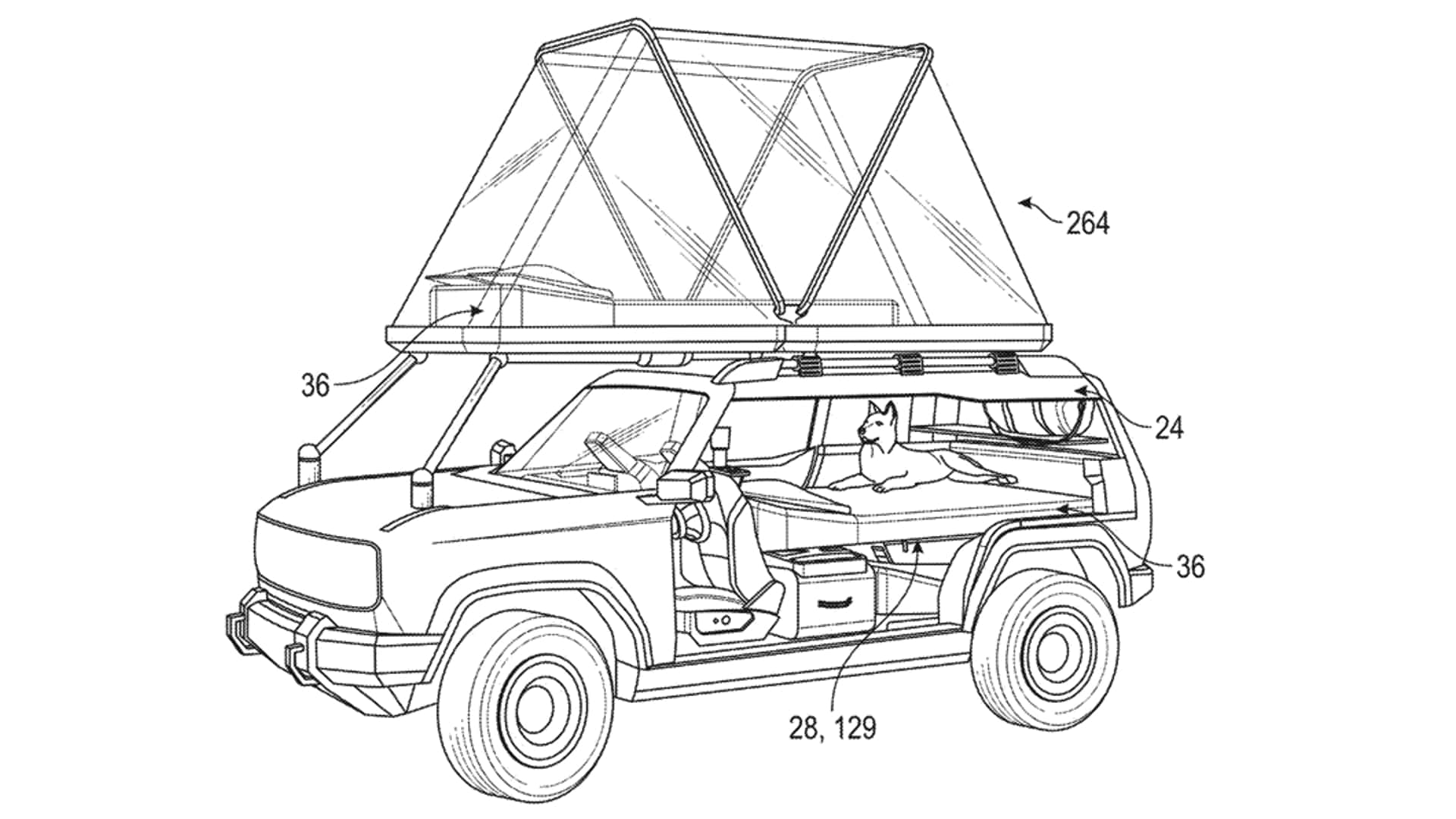
The newly uncovered patent applications reveal a holistic approach to vehicle-based camping. Rather than focusing solely on a generic roof tent, Ford’s engineering teams have conceptualized a suite of interconnected features that address common pain points for overlanders, including interior space optimization, sleeping arrangements, weather protection, and camp setup efficiency.
Key elements detailed in the patent documents include:
- Fold-Flat Internal Platforms: Cleverly designed folding floorboards and mattress foundations that create a flat, elevated sleeping surface inside the cabin for simpler, all-weather in-car camping.
- Multifunctional Cabin Furniture: Innovative front-row seatbacks engineered to flip outward or fold down into stable nightstands or utility surfaces when the vehicle is parked at camp.
- Advanced Rooftop Tent Integration: Multiple rooftop tent configurations, including a heavy-duty, large-scale tent supported by specialized stabilizing legs that anchor directly into the Bronco’s exterior fender gunwales.
- Expansive Roof Openings: Mechanisms allowing access to second-floor sleeping quarters either through a conventional sunroof cutout or via a massive, full-length roof opening.
- Bug-Proof Star-Gazing Canopies: Specialized mesh covers designed to seal the full-length roof opening, allowing occupants to sleep beneath the night sky while remaining entirely protected from insects and windblown debris.
While many of these concepts mirror existing solutions offered by third-party aftermarket outfitters, Ford’s execution aims to bring these ideas entirely in-house, offering tighter tolerances, cleaner aesthetic integration, and factory backing.
Chronology: The Rise of the Modern Factory Overlander
To understand why Ford is aggressively targeting the overlanding market now, it is necessary to examine how the automotive industry shifted from basic off-road utility vehicles to turnkey adventure platforms.
Phase 1: The Aftermarket Monopoly (Pre-2019)
For decades, vehicle-based exploration was the exclusive domain of dedicated enthusiasts and boutique aftermarket companies. Brands like ARB, Front Runner, and Roofnest dominated the space, supplying roof racks, awnings, specialized drawer systems, and rooftop tents. Automakers built the trucks and SUVs—such as the Jeep Wrangler and earlier generations of the Toyota Land Cruiser—while consumers spent thousands of dollars customizing them independently. Warranties rarely covered aftermarket additions, and compatibility issues were common.
Phase 2: The Return of the Factory Icon (2020–2023)
The resurgence of rugged lifestyle vehicles changed the calculation. With the debut of the modern Ford Bronco and the reinvigoration of the Jeep Wrangler ecosystem, automakers realized that buyers were willing to pay a premium for factory-installed ruggedness. Features like modular hardtops, auxiliary switch banks, and heavy-duty suspension packages became major selling points on showroom floors.
Phase 3: The Factory-Engineered Turnkey Era (2024–Present)
Competitors quickly identified the opportunity to capture the entire customer journey. Toyota introduced its dedicated "Trailhunter" factory trim line across several of its truck and SUV models, delivering vehicles equipped with OME (Old Man Emu) suspensions, integrated air compressors, roof racks, and specialized lighting straight from the dealership. Recognizing that Toyota and independent upfitters were capturing significant revenue, Ford initiated a concerted effort to patent and develop proprietary camping technology, culminating in the recent USPTO filings.
Supporting Data & Market Analysis: Why Overlanding is Big Business
The financial drivers behind Ford’s patent filings are rooted in robust consumer trends. According to outdoor recreation industry reports, the global overlanding and car-camping market has expanded at a compound annual growth rate (CAGR) exceeding 8 percent over the past five years.
Several key data points underline this market shift:
- The Customization Economy: Industry surveys indicate that the average buyer of a rugged off-road SUV spends between $3,500 and $10,000 on aftermarket accessories within the first 12 months of vehicle ownership. By offering factory-integrated camping solutions, Ford can capture a significant portion of this post-purchase spend.
- Financing Integration: One of the primary advantages of OEM-backed overlanding accessories is financing. When a consumer buys a rooftop tent or modular sleeping platform bundled into their auto loan, the barrier to entry drops significantly compared to writing a separate check to a third-party vendor.
- Warranty Protection: Aftermarket modifications can sometimes void specific factory warranties or create disputes over electrical and structural integrity. Ford-backed camping gear would theoretically be covered under the vehicle’s standard warranty, providing peace of mind to buyers who might otherwise hesitate to drill into their hardtops or modify their interiors.
Official Responses and Industry Perspectives
While Ford has not yet made a formal production announcement regarding a dedicated overland trim level or specific commercial release dates for these patented features, industry analysts and company representatives have hinted strongly at the brand’s strategic direction.
Automotive journalists and product planners note that the resemblance between Toyota’s successful Trailhunter strategy and Ford’s patent activity is far from coincidental.
"Yes, this would clearly be a way to make a few more bucks off the Bronco," notes commentary from industry experts at Motor1. "That said, these are all extremely useful upgrades for anyone who wants to use their vehicle as a camping platform. There are some great items that could arise from these patent filings, and the end result is a Bronco that’s suddenly more attractive to the overlanding crowd. I wouldn’t be surprised to find a true overland-specific trim about to arrive, as well."
Exterior styling and accessory divisions within major automakers are increasingly evaluated on their ability to deliver lifestyle ecosystems. For Ford, which has already built a massive accessories catalog through its Ford Performance division, transitioning from standalone bolt-on parts to deeply integrated structural camping systems represents the logical next step in the evolution of the Bronco brand.
Implications: What This Means for Bronco Buyers and the Aftermarket
The potential commercialization of these patent designs carries profound implications for multiple stakeholders within the automotive and outdoor recreation sectors.
For the Consumer
Should Ford bring these features to market, buyers will benefit from unprecedented convenience. Imagine walking into a Ford showroom, selecting a Bronco equipped with factory-engineered sleeping quarters, integrated nightstands, and a weather-sealed rooftop tent, and driving off the lot ready to spend the weekend deep in a national forest. The elimination of guesswork regarding part compatibility, wind noise, and structural weight limits will make overlanding accessible to a much broader demographic.
For the Aftermarket Community
While independent outfitters might initially view factory intrusion with caution, history suggests that OEM involvement often expands the overall market rather than contracting it. When automakers legitimize a hobby by offering factory solutions, consumer awareness increases, driving even higher demand for specialized high-end components, auxiliary power systems, and specialized recovery gear that OEMs may not cover.
For the Competitive Landscape
The race for supremacy in the rugged SUV segment is intensifying. With Jeep continually updating the Wrangler and Toyota pushing hard with its TRD and Trailhunter lineups, Ford cannot afford to stand still. Integrating sophisticated camping technology directly into the Bronco ensures that the vehicle remains competitive not just on the rock-crawling trail, but at the campsite as well.
As patent applications continue to wind their way through the approval process, off-road enthusiasts will be watching closely to see which of these clever camping solutions make the leap from digital blueprints to dealership floorboards. One thing is certain: the future of adventure travel is getting smarter, cleaner, and closer to home than ever before.