MUNICH, Germany — In a sweeping strategic realignment prompted by the rollout of the next-generation 3 Series and the upcoming introduction of its revolutionary "Neue Klasse" vehicle architecture, German luxury automaker BMW is fundamentally reshaping its global product portfolio. The multi-pronged strategy involves streamlining underperforming model variants, expanding artificial intelligence (AI) integration across development and manufacturing, ramping up localized production in key international markets, and introducing a massive new flagship SUV tailored specifically for American buyers.
While the automotive world’s attention has recently been captured by the high-horsepower debut of the 2027 BMW 3 Series—sporting up to 437 horsepower and an innovative factory drift mode—boardrooms in Munich are busy orchestrating a broader, long-term pruning of the brand’s expansive lineup. By focusing intensely on high-return segments and regional consumer preferences, BMW aims to future-proof its business model against tightening global emissions regulations, skyrocketing software development costs, and shifting consumer demands.
Main Facts: The Core Pillars of BMW’s Global Restructuring
BMW’s latest corporate roadmap is defined by four core operational shifts:
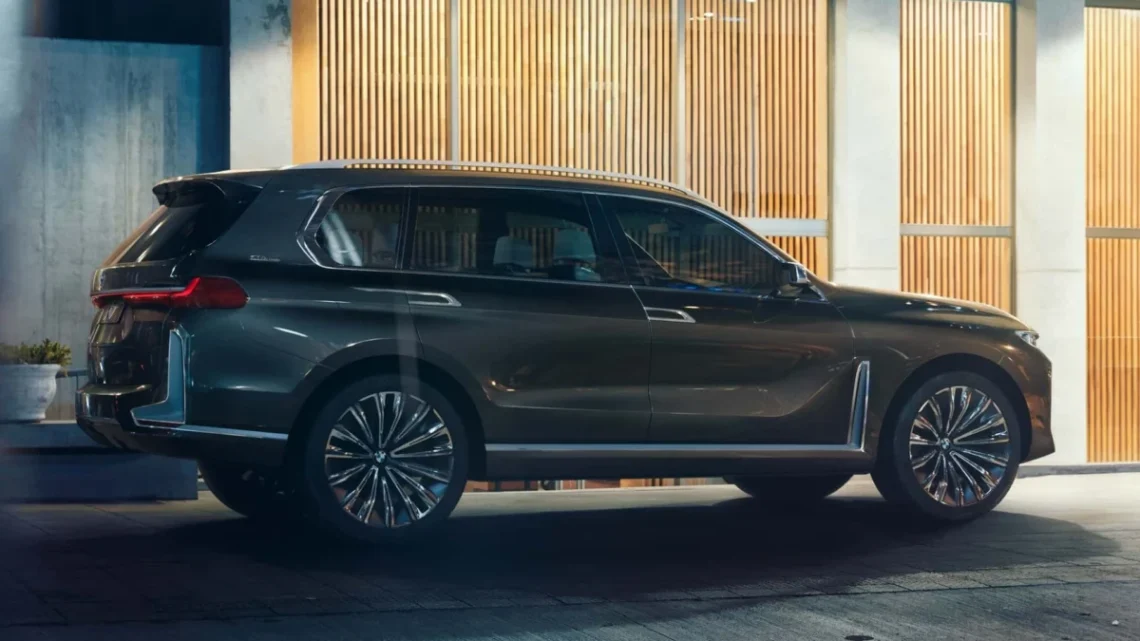
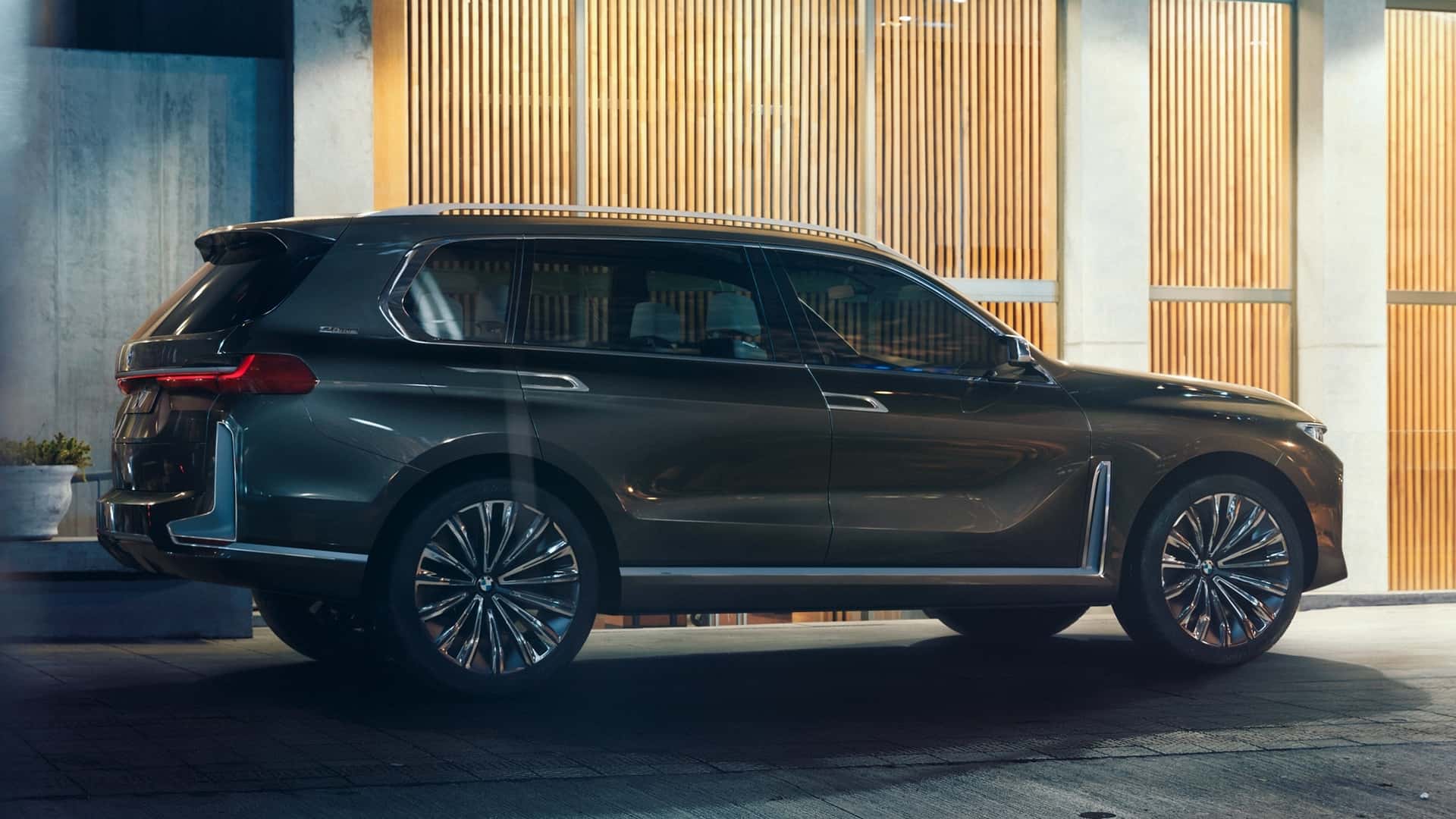
- A New US-Centric Flagship SUV: Positioned above the current X7 in the brand’s luxury hierarchy, this upcoming Sports Activity Vehicle (SAV) is being engineered primarily for the American market, where large luxury SUVs continue to enjoy robust, high-margin demand.
- Aggressive Portfolio Pruning: To optimize manufacturing efficiency and eliminate redundancies, BMW is systematically culling low-volume and niche models from its global catalog, starting with vehicles like the 2-Series Active Tourer.
- The Global Rollout of Neue Klasse: BMW’s next-generation EV architecture will progressively infiltrate every vehicle segment over the coming years, paving the way for smaller, highly efficient electric vehicles—including a potential entry-level EV (such as a redesigned 1 Series) slated for Europe by 2028.
- Deepening AI Integration: Artificial intelligence will no longer be limited to in-car infotainment; BMW is embedding machine learning and AI tools directly into vehicle research and development, smart factory manufacturing processes, and global sales and aftersales operations.
Chronology of Strategy: From the New 3 Series to the 2030 Horizon
BMW’s strategic evolution is unfolding in distinct phases, blending immediate product releases with long-term structural overhauls:
- Late 2024 to 2025 (The Foundation): The launch of the next-generation 3 Series sets a new benchmark for internal combustion and hybridized performance, quickly followed by announcements regarding the phase-out of certain legacy variants—such as the European-market diesel 3 Series variants—to make room for electrified architectures.
- 2026 (The Alpina Evolution): BMW prepares to introduce the first official model developed under the newly integrated BMW Alpina brand. Inspired by the flagship 7 Series, this ultra-exclusive vehicle will carve out a distinct tier sitting comfortably between standard high-end BMW models and ultra-luxury stablemate Rolls-Royce.
- 2027 (Performance and Flagship Expansion): High-performance variants like the newly revealed i3 M60 electric sports sedan make their way to showrooms, while preparations accelerate for the introduction of BMW’s largest SUV yet, capitalizing on capacity at the Spartanburg, South Carolina manufacturing plant.
- 2028 (Compact EV Wave): BMW plans to launch a new, fully electric entry-level model in Europe, bringing the cost-saving and efficiency benefits of the Neue Klasse platform down to the brand’s smallest vehicle class.
- 2030 (The China Localization Milestone): BMW targets a complete structural shift in its largest overseas market. By 2030, at least 95 percent of all vehicles sold in China will be locally manufactured and specifically developed to cater to Chinese consumer preferences using localized Neue Klasse technologies.
Supporting Data: Production Pressures and Regional Demands
The driving force behind BMW’s portfolio review is a calculated pursuit of efficiency and profitability. Over the past decade, premium automakers rapidly expanded into niche segments—coupe-SUVs, grand tourers, multi-purpose vehicles, and specialized hatchbacks—in an effort to capture every conceivable micro-market. However, the immense financial burden of simultaneously developing internal combustion engines, plug-in hybrids, and bespoke electric platforms has made this "proliferation strategy" unsustainable.
- Spartanburg at Capacity: BMW’s sprawling manufacturing facility in Spartanburg, South Carolina, is currently operating at full capacity. Producing popular models like the X3, X5, X6, and X7, the plant is a critical engine of profitability for the brand. The addition of a new, even larger SUV (provisionally dubbed the X8 by automotive journalists, though unnamed by official channels) underscores the company’s confidence in American consumer appetite for massive luxury haulers.
- The China Pivot: China remains BMW’s single largest market, but consumer tastes there have evolved rapidly, particularly regarding digital cockpit integration, connectivity, and battery-electric performance. By committing to 95 percent local production and development by 2030, BMW is insulating its supply chain from geopolitical trade tensions while accelerating time-to-market for region-specific digital features.
- Rationalizing Niche Models: While the 2 Series Active Tourer has already been explicitly named for discontinuation, analysts expect other slow-selling or redundant nameplates—potentially including certain aging EV platforms like the i4 and iX as they approach the end of their lifecycle—to be quietly retired rather than directly replaced.
Official Responses and Corporate Philosophy
Speaking on the company’s long-term vision, BMW executives have emphasized that a larger product catalog no longer equates to a healthier business.
"We want a more focused product portfolio that can better respond to the diverse and rapidly changing needs of our core global markets," a senior BMW representative noted during a recent corporate strategy briefing. "Growth today is not about being in every single micro-segment; it is about delivering the strongest long-term return and the most compelling technology in the segments that truly matter to our customers."
Regarding the United States, BMW has reiterated its commitment to localizing production where demand is highest. The unnamed SUV above the X7 is viewed not merely as an extension of the lineup, but as a bespoke offering engineered to satisfy American preferences for sprawling interior space, commanding road presence, and high-end luxury appointments.
On the technological front, BMW leadership views AI as an indispensable tool for managing complexity. By deploying machine learning algorithms across its global production network—from predictive maintenance in paint shops to computer-vision quality control—BMW aims to reduce manufacturing overhead and offset the high capital expenditures required to roll out the Neue Klasse platform globally.
Implications: What This Means for Consumers and the Market
BMW’s aggressive pivot carries profound implications for automotive enthusiasts, prospective buyers, and the broader luxury car market:
1. The Death of the Niche MPV and Slow-Selling Variants
For buyers who favored practical, low-volume European oddities like the 2 Series Active Tourer, BMW’s culling of variants means fewer quirky choices in the showroom. The era of the "niche filler" is officially over, replaced by a ruthless focus on high-volume, high-margin pillars: core sedans, sporty coupes, and—above all—lucrative SUVs.
2. The Rise of the American Super-SUV
With a vehicle positioned explicitly above the X7 heading down the pipeline, the upper echelon of the luxury SUV market is about to get even more competitive. Expect this new flagship to feature state-of-the-art semi-autonomous driving aids, electrified or ultra-powerful V8 powertrain options, and an interior cabin designed to rival traditional ultra-luxury limousines.
3. Democratization of Neue Klasse Tech
While Neue Klasse architectures will debut on mid-size and larger vehicles, BMW’s roadmap guarantees that this revolutionary EV technology will eventually trickle down. The promise of an entry-level electric vehicle in Europe by 2028 indicates that BMW has no intention of abandoning the compact segment, even as compliance costs rise.
4. A Divided Global Strategy
BMW’s strategy highlights an increasingly fragmented global automotive landscape. While American buyers will be treated to ever-larger SUVs, European consumers will see a greater push toward compact electrification and strict urban mobility solutions. Meanwhile, the Chinese market will receive highly specialized, locally engineered digital ecosystems designed to satisfy tech-forward local buyers.
As BMW phases out its older nameplates and ramps up production for its next generation of vehicles, the brand is walking a tightrope between heritage performance and digital-age pragmatism. Whether this streamlined, AI-driven approach will successfully protect profit margins while maintaining the ultimate driving machine ethos remains one of the most compelling storylines in the modern automotive industry.