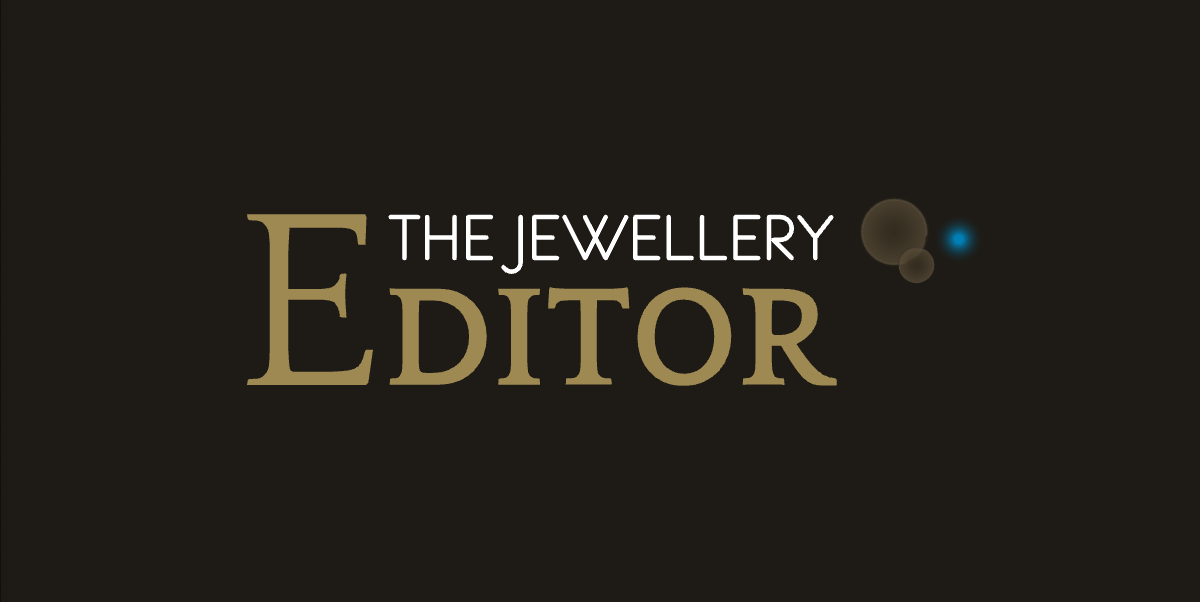
The engagement ring has long stood as the ultimate symbol of commitment, a sparkling testament to a couple’s shared future. However, in the hallowed halls of London’s Hatton Garden, the industry’s historic heart, a quiet revolution is taking place. As traditional expectations give way to modern sensibilities, the way couples select their rings is undergoing a profound transformation.
At the forefront of this shift is Daniel Salimov, founder of Regal Hatton Garden, who has witnessed a fundamental change in the priorities of today’s couples. "We are moving away from the era of the ‘one-size-fits-all’ diamond," Salimov notes. "Today’s couples are looking beyond tradition, prioritising individuality, value, and personal expression above all else."
The Main Facts: A Shift in Priority
The modern engagement ring market is defined by a move toward transparency and customization. While the diamond remains the centrepiece of the industry, the "what, why, and how" of the purchase has evolved.
The primary trends currently reshaping the industry include:
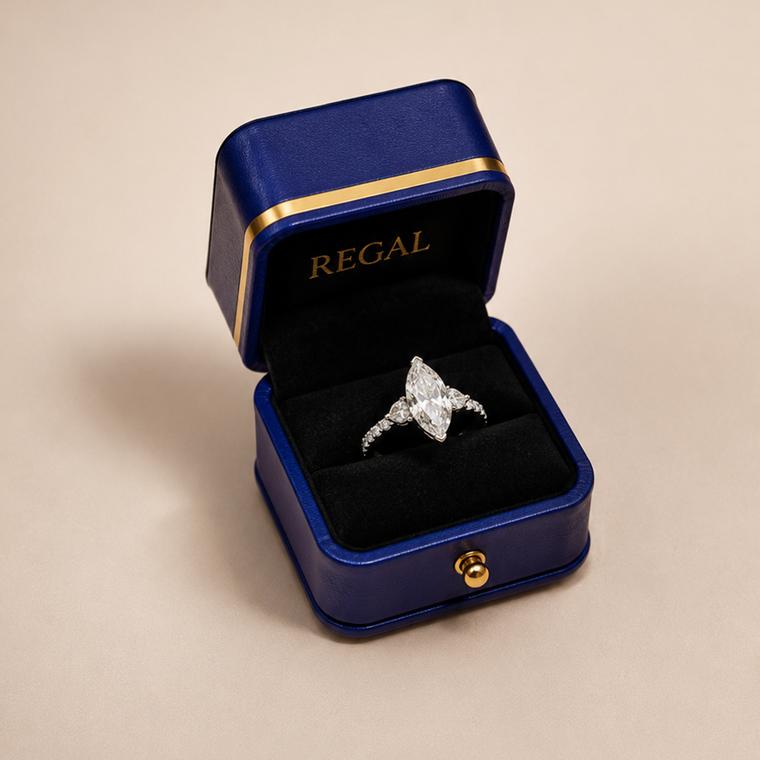
- The Rise of Lab-Grown Diamonds: Accounting for approximately 70% of current sales at establishments like Regal Hatton Garden, these stones are no longer a niche alternative but a mainstream preference.
- The Demand for Bespoke: 80% of sales are now bespoke, indicating that couples are increasingly moving away from pre-set, mass-produced inventory in favor of co-creating a unique piece.
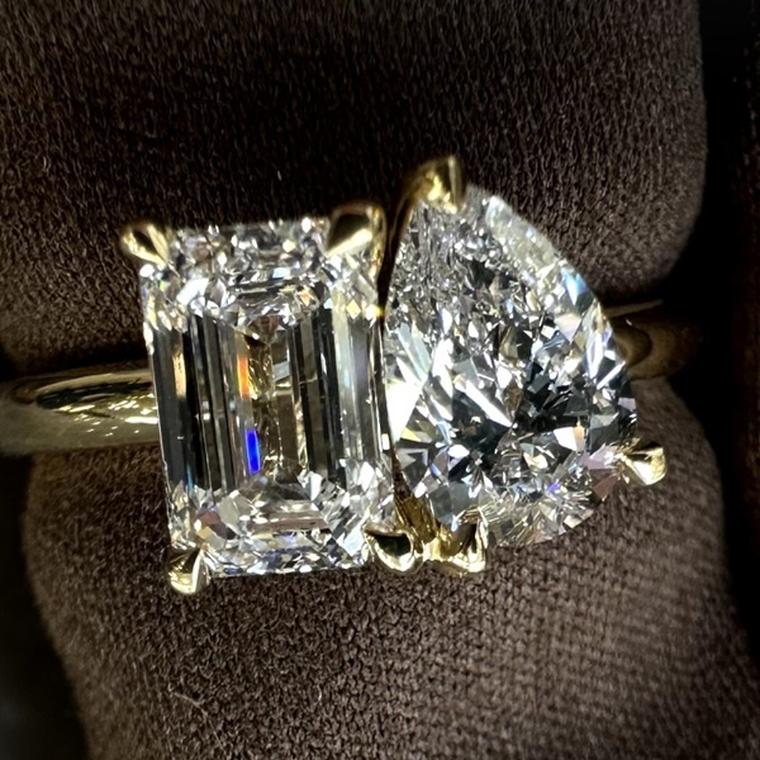
- Diversification of Style: While classic solitaires remain relevant, there is a surge in demand for unconventional cuts, coloured gemstones, and "Toi et Moi" settings that carry deeper, personalized symbolism.
Chronology of Change: From Tradition to Customization
Historically, the engagement ring journey was prescriptive: a consumer would enter a jeweler, select a pre-made setting with a standard-cut natural diamond, and finalize the purchase. This model dominated for decades, anchored by marketing campaigns that emphasized the exclusivity of mined stones.
However, the last decade has acted as a catalyst for change. The emergence of high-quality, physically identical lab-grown diamonds forced a shift in the market. Initially met with skepticism, these stones gained traction as technology improved and consumer interest in ethical sourcing and budget optimization grew.
By the early 2020s, the "bespoke movement" took hold. The internet and social media allowed couples to research intricate designs, from hidden halos to specific vintage-inspired cuts, long before stepping foot in a showroom. Today, the process is no longer just about buying a ring; it is about curating a piece of art that reflects the unique dynamics of the relationship.
Supporting Data: The Numbers Behind the Sparkle
The data emerging from Regal Hatton Garden provides a clear picture of how consumer psychology has shifted.
The Lab-Grown Dominance
The 70% adoption rate of lab-grown diamonds is perhaps the most significant statistical shift in the industry. For many, the decision is rooted in economic pragmatism. By choosing a lab-grown stone, a couple can often upgrade the carat weight, clarity, or color of the centre stone without inflating their total budget.
The Bespoke Advantage
The 80% figure for custom-made commissions highlights that the "ready-to-wear" engagement ring is losing its grip on the market. Couples are no longer satisfied with choosing a ring that thousands of others might wear. They are selecting individual loose stones, choosing specific metals, and deciding on intricate setting details, effectively acting as the creative directors of their own jewelry.
Popularity of Cuts
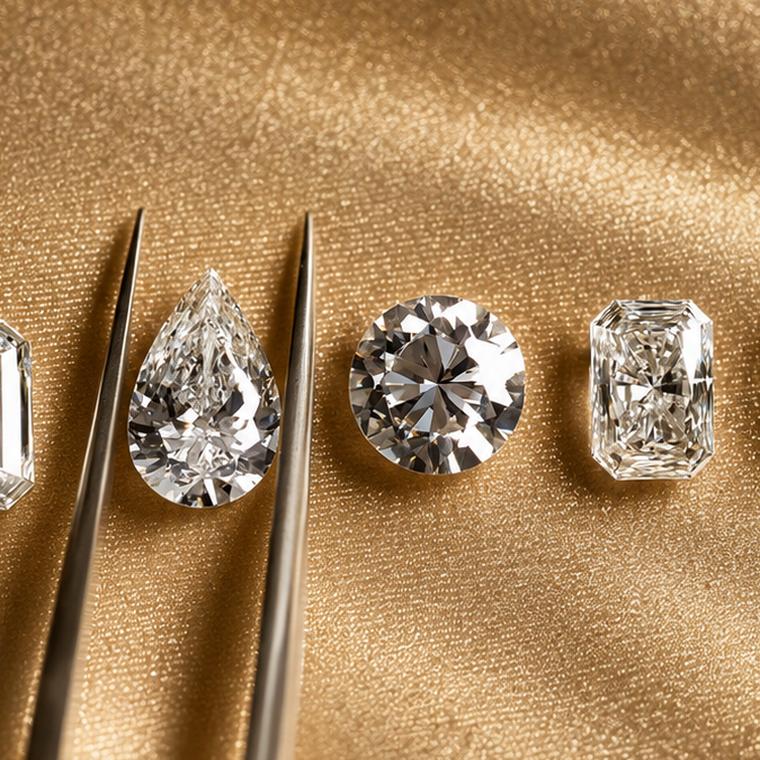
While the round brilliant remains the "evergreen" choice, data shows a rising preference for:
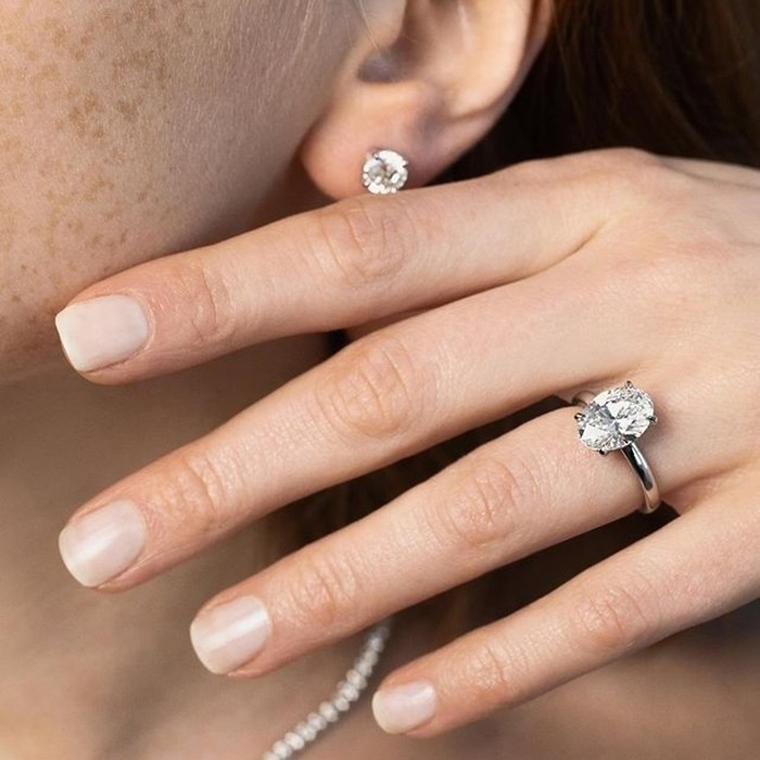
- Oval Cuts: Favored for their elongated profile, which offers the illusion of greater size and superior finger coverage.
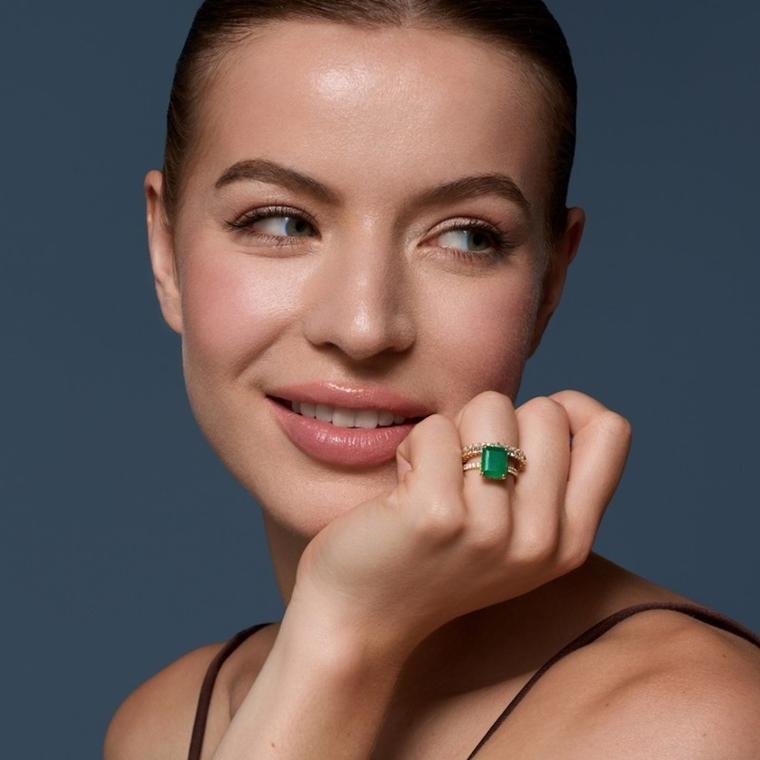
- Emerald Cuts: Gaining ground among those who prefer an understated, "old-money" aesthetic.
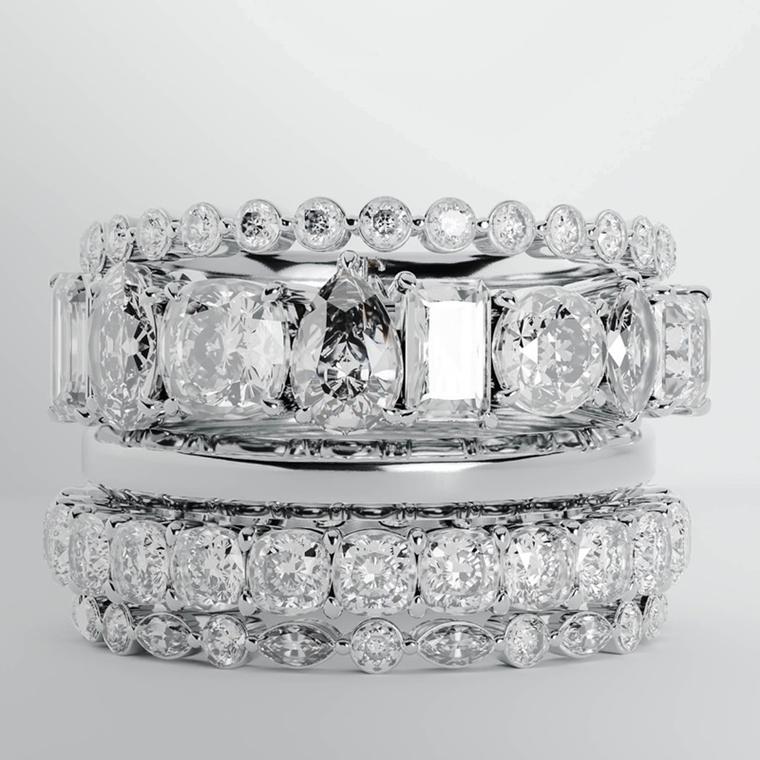
- Pear and Marquise: Chosen by those who want to depart from standard shapes to achieve a more distinctive, vintage-inspired look.
Official Perspectives: The Expert View
Daniel Salimov, reflecting on his years of experience, emphasizes that the industry is not dying—it is maturing. "Every client who visits Regal becomes part of our story," says Salimov. "When we work on a bespoke piece, we aren’t just setting a stone; we are facilitating a milestone. The fact that 80% of our clients choose to go bespoke tells us that the emotional value of the ring is now just as important as its monetary value."
Salimov argues that the debate between natural and lab-grown diamonds is often misunderstood. "It is not a binary choice where one is ‘better’ than the other. It is about transparency. Natural diamonds offer a billion-year-old story that some couples find irreplaceable. Lab-grown diamonds offer a modern, technologically advanced alternative that allows for greater creative freedom. Our role as jewelers is to educate, not to dictate."
Implications for the Future
The implications of these trends are far-reaching. As the market continues to evolve, the following themes will likely define the future of the engagement ring:
1. The Decline of "One-Size-Fits-All"
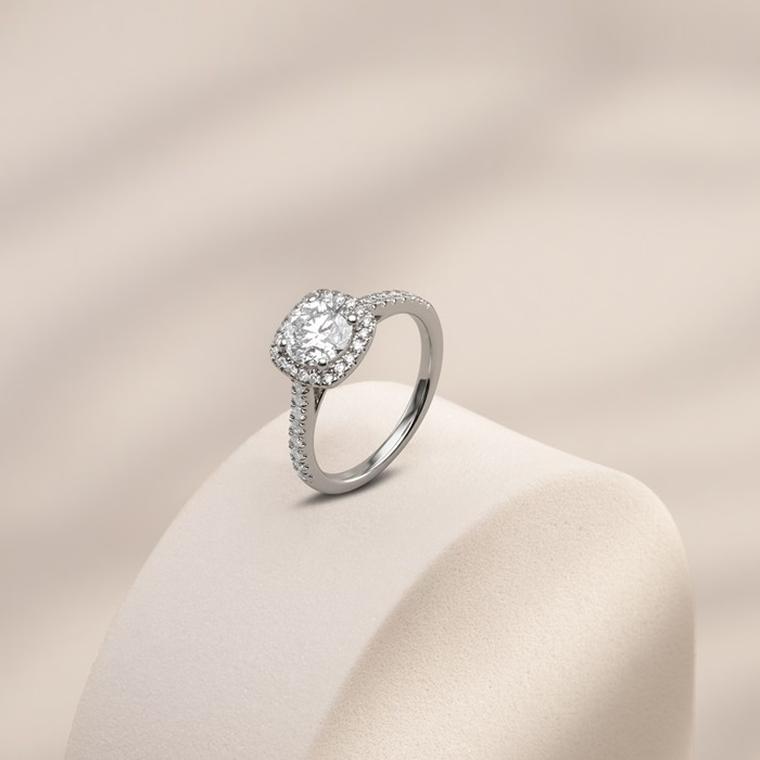
Retailers who rely solely on pre-manufactured stock may struggle. The future belongs to jewelers who provide a platform for design. The ability to source loose stones and provide CAD (Computer-Aided Design) renderings to clients will become the baseline requirement for success in the high-end jewelry sector.
2. Education as the New Service
Because consumers are more informed than ever, they expect their jewelers to be consultants. The "hard sell" is being replaced by the "consultative approach," where the focus is on explaining the nuances of diamond certification, the ethics of sourcing, and the structural integrity of different ring settings.
3. The Return of Color
While the diamond remains the king of the engagement market, the rising interest in sapphires, rubies, and emeralds suggests a future where the "white diamond" is no longer the only acceptable standard. The shift toward individuality means we can expect to see more bold, colorful, and unconventional stones gracing engagement rings in the coming years.
4. Sustainability and Ethical Consumption
The rise of lab-grown diamonds is only the beginning of a larger conversation about the environmental and social footprint of luxury goods. As consumers become more eco-conscious, traceability—the ability to know exactly where a diamond came from and the conditions under which it was produced—will be a critical factor in long-term brand loyalty.
Conclusion: The Ultimate Trend is Individuality
If there is one overarching trend that defines the current era, it is the democratization of choice. The "perfect" engagement ring is no longer defined by a celebrity trend or a traditional rulebook. It is defined by the person wearing it.
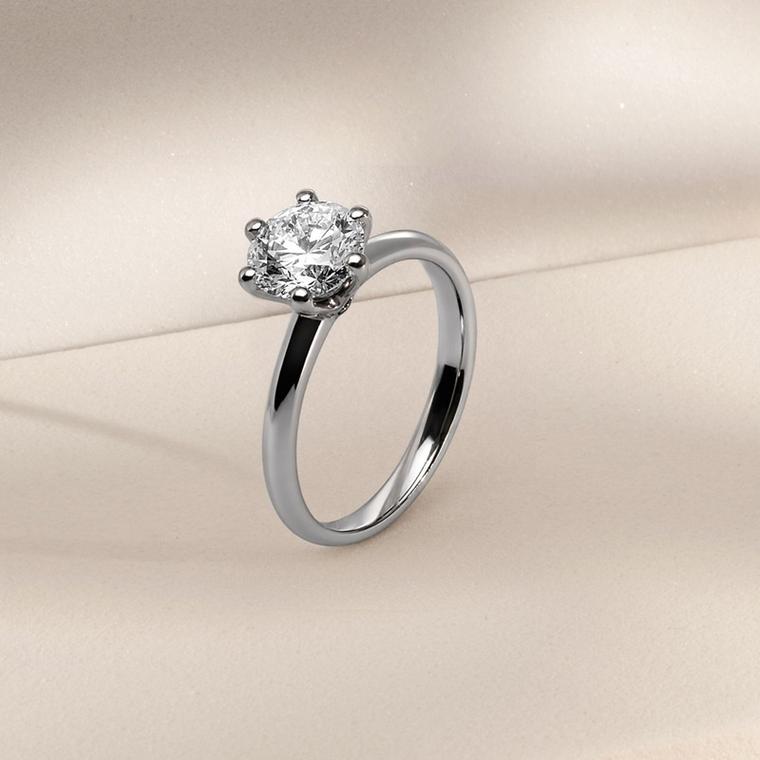
Whether it is a classic platinum solitaire, a modern lab-grown oval, or a custom-designed Toi et Moi setting, the modern engagement ring is a reflection of the couple’s specific values, style, and budget. For those beginning their journey, the best advice remains simple: seek out a jeweler who values the process as much as the product. By engaging in an open dialogue, exploring different options, and focusing on what feels personal, couples can ensure their ring is a symbol that will remain as timeless as the love it represents.
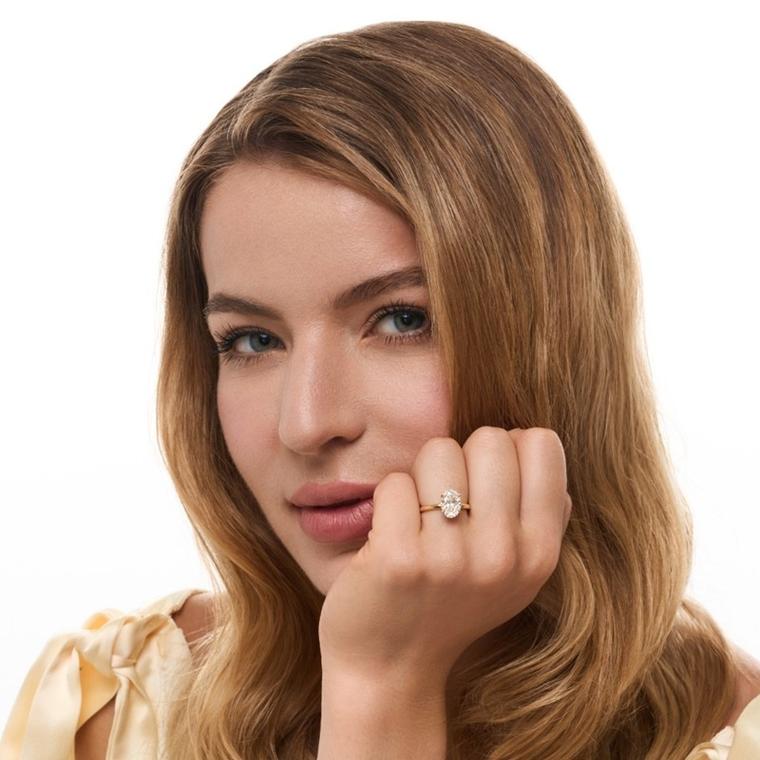
As Regal Hatton Garden continues to see, the most beautiful ring is not the one with the highest price tag—it is the one that tells the right story.