By Maria Doulton | 09 July 2026
To truly grasp the mercurial genius of Gabrielle "Coco" Chanel, one does not necessarily need the 368-page biography penned by Justine Picardie. While such literature offers an intimate look into the woman behind the legend, her true spirit—her visionary, boundary-pushing, and iconoclastic nature—is written in the very stones and metals she curated throughout her lifetime.
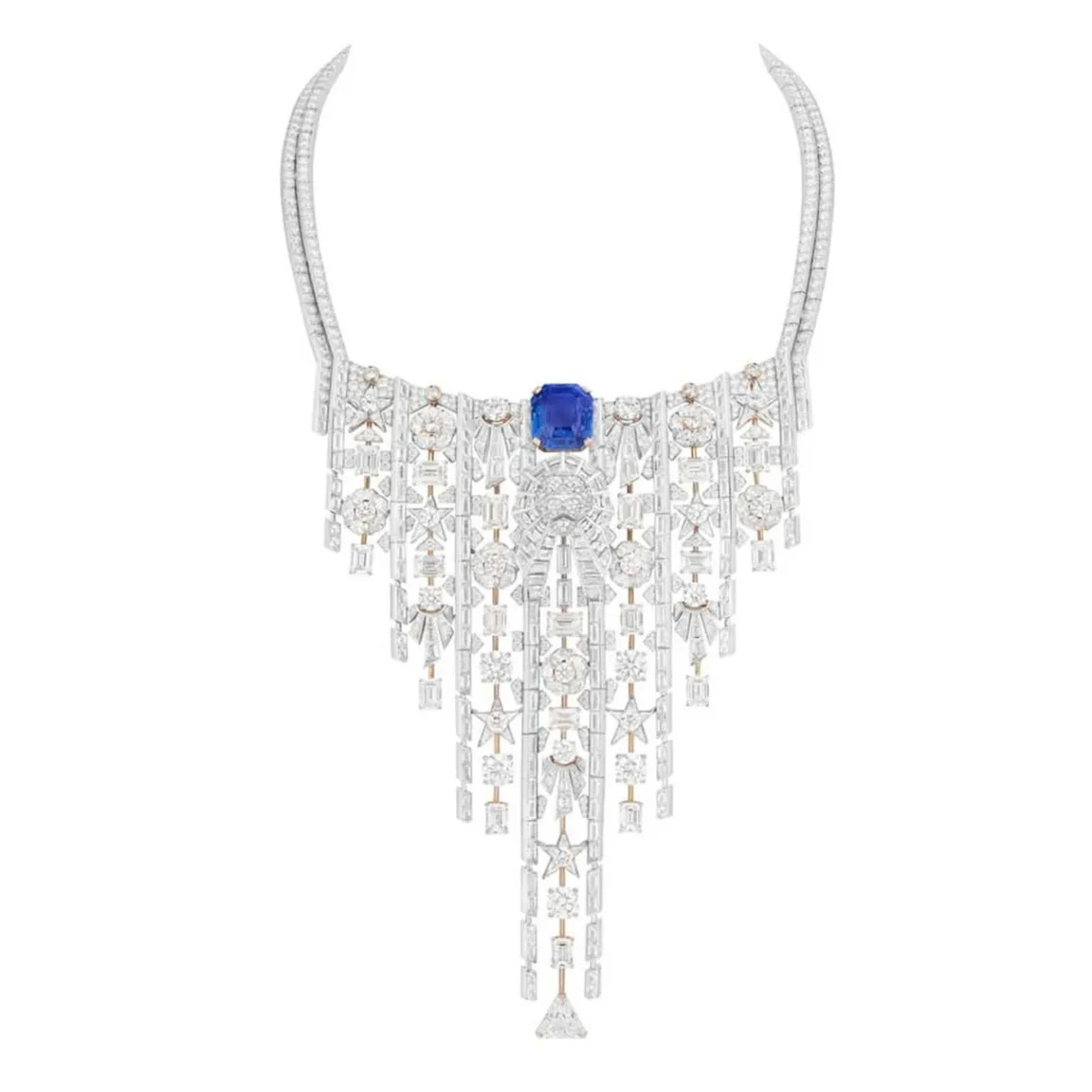
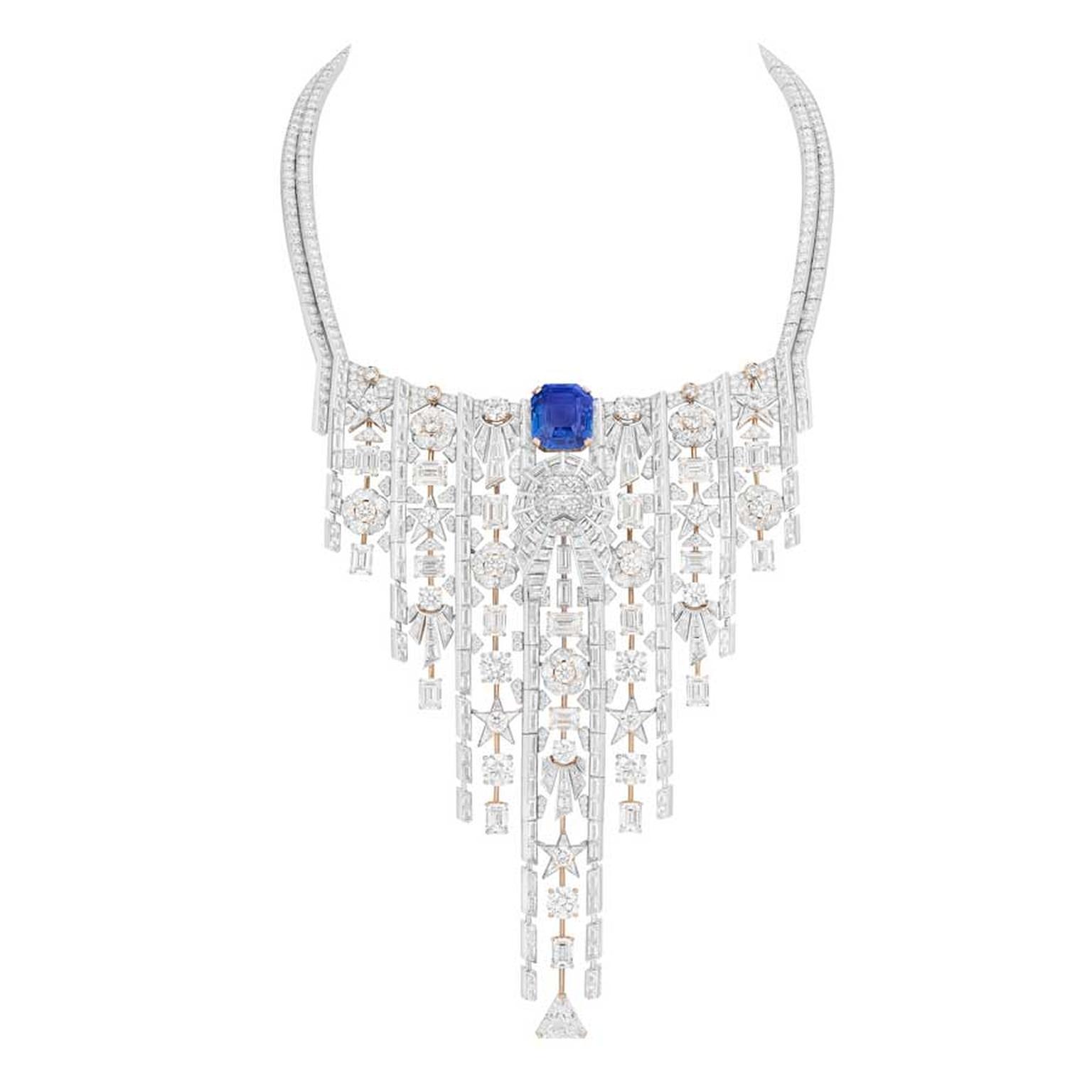
The 2026 Signes & Symbols High Jewellery Collection serves as a luminous tribute to this legacy. It is not merely a display of craftsmanship; it is a manifestation of the Chanel philosophy: a refusal to be bound by convention, a penchant for the avant-garde, and a deep, abiding love for the symbolic.
The Philosophy of the Couturier: A Life of Unbound Creation
Gabrielle Chanel’s approach to design was famously tactile and visceral. She did not sketch in the traditional sense; she did not hide behind the formality of paper and pencil. Instead, with shears in hand—and, if the legends are to be believed, a cigarette perpetually smoldering in the corner of her mouth—she cut fabric directly onto the body.
This same "free-hand" philosophy governed her approach to jewellery. She treated diamonds and gold with the same rebellious spirit as jersey fabric, turning the rigid conventions of high jewellery on their heads. She mashed up styles, played with volumes, and dared to pair the ancient with the contemporary. She mixed high-carat stones with costume bijoux, treating the talismanic as both a fashion statement and a personal creed.
"My jewellery represents an idea," she once famously declared. In that single sentence, she dismantled the need for literal explanation, granting herself the freedom to be enigmatic, to be disruptive, and to be forever ahead of her time.
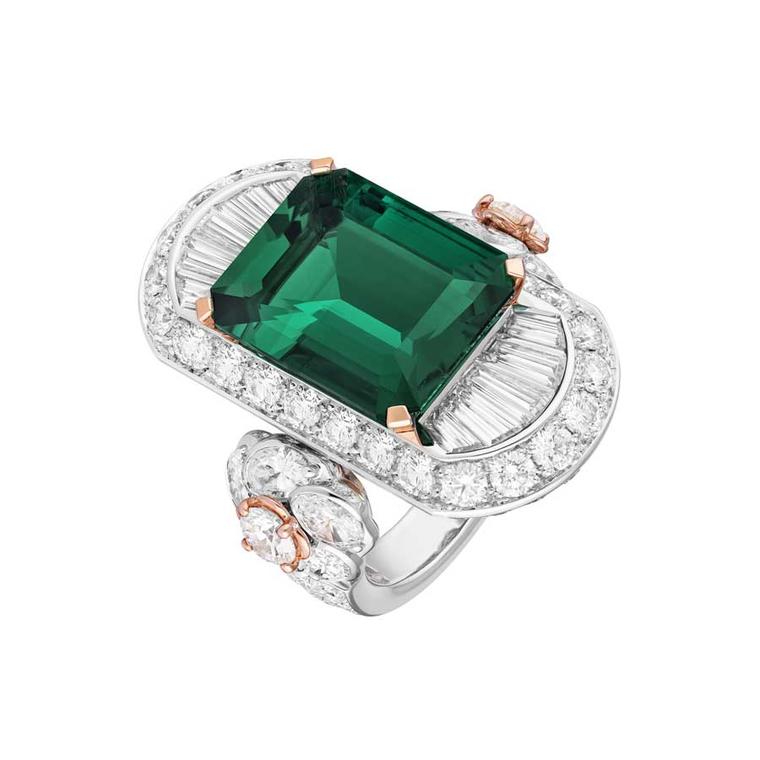
Chronology: The Evolution of Chanel’s Symbols
The Signes & Symbols collection acts as a retrospective of the motifs that defined Mademoiselle Chanel’s personal and professional identity. The collection’s development can be traced through the evolution of these four pillars:
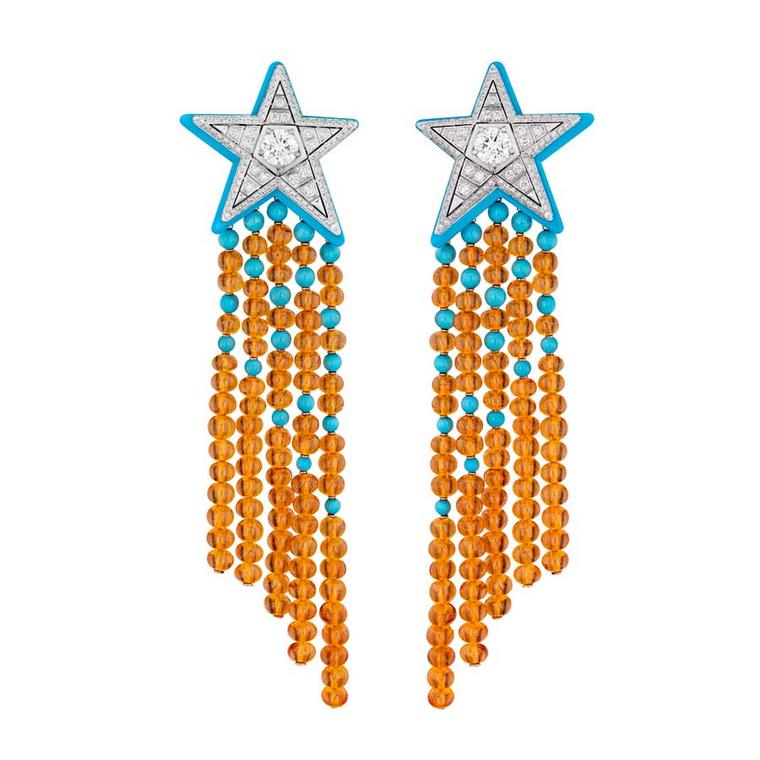
- The Star (1932): Originating from the "Bijoux de Diamants" collection, the comet and star motifs represent Chanel’s fascination with the celestial, a theme born from the clear night skies of her childhood in Aubazine.
- The Camellia (1920s): More than a flower, the camellia became the structural emblem of her brand. Its perfect geometry appealed to her modernist sensibilities.
- The Lion (1940s-1950s): Born under the sign of Leo on August 19th, the lion became her personal totem. It was her guardian, often found in her Rue Cambon apartment, representing strength, authority, and her own regal independence.
- The Comet: Often paired with the star, the comet serves as a symbol of movement and destiny, reflecting Chanel’s own trajectory from obscurity to global influence.
The 2026 Collection: A Technical Breakdown
The 2026 Signes & Symbols collection breathes new life into these archetypes through a masterful use of exotic diamond cuts, hard stones, and intricate stone carving.
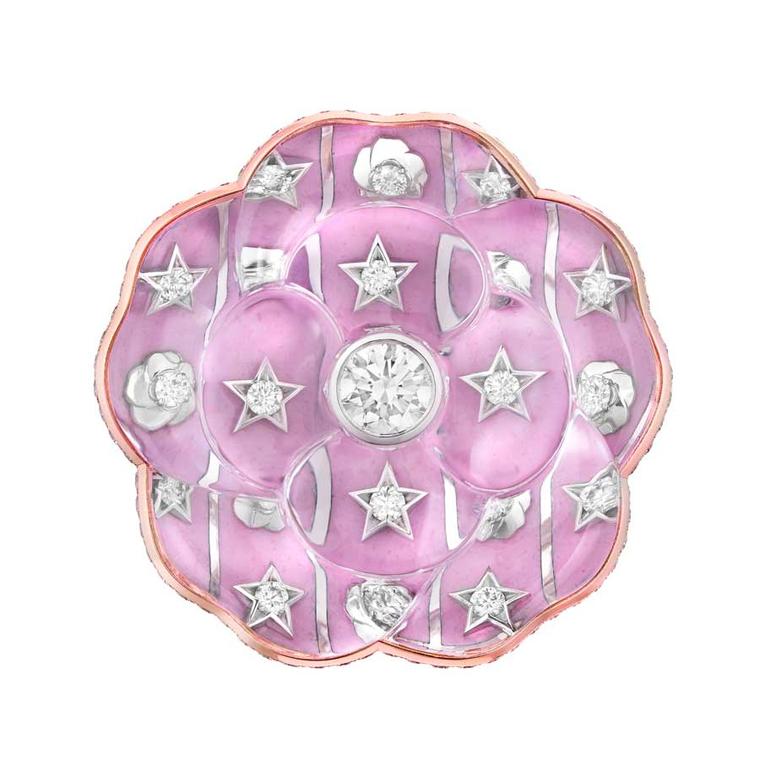
1. Symboles: Geometry Meets Emotion
The collection highlights the Symbole Camélia rose brooch, which renders the signature flower in a sophisticated dance of white and rose gold. Set with enamel, rock crystal, and diamonds, its heart features a 1.58-carat round brilliant-cut diamond of E colour and VVS2 clarity. Its versatility—transitioning from brooch to pendant—speaks to the modern wearer’s demand for functional luxury.
The Symbole Étoile necklace takes a more chromatic approach. By gathering white gold and diamonds alongside tanzanite beads, Imperial topaz, and spessartite garnets, it creates a "warm" palette rarely seen in high jewellery. A 26.21-carat cushion-cut Imperial topaz acts as the anchor, flanked by spessartite garnets of 2.31 and 2.24 carats.
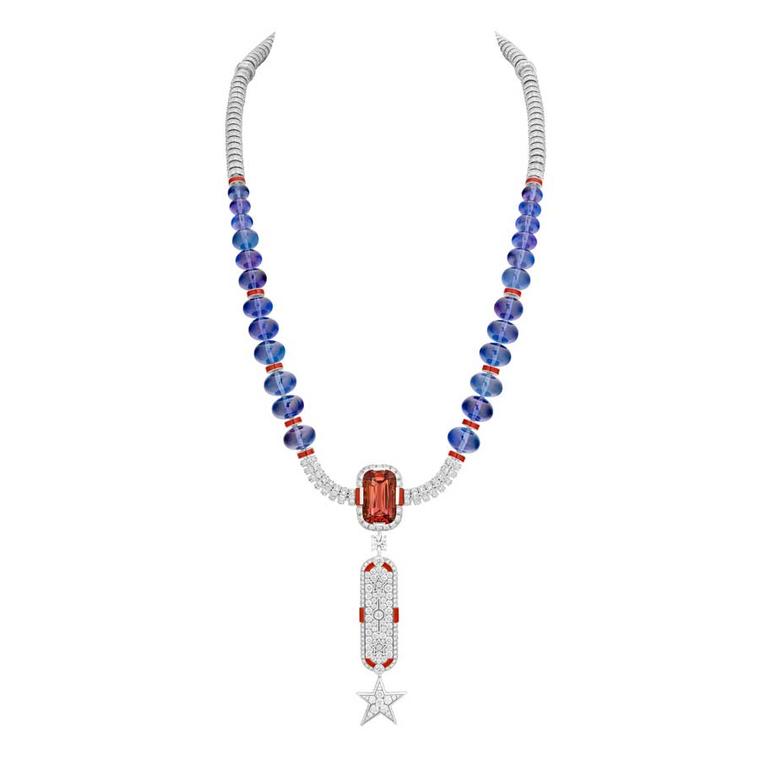
2. Talismans: The Graphic Aesthetic
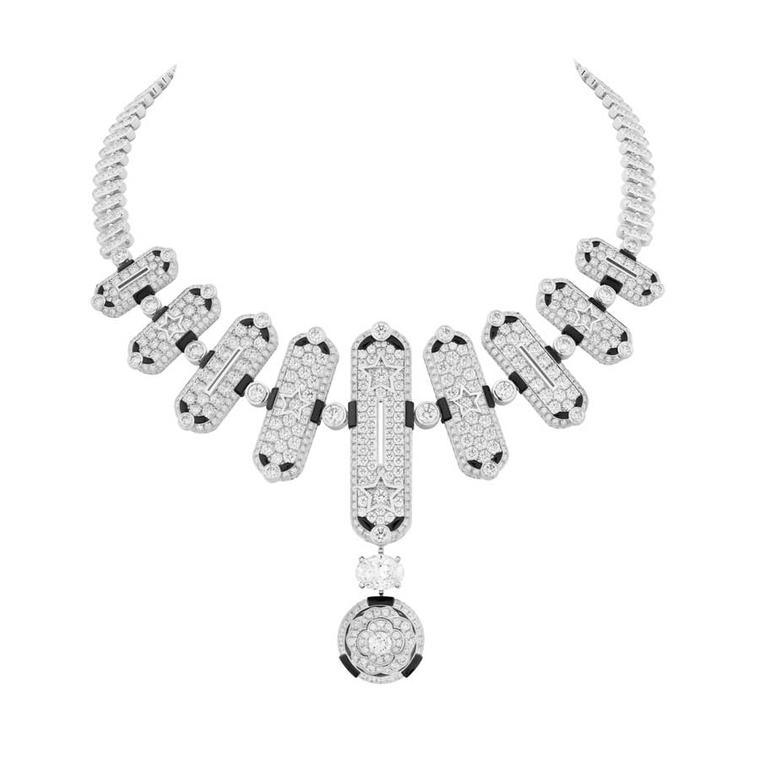
Moving into the Talisman series, the palette shifts to a stark, high-contrast monochrome. The Talisman Graphique necklace is a masterclass in minimalism. Utilizing a strict palette of white gold, onyx, and diamonds, it centers on a 3.05-carat D-flawless oval-cut diamond. This piece demonstrates Chanel’s ability to find drama in simplicity.
3. Lions: The Command of the Leo
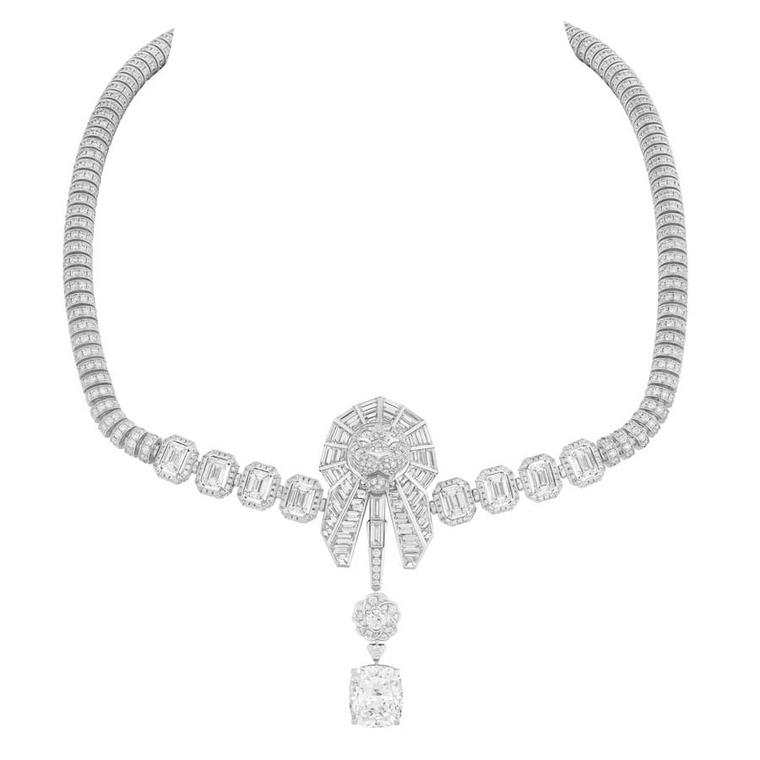
Perhaps the most striking entries in the collection are the Lion pieces. The Lion Puissant necklace is a tour-de-force of diamond setting. Using almost invisible settings, the master jewelers have recreated the texture of a lion’s mane, creating an "icy elegance." The centerpiece is a 10.25-carat D-flawless cushion-cut diamond, supported by eight emerald-cut diamonds totaling 8.21 carats.
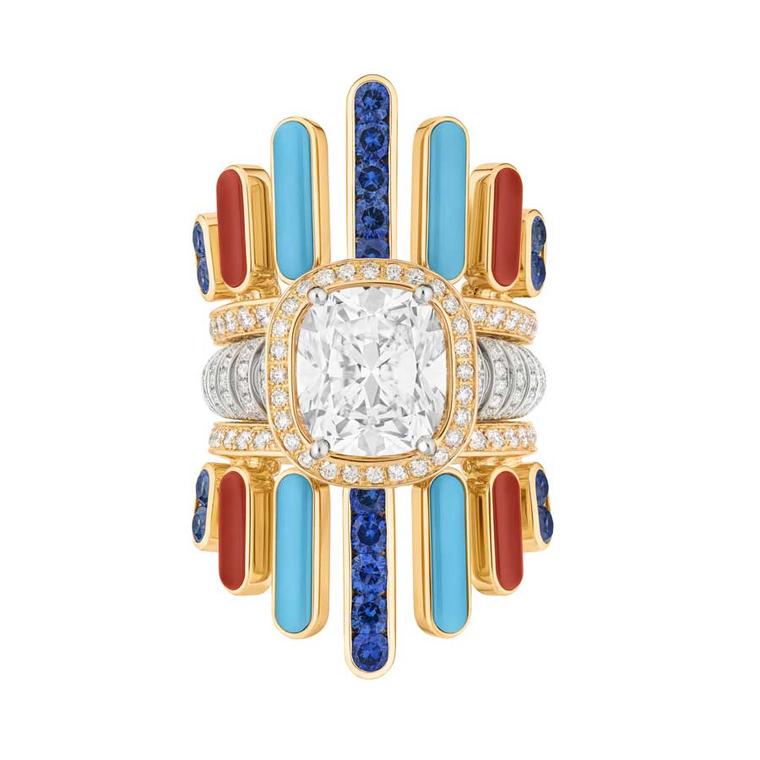
In contrast, the Lion Magistral offers a warmer, more regal interpretation. Featuring rose and yellow gold alongside emeralds, the piece depicts a series of lions "at rest." The centerpiece is a 6.21-carat cushion-cut emerald, showcasing the house’s dedication to high-quality colored stones.
Supporting Data: The Craft of Rare Stones
The collection is not merely an aesthetic exercise; it is an investment in rare geological treasures. The use of Type IIA diamonds—the purest, most transparent form of diamond—is a hallmark of the Symbole Emblématique ring. This piece features a 5.05-carat, D-internally flawless cushion-cut diamond.
Furthermore, the Imprimé series utilizes "fabric-like" motifs, treating gemstones as printed patterns. The Imprimé Plastron necklace, for example, incorporates thirty round brilliant-cut diamonds (D to F color, internally flawless to VVS) alongside yellow sapphires totaling 12.90 carats. These specifications underscore the technical prowess required to maintain the "joie de vivre" of the design while adhering to the most stringent standards of haute joaillerie.
Official Perspective: The Vision of the House
In recent statements, the house of Chanel emphasized that the Signes & Symbols collection is intended to bridge the gap between the past and the future. By reinterpreting these symbols through the lens of 2026 technology, the house ensures that Gabrielle Chanel’s language remains a living, breathing entity.
"We are not merely replicating the past," a spokesperson for the brand noted during the collection’s unveiling. "We are engaging in a conversation with it. The use of hard stones like turquoise and carnelian alongside world-class D-flawless diamonds is our way of mirroring Mademoiselle’s own penchant for mixing the high with the everyday."
Implications: A New Era for High Jewellery
The implications of this collection for the wider industry are significant. As high jewellery moves away from the purely investment-focused "safe" designs, Chanel is signaling a return to narrative.
- Versatility as a Mandate: Pieces like the Lion Magistral and the Symbole Étoile, which transform from necklaces to bracelets, reflect a shift in how luxury is consumed. The modern collector demands a "wearable" heirloom.
- The Rise of the "Graphic" Palette: By championing onyx and enamel alongside traditional precious stones, Chanel is pushing the industry toward a more artistic, design-led aesthetic rather than one solely dependent on stone size.
- The Return of the Personal Talisman: In an increasingly digitized world, the trend of wearing symbols—stars, lions, and flowers—as "protective" amulets has seen a resurgence. Chanel is positioning high jewellery not just as an accessory, but as a personal identifier.
Conclusion: The Eternal Spirit of Mademoiselle
The 2026 Signes & Symbols collection is a testament to the fact that Gabrielle Chanel’s influence is not fading; it is evolving. Whether through the icy brilliance of the Lion Puissant or the playful, cascading stars of the Symbole Ombré earrings, the collection captures the essence of a woman who refused to be defined by anything other than her own vision.
By grounding these pieces in her history while pushing the boundaries of modern craftsmanship, Chanel has once again proven that true style is not about the fashion of the moment—it is about the power of the symbol. In every cut, every setting, and every stone, one can still hear the echo of her voice: My jewellery represents an idea. And that idea remains, as ever, profoundly, undeniably Chanel.