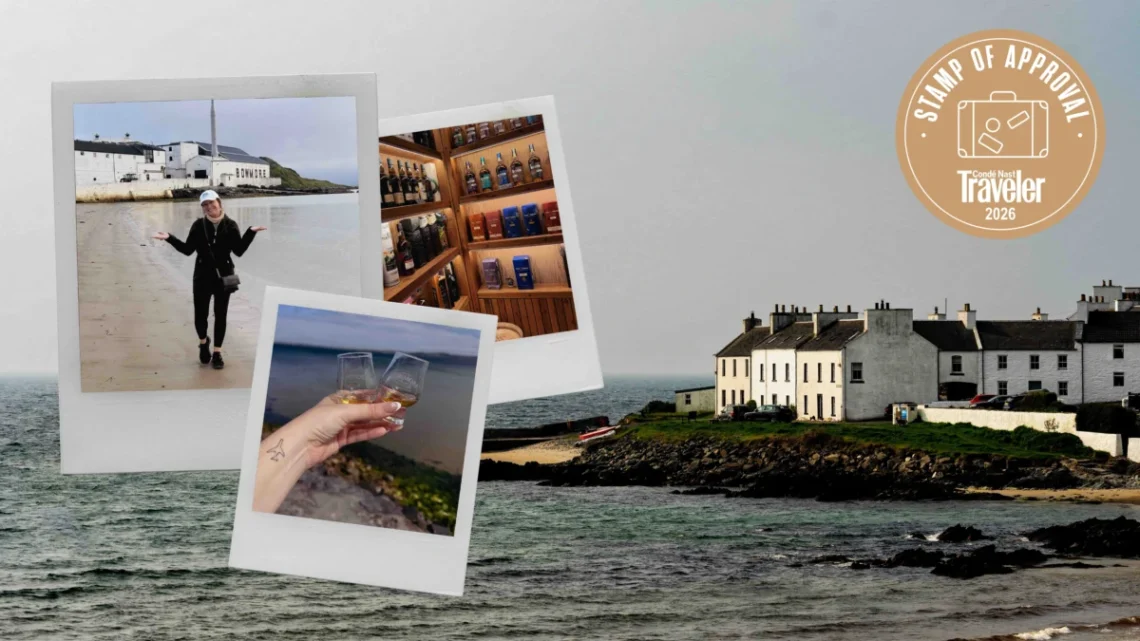
For the true connoisseur of single malt whisky, the Isle of Islay is not merely a destination—it is a spiritual home. Located off the west coast of Scotland, this rugged, windswept island in the Inner Hebrides is world-renowned for its distinctively smoky, peated whiskies. When my father’s 60th birthday approached, the choice of a destination was clear. As an avid collector with a refined palate and a sharp nose for the nuances of distillates, his dream had always been to stand on the coastline where his favorite spirits are born.
Seeking to balance his lifelong ambition with the logistical realities of island travel, I opted for a curated four-day excursion: the "Islay and the Whisky Coast" tour by Rabbie’s. With a small-group capacity of 16, a departure point in Edinburgh, and a focus on historic distilleries, the trip offered the perfect blend of structure and spontaneity.
The Logistics of a Remote Odyssey
Traveling through Islay independently can be a daunting task for the uninitiated. The island’s infrastructure, while charming, is defined by narrow roads, limited public transport, and the complexities of ferry schedules. By selecting an organized tour, we were able to circumvent the stress of self-driving on winding, single-track coastal roads, allowing us to focus entirely on the experience.

The tour structure is highly accessible. Packages start at approximately $609 per adult for the transport and guide services, with an all-inclusive tier—covering accommodation and select tours—reaching roughly $1,464. Given the cost of accommodation and transport on the island, this represents a significant value, particularly for those looking to maximize their time spent tasting rather than navigating.
A Chronological Journey: From Edinburgh to the Hebrides
Our journey began in Edinburgh, where we spent a day acclimating to the local pace. The next morning, we met our fellow travelers at the Edinburgh bus station. Our guide for the excursion was Peter McShane, a Glaswegian whose passion for Scottish folklore and geography set the tone for the journey. As our 16-seat Mercedes mini-coach pulled away from the city, the sound of traditional Celtic music filled the cabin, marking our transition from urban life to the wild Scottish interior.
Day 1: The Gateway to the Isles
Our first milestone was the town of Falkirk, 25 miles from Edinburgh, where we stood beneath the towering Kelpies—the iconic horse-head sculptures that serve as a testament to Scotland’s industrial and mythological heritage. After a quick caffeine stop, we traversed the Lowlands, skirting the majestic landscapes of Loch Lomond and Trossachs National Park.

By the time we reached Oban, the "Gateway to the Isles," we were treated to fresh coastal seafood, a palate-cleanser before the main event. A stop at the Oban Distillery provided our first official dram of the trip. From there, we traveled to Kennacraig to board the ferry. For two hours, we glided across the glass-like Sound of Jura. As the Paps of Jura—the island’s three iconic mountains—emerged from the mist, the remoteness of our destination finally settled in.
Day 2: The Heart of Bowmore
We arrived in the town of Bowmore, our base for the next three nights. Our accommodation at the Bowmore Distillery Cottages was a pleasant surprise. Designed for shared living, the four-bedroom cottage allowed for a communal experience in the kitchen and living areas while maintaining private quarters.
The following morning, we walked two minutes to the Bowmore Distillery. Founded 240 years ago, it is one of the oldest in Scotland. The experience was visceral: we tasted spirit directly from the cask in the darkness of the cellar, followed by a refined tasting session upstairs, where the salt-sprayed views of the sea complemented the whisky’s brine-forward profile.

Day 3: The Southern Coast Pilgrimage
The second full day was the pinnacle of the trip. We visited the "Holy Trinity" of Islay whisky: Ardbeg, Lagavulin, and Laphroaig. While the itinerary noted that a formal tour at Ardbeg might be limited due to it being a Saturday, the reality of the experience proved far better than the printed schedule. We gained access to the facilities and participated in a five-dram tasting session. Sitting in the sunshine, surrounded by strangers who had quickly become companions, was a moment of pure, unadulterated joy.
We also paid respects at the Kildalton Church, home to one of the finest eighth-century Christian cross monuments in Scotland. Our day concluded at Laphroaig, where we explored the peat kilns and warehouses, gaining an appreciation for the labor-intensive process that gives the whisky its signature "medicinal" and smoky intensity.
Day 4: Reflection and Return
The final morning saw an early start as we retraced our steps toward the mainland. On the ferry, the atmosphere was markedly different than the outward journey; the group felt like a tight-knit community. After lunch in the historic town of Inveraray and a final photo stop at the "Rest and Be Thankful" mountain pass, we ended in the village of Luss. A final, serendipitous stop at a local distillery served as a poignant farewell to the Highlands.

Supporting Data and Distillery Profiles
The importance of Islay to the global whisky industry cannot be overstated. Islay’s distilleries, including Bowmore, Ardbeg, Lagavulin, Laphroaig, Bunnahabhain, and Kilchoman, represent a high concentration of the world’s most sought-after peated single malts.
- Distillery Diversity: While Bowmore focuses on a balance of smoke and fruit, Laphroaig is celebrated for its intense peat and iodine notes. Bunnahabhain, conversely, offers a departure from the norm, specializing in unpeated or lightly peated whiskies that highlight the influence of the sherry cask.
- Economic Impact: Tourism accounts for a significant portion of Islay’s economy, with distilleries acting as the primary anchors for hospitality businesses, local transport, and retail.
- Group Dynamics: According to our guide, Peter McShane, the small-group model (capped at 16) is specifically chosen to maintain a high-quality experience at smaller facilities that cannot accommodate large bus tours.
Official Perspectives: The Value of Small-Group Travel
Rabbie’s Tours, founded in 1993, has built its reputation on the "small group" philosophy. By focusing on personal interaction, the company aims to move beyond the "sightseeing-only" model. Their official stance on the Islay route emphasizes that the unpredictability of island life—weather delays, ferry maintenance, and distillery private bookings—is part of the charm.
"We want our travelers to experience the reality of the island, not a curated, sterile version," the company notes in its brochures. This "roll with the punches" approach was evident throughout our trip, as we successfully pivoted from a closed distillery to an alternative one without any loss of quality.

Implications for the Future of Whisky Tourism
The rise of whisky tourism, or "whisky pilgrimage," has led to increased pressure on Scotland’s smaller islands. For the traveler, this means that planning is essential. As noted during our trip, popular restaurants and specific distillery tours are often booked out months in advance.
The implications for travelers are clear:
- Advance Booking: While the tour company handles the bulk of the logistics, personal dining preferences must be addressed weeks before departure.
- The "Human Element": The most rewarding aspect of this trip was not the whisky itself, but the shared experience. The ability to connect with other enthusiasts from around the globe over a shared love for a specific dram enhances the perception of the spirits sampled.
- Flexibility is Key: The most successful travelers on these routes are those who accept that the weather and local availability will dictate the itinerary.
Conclusion: A Worthwhile Investment
As we concluded our trip, I asked my father—a man who has spent years curating a collection of over 200 bottles—if the experience met his expectations. His verdict was simple: "It was well worth the money."

The journey provided more than just a series of tastings; it provided a deeper understanding of the terroir of Islay. The smoke, the peat, and the salt-air finish of the whiskies we drank were no longer just descriptors on a label, but reflections of the landscape we had walked through. For those considering a similar trip, the Rabbie’s Islay tour offers a seamless, professional, and deeply human experience that transforms a simple birthday gift into a lifelong memory.
Whether you are a seasoned collector or a curious novice, the "Whisky Coast" offers a profound connection to the land, the history, and the people who have spent centuries perfecting the art of the dram. As I look back on our four days on the island, I am reminded that the best journeys are not just about where you go, but who you share the experience with—and, of course, the quality of the whisky in your glass.