
Introduction: A Milestone for African Artistry
The 10th-anniversary edition of GemGenève, held in 2026, served as more than just a global marketplace for the world’s finest gemstones; it acted as a launchpad for the future of African design. Among the highlights of this prestigious industry gathering was the unveiling of the winners of the Design Dynamic Competition, an initiative spearheaded by the Jewellery and Gemstone Association of Africa (JGAA).
By challenging designers from across the African continent and the diaspora to reinterpret birdlife through the prisms of movement, color, and symbolism, the JGAA has successfully thrust African talent into the global spotlight. This competition, which marks a significant turning point in the industry, underscores a shift toward a more inclusive, narrative-driven approach to high-end jewellery.

Chronology of the Initiative
The road to the 2026 GemGenève presentation began in 2024, when Longo Mulaisho-Zinsner founded the JGAA with a singular mission: to foster the growth, visibility, and professionalization of Africa’s gemstone and jewellery sector.
- 2024: The JGAA is officially established, identifying a critical need for a platform that links African designers with international markets.
- Late 2025: The "Design Dynamic" competition is launched, inviting submissions that bridge traditional African heritage with contemporary aesthetic languages.
- Early 2026: A rigorous selection process takes place, involving industry experts and curators to evaluate entries across three distinct technical categories: Computer Assisted Design (CAD), the Art of Gouache, and Hand Rendered Design.
- May 2026: The winners are formally announced and their designs are presented at the GemGenève 10th-anniversary milestone event in Geneva, Switzerland.
- Post-May 2026: The transition from "design-on-paper" to "physical reality" begins, with production supported by strategic partners such as Moyo by Piat and Maison Piat.
Categories and Technical Excellence
Computer Assisted Design: The Digital Renaissance
The CAD category proved that modern software is not merely a tool for efficiency, but a canvas for artistic exploration.
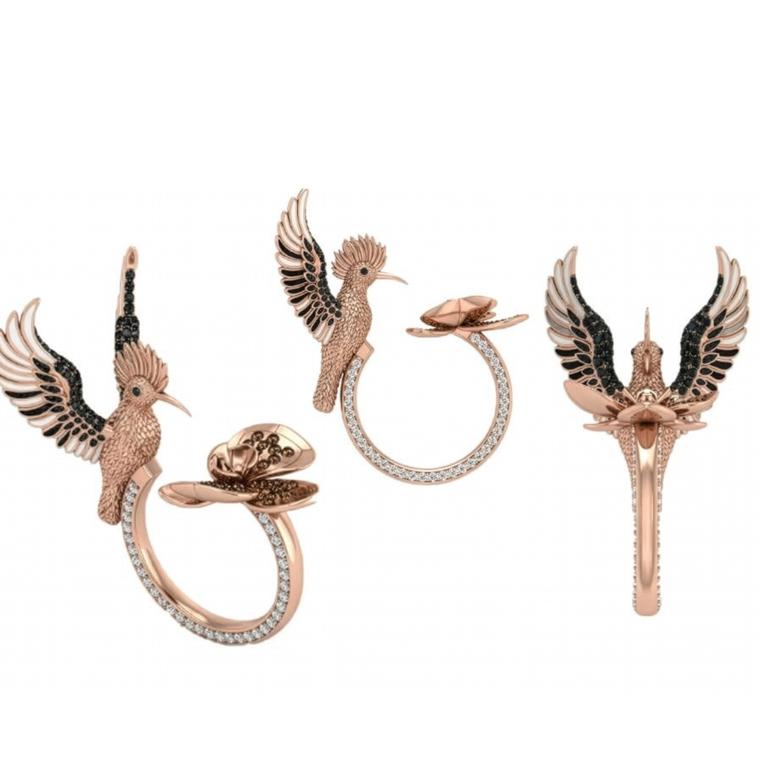
Nomonde Zwane (Eswatini): Drawing from the Hoopoe—locally known as uMzolozolo—Zwane’s design is a testament to the power of personal narrative. Her piece captures the fan-shaped crest of the bird, but the emotional core lies in her tribute to her late grandparents. The Hoopoe, a harbinger of wisdom in folklore, became the medium through which she processed ancestry and spiritual continuity.
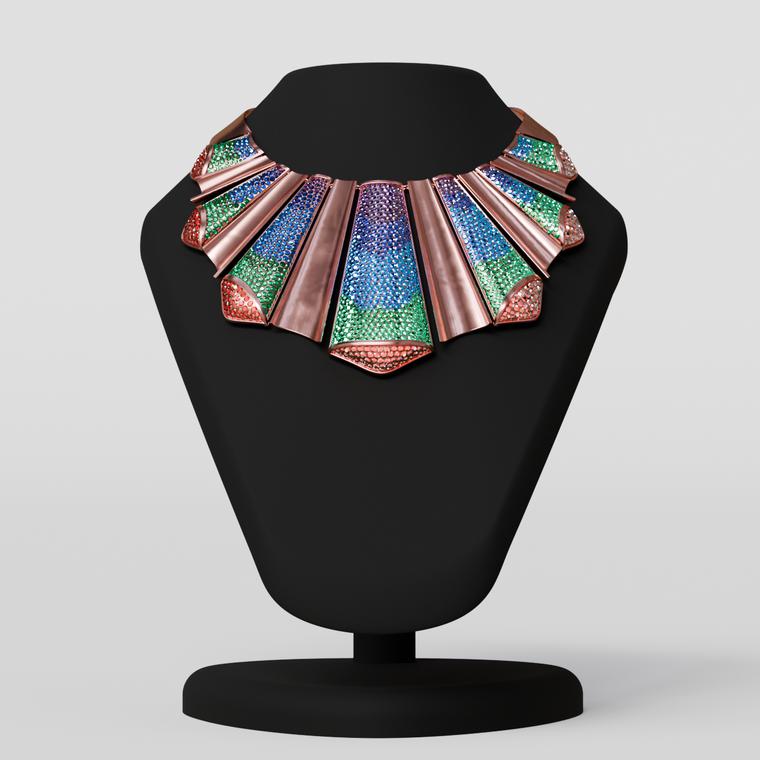
Eduardo Moreno Nery Vieira (Brazil): Representing the African diaspora, Vieira’s work highlights the indelible influence of African aesthetics on Brazilian culture. His sculptural necklace, inspired by the Purple-crested Turaco, utilizes articulated forms to mimic the bird’s sudden flashes of crimson and iridescent green plumage in flight. It is a masterclass in kinetic jewellery design.
The Art of Gouache: Painting Nature
Gouache remains the "gold standard" for communicating design intent in the luxury sector. The competition’s emphasis on this traditional medium ensured that the soul of the designer remained visible.
- Cathy Lennox (South Africa): Lennox’s asymmetrical concept, inspired by the Southern Double-Collared Sunbird, emphasizes the importance of partnership and balance. By utilizing citrine to represent nectar, she anchors the piece in the natural ecosystem of the bird.
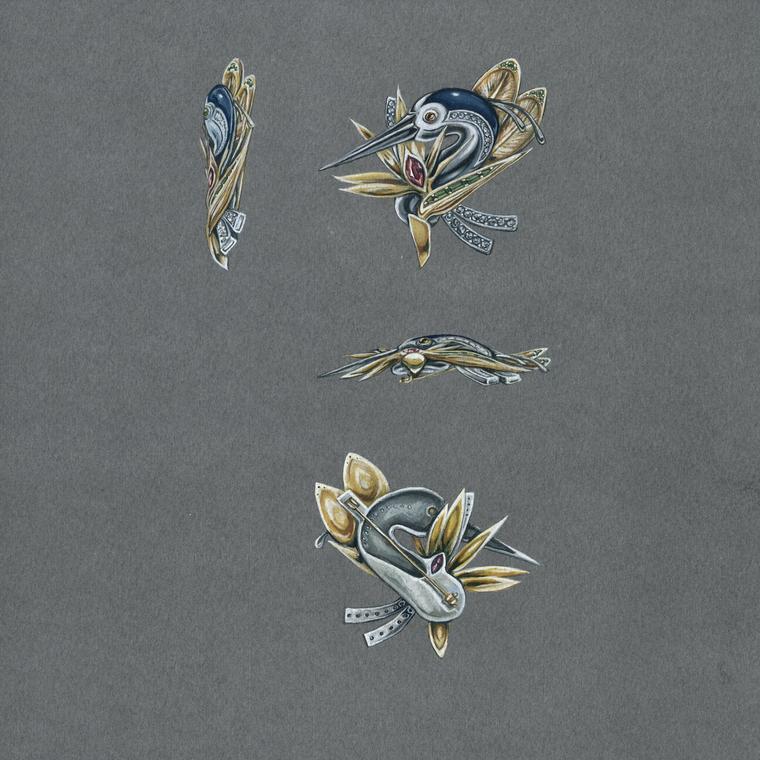
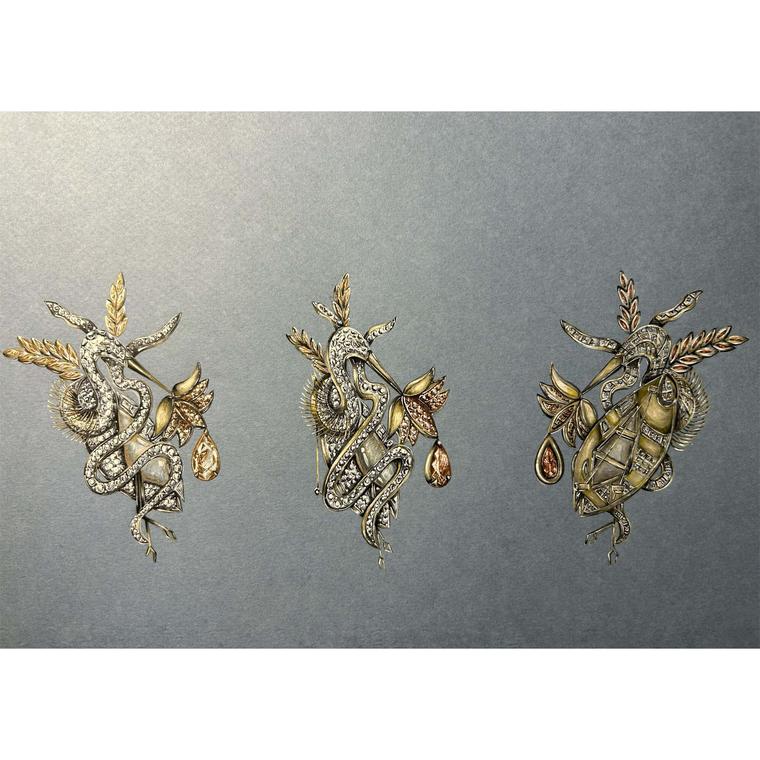
- Jana Lützeler (South Africa): Lützeler’s work is a love letter to the Cape Floral Kingdom. By pairing the Grey Heron with the strelitzia flower, she highlights the intricate relationship between avian life and botanical biodiversity.
- Nada Basta (Egypt): Basta’s "Guardian of the Nile" approach offers a historical perspective, grounding her heron design in the materials of Upper Egypt—carnelian, quartz, and moonstone—effectively linking the bird to the ancient, life-giving waters of the Nile.
Hand Rendered Design: The Power of the Sketch
This category celebrated the tactile, raw beauty of the initial artistic impulse.
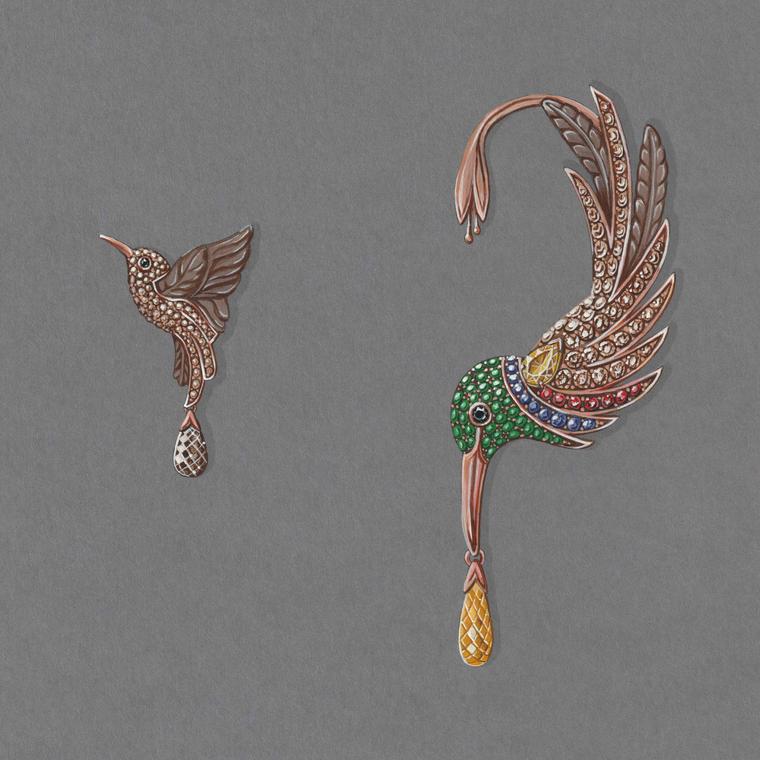
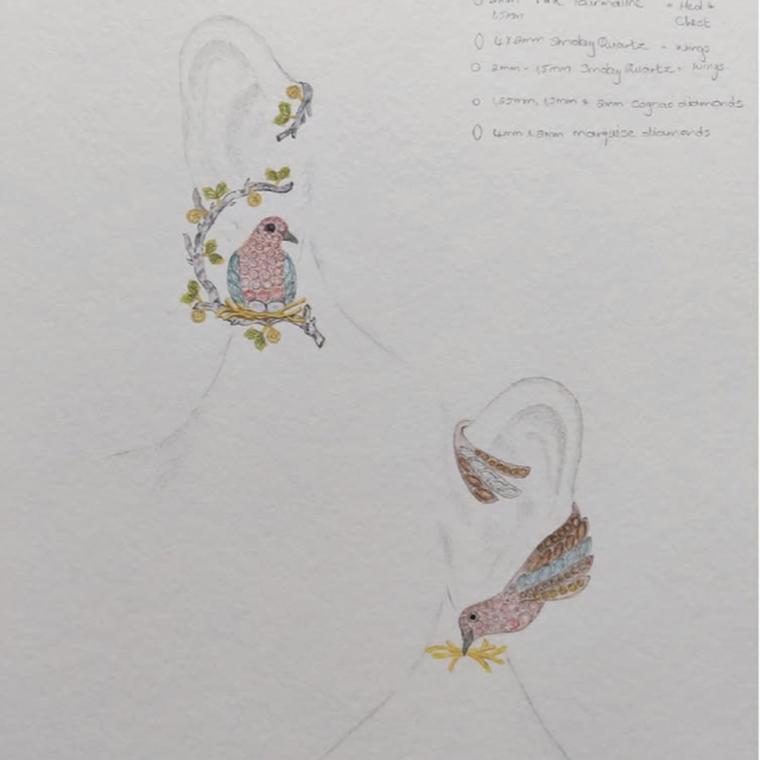
Lenate de Villiers (South Africa): Utilizing the Laughing Dove as her muse, De Villiers explores themes of Ubuntu and resilience. The design of one bird at rest and another in flight serves as a metaphor for the enduring strength found in pair bonds.
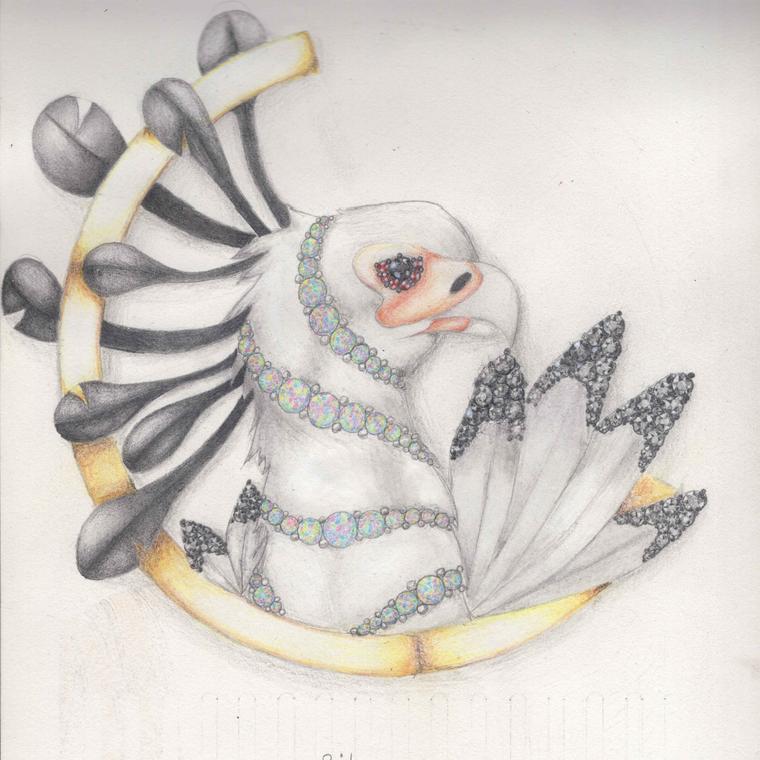
Marna Potgieter (South Africa): At just nineteen, Potgieter tackled the Secretary Bird—a creature of power and fearlessness. Her design, which utilizes an incomplete golden circle, speaks to the concepts of freedom and movement, expertly pairing unconventional materials like buffalo horn with precious opals and onyx.
Official Responses and Vision
Longo Mulaisho-Zinsner, the founder of the JGAA, has been clear that the Design Dynamic project is about more than just aesthetics; it is about infrastructure.
"Our vision is to see a truly dynamic African jewellery and gemstone industry—one that reflects the diversity, creativity, and brilliance already alive within it," says Mulaisho-Zinsner. "Each open call reveals new voices and new ways of seeing Africa through design."
Industry leaders at GemGenève noted that the quality of these submissions challenges the Western-centric narrative that has dominated the jewellery industry for decades. By providing a stage for these designers, the JGAA is effectively forcing a recalibration of how the world values African craftsmanship and raw material sourcing.
Implications for the Global Jewellery Sector
1. From Concept to Commercial Viability
The transition of these designs into physical production is the most critical phase of the initiative. By partnering with organizations like Moyo by Piat, the JGAA is ensuring that the "African design" label is backed by "African luxury manufacturing standards." This is a vital step in moving African jewellery away from being viewed as merely "ethnic" or "craft-based" and firmly into the "high jewellery" category.
2. The Diaspora Bridge
The inclusion of designers like Eduardo Moreno Nery Vieira highlights the JGAA’s intent to engage the global African diaspora. By recognizing that African creativity transcends geographical borders, the association is building a global network that can share resources, market access, and cultural narratives.
3. Sustainability and Biodiversity
The heavy focus on birdlife is not merely aesthetic; it is a profound commentary on the importance of ecological preservation. By tying high-value jewellery to the survival of species like the Secretary Bird or the Grey Heron, these designers are positioning themselves as stewards of the environment. This aligns perfectly with the growing demand from Gen Z and Millennial luxury consumers for brands that prioritize ethical sourcing and environmental consciousness.
4. Professional Development
The competition has effectively created a pipeline for emerging talent. By exposing these designers to the rigors of a global exhibition like GemGenève, the JGAA is providing a crash course in international industry standards, networking, and commercial strategy. This professionalization is expected to lead to a surge in independent African jewellery brands entering the global market over the next decade.
Conclusion: The Path Forward
The 2026 Design Dynamic competition was not a final destination, but a launchpad. As the winning designs move from the sketchpad to the jeweler’s bench, they carry with them the weight of a continent’s aspirations.

The success of the initiative suggests that the global jewellery industry is hungry for the fresh perspectives, cultural depth, and technical ingenuity that African designers bring to the table. With the support of the JGAA, the narrative is no longer just about the extraction of gemstones from African soil; it is about the elevation of the finished, high-concept jewel that celebrates the continent’s soul. As these pieces are unveiled in their physical forms, they will undoubtedly solidify Africa’s role as an emerging epicenter of global jewellery design, permanently altering the landscape of the luxury sector for years to come.