By Automotive News Desk
Published: February 2025
Main Facts
In what marks one of the most significant and surprising strategic pivots in the modern automotive industry, General Motors (GM) is bringing Apple CarPlay and Android Auto back into its vehicles. Just two years after stunning the automotive world—and drawing immense public backlash—by announcing plans to phase out smartphone projection software entirely in favor of proprietary, Google-built infotainment ecosystems, GM is changing direction.
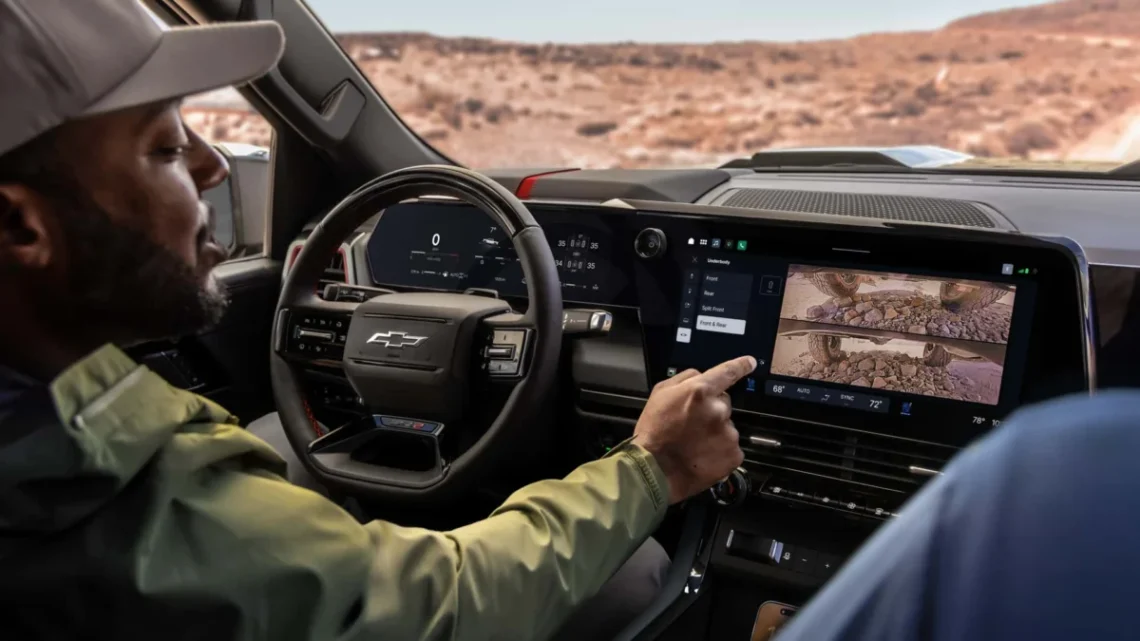
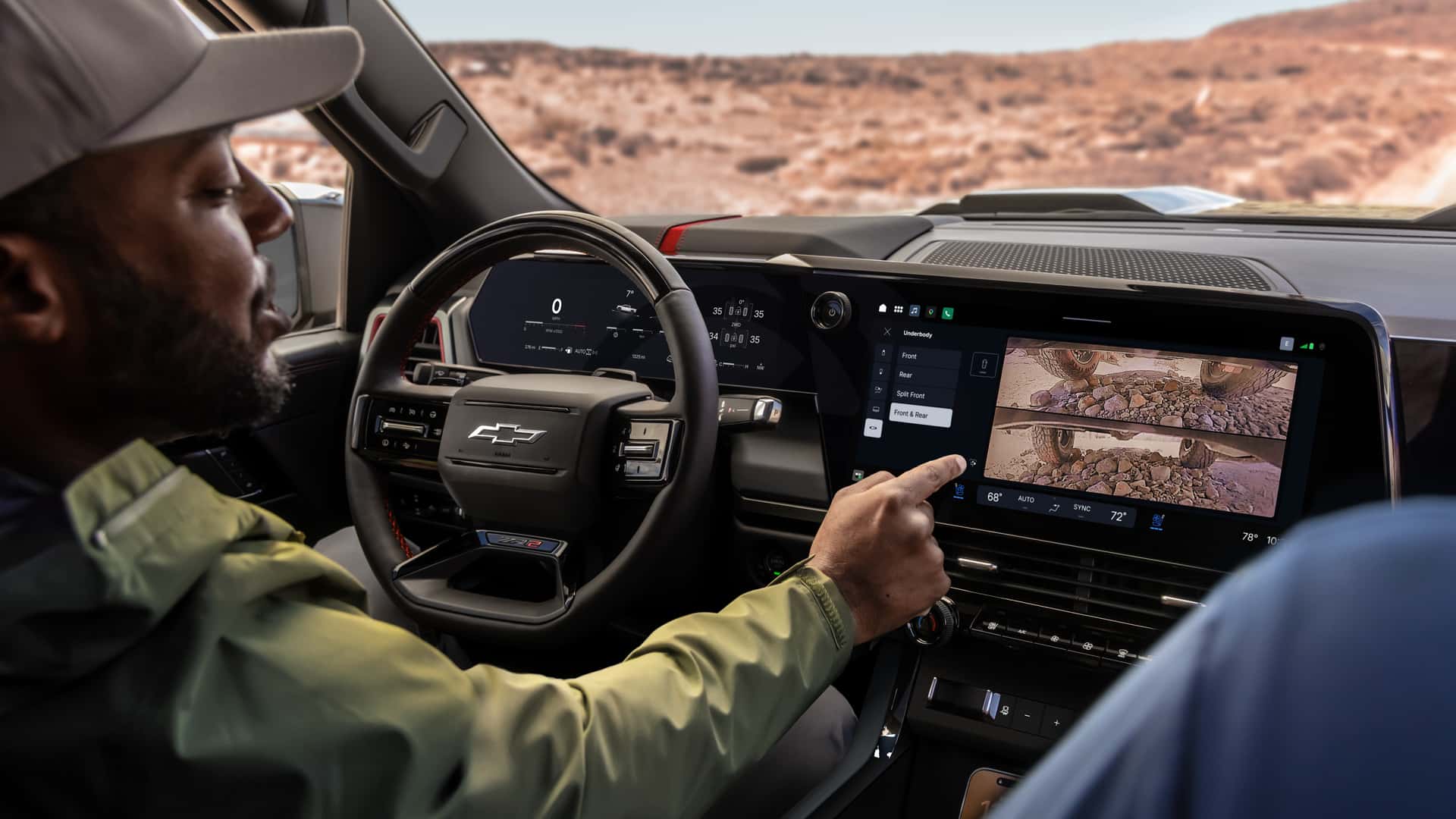
The automotive giant has confirmed that the upcoming 2027 Chevrolet Silverado and 2027 GMC Sierra will feature a completely redesigned user interface (UI) that seamlessly integrates Apple CarPlay and Android Auto alongside its native software. Rather than forcing motorists to choose between their vehicle’s native operating system and phone-mirroring tech, GM’s new dual-system architecture runs both concurrently. The smartphone interface is cast into a large, prominent window that dominates the infotainment touchscreen, eliminating the tedious and often distracting menu-switching that defined older automotive setups.
Following the rollout in these heavy-hitting truck models, GM intends to scale this hybrid software architecture across its broader portfolio. According to early statements from the automaker, this scalable foundation is engineered to support electric, gasoline, and diesel vehicles alike. This represents a stark about-face from the company’s previous aggressive posture, which saw it deliberately strip CarPlay out of new electric vehicles like the Chevrolet Blazer EV and Cadillac Lyriq.
Chronology: The Rise, Fall, and Return of Smartphone Mirroring at GM
To fully understand the weight of GM’s latest announcement, it is necessary to retrace the timeline of how the automaker managed its in-car technology over the past several years.
2023: The Bold Breakup
The controversy began in early 2023 when General Motors dropped a bombshell on the tech and automotive sectors: future General Motors electric vehicles would no longer support Apple CarPlay or Android Auto. Executives explained that the company wanted to build a unified, deeply integrated digital ecosystem developed in partnership with Google.
GM argued that relying on phone-projection systems led to inconsistent user experiences, frequent connectivity bugs, and limitations in managing critical EV-specific data—such as battery state of charge during long-distance navigation. The internet reacted swiftly and unfavorably. Consumers and automotive journalists alike criticized the move as an anti-consumer play designed to harvest driving data and gatekeep subscription services.
Late 2023 – 2024: Doubling Down on EVs
Despite overwhelming pushback from the public, GM pressed forward. The company launched its latest generation of Ultium-based electric vehicles—including the Silverado EV, Blazer EV, and Equinox EV—completely devoid of CarPlay and Android Auto. Leadership defended the choice, claiming that test drivers and early adopters would eventually grow to prefer the native Google Automotive Services interface.
However, discontent simmered. While software-centric startups like Tesla and Rivian have historically avoided Apple CarPlay without severe market penalties (though Rivian has also faced intense debate over the matter), legacy automakers with massive, mainstream consumer bases found that removing a universally beloved feature alienated a significant portion of their buyer demographic.
2025: The Strategic Realization and 2027 Roadmap
Realizing that consumer demand for smartphone integration remained deafening, GM engineers and product planners went back to the drawing board. Instead of a stubborn continuation of the "all-native" approach or a humiliating, complete surrender back to standard CarPlay, GM engineered a compromise: a side-by-side user interface.
Announced for the 2027 model year, this architecture bridges the gap between proprietary vehicle data management and personal smartphone preferences. By scheduling the rollout for major high-volume platforms like the Silverado and Sierra, GM is signaling that this change is not merely an experimental tweak, but a fundamental overhaul of its long-term digital strategy.
Supporting Data and Technical Architecture
What makes the 2027 system different from the older infotainment setups that GM criticized? The core issue automakers historically faced with smartphone projection was the division of labor. Drivers often had to exit their car’s native menu system entirely to open CarPlay, making it cumbersome to adjust vehicle settings, climate controls, or drive modes while running Apple Maps or Google Maps via a phone.
GM’s newly detailed user interface solves this architectural hurdle through several key innovations:
- Side-by-Side Multitasking: The infotainment screen utilizes a default split-view layout. Occupants can run Apple CarPlay or Android Auto in a massive dedicated window while core vehicle settings, quick-access controls, and native navigation remain visible and interactive on the display.
- Mode-Aware Gauge Clusters: Beyond the central touchscreen, the digital instrument cluster has been redesigned with high-contrast hardware. It dynamically shifts based on the vehicle’s drive mode, presenting specialized data whether the driver is navigating rough terrain off-road or utilizing advanced driver-assistance systems.
- Super Cruise Evolution: GM’s hands-free driving assistant, Super Cruise—which recently crossed a monumental milestone of one billion driven miles—receives a significant visual upgrade within the new UI. The system now features high-definition 3D visualizations, rendering surrounding traffic, lane markers, and obstacles in real-time right on the dash so drivers can clearly observe what the vehicle’s sensors detect.
- Hardware-Agnostic Scalability: Unlike previous software platforms that were siloed strictly into specific EV architectures, GM’s new UI framework is designed from the ground up to be powertrain-agnostic. It can be implemented seamlessly across internal combustion engine (ICE) trucks, hybrids, and full battery-electric vehicles.
Official Responses and Industry Context
General Motors has not yet released an exhaustive technical white paper detailing every nuance of the upcoming software structure, but company representatives have emphasized flexibility and customer satisfaction. Journalists from outlets like Motor1 have reached out to GM corporate communications for clarification on whether older Ultium-based EVs—those built without CarPlay between 2024 and 2026—will receive hardware or software retrofits to support the new side-by-side UI. As of publication, GM has not confirmed retrofits for legacy models.
The broader automotive landscape is currently deeply divided on the future of in-car tech:
- Ford has openly committed to keeping Apple CarPlay, noting through executive statements that it is a feature their customers genuinely enjoy and expect.
- Rivian has doubled down on proprietary software, with CEO RJ Scaringe suggesting that advancements in artificial intelligence will eventually render the Apple CarPlay debate obsolete.
- Tesla continues to hold out against CarPlay, maintaining total control over its minimalist interior ecosystem.
- The Holdouts Yield: GM’s shift suggests that even legacy giants with immense software ambitions cannot entirely ignore the gravity of consumer preference. Forcing drivers to abandon their preferred smartphone interfaces proved to be a bridge too far.
Implications for Consumers and the Market
The decision by General Motors to reintroduce Apple CarPlay and Android Auto carries profound implications for the automotive industry at large:
- A Victory for Consumer Choice: For years, tech companies and automakers have locked horns over who controls the dashboard real estate. GM’s pivot proves that consumer demand still holds immense sway. Buyers purchasing a $60,000+ truck expect their preferred digital ecosystem to work effortlessly.
- Redefining UI/UX Standards: By proving that native software and smartphone mirroring can peacefully coexist on a single screen without sacrificing utility, GM may establish a new benchmark for automotive infotainment design. Other manufacturers struggling with the CarPlay debate will likely watch the 2027 Silverado and Sierra rollouts very closely.
- The Software-Defined Vehicle Dilemma: Automakers desperately want to capture recurring subscription revenue through proprietary software services. By integrating CarPlay back into the fold, GM must find new, non-intrusive ways to offer connected services—such as advanced navigation data, over-the-air performance updates, and premium audio apps—without relying on locking out Apple and Google users.
As the automotive world looks toward the 2027 model year, GM’s humbling retreat serves as a masterclass in market responsiveness. The digital cockpit of the future, it turns out, is not about exclusion—it is about integration.