In an era defined by the relentless pursuit of "perfection"—where diamonds are laser-cut to exact specifications and graded by sterile, standardized metrics—one Copenhagen-based atelier is leading a quiet rebellion. RoughDiamonds.dk, founded by the visionary Maya Bjørnsten, has spent nearly two decades championing the raw, unrefined beauty of diamonds exactly as they emerge from the Earth’s mantle. By pairing the organic, unpredictable chaos of rough stones with minimalist, sophisticated goldsmithing, Bjørnsten has created a sanctuary for those who value individuality over mass-market uniformity.
The Philosophy of the Raw: Embracing the Ancient
For centuries, the global diamond industry has operated under the mantra that a diamond’s value is dictated by its "Four Cs"—Cut, Clarity, Color, and Carat. The cutting process, while designed to maximize brilliance, inherently strips a stone of its original, geological identity. Maya Bjørnsten challenges this paradigm.
"Traditional jewellery never spoke to my heart or suited my personality; it felt too rigid and uniform," Bjørnsten explains. "The turning point came when I held my first rough diamond. I was struck by its quiet power and ancient energy. It didn’t need human intervention to be magnificent. I wanted to create a brand that lets people wear a piece of eternity."
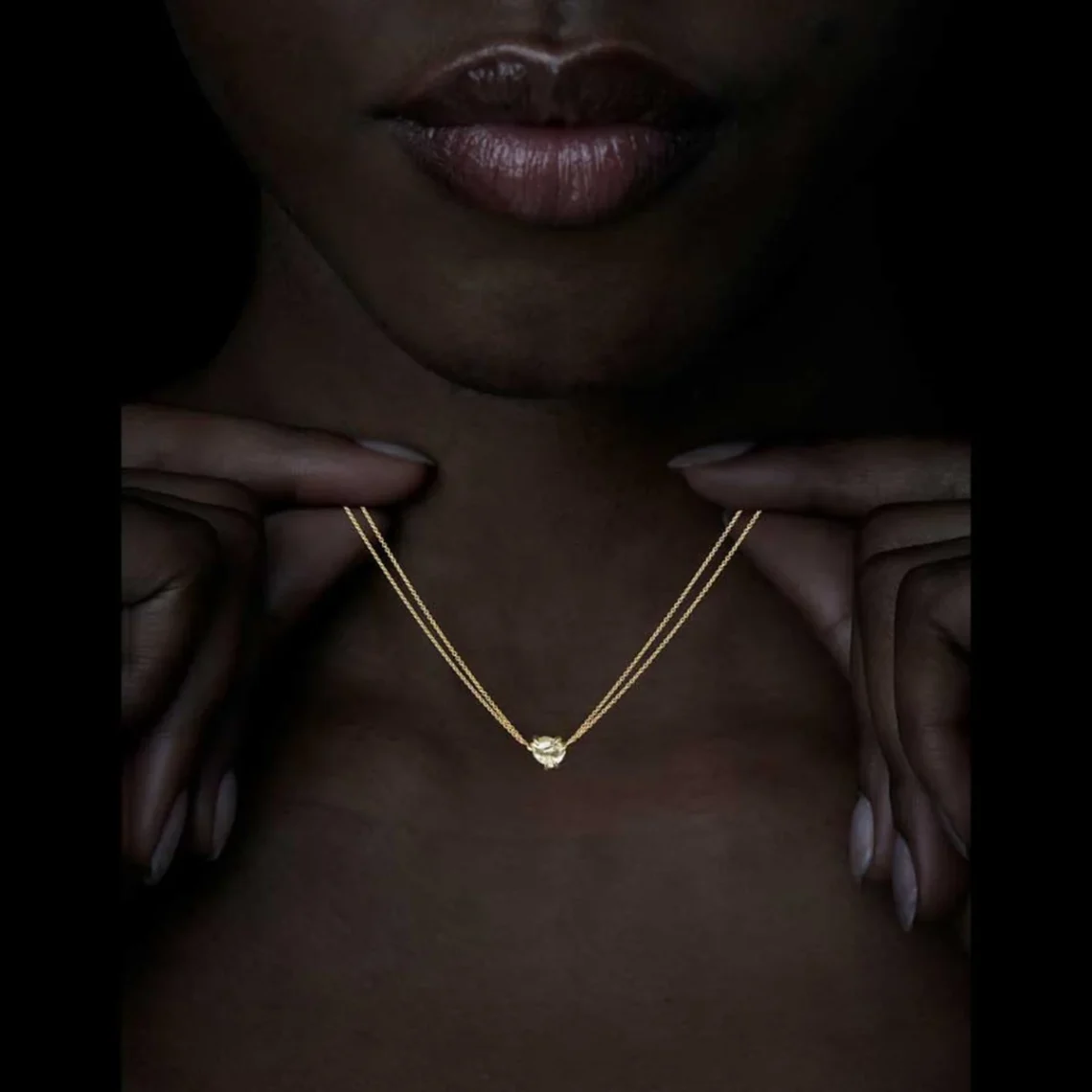
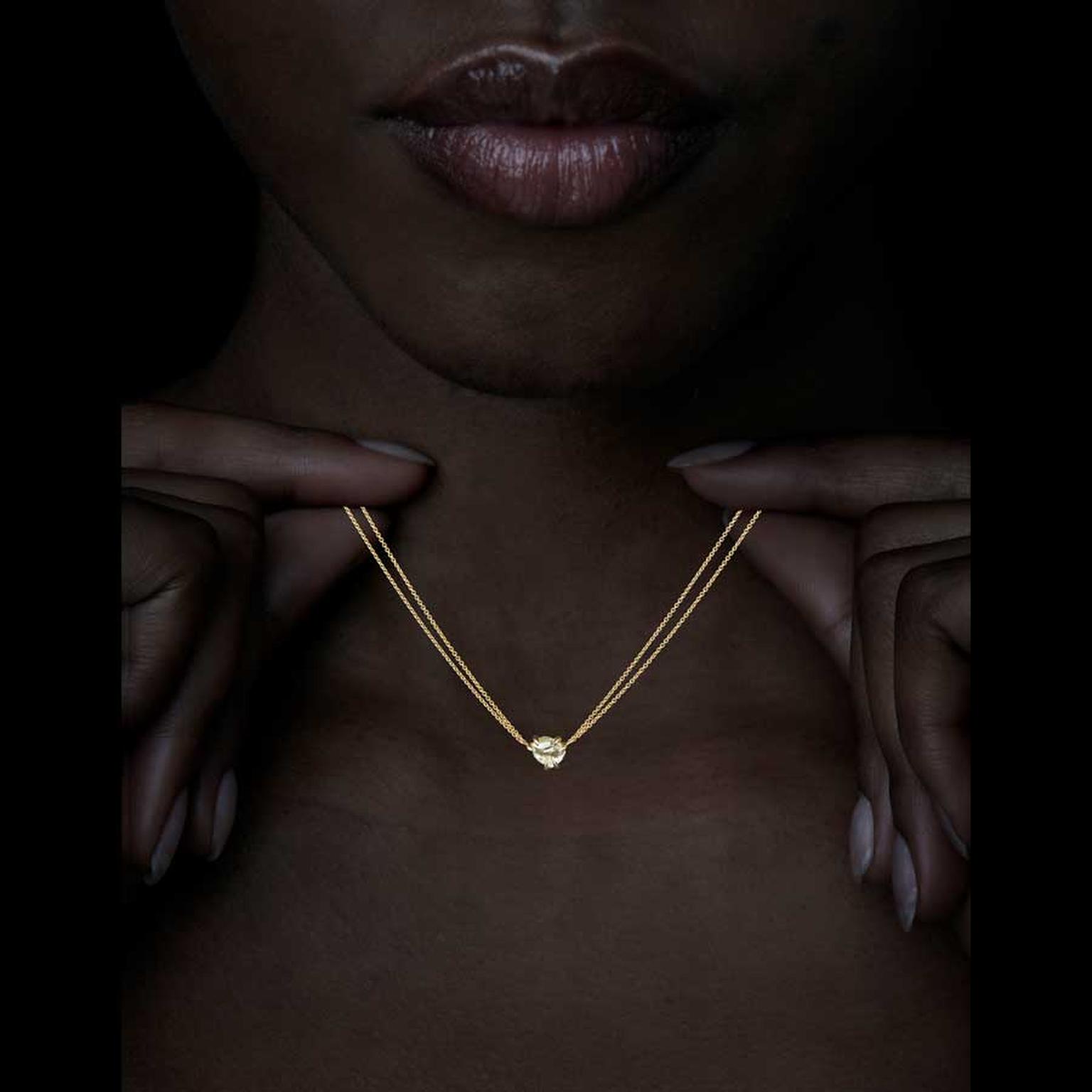
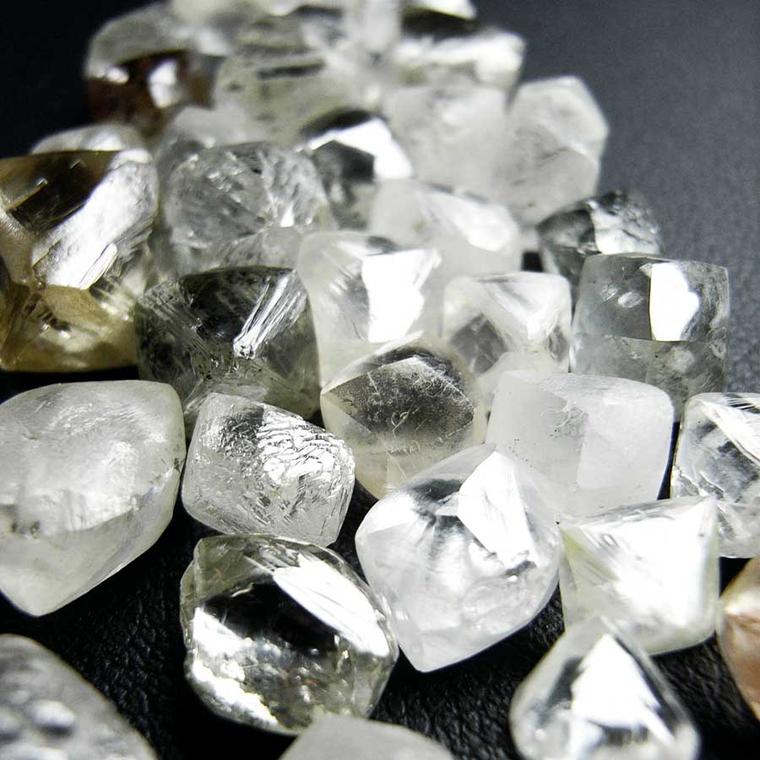
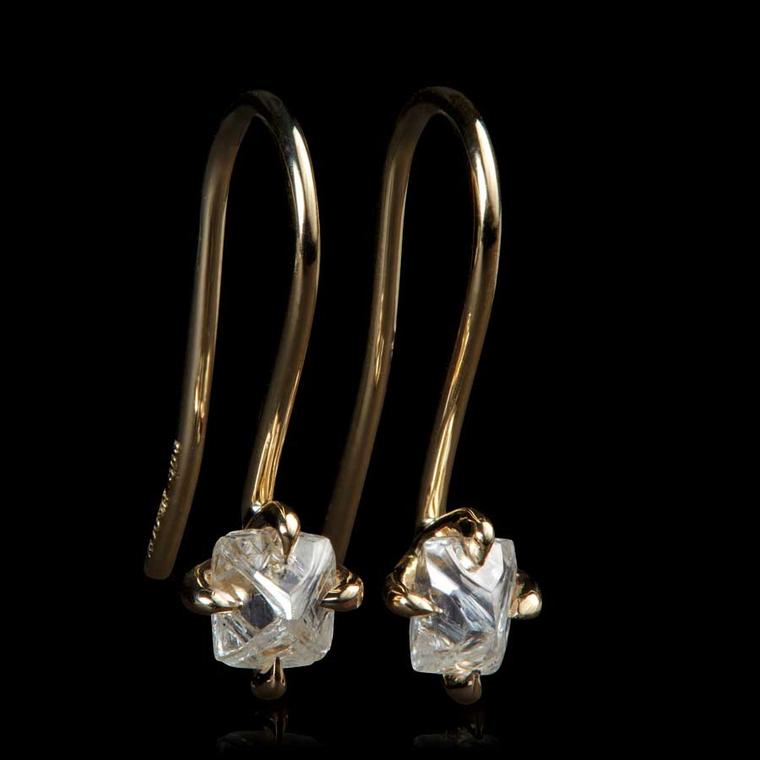
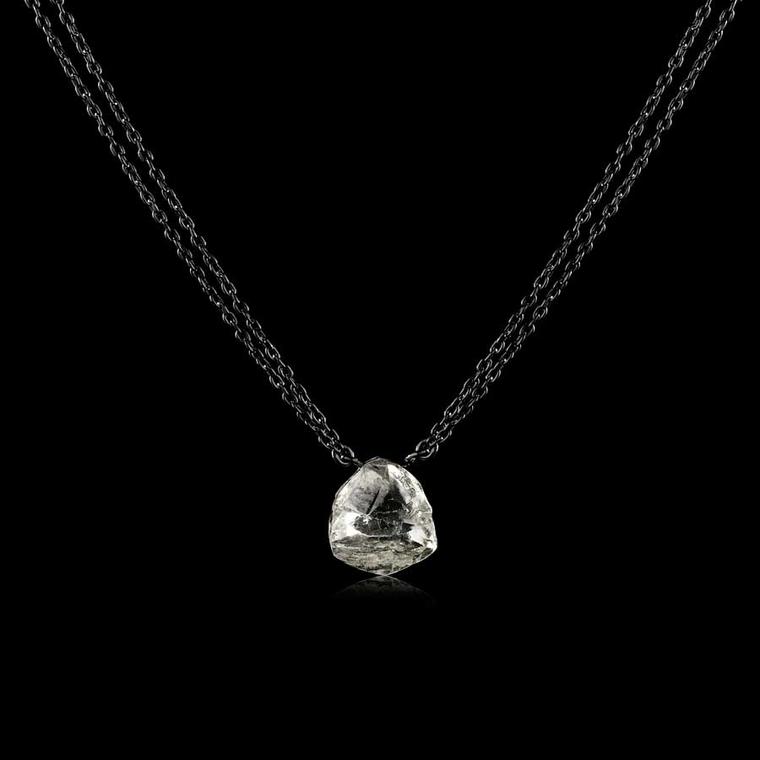
This "ancient energy" is the cornerstone of the RoughDiamonds.dk aesthetic. Each piece is a testament to the fact that beauty does not require symmetry. Whether gnarled, nubby, angular, or smooth, each stone is a one-of-a-kind creation formed over billions of years. By eschewing the cutting wheel, the brand preserves the internal history of the stone, including inclusions that look like frozen foam, miniature crystals, or even abstract patterns—features that traditional jewelers would deem "flaws."
A Chronology of Disruption: From Hippy Roots to Global Niche
Maya Bjørnsten’s journey into the world of high jewelry is as unconventional as her designs. Her childhood, spent in a Danish hippy commune, fostered a perspective that viewed the world through nuance rather than black-and-white absolutes. This upbringing deeply informs her design ethos today.
- 2007: Maya Bjørnsten founds RoughDiamonds.dk in Copenhagen, pioneering the exclusive use of unpolished diamonds.
- The Early Years: Operating as a self-taught jeweler, Bjørnsten navigates a skeptical market, leveraging her background in film production and advertising to communicate the unique value proposition of raw gems.
- Building Alliances: Through sheer persistence and a unique vision, Bjørnsten establishes direct, high-trust relationships with diamond dealers in Antwerp. This allows her to bypass the bulk-commodity market and hand-select specific, individual stones.
- The Expansion: Over the following decade, the brand builds an international reputation. By the mid-2020s, despite the digital age’s push toward homogenization, sales in the UK and USA triple, signaling a global shift in consumer taste.
- 2026: The brand cements its status as a leader in "quiet luxury," proving that the appetite for bespoke, story-driven jewelry is stronger than ever.
Supporting Data: The Anatomy of a Rough Diamond Jewel
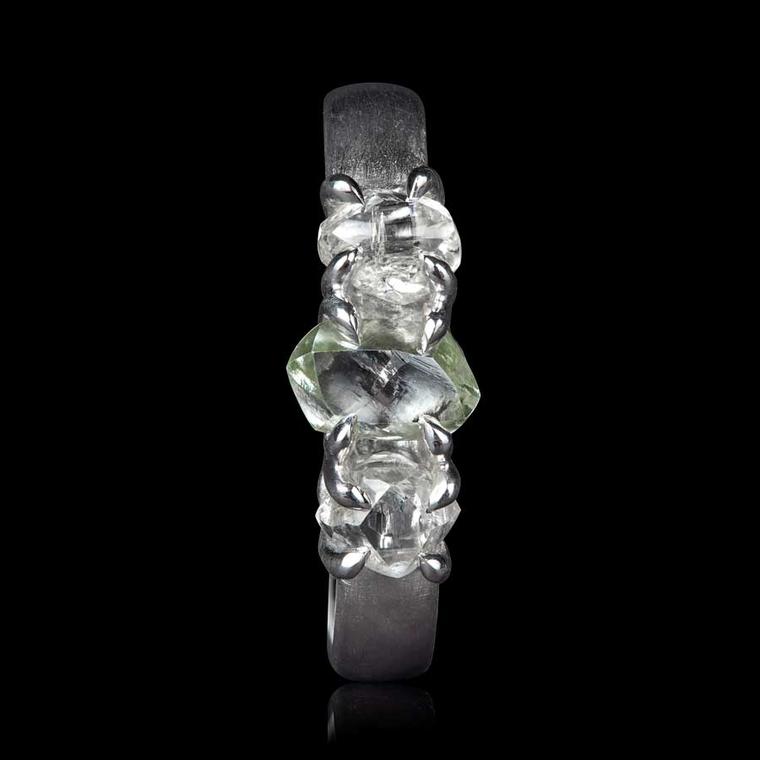
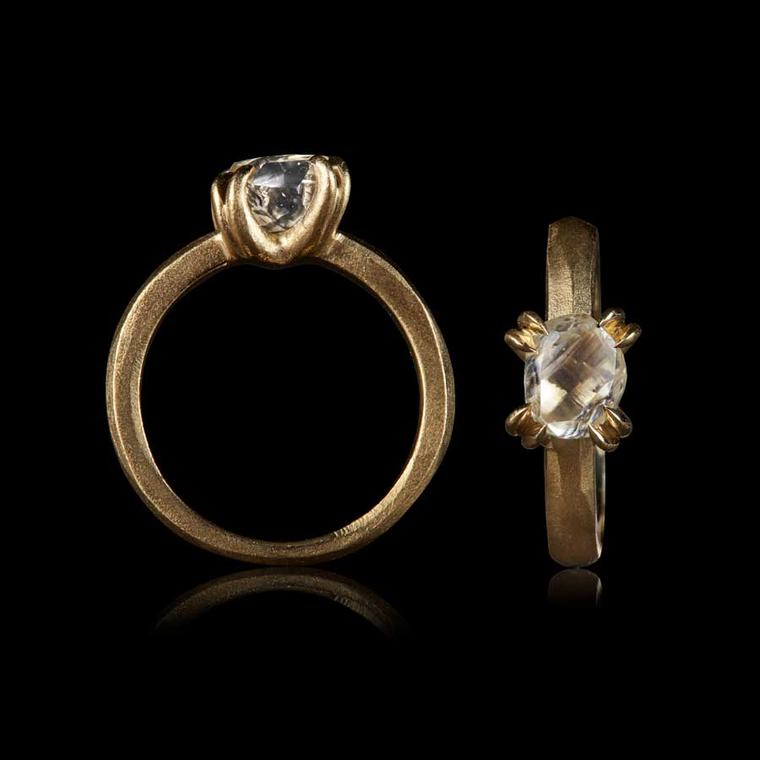
The production process at the Copenhagen boutique is a masterclass in adaptation. Unlike traditional settings, where a jeweler might use standardized settings for calibrated stones, every mount at RoughDiamonds.dk is hand-sculpted in recycled gold to fit the specific, irregular anatomy of the selected crystal.
Technical Challenges in Crafting
Because there is no formal schooling for setting rough diamonds, Bjørnsten and her team of three goldsmiths developed their own techniques. Designing around an irregular crystal requires a "different artistic mindset," as the jeweler must honor the stone’s natural silhouette rather than forcing it into a geometric cage.
Ethical Sourcing
In an industry often fraught with controversy, transparency is non-negotiable. Because Bjørnsten hand-selects every parcel, she is able to trace the origin of her stones with a level of detail that larger, conventional houses struggle to achieve. By working exclusively with RJC-approved (Responsible Jewellery Council) suppliers and utilizing only recycled gold, the brand aligns its production process with the modern consumer’s demand for sustainability and ethical accountability.
Official Perspectives: The Founder’s Vision
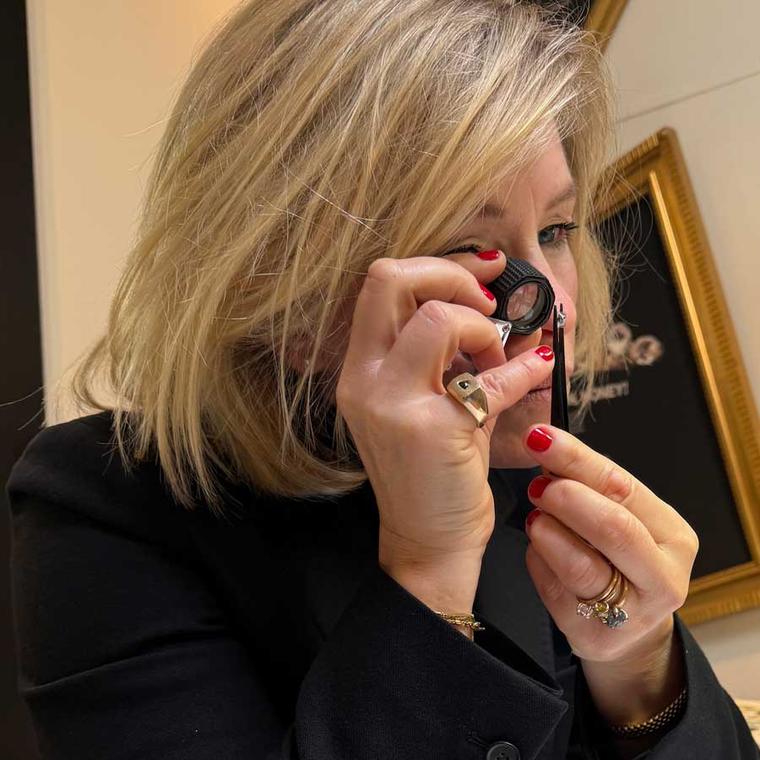
Maya Bjørnsten views her work as a bridge between the geological past and the personal future. Her role, she suggests, is that of a curator rather than a manufacturer.
"I’m not seeking standard calibration," Bjørnsten says. "I’m looking for distinct personalities, unique crystal habits, fascinating textures, and the way a stone catches the light. My clients don’t want a badge of wealth; they want a truly unique extension of their identity."
This sentiment is echoed in the brand’s business model. While they offer a curated selection of ready-to-wear pieces, a significant portion of their business is bespoke. In one notable instance, Bjørnsten spent over 18 months hunting for the "perfect" stone to satisfy a specific client’s vision. This level of dedication has transformed the brand from a boutique jeweler into a partner for life-milestones.
Implications for the Diamond Industry
The rise of RoughDiamonds.dk arrives at a critical inflection point for the diamond trade. With the rapid growth of lab-grown diamonds, which are chemically identical to their natural counterparts but lack the "history" of geological formation, the market is undergoing a seismic shift.
The Contrast to Lab-Grown Alternatives
Lab-grown diamonds are characterized by their extreme precision and purity. However, this perfection can feel sterile to consumers who are increasingly craving authentic, "human" narratives. RoughDiamonds.dk offers the antithesis: a natural product that is inherently imperfect, highly textured, and impossible to replicate in a laboratory setting.
The Shift to "Personalized Luxury"
The data points to a broader trend: a move away from status-driven, homogenized luxury toward "storytelling" luxury.
- Generational Values: Older buyers are focused on the legacy aspect, wanting pieces that can be passed down as heirlooms with distinct personalities.
- Individualism: Younger buyers are rejecting the "one-size-fits-all" approach, preferring jewelry that acts as an amulet or a marker of personal identity rather than a signifier of economic standing.
Conclusion: Loving It "As It Is"
As the world becomes more digitized and mass-produced, the appeal of the raw and the real is only likely to grow. RoughDiamonds.dk has successfully turned the "imperfections" of nature into a sophisticated, modern luxury language.
By maintaining their niche, Bjørnsten has not only preserved the ancient beauty of the diamond but has also validated a different way of living—one where we stop trying to "perfect" the world around us and instead learn to appreciate it as it is. Whether it is a 3.27-carat necklace on a black rhodium chain or a simple white gold ring, the brand reminds us that the most valuable things are those that carry their own history, waiting for us to add the next chapter.
In the words of Maya Bjørnsten, as she looks toward the future of her atelier: "Once consumers appreciate individuality over standardization, they don’t go back." For the clients of RoughDiamonds.dk, the search for the perfect diamond has ended, not because they found a flawless stone, but because they found one that was perfectly, uniquely themselves.