

By the Editorial Desk | Automotive & Petrolhead Corner
Main Facts: A Return to Pure, Analog Motoring
In an era dominated by heavy hybrid systems, artificial intelligence interfaces, and battery electric vehicles (BEVs) frequently criticized as characterless kitchen appliances on wheels, the automotive landscape has largely lost touch with the purist. Modern supercars and hypercars boast staggering figures—often eclipsing 1,000 horsepower and costing the equivalent of multiple real estate properties—yet these astronomical metrics come with a steep caveat. They are simply too fast, too complex, and too intimidating to be genuinely enjoyed on public roads.
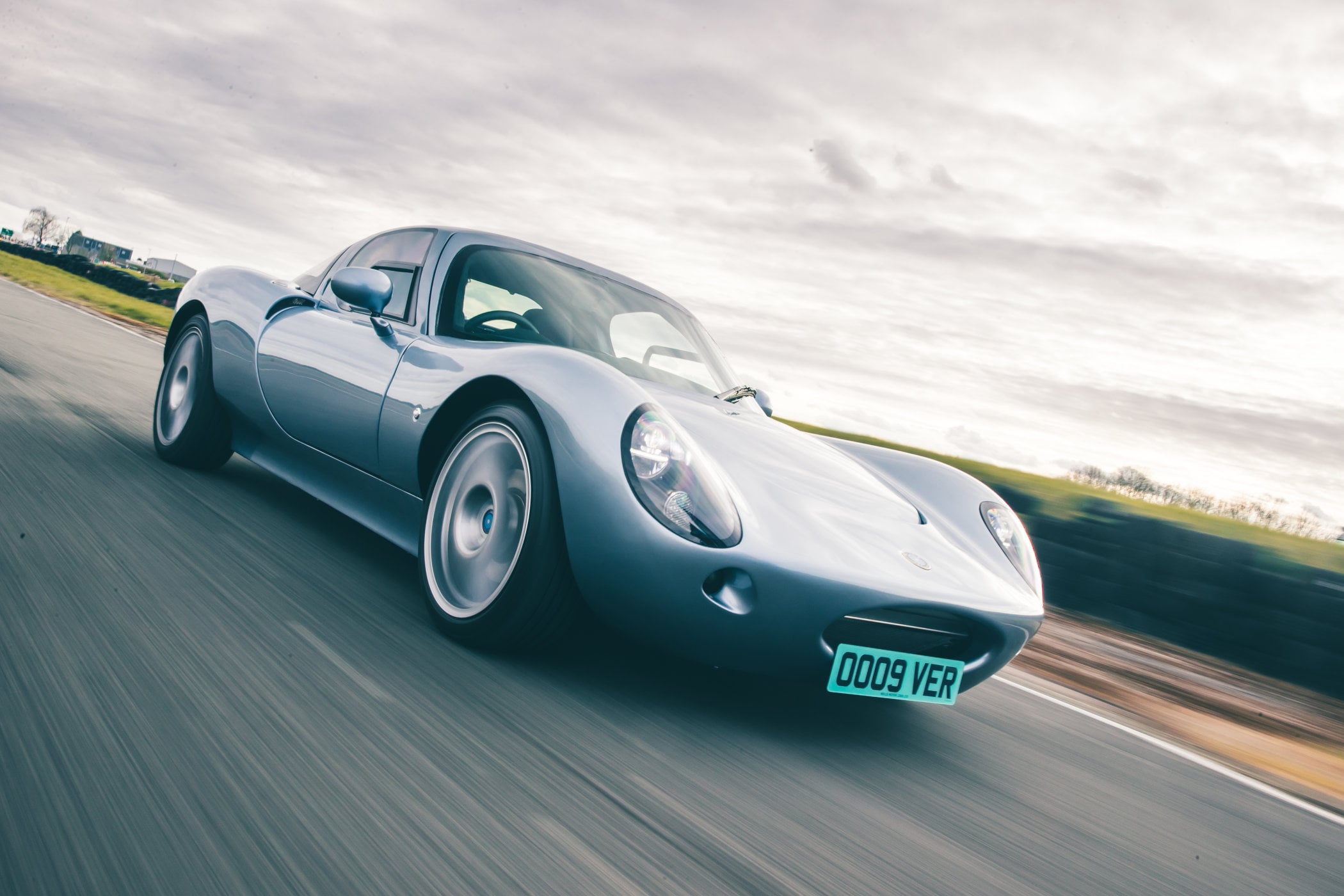
Enter the Wells Vertige Series 2: a lightweight, compact, mid-engined British sports car designed to reclaim the visceral joy of driving. Hand-built in the United Kingdom, the Vertige strips away unnecessary digital wizardry and excessive power matrices in favor of what enthusiasts have yearned for—pure, unfiltered mechanical engagement.
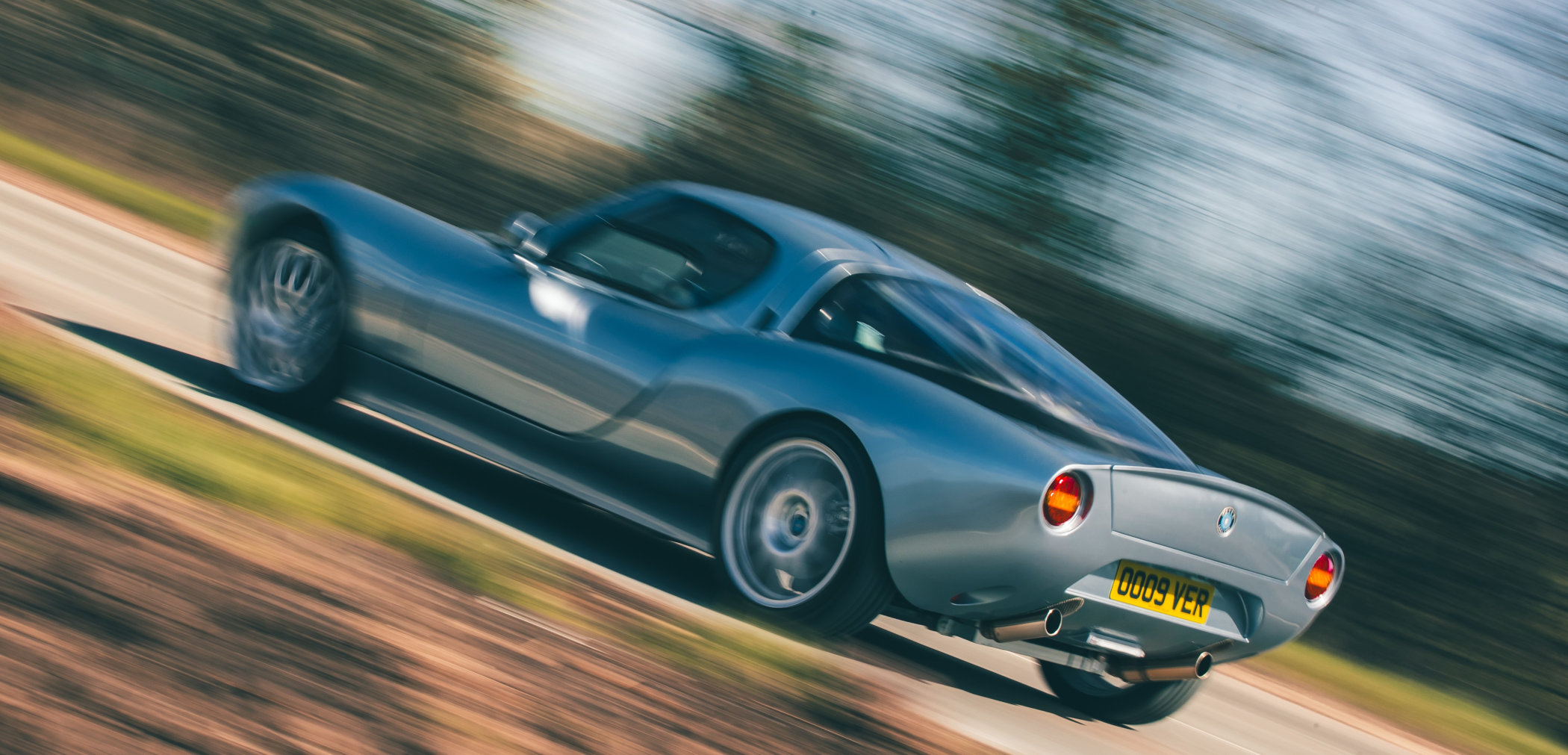
Powered by a naturally aspirated, all-aluminium 2.5-litre Ford Duratec four-cylinder engine equipped with individual throttle bodies and polished trumpets, the Series 2 produces 225 horsepower and 200 Nm of torque. While these figures may look modest next to contemporary hypercar data sheets, they are paired with a dry weight of just 850 kilograms. The result is a 0-100 km/h (0-62 mph) sprint achieved in a brisk 4.8 seconds and a top speed of 140 mph (225 km/h)—performance that a driver can actually exploit, explore, and master on real-world roads. Starting at an accessible £85,000 including VAT, the Vertige offers a refreshing reality check for petrolheads who refuse to succumb to digital isolation.
Chronology: The Evolution of Wells Motor Cars
The genesis of the Vertige traces back to a personal quest. Frustrated by an industry-wide pivot toward heavy, digitized performance vehicles, founder Robin Wells spent years searching for a lightweight, pure, analog sports car that simply no longer existed in showrooms. Rather than compromising, Wells took matters into his own hands, establishing Wells Motor Cars in 2014.
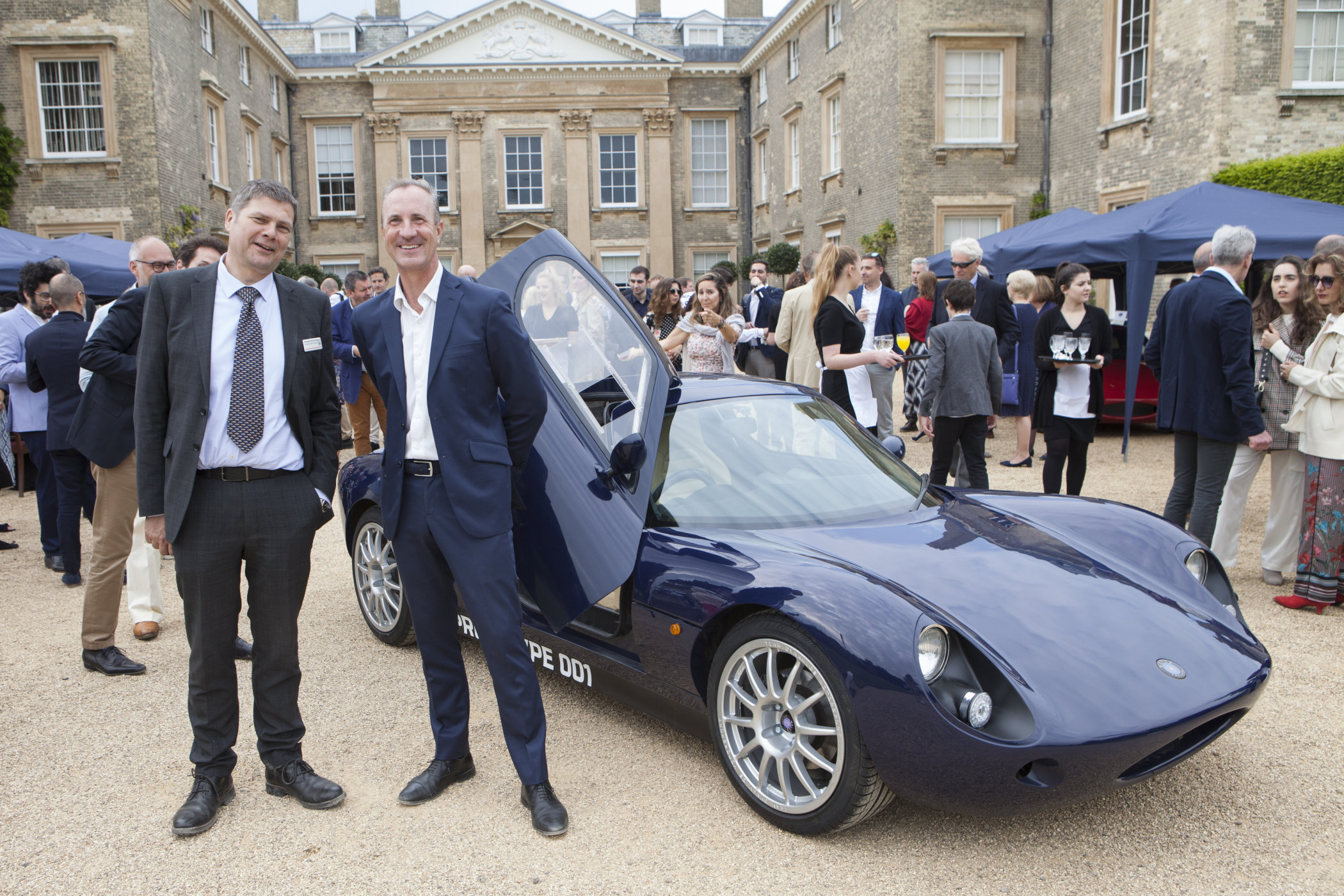
The turning point for the fledgling company came when Robin Hall, an experienced automotive engineer formerly of Jaguar, joined the enterprise. Together, the two founders merged their shared vision of dynamic purity with everyday usability. Following intensive design, engineering, and prototype phases, the original Wells Vertige made its public debut in 2021.
- 2021: The Vertige is publicly unveiled, initially offered to early-interest clients through a pre-allocated run of Founder’s Edition models.
- 2021–2025: Production commences on a limited run of 25 Launch Edition cars. Hand-built by a specialized team in the UK, every vehicle is claimed by eager buyers, with final deliveries concluding in 2025.
- Late 2025: Wells introduces an ultra-limited run of the Vertige R, featuring enhanced power outputs, which similarly experiences an immediate sell-out.
- The Present: Wells Motor Cars prepares for the official rollout of the Series 2 Vertige, featuring an upgraded engine configuration, a base output of 225 horsepower, and refined engineering designed to broaden its appeal without diluting its analog DNA.
Supporting Data: Engineering Specifications & Practicality
The brilliance of the Wells Vertige lies not in raw excess, but in meticulous weight management and balanced engineering. Below is a breakdown of the key specifications defining the Vertige Series 2:
| Specification Category | Details & Metrics |
|---|---|
| Engine Type | Naturally aspirated, all-aluminium 2.5-litre Ford Duratec 4-cylinder |
| Induction & Management | Individual throttle bodies with polished trumpets, bespoke ECU |
| Transmission | 6-speed manual gearbox, rear-wheel drive (RWD) |
| Power Output | 225 horsepower |
| Torque | 200 Nm |
| Dry Weight | 850 kg |
| 0–100 km/h (0–62 mph) | 4.8 seconds |
| Top Speed | 140 mph (225 km/h) |
| Chassis Construction | Central tub with rigid front and rear subframes |
| Suspension | Double wishbones all-round with adjustable toe and camber settings |
| Dimensions | Just shy of 4 meters in length |
| Practicality Features | 200-litre rear boot, twin 50-litre fuel cells, full-size spare wheel |
| Base Price | £85,000 (including VAT, excluding bespoke options) |
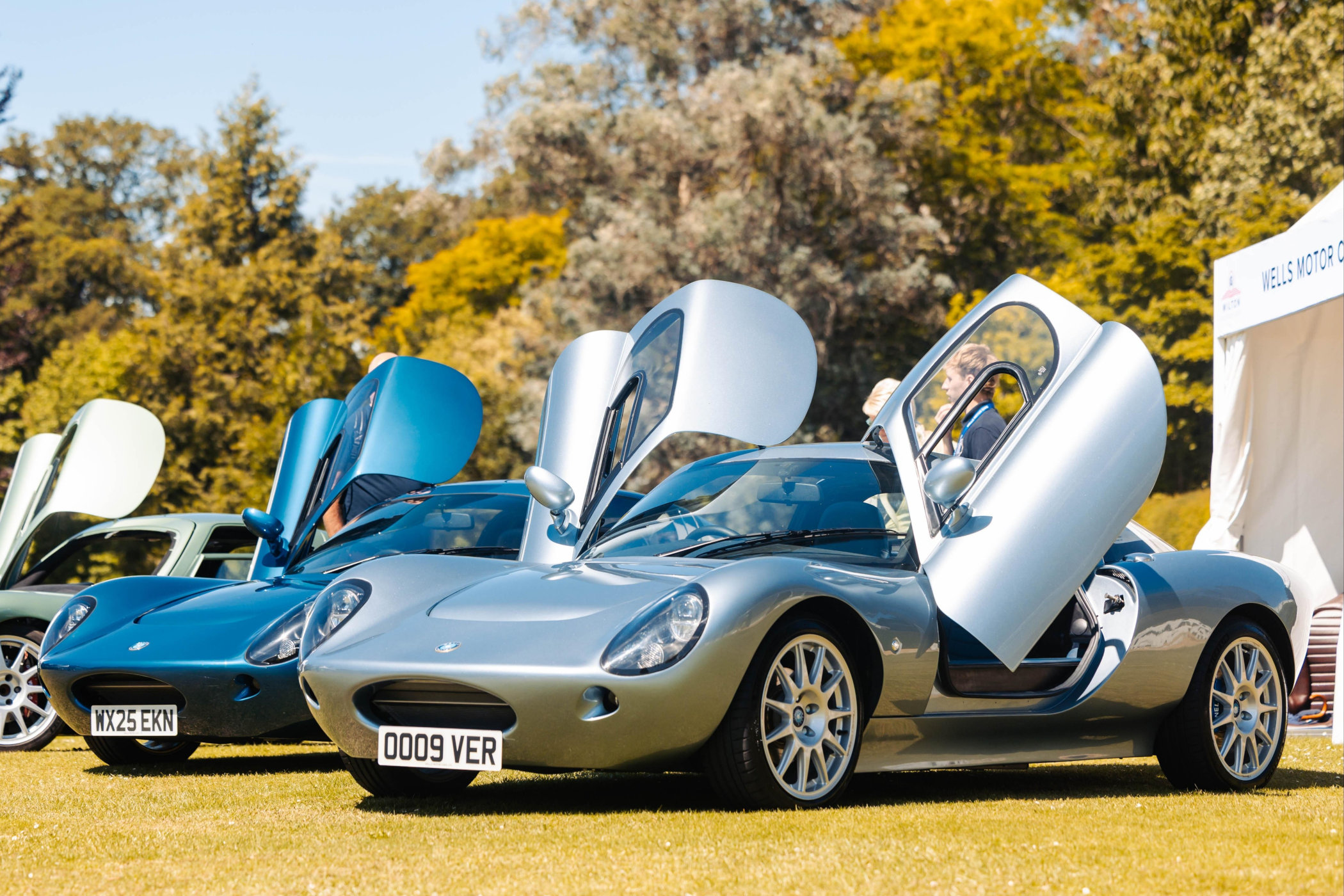
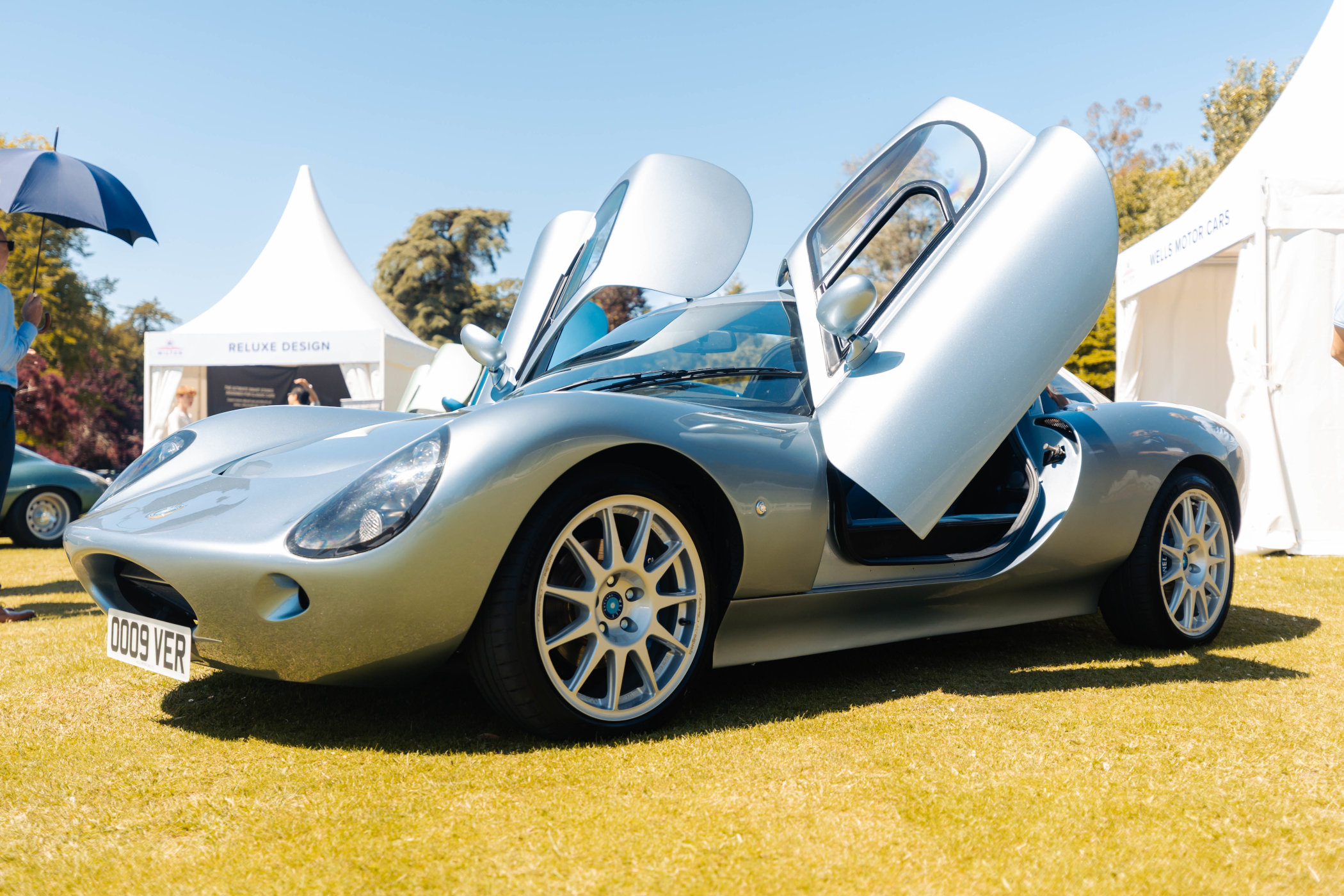
Despite its compact dimensions and uncompromising focus on driving dynamics, the Vertige refuses to abandon real-world civility. Cabin access is granted via dramatic dihedral doors—reminiscent of the legendary McLaren F1—which open to reveal a surprisingly airy interior. Drivers are treated to fine leather sports seats with multi-way adjustability, a curved windshield offering exceptional forward visibility, and modern conveniences such as Bluetooth connectivity, Apple CarPlay, Android Auto, wireless/USB charging, satellite navigation, and air conditioning.
Furthermore, packaging ingenuity ensures that the Vertige remains viable for grand touring. Behind the transversely mounted mid-engine sits a 200-litre luggage compartment, complemented by twin 50-litre fuel cells and a full-size spare tire—amenities virtually unheard of in lightweight, track-focused boutique sports cars.
Official Perspectives: The Philosophy of Robin Wells and Robin Hall
The ethos of Wells Motor Cars has always been deeply rooted in the personal driving philosophies of its creators. Speaking on the motivations behind the brand, Robin Wells and Robin Hall have consistently emphasized that modern automotive development has suffered from a collective detachment from the tactile experience of driving.
"We set out to build the car we wanted to drive, but couldn’t find on the market," the founders noted during developmental milestones. Their objective was never to chase top-speed records or lap times on the Nürburgring that carry zero relevance to daily ownership. Instead, the focus was centered squarely on feedback, agility, and connection.
By utilizing a tried-and-tested, highly responsive Ford Duratec power plant and mating it to a precise six-speed manual transmission, Wells Motor Cars deliberately rejected the complex, heavy battery packs and computer-controlled torque-vectoring systems plaguing contemporary performance vehicles. The official stance from the marque remains clear: a sports car should amplify the driver’s inputs, not filter them through layers of digital intervention. The engineering team’s choice of double-wishbone suspension with fully adjustable geometry reflects a commitment to bespoke set-ups, ensuring that every Vertige can be tailored to its owner’s specific driving style.
Implications: A Breath of Fresh Air in a Hyper-Digital World
The introduction of the Wells Vertige Series 2 arrives at a critical cultural and economic juncture for the automotive industry. As regulatory pressures tighten and electrification becomes mandatory across major global markets, the traditional sports car is facing an existential crisis. Simultaneously, the upper echelon of the market has drifted into an arms race of absurd valuations and hyper-exclusive, thousand-horsepower machines.
The Problem with Hypercar Excess
While a 1,000-horsepower hybrid hypercar makes for exceptional clickbait on social media platforms, its utility in the real world is virtually non-existent. Drivers attempting to pilot such machinery on public tarmac find themselves scrubbing speed almost instantly, operating at a fraction of the vehicle’s true potential while wrestling with the psychological terror of damaging a multi-million-dollar investment. Worse still, the massive speed differentials created by modern hypercars in everyday traffic have contributed to a noticeable rise in high-speed incidents fueled by driver error and artificial confidence aids.
The Vertige’s Cultural Counterweight
The Vertige offers a vital alternative. By pricing the car at £85,000, Wells Motor Cars has targeted a financial threshold that—while still a significant investment—represents an attainable aspiration for dedicated enthusiasts over the course of a lifetime. It provides a platform where the driver can utilize 100 percent of the car’s performance envelope on twisting B-roads without instantly risking a custodial prison sentence or catastrophic financial loss.
In an automotive climate increasingly defined by touchscreen-heavy interiors, synthetic engine notes pumped through cabin speakers, and autonomous interventions, the Wells Vertige stands defiant. It proves that mechanical character, low weight, and analog steering feel are not dead—they are simply being kept alive by boutique manufacturers willing to swim against the digital tide. For the modern petrolhead, the Vertige is not merely a new car option; it is a much-needed breath of fresh air.