By Automotive News Desk
Updated and Expanded Analysis
As rising fuel prices, shifting consumer demands, and economic realities reshape the global automotive landscape, legacy manufacturers are rapidly recalibrating their long-term electrification strategies. Among them, Honda Motor Co. has emerged as a focal point of this industry-wide pivot.
While the Japanese automaker initially set its sights on a fully electric future, recent market corrections, soft electric vehicle (EV) demand, and steep financial headwinds have prompted a pragmatic course correction. Honda is officially abandoning its rigid goal of going exclusively EV-only by 2040, choosing instead to double down on hybrid-electric vehicles (HEVs).
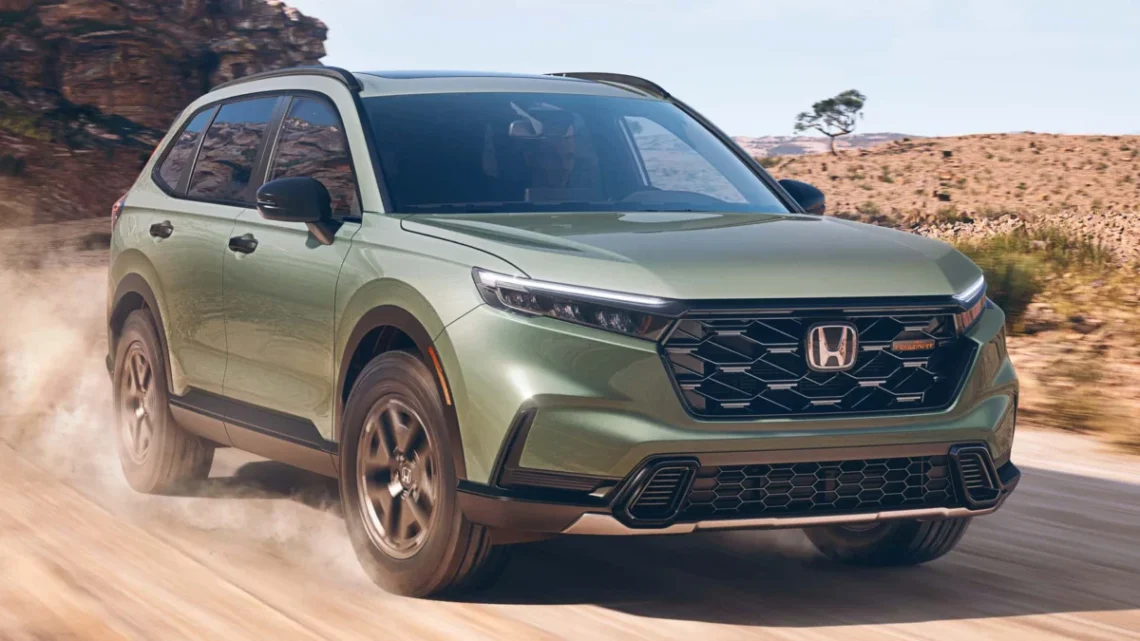
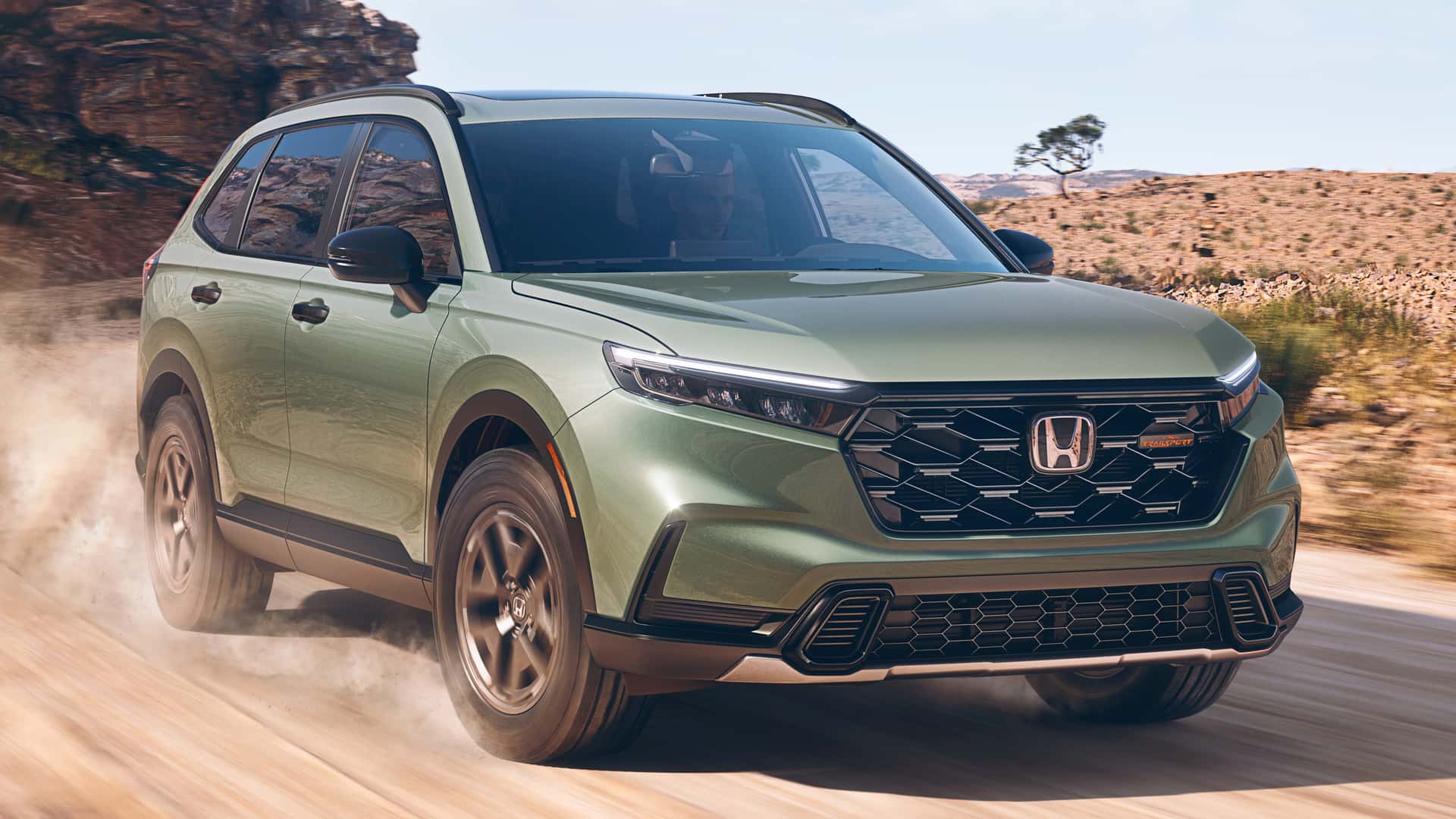
At the heart of this renewed focus is an entirely new, highly efficient, and cost-effective next-generation hybrid system. According to recent reports, production of the first vehicles utilizing this advanced technology—led by the immensely popular Honda CR-V hybrid—is slated to kick off significantly earlier than initially anticipated.
1. Main Facts: What We Know About Honda’s Next-Gen Hybrid Rollout
The core development centers on a sweeping overhaul of Honda’s hybrid architecture. Rather than relying on incremental updates to its current dual-motor setup, the automaker is engineering a ground-up platform and powertrain system designed to scale globally across up to 15 different models.
- The CR-V Leads the Charge: As Honda’s undisputed global and domestic sales juggernaut, the CR-V hybrid is expected to be one of the very first beneficiaries of this new technology.
- Accelerated Production Timeline: Industry reports originating from Nikkei Asia indicate that manufacturing of the next-generation CR-V hybrid will commence in Canada by February 2027, followed closely by production lines in the United States just one month later.
- Engineering Overhauls: Honda’s upcoming hybrid architecture is designed to be slimmer, lighter, and drastically cheaper to produce. The company projects a 10 percent reduction in fuel consumption alongside a massive 30 percent cut in manufacturing costs compared to current systems.
- Engine Development: The ecosystem will rely on newly developed 1.5-liter and 2.0-liter four-cylinder engines, alongside a more robust powertrain architecture—potentially pairing with an all-new V6 engine—to handle larger heavy-duty and light-truck applications in the North American market.
- The Acura Connection: Reports also point to a luxury spin-off based on the CR-V platform, widely expected to serve as the long-awaited successor to the Acura RDX, potentially adopting an exclusively hybrid product strategy.
2. Chronology of the Shift: From EV-Only Ambitions to Hybrid Dominance
To fully understand the gravity of Honda’s 2027 production schedule, it is necessary to examine how the automaker’s strategic roadmap has evolved over the past several years.
The EV Push (2020–2023)
At the height of the global regulatory push toward zero-emission transportation, Honda announced aggressive timelines. The company pledged that 100% of its global vehicle sales would be battery-electric vehicles (BEVs) or fuel-cell vehicles (FCEVs) by 2040. Billions of dollars were earmarked for battery development, joint ventures, and North American manufacturing facility retooling.
The Market Reality Check (2024–2025)
By late 2024 and throughout 2025, economic realities set in. Growth in the consumer EV sector slowed down globally due to high vehicle acquisition costs, lagging public charging infrastructure, and the rollback or expiration of various government subsidies. Honda experienced significant financial strain from its early EV initiatives, leading to the cancellation of several collaborative projects and unreleased EV models.
The Hybrid Boom and the 2026 Business Update (2026)
As consumers flooded dealerships looking for fuel-efficient alternatives to offset volatile gas prices, Honda’s existing hybrid lineup—featuring the CR-V, Civic, and Accord hybrids—began selling at record paces. Recognizing that hybrids served as a vital bridge for consumers not yet ready to commit to pure EVs, Honda formally pivoted in its 2026 Business Update. The company discarded the 2040 EV-only mandate and committed to deploying its next-generation HEV systems starting in 2027.
3. Supporting Data & Engineering Metrics
Honda has been relatively guarded regarding the complete specifications of its upcoming hybrid hardware, but corporate disclosures and leaked technical briefs paint a clear picture of what engineers have achieved.
Efficiency Meets Economy
The primary challenge of modern hybrid development is balancing thermal efficiency with affordability. Honda’s upcoming powertrain targets two critical metrics:
- 10% Fuel Consumption Reduction: By optimizing thermal management, integrating lighter electric motor components, and improving regenerative braking systems, the next-generation system will squeeze significantly more miles out of every gallon.
- 30% Production Cost Reduction: By standardizing the platform components and simplifying the mechanical integration of the electric and internal combustion elements, Honda expects to drive down manufacturing overhead. This cost savings can either be passed on to the consumer to maintain competitive pricing or retained to offset corporate R&D expenditures.
Scalable Powertrains for Every Segment
Honda is tailoring its internal combustion engine (ICE) lineup to complement the new electric architecture:
- Compact and Midsize Vehicles: The revamped 1.5-liter and 2.0-liter naturally aspirated and turbocharged four-cylinder powerplants will form the backbone of cars like the Civic, Accord, and CR-V.
- Large Vehicles and Performance Applications: Rumors and recent patent filings confirm that Honda is also developing a brand-new V6 engine. This larger block will likely be deployed in upcoming trucks, large SUVs, and heavy-duty crossovers—such as the next-generation Honda Passport and Pilot—ensuring that even utility vehicles benefit from heavy electrification without sacrificing towing capacity or utility.
4. Official Responses and Corporate Stance
When Motor1 reached out to corporate representatives regarding the Nikkei Asia report concerning the February 2027 Canadian production timeline, Honda issued a carefully worded official statement:
"This was not announced by Honda. While we cannot comment on specific future product plans, as outlined in our 2026 Business Update, Honda remains on track to introduce next-generation HEV models beginning in 2027, featuring an all-new hybrid system and platform."
While the automaker stopped short of confirming the exact month and location of the initial CR-V rollouts, the statement implicitly validates the overarching timeline: 2027 remains the watershed year for Honda’s hybrid renaissance. The company is eager to signal stability and forward momentum to investors and consumers alike, ensuring the market knows that its transition to next-generation hybrid power is locked in.
5. Strategic Implications for the Market and Competitors
Honda’s aggressive stance on hybrids carries profound implications for the wider automotive industry, particularly in North America.
The Toyota Playbook
For years, Toyota dominated the hybrid space, reaping massive financial rewards while competitors scrambled to build dedicated EV assembly lines. By pivoting heavily back toward hybrids—and specifically targeting high-volume segments like compact crossovers—Honda is effectively mirroring Toyota’s successful playbook.
If rumors prove true and upcoming models like the CR-V and the next-generation Acura RDX adopt only hybrid powertrains (much like Toyota’s modern RAV4 strategy), it will represent a definitive cultural shift. It proves that automakers no longer view hybrids merely as compliance vehicles, but as permanent profit centers and long-term pillars of sustainable mobility.
Mitigating Risk in Uncertain Regulatory Climates
With political landscapes and emissions regulations prone to sudden shifts, investing in flexible hybrid architecture allows Honda to hedge its bets. Hybrids significantly lower corporate average fuel economy (CAFE) numbers without requiring the consumer to alter their driving habits or rely on home charging stations. This versatility insulates Honda against sudden supply chain shocks or changes in government EV tax incentives.
The Winning Bet
Motor1’s editorial analysis hits the nail on the head: Putting the new hybrid system into the CR-V is a masterclass in operational efficiency. As Honda’s best-selling model globally, the CR-V guarantees immediate production volume. By funneling its most advanced engineering dollars into its most popular vehicle, Honda ensures maximum return on investment while delivering precisely what the market is clamoring for.
As February 2027 draws closer, all eyes will be on Honda’s Canadian and American manufacturing plants as the automaker officially turns the page on a new, highly electrified chapter of its corporate history.