DETROIT, Michigan — In a sweeping series of executive shuffles that signals a critical pivot in its North American operations, Stellantis has announced major leadership changes across its core American automotive brands. The high-stakes realignment brings back several veteran executives as the multinational automaker aggressively prepares to roll out an expansive product offensive under its newly minted "FaSTLAne 2030" roadmap.
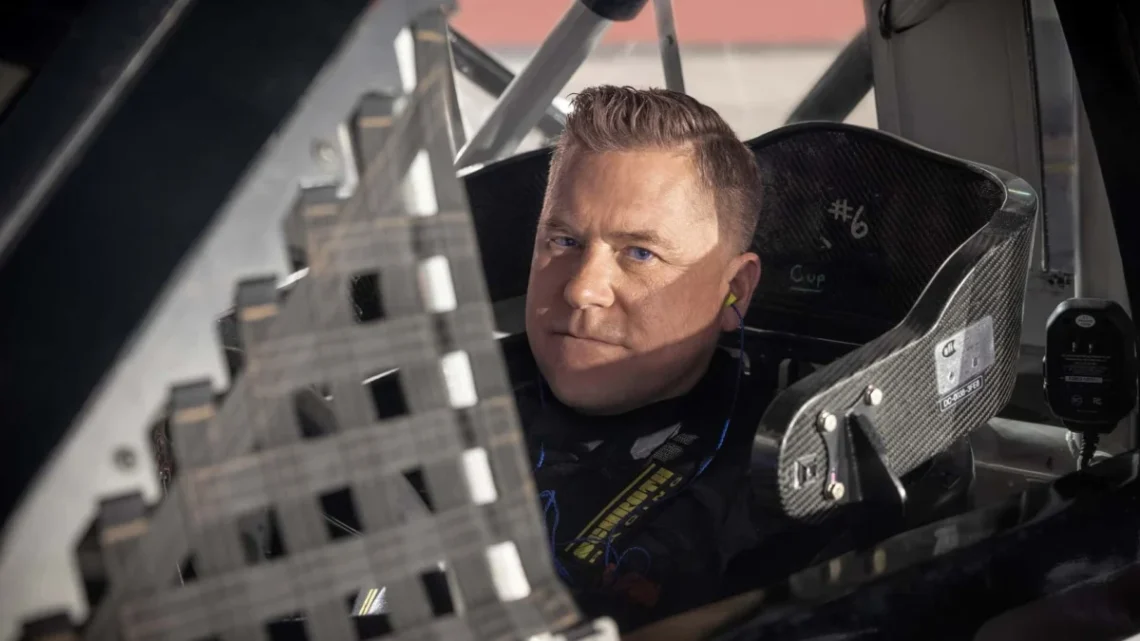
At the heart of the reorganization is Tim Kuniskis, the industry veteran widely recognized for steering Dodge and the high-performance SRT division through their modern
golden era of horsepower. Kuniskis has been promoted to the newly defined position of Chief Commercial Officer for Stellantis’s American operations. Meanwhile, Bob Broderdorf—a seasoned 25-year company executive who previously headed the Jeep brand—is making a highly anticipated return to active duty following a brief medical leave that began mid-year.
Instead of stepping back into his former role at Jeep, Broderdorf is returning to his roots, taking the helm as the head of Dodge. The leadership adjustments also solidify Matt McAlear’s role as the exclusive head of Chrysler, freeing him up to guide the historic brand through an overdue and much-needed product renaissance.
The cascading changes come at a crucial juncture for Stellantis, which is attempting to revitalize its American market share, streamline its brand identities, and win back consumer enthusiasm following a turbulent period of executive turnover and shifting electrification strategies.
Main Facts: The Leadership Lineup and Structural Shifts
The structural reorganization implemented by Stellantis touches nearly every facet of its domestic brand portfolio. The core changes include:
- Tim Kuniskis Appointed Chief Commercial Officer: The former head of the American brand and SRT division has taken on an overarching commercial leadership role, overseeing the strategic direction of Stellantis’s diverse portfolio as the company readies a massive vehicle rollout.
- Bob Broderdorf Returns to Lead Dodge: After taking a medical leave of absence in July—during which Branden Coté stepped in temporarily—Broderdorf is officially back. He takes over Dodge, where he previously oversaw production planning and famously managed the launch of the original Hellcat engine more than a decade ago.
- Matt McAlear Dedicated Solely to Chrysler: McAlear, who temporarily handled both Dodge and Chrysler following the departure of former chief Christine Feuell in March, will now focus entirely on Chrysler. Stellantis executives emphasized that turning Chrysler around requires full-time, undivided leadership.
- Matt VanDyke Retains Command of Ram: VanDyke remains at the helm of the truck and commercial vehicle brand as it introduces heavy-hitting new models and high-performance variants.
The reorganization is designed to eliminate split focuses among top executives, placing battle-tested corporate veterans at the controls of specific brands just as Stellantis prepares to flood the market with competitive new nameplates.
Chronology: From Summer Sidelining to the Fall Realignment
To understand how this leadership puzzle came together, it is necessary to retrace the timeline of executive movements that have defined Stellantis’s North American division over the past year:
- Early 2024: Tim Kuniskis initially retired from Stellantis after a storied career spanning over three decades within Chrysler, Dodge, Ram, and Jeep. His retirement sent shockwaves through the enthusiast community, where he was celebrated as the "father of the Hellcat."
- March 2024: Christine Feuell stepped away from her position as head of Chrysler, prompting Matt McAlear to take on dual leadership responsibilities for both Dodge and Chrysler.
- July 2024: Bob Broderdorf, then leading Jeep, was forced to step away temporarily to manage an unexpected health issue, leading Stellantis to appoint Branden Coté as interim CEO for the brand.
- Late 2024: Following a broader corporate shakeup that saw the departure of former global CEO Carlos Tavares, Stellantis successfully coaxed Tim Kuniskis out of retirement. Kuniskis returned to take charge of the Ram brand by the end of the year, stabilizing operations during a period of transition.
- Current Realignment: With Broderdorf successfully winning his health battle and returning to the corporate fold, Stellantis finalized a comprehensive leadership restructuring. This transition moves Kuniskis into the Chief Commercial Officer role, positions Broderdorf at Dodge, and frees McAlear to concentrate exclusively on Chrysler’s upcoming multi-vehicle expansion.
Supporting Data: The "FaSTLAne 2030" Product Assault
The timing of these executive appointments is far from accidental. Stellantis is racing to implement its ambitious FaSTLAne 2030 strategic plan, an aggressive product roadmap tailored specifically for the North American market. The core objective of the FaSTLAne initiative is to re-establish the company’s competitive edge by introducing 11 entirely new vehicles to the United States and Canada over the next several years, with a heavy emphasis on affordability and performance.
Affordable Mobility
A critical pillar of the FaSTLAne 2030 strategy addresses consumer pushback against soaring vehicle prices. Stellantis has committed to launching seven new vehicles priced under $40,000, a move aimed at capturing budget-conscious buyers who have been increasingly priced out of the new car market.
Chrysler’s Long-Awaited Renaissance
For years, critics have pointed to Chrysler as a brand on life support, its domestic showroom footprint reduced almost entirely to a single product: the Pacifica minivan. Under Matt McAlear’s dedicated leadership, Chrysler is preparing to burst out of its single-model stagnation with three new additions, including the production-bound Airflow crossover and two distinct variants of the Arrow. These vehicles are intended to transform Chrysler from a niche minivan manufacturer into a diversified, multi-segment player once again.
Dodge: Muscle, Hot Hatches, and the Hellcat Legacy
Dodge is doubling down on its enthusiast roots while simultaneously expanding its market footprint. McAlear previously confirmed that the brand is introducing the GLH (Goes Like Hell) moniker to target the competitive sedan and hot-hatch market segments.
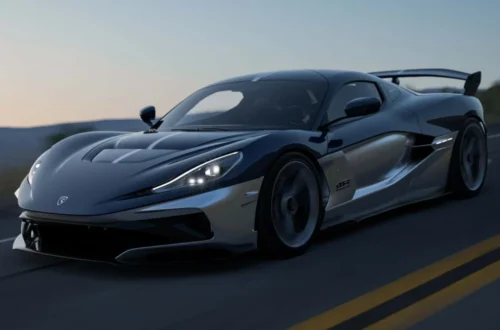
Simultaneously, the performance brand is fortifying the top end of its lineup. Bob Broderdorf steps into Dodge just as the brand prepares to launch a new iteration of the Hellcat, complete with a ferocious, supercharged Hemi V8 under the hood. Furthermore, a new halo vehicle is waiting in the wings to carry the torch for American muscle into the late 2020s.
Ram: Trucks, Pickups, and the Rumble Bee
Ram is expanding across multiple segments. In addition to developing two highly anticipated new pickups—the midsize Dakota and the compact Rampage—Ram recently electrified truck enthusiasts with the debut of the Ram Rumble Bee. Serving as a modern nod to classic street trucks, this lowered, high-performance variant of the full-size pickup unleashes an earth-shaking 777 horsepower via a supercharged 6.2-liter Hemi V8.
Official Responses and Executive Commentary
The human element of these leadership changes—particularly Bob Broderdorf’s recovery—was a prominent theme during internal communications and public statements. Tim Kuniskis did not hide his enthusiasm when discussing the return of his longtime colleague.
"First things first. Bob’s back after his recent health issue, and that’s the best news I’ve had all year," Kuniskis said in an emotional statement addressing the executive shuffle. "A whole lot of people had his back, and he fought like hell. Now he’s coming home to Dodge, and he’s the real deal."
Kuniskis also underscored the necessity of restructuring leadership around upcoming product launches, particularly regarding the challenges facing the Chrysler brand.
"And with Chrysler about to go from one product to a real lineup, we need Matt [McAlear] fully focused," Kuniskis added. "You don’t do that part-time."
The tone across Stellantis corporate communications reflects a blend of hard-nosed pragmatism and nostalgic brand loyalty. By placing seasoned executives who cut their teeth during the company’s most profitable eras back into command positions, Stellantis is betting heavily on institutional knowledge and proven leadership chemistry.
Industry Implications: Can Stellantis Turn the Tide in North America?
The broader automotive landscape is watching Stellantis closely. The North American market remains fiercely competitive, characterized by shifting consumer demand, tightening emissions regulations, and aggressive pricing wars initiated by both legacy automakers and electric vehicle startups.
For Stellantis, the strategy of leaning into legacy executive talent—such as Kuniskis and Broderdorf—represents a deliberate effort to reconnect with the core American consumer base. Over the past few years, critics argued that corporate decision-making had drifted too far from the enthusiast-driven culture that historically fueled the success of brands like Dodge, Ram, and Jeep.
By entrusting Dodge to Broderdorf—who helped launch the Hellcat phenomenon—and keeping Kuniskis at the highest commercial levels to oversee market strategy, Stellantis is signaling a return to the direct, high-impact marketing and product development style that resonated so strongly with buyers in the 2010s.
However, the road ahead is fraught with operational challenges. Transforming Chrysler from a one-vehicle brand into a robust four-vehicle lineup will require immense capital expenditure, flawless supply chain management, and precise quality control. Similarly, executing the FaSTLAne 2030 promise of delivering seven sub-$40,000 vehicles while maintaining healthy profit margins will test the financial acumen of Kuniskis and his commercial team.
Ultimately, these leadership changes are more than just a routine game of corporate musical chairs. They are the tactical deployment of trusted veterans into high-pressure zones. Whether this seasoned squad can successfully execute the FaSTLAne product blitz and restore profitability and passion to Stellantis’s American operations will dictate the company’s trajectory for the remainder of the decade.