For decades, the turboprop occupied a very specific, unglamorous niche in the global aviation ecosystem. Often likened to the rugged sport utility vehicles of the skies, these aircraft were celebrated for their utility rather than their elegance. They were the dependable workhorses deployed to haul heavy payloads out of impossibly short strips of asphalt, navigate high-altitude mountain airfields, and touch down on rough, unimproved dirt tracks where sleek, twin-engine business jets dared not tread.
Industry analyst Brian Foley once neatly summarized their hard-earned reputation: "They can take a lot of weight out of a very short field, a high field, and even an unimproved field. Like a rugged S.U.V."
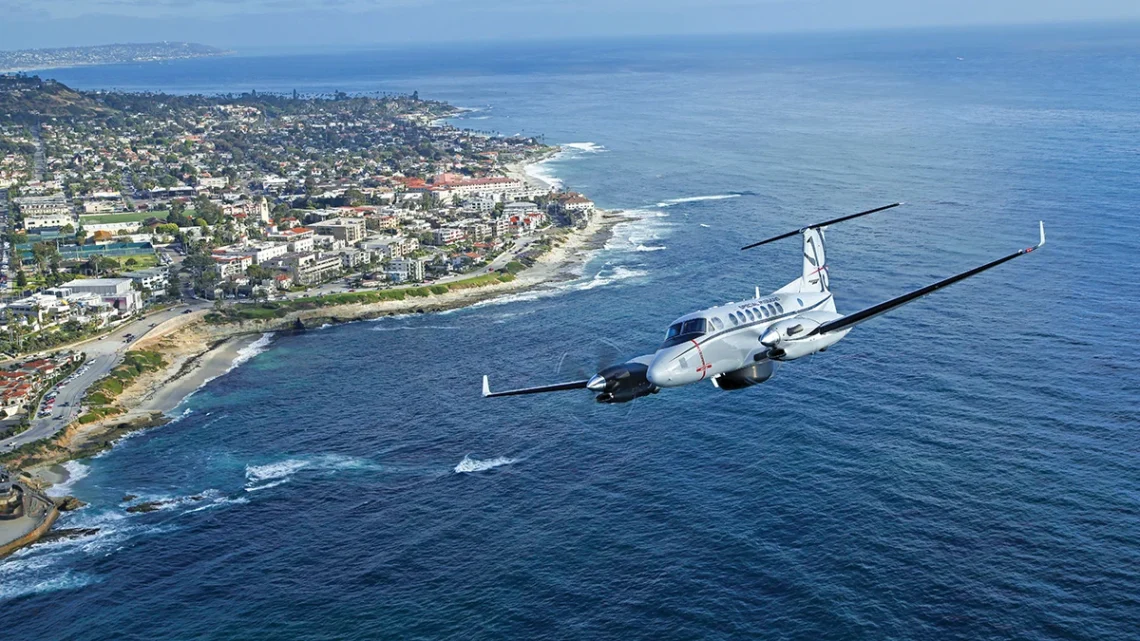
Yet, a profound transformation is quietly sweeping through the general aviation sector. A new breed of luxurious, highly sophisticated turboprops is challenging and ultimately shifting that utilitarian perception. Flagship aircraft such as the dual-engine Beechcraft King Air 360ER alongside cutting-edge single-engine models like the Beechcraft Denali, the Pilatus PC-12 Pro, and the Daher TBM 980 are completely redefining what passengers should expect from propeller-driven flight. By blending uncompromising short-field capability with ultra-luxurious cabin environments, state-of-the-art digital cockpits, and advanced safety systems, these manufacturers are successfully luring a brand-new demographic of buyers who previously wouldn’t look twice at a turboprop.
Main Facts: The Evolution of the High-End Turboprop
The contemporary high-end turboprop represents a masterclass in engineering convergence, marrying the rugged versatility of traditional utility planes with the refined comforts of light-to-midsize private jets.
The Shift in Perception: Once viewed as pedestrian, working-class aircraft, modern turboprops now feature interiors and performance metrics that rival multi-million-dollar private jets. Industry experts now describe the elite tier of these aircraft as possessing a distinctly exotic, high-performance appeal—akin to a "Ferrari feel."
Key Market Players: The vanguard of this movement includes proven workhorses and upcoming flagships:
Beechcraft King Air 360ER (Dual-engine, long-range flagship)
Beechcraft Denali (Single-engine powerhouse entering service next year)
Pilatus PC-12 Pro (Renowned single-engine utility elevated to executive luxury)
Daher TBM 980 (High-speed single-engine turboprop featuring advanced avionics)
Technological Leaps: Interiors are no longer bare-bones seating arrangements; instead, they feature bespoke materials, satellite-connected communications, and next-generation glass-cockpit avionics like the Garmin G3000 Prime and lifesaving emergency Autoland capabilities.
Chronology: How Turboprops Shed Their Industrial Image
To understand how the turboprop arrived at this crossroads of luxury and high technology, it helps to examine the evolutionary milestones that reshaped the category over the last two decades.
Phase 1: The Era of Pure Utility (Late 20th Century)
For decades, turboprops were defined by their engines—turbine powerplants driving propellers. While they offered superior fuel economy and field performance compared to early jets, cabin design was decidedly secondary. Soundproofing was primitive, interiors were utilitarian, and avionics relied heavily on analog instrumentation. They were prized by regional airlines, cargo haulers, and corporate fleets needing to move personnel to remote industrial sites.
Phase 2: The Comfort Awakening (2010s)
As customer demographics shifted toward owner-flyers and corporate entrepreneurs seeking point-to-point travel flexibility without the staggering operational overhead of a pure jet, manufacturers began paying closer attention to cabin ergonomics. Collaborations with high-end automotive design houses—such as BMW’s work with Pilatus—began transforming cramped tubes into stylish, executive-grade living spaces.
Phase 3: The Digital and Aerodynamic Revolution (Present Day)
The current era is characterized by total system integration. The introduction of advanced touchscreen avionics suites, reliable satellite internet connectivity at 30,000 feet, and automated safety systems like Garmin Autoland have elevated turboprops from mechanically driven planes to digitally managed flying smart-offices. The upcoming rollout of GE Aerospace’s Catalyst engine marks the next historical inflection point, pushing thermodynamic efficiencies higher than ever before.
Supporting Data & Performance Metrics
While luxury cabins and custom leather seating capture attention, the underlying engineering data underscores why these aircraft are capturing market share from traditional jets.
Cabin and Interior Enhancements
Design Partnerships: BMW’s Designworks consultancy revamped the Pilatus interior themes, resulting in taller, fully reclining, hand-stitched leather executive seating, optimized storage layouts, and panoramic window alignments that maximize exterior visibility.
Connectivity: Integration of high-speed satellite internet allows passengers to stream high-definition media, conduct uninterrupted video conference calls, and place cellular phone calls seamlessly mid-flight—turning travel time into productive or leisurely hours for families, executives, and outdoor enthusiasts alike.
Avionics and Safety Metrics
Garmin G3000 Prime Integration: Adopted by both Pilatus and Daher, this next-generation avionics suite simplifies pilot workload through a higher concentration of intuitive touchscreen surfaces, drastically minimized menu layers, and expansive secondary display arrays that grant pilots superior situational awareness.
Garmin Autoland Technology: A monumental leap forward in single-pilot safety. In the catastrophic event of pilot incapacitation, the system autonomously broadcasts emergency distress signals, analyzes local weather patterns, selects the optimal diversion airport, communicates directly with air traffic control towers, and executes a completely unassisted, full-stop landing.
Propulsion Breakthroughs: The GE Aerospace Catalyst Engine
The impending debut of the clean-sheet Beechcraft Denali introduces the GE Aerospace Catalyst engine, a technological marvel that changes the economic and performance calculus of turboprop flight:
Cruise Power: Generates approximately 10 percent higher cruise power than legacy engines in its class.
Range and Durability: Provides extended range capability and enhanced mechanical durability, positioning single-engine turboprops to compete directly with light twin-jets on medium-haul routes.
Official Responses and Industry Perspectives
Industry leaders and aerospace executives emphasize that this luxury pivot is not merely about adding cosmetic flair, but about answering the evolving demands of modern high-net-worth aviators.
Brian Foley, a prominent aviation analyst, highlights the unique cross-functional appeal of these aircraft:
"A person might have the resources to jet around. But when they want to do some mountain-type flying, remote-type flying, these aircraft would fit the bill better than a jet would."
Foley further notes that the tactile, high-performance nature of the top-tier models evokes an emotional connection akin to driving an exotic sports car, describing their handling and presence as having a distinct "Ferrari feel." He adds that modern connectivity features drastically alter the passenger dynamic: "It makes it more pleasurable to travel for the family members or friends or hunting buddies."
Addressing the interior architectural overhaul of the Pilatus line, Jérôme Zbinden, the brand’s head of marketing, points to a deliberate move toward heightened sophistication. Through partnerships with industrial giants like BMW, the objective was to craft a space that feels less like an aircraft cabin and more like a private executive lounge.
From the sales and operational side, Michel Adam De Villiers, Vice President of Sales at Daher Aircraft, underscores the philosophy behind upgrading the flight deck:
"This provides a more intuitive way to control the airplane with more touch-screen surfaces, fewer menus, and larger secondary displays. They give you a more global vision and situational awareness."
Discussing the imminent market entry of the Beechcraft Denali, Foley encapsulates the sentiment of the entire sector: "That could be a real game changer. The turboprop is finally trading its toolbox for a tuxedo."
Implications for the Aviation Market
The elevation of the turboprop category carries profound economic and operational implications for the broader private aviation industry.
Expansion of the Buyer Pool: By eliminating the historical compromise between luxury and utility, manufacturers are successfully drawing in affluent buyers who previously dismissed turboprops as too utilitarian or unrefined compared to pure jets.
Economic and Environmental Efficiency: As sustainability becomes a core focus for aircraft owners, the superior fuel efficiency of advanced turboprops—amplified by innovations like the GE Catalyst engine—offers a greener footprint without sacrificing payload capacity or range.
Redefining Versatility: Owners no longer need to choose between a rugged machine capable of landing on a remote gravel strip near a family vacation home and a comfortable corporate cruiser. Modern turboprops effectively bridge two previously distinct worlds, offering the best of both rugged utility and uncompromising executive luxury.
As deliveries of these next-generation aircraft ramp up over the coming year, the stigma of the "noisy, cramped propeller plane" will be firmly relegated to the history books. Today’s turboprop is comfortable, connected, technologically brilliant, and unapologetically elite.