In the heart of the Ituri Province in the Democratic Republic of the Congo (DRC), the act of mining for gold has historically been synonymous with conflict, exploitation, and the funding of militia groups. However, a decade-long project spearheaded by ethical trade activist Greg Valerio MBE is beginning to rewrite this narrative. Through the social enterprise PeaceGold, an innovative model is emerging that transforms gold from a "conflict mineral" into a "peace mineral," creating a sustainable, transparent, and profitable future for nearly 25,000 artisanal miners.
Main Facts: A New Model for Ethical Extraction
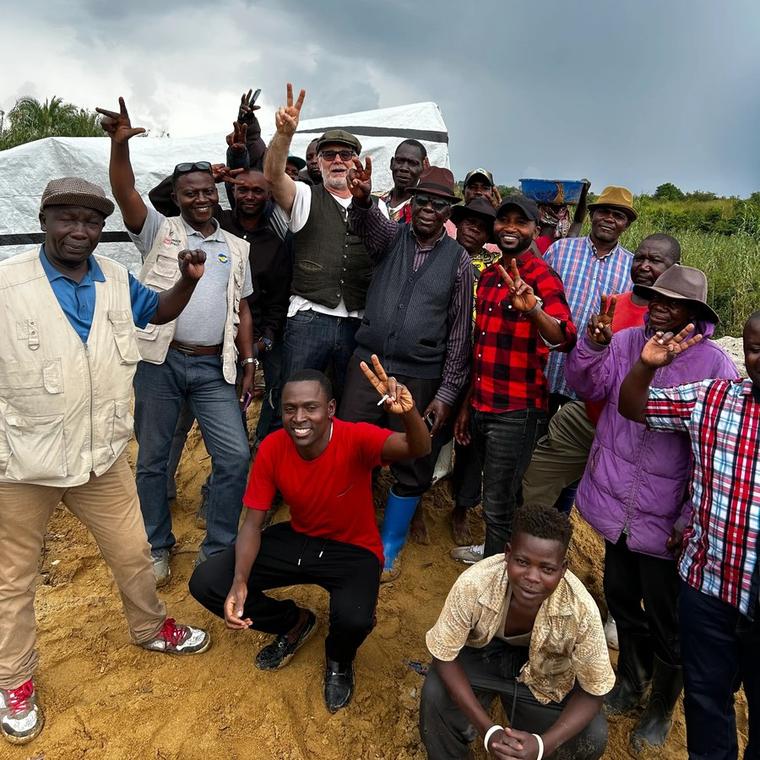
PeaceGold is a pioneering social enterprise co-founded in 2013 by British activist Greg Valerio and the Congolese peacebuilding organisation, Centre Résolution Conflits (CRC). The enterprise serves as a direct, fair, and legal export channel for artisanal gold, currently partnering with 11 mining cooperatives in the Ituri Province.
Unlike traditional industry models that often rely on opaque middlemen, PeaceGold ensures full traceability from the mine site to the point of export. By adhering to rigorous ICGLR (International Conference on the Great Lakes Region) certification and OECD due diligence requirements, the enterprise guarantees that the gold entering the global market is conflict-free. The recent signing of a long-term supply and financing agreement in June 2026 with London-based gold offtake company SigraFi marks a historic milestone, providing the liquidity and institutional support necessary to bypass the exploitative black-market networks that have long plagued the region.
Chronology: A Decade of Advocacy and Implementation
The journey of PeaceGold is not an overnight success; it is the culmination of years of systematic dismantling of corrupt supply chains.
- 2011: Greg Valerio serves as the primary architect behind the launch of the world’s first Fairtrade gold, sourced from the Cotapata cooperative in Bolivia. This success laid the philosophical groundwork for his future work in the DRC.
- 2013: PeaceGold is officially co-founded alongside the Centre Résolution Conflits (CRC), setting a mission to integrate peacebuilding with economic empowerment in eastern DRC.
- 2013–2023: A decade of painstaking groundwork follows. The team focuses on establishing relationships with mining cooperatives, conducting social impact assessments, and navigating the complex legal and logistical hurdles of operating in a conflict-affected zone.
- 2024–2025: Legitimate state-backed export routes, such as DRC Gold Trading SA, begin to mature, creating an opening for PeaceGold to formalize its operations within the legal framework of the Congolese state.
- June 2026: A landmark agreement is signed between PeaceGold and SigraFi. This multi-year deal provides the essential pre-financing and market access that allows miners to finally receive a fair market price for their labor.
- 2027 (Outlook): PeaceGold prepares to scale its operations, with Valerio confirming that the enterprise will hit the ground running, bringing certified bullion to international markets.
Supporting Data: The Scale of the Challenge
The artisanal and small-scale mining (ASM) sector is the second-largest employer on the planet, trailing only agriculture. According to data from the World Gold Council, approximately 20 percent of the world’s newly mined gold originates from these small-scale, often informal operations. Despite this, millions of miners remain excluded from official supply chains.
In the DRC, the disparity is stark. Without access to legal export channels, miners are frequently forced to sell their yield to illicit agents, often receiving as little as 20 percent of the actual market value of the gold. PeaceGold’s intervention is designed to bridge this gap. By operating as a self-perpetuating social enterprise, the profit generated is not siphoned off to external shareholders but is reinvested back into the cooperatives. This allows for:
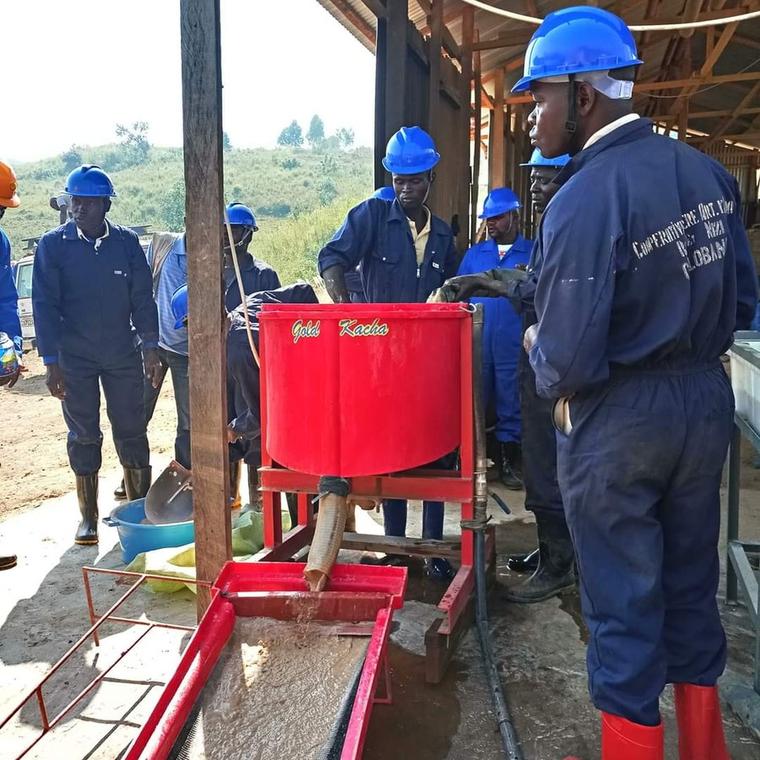
- Technological Upgrades: Replacing dangerous, mercury-and-cyanide-heavy refining methods with safer, mechanical alternatives.
- Community Infrastructure: Funding local projects, including schools and healthcare facilities.
- Economic Security: Providing a living wage that enables miners to exit the cycle of debt bondage.
Official Responses: The Vision of Greg Valerio
Greg Valerio, whose career has been defined by his fight against the "curse" of mineral wealth, views the SigraFi partnership as the definitive proof of concept for the PeaceGold model.
"The deal is public acknowledgement that PeaceGold is a serious enterprise," Valerio stated following the signing. He noted that the partnership is a "key piece in the puzzle" of a social enterprise model that has been ten years in the making. Describing the traditional conditions of mining in the region as "like stepping into the circle of hell that Dante forgot to write about," Valerio emphasizes that the current model is not just about commerce—it is about human rights.
"The gold miners in the Democratic Republic of the Congo are being ripped off on a scale I have not seen in my 30 years," he added. By professionalizing the supply chain, Valerio and his team are essentially reclaiming the economic sovereignty of the mining communities.
Implications: A Blueprint for Global Change
The implications of the PeaceGold model extend far beyond the borders of the DRC. If successful, this structure offers a replicable template for addressing the "resource curse" in other conflict-affected nations across Africa and South America.
Integration and Reconciliation
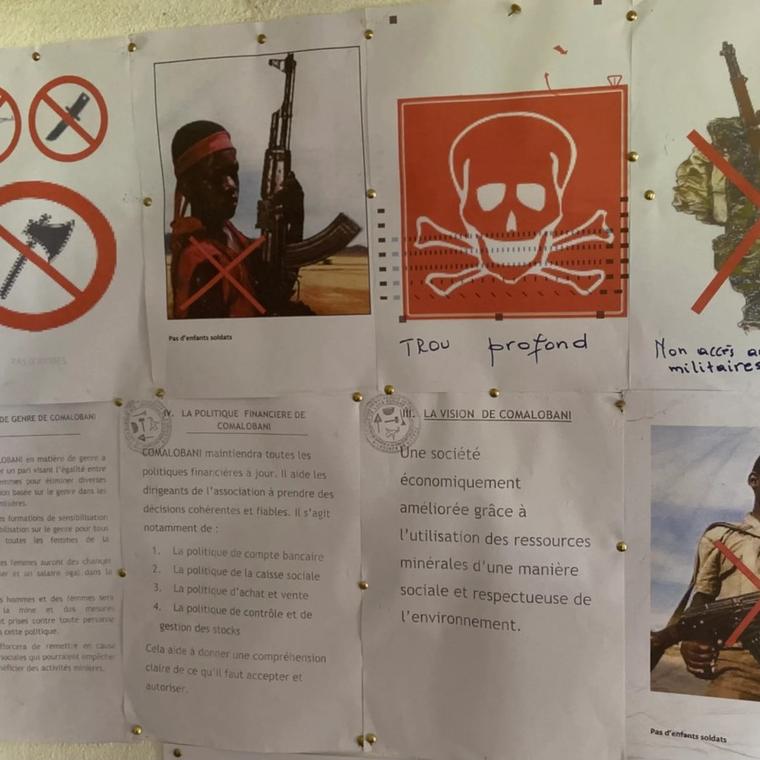
One of the most profound aspects of the PeaceGold project is its integration with the CRC’s rehabilitation programs. In regions where gold has historically funded militia atrocities, PeaceGold is using the resource to heal. By providing former child soldiers with a pathway into a regulated, dignified, and fair-paying mining system, the enterprise turns a potential source of conflict into a tool for social reintegration.
Differentiation from Certification Schemes
A common question arises: How is this different from Fairtrade gold? While Fairtrade is a certification scheme—a vital tool for awareness—PeaceGold is a social enterprise. The primary distinction lies in the ownership structure. In the PeaceGold model, the miners themselves hold a share in the enterprise. As the gold moves along the supply chain, the miners receive a share of the profits. This creates a vested interest in the long-term success and sustainability of the entire operation, moving the miners from passive participants to active stakeholders.
The Role of SigraFi and Market Access
SigraFi’s role as an offtake partner is equally critical. By providing pre-financing and compliance support, SigraFi ensures that cooperatives do not have to wait for the final sale to fund their operations. This removes the "middleman" who typically exploits the miners’ lack of capital. With SigraFi’s backing, PeaceGold can bridge the gap between the remote mines of Ituri and the sophisticated demands of institutional global markets.
Conclusion: Looking Ahead
As 2027 approaches, the momentum behind PeaceGold is palpable. The project has successfully navigated the "hell" of unregulated, violent, and exploitative trade to build a bridge toward a transparent future. While Valerio remains "quietly confident," the groundwork laid—the legal agreements, the integration with peacebuilding efforts, and the professionalization of the cooperatives—suggests that a major shift in the global gold industry is underway.
By proving that artisanal gold can be sourced in a way that is both profitable and ethical, PeaceGold is not just selling a commodity; it is selling the possibility of peace. For the 25,000 workers currently connected to the supply chain, this is more than a commercial agreement—it is a pathway out of the shadows and into a future where their labor contributes to the development of their communities rather than their destruction.
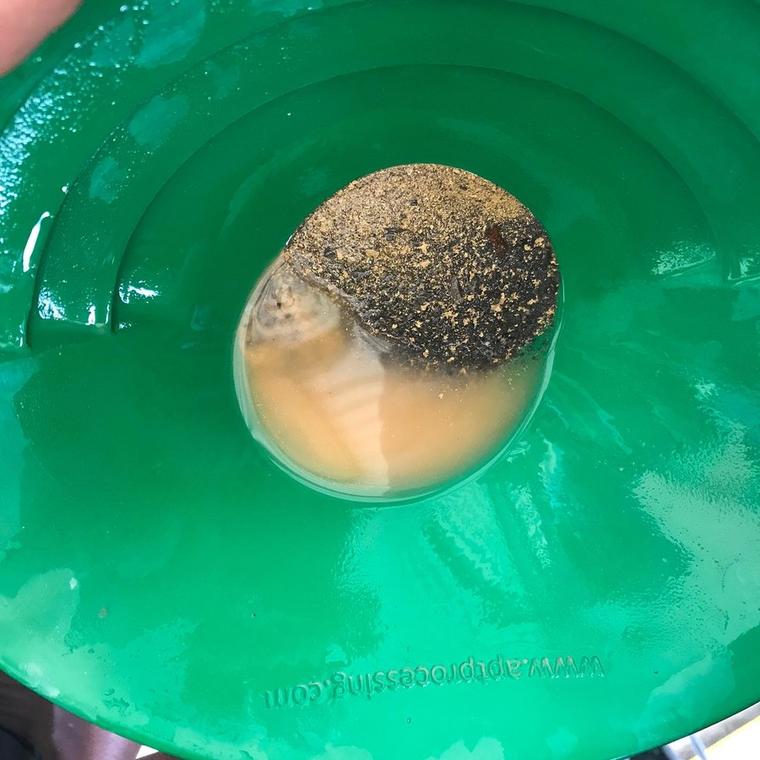
As the world continues to demand ethical transparency in supply chains, the PeaceGold model stands as a beacon of what is possible when private enterprise, grassroots advocacy, and peacebuilding initiatives align. The "curse" of gold is being dismantled, one cooperative at a time.