The human pursuit of portable precision spans centuries, beginning with the dawn of wearable timekeeping in the 16th century. For over a hundred years, a single hour hand was the undisputed norm on pocket watch dials. Because early movements suffered from daily errors running into hours, minute hands were an impractical luxury.
That fundamental limitation shifted dramatically in 1675 when Christiaan Huygens invented the balance spring. By achieving isochronism—the property where a spring’s oscillation period remains constant regardless of its amplitude—accuracy improved to within a few minutes per day. While still far from modern chronometer territory, this breakthrough permanently altered watch movement design.

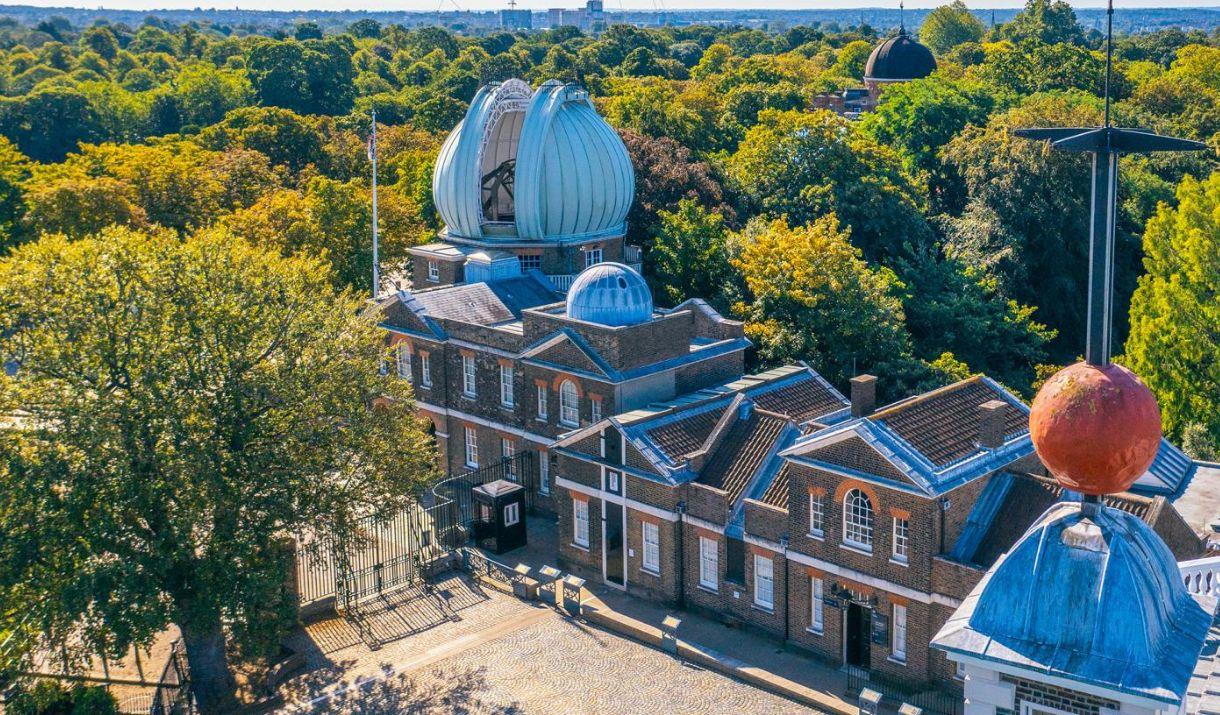
As precision requirements evolved, the British Royal Observatory in Greenwich established the first official, documented timing trials in 1766 to verify mechanical accuracy. This institutional milestone catalyzed a global movement, laying the groundwork for the modern standards we rely on today—ranging from COSC and the Geneva Seal to METAS and elite in-house certifications.
What is a Chronometer?
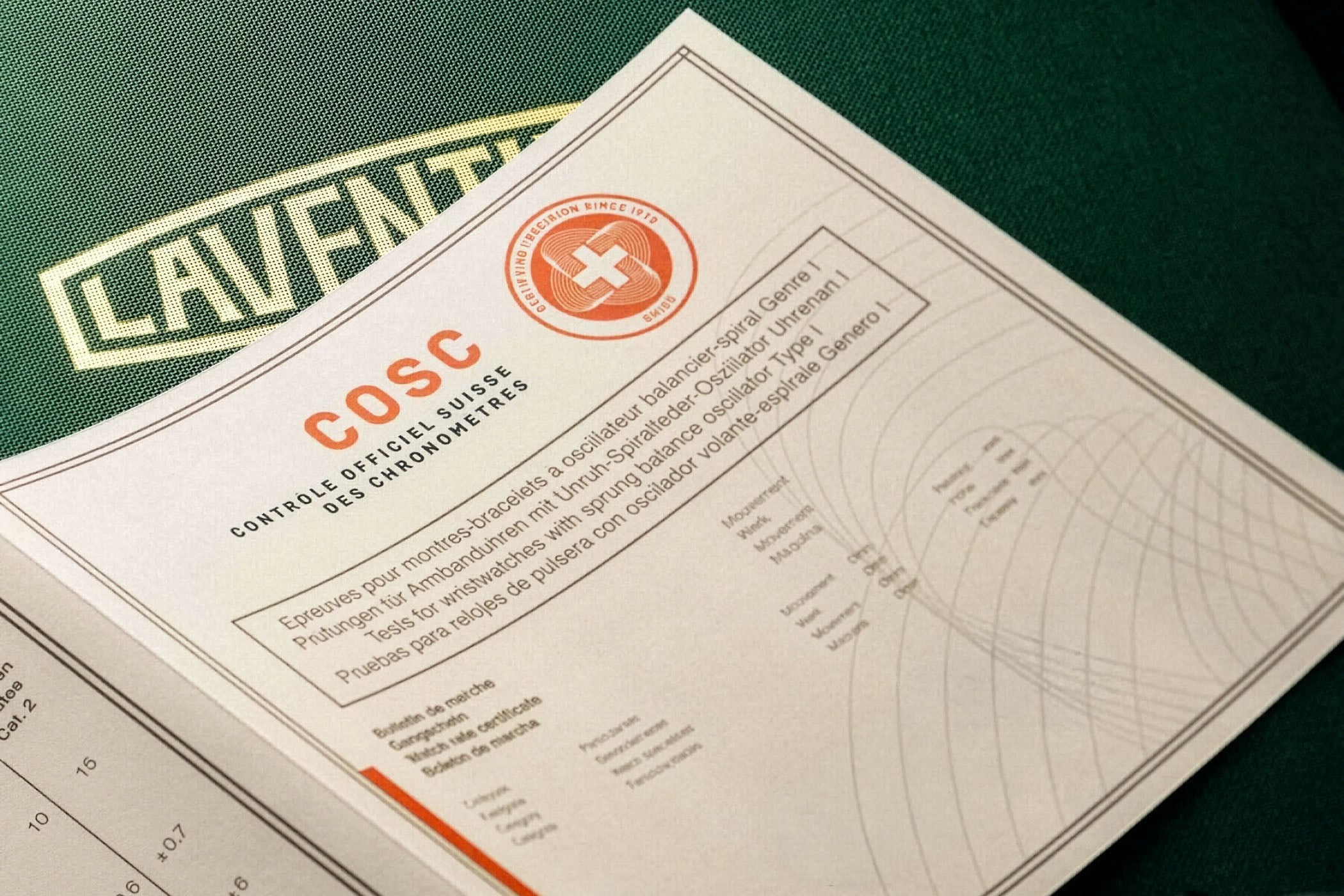
In modern horology, a chronometer is a mechanical or quartz watch featuring a movement that meets stringent accuracy standards—typically running within a tolerance of -4/+6 seconds per day. These movements undergo rigorous testing and certification by an accredited third-party organization or, in specific instances, an internal corporate body.
The terminology dates back to 1714, when English clockmaker Jeremy Thacker coined the word to describe his custom clock housed inside a vacuum chamber. Thacker aimed to achieve the extreme accuracy required to determine longitude on ships at sea, combining the Greek words chronos (time) and meter (measure).
Though Thacker’s vacuum clock predated the modern definition, English watchmaker John Arnold refined the term in 1779. Arnold used "chronometer" to designate highly accurate pocket watches, one of which earned its status through official time trials at the British Royal Observatory.
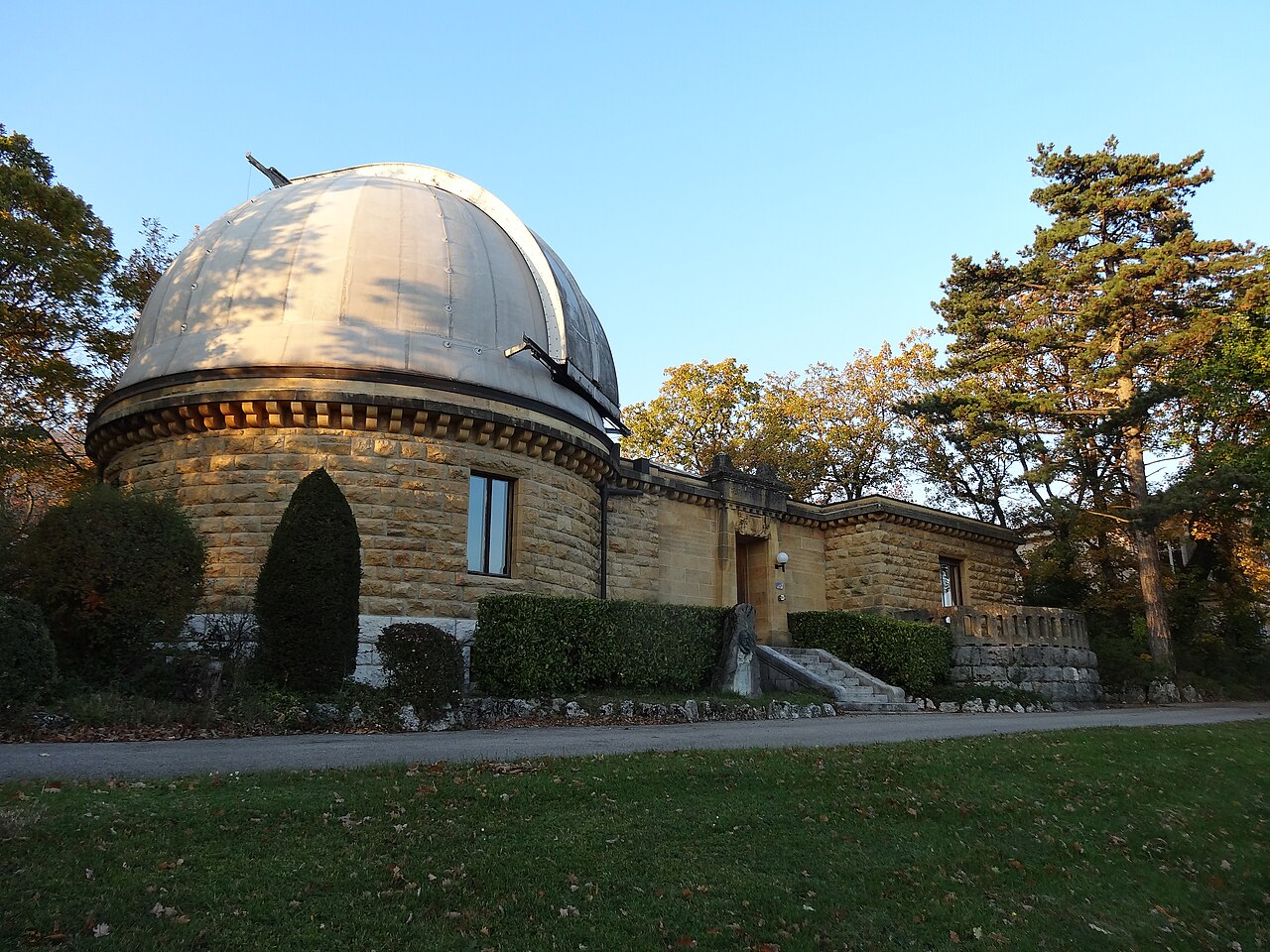
The Genesis of Marine Chronometry and the British Royal Observatory
During the 18th century, maritime powers engaged in a high-stakes race to develop marine chronometers reliable enough to help ships calculate longitudinal positioning. Because open-ocean navigation demanded absolute precision, specialized marine clocks mounted on gimbals had to withstand relentless shipboard movement, extreme temperature fluctuations, high humidity, and corrosive sea salt while maintaining an accuracy window within three seconds per day.

Longitude was calculated by setting a marine chronometer to a prime meridian—such as Greenwich, England—and comparing it against local solar or stellar time measured via a sextant. Every hour of time divergence between Greenwich and local time equaled 15 degrees of longitude east or west (or one degree every four minutes). A mere three-to-second daily error accumulated into a half-degree positional miscalculation, translating to roughly 30 dangerous nautical miles off course.
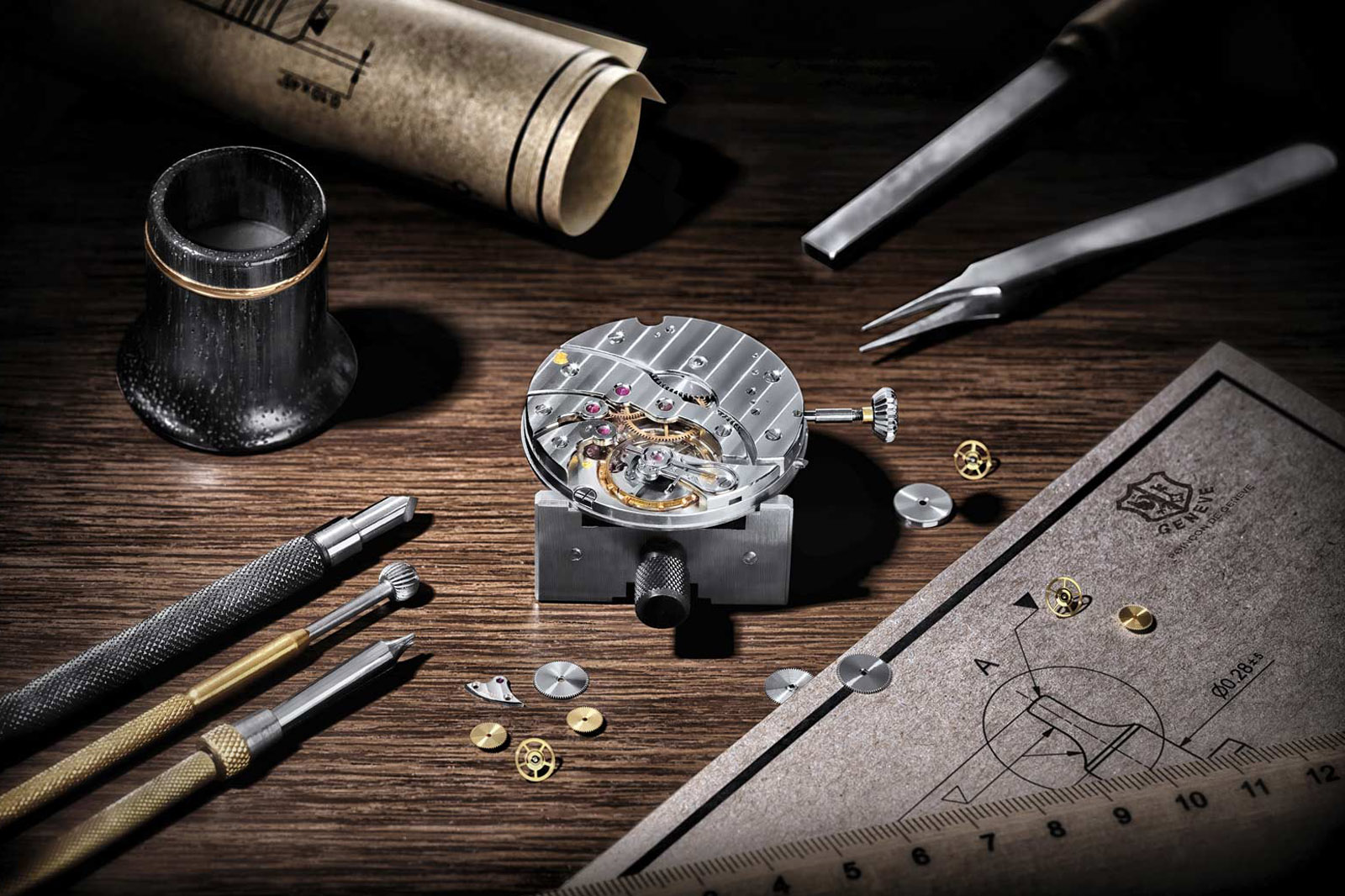
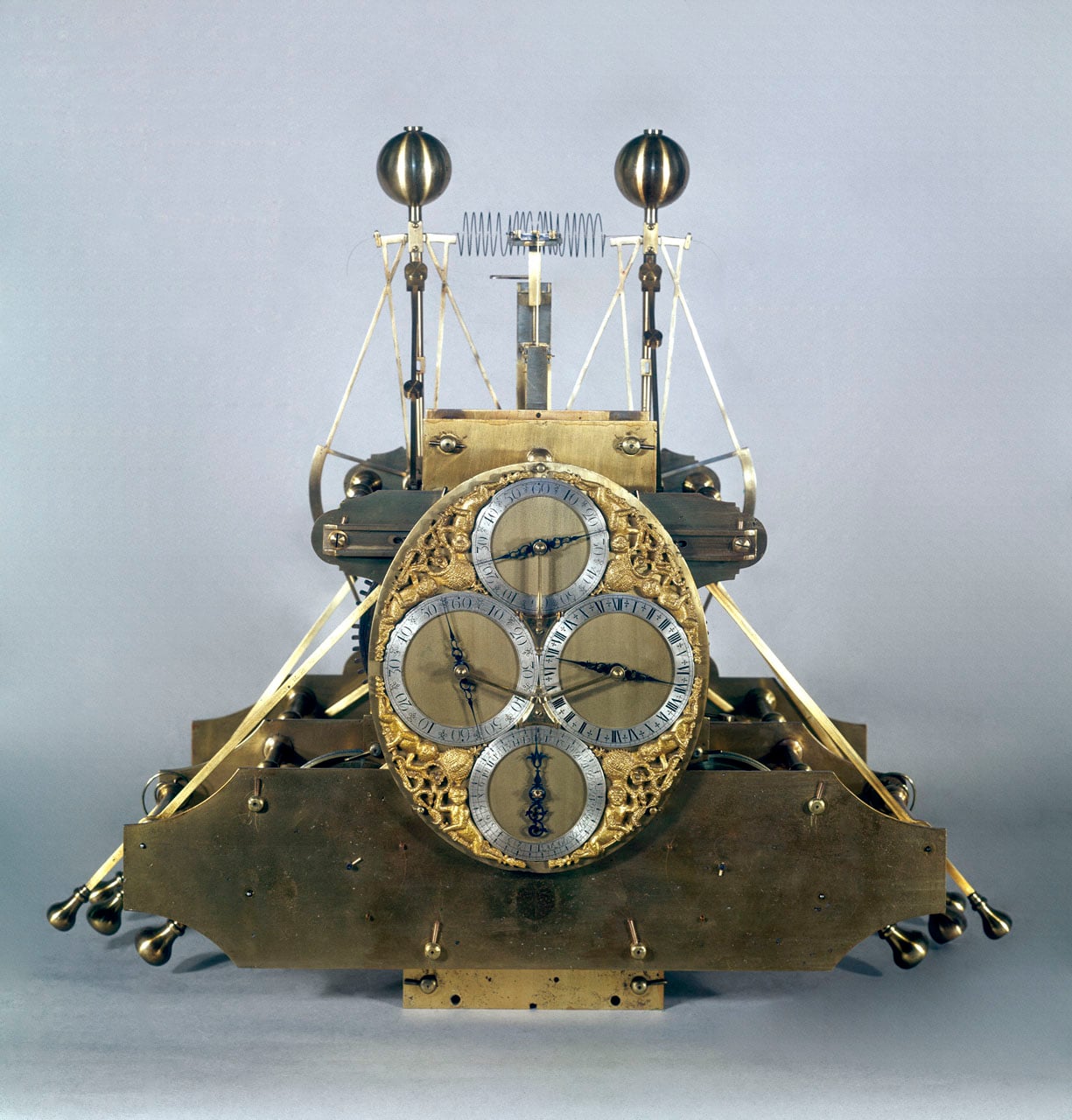
English clockmaker John Harrison built a celebrated series of four marine chronometers (designated H1 through H4) between 1735 and 1761. In 1766, the Royal Observatory in Greenwich initiated formal time trials to verify the accuracy of Harrison’s H4 and subsequent innovations.

The Admiralty’s Annual Premium Trials
To further push the boundaries of marine navigation, the British Board of Admiralty launched the Admiralty’s Annual Premium Trials in 1822. These grueling 12-month evaluations tested movements against the observatory’s master astronomical regulator, factoring in seasonal environmental shifts.
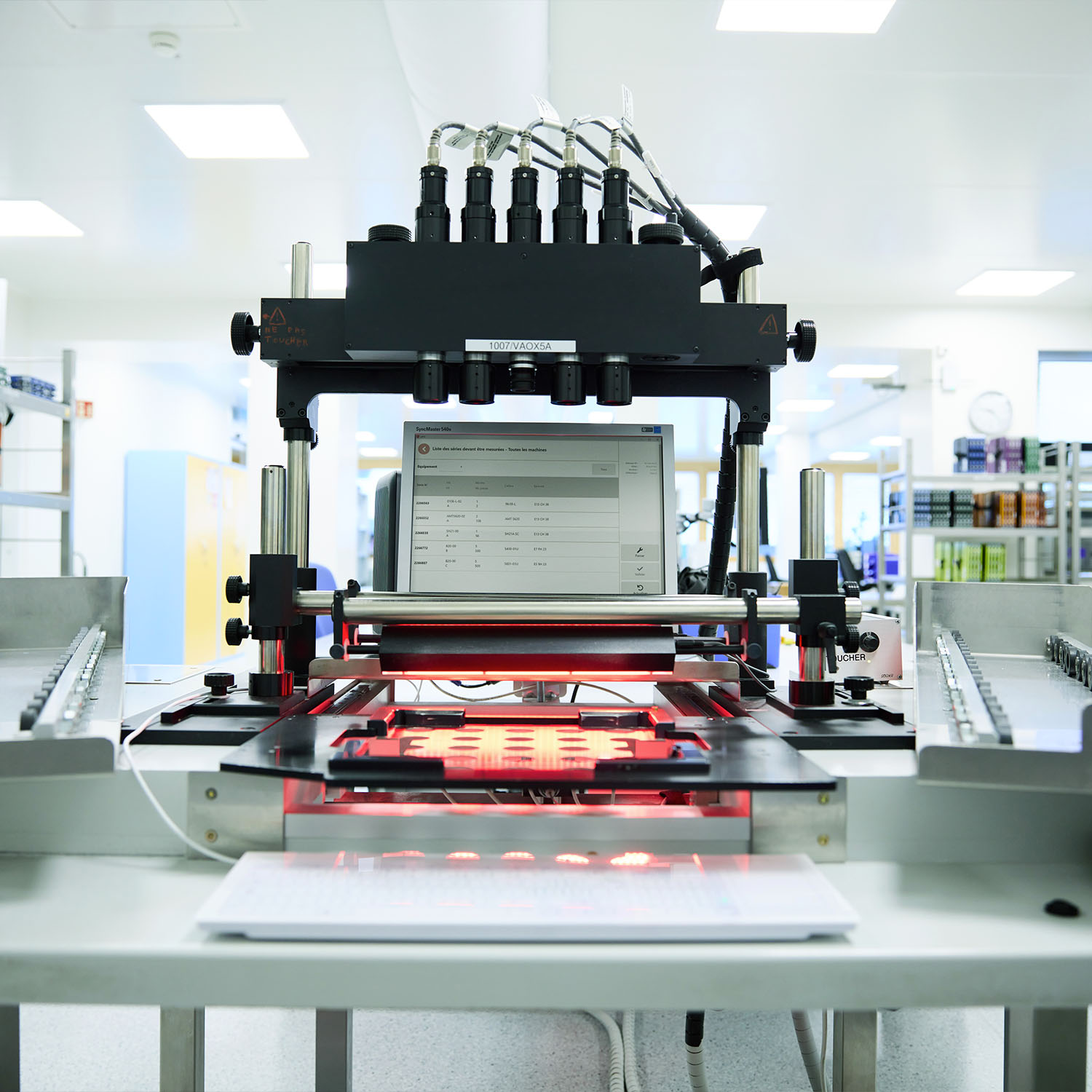
To incentivize watchmakers, substantial cash prizes were awarded. By the end of the testing period, the top-performing chronometer was purchased by the Royal Navy for £300, with the runner-up securing £200. Although these trials concluded in 1836 due to diminishing accuracy gains and persistent fraud, these state-backed acquisitions effectively served as early quality certifications for the Royal Navy.
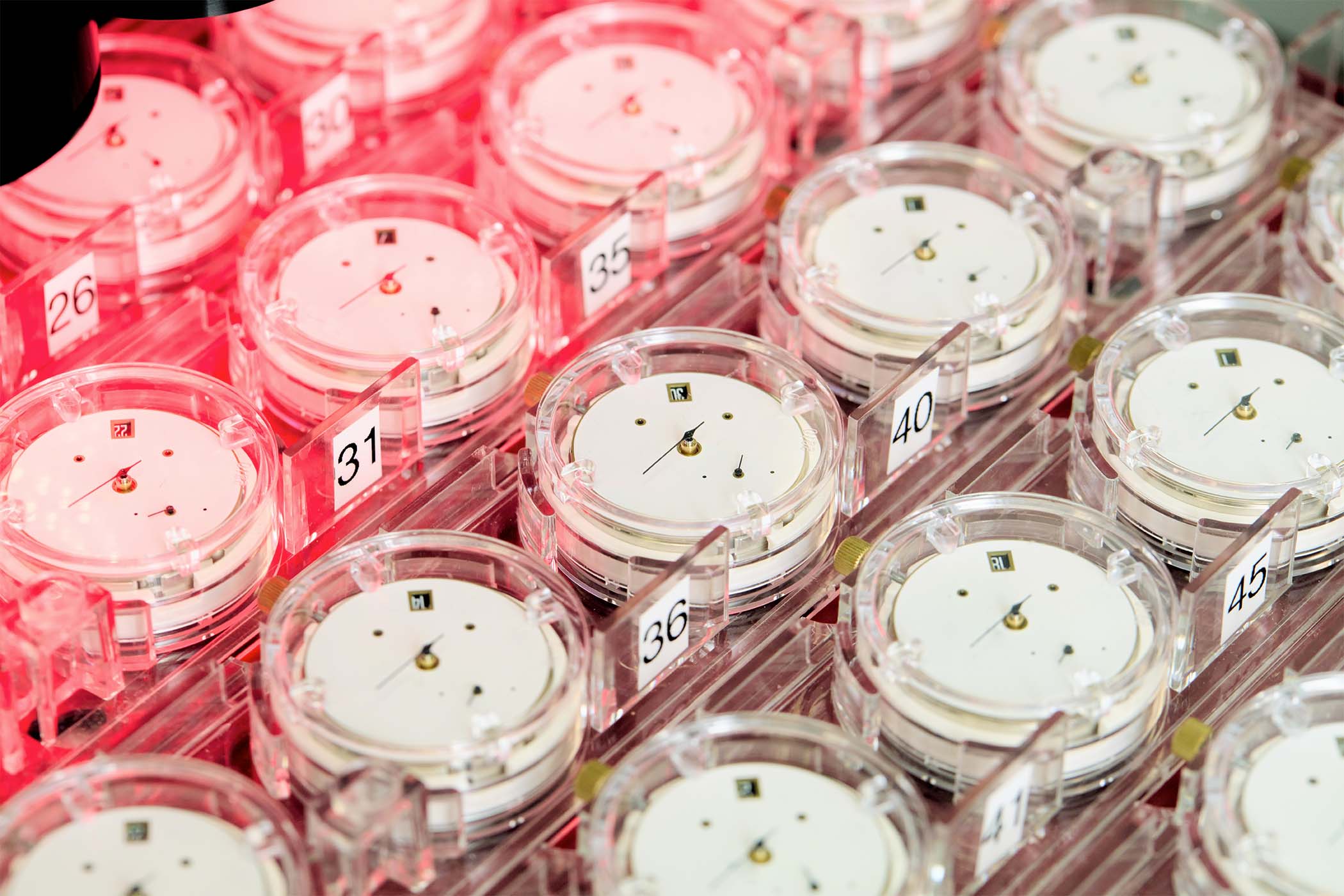
Kew Observatory, the Bulletin de Marche, and European Observatories
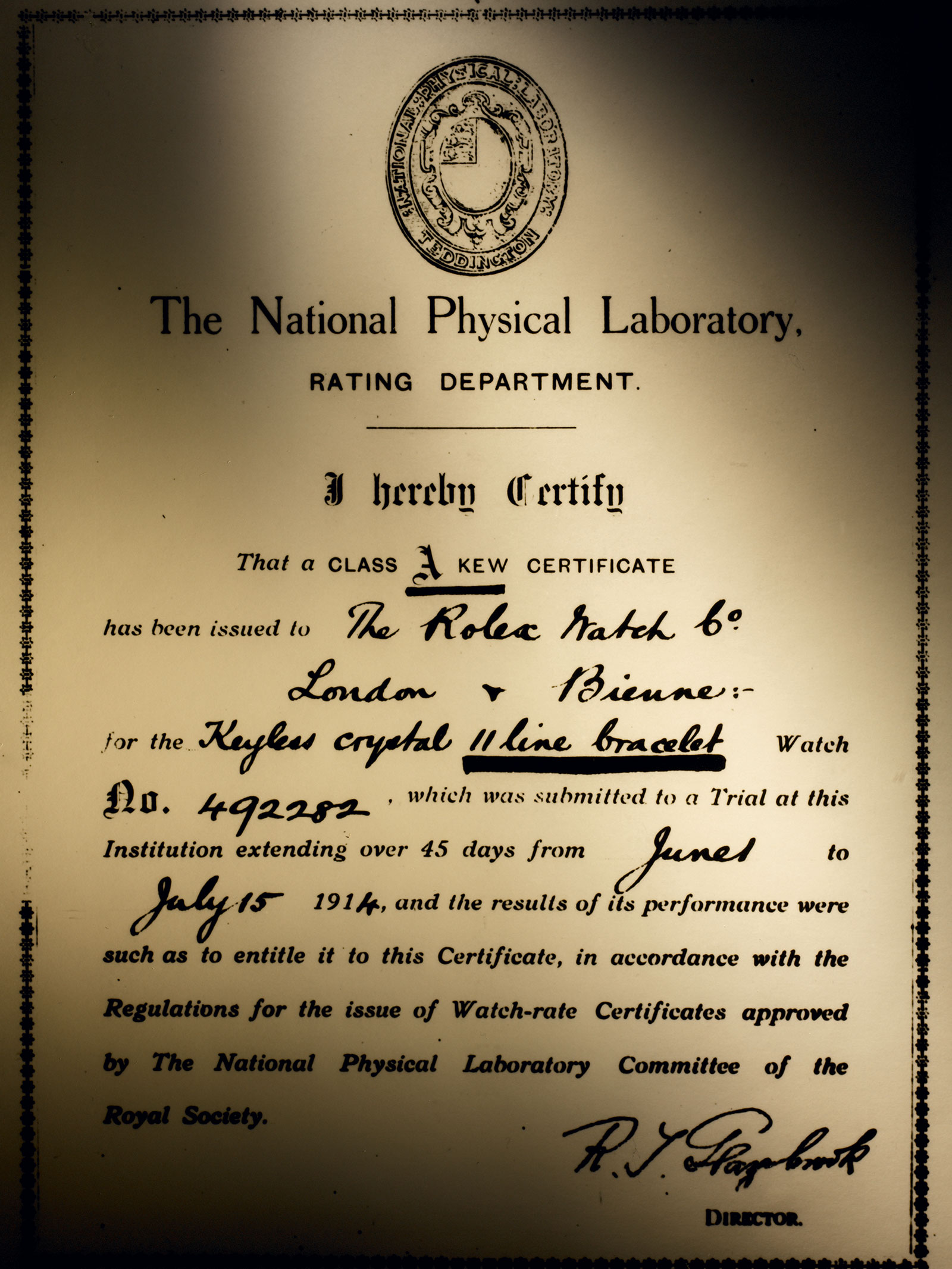
The late 19th century birthed formal, standardized testing methodologies. In 1884, the Kew Observatory near London instituted a 45-day testing regime spanning five positions and three temperature extremes (heat, cold, and ambient). Movements achieving top marks earned an "A" certificate.

Initially dominated by pocket watches, the paradigm shifted in 1914 when a Rolex ladies’ model became the first wristwatch to receive a Kew "A" certificate as a certified chronometer.

As other European observatories coordinated their standards, movements passing rigorous accuracy thresholds were awarded a Bulletin de Marche—a signed certificate from the observatory director that served as the 19th-century equivalent of modern COSC certification. These "Observatory Chronometers" were assigned official reference numbers, tested across five positions and two temperatures over a 45-day window under tolerances even stricter than many contemporary protocols.

Key European Testing Grounds
- Neuchâtel Observatory (Switzerland): Founded in 1858 specifically to serve the Swiss watch industry, Neuchâtel restricted entries to domestic brands until 1959. When global competitors—most notably Japanese powerhouse Seiko—began dominating the trials, a subsequent Swiss boycott led to the collapse of the observatory competitions by the early 1970s.
- Geneva Astronomical Observatory: Established in 1772 by Jacques-André Mallet, the facility maintained exact mean time for Geneva’s burgeoning watch trade and issued early Bulletin de Marche certificates. In modern times, its astronomers pivoted to astrophysics, discovering the first exoplanet orbiting a Sun-like star and earning a share of the 2019 Nobel Prize in Physics.
- Besançon Astronomical Observatory (France): Inaugurated in 1885 to challenge Swiss regional dominance, Besançon began stamping a distinctive Viper’s Head (Tête de Vipère) on movements passing its 45-day trials in 1897. After halting operations during the Quartz Crisis, Besançon resumed testing in 2002 under ISO 3159 criteria, stamping fully cased watches with its historic emblem.
Independent Standards and Modern Certifications
Following the disruption of the Quartz Crisis and the closure of historic observatory competitions, the Swiss watch industry recognized the necessity of unified, centralized testing bodies.

COSC and ISO 3159
Established in La Chaux-de-Fonds in 1973 by five Swiss cantons (Geneva, Bern, Neuchâtel, Solothurn, and Vaud) alongside the Federation of the Swiss Watch Industry (FHS), COSC (Contrôle Officiel Suisse des Chronomètres) emerged as a neutral, nonprofit testing institution. COSC relies heavily on ISO 3159, an international standard established in 1976 that outlines baseline criteria for mechanical chronometers.

To mark its 50th anniversary, COSC introduced the Excellence Chronometer Certified tier. This optional upgrade tests fully assembled watches rather than uncased movements, tightening accuracy parameters from the standard -4/+6 seconds per day to a strict -2/+4 seconds per day, while incorporating robotic wrist simulations and 200-gauss magnetic resistance tests.

METAS and the Master Chronometer Standard
Introduced in 2014 by Omega in partnership with METAS (the Swiss Federal Institute of Metrology), Master Chronometer certification represents a quantum leap in third-party testing. To qualify, watches must be Swiss-made, hold a pre-existing COSC certification, and undergo a punishing 10-day evaluation.
METAS tests fully encased watches across six positions and two temperatures, checking for condensation resistance and guaranteeing an elite magnetic resistance of 15,000 gauss alongside a tight accuracy window of 0/+5 seconds per day. While pioneered by Omega, brands like Tudor have since adopted METAS testing within their own verticalized facilities.
Haute Horlogerie Quality Seals and Durability Protocols
Beyond raw chronometry, elite stamps focus on artistic finishing, structural integrity, and long-term durability.
- Poinçon de Genève (Geneva Seal): Established by law in 1886, the Geneva Seal is the oldest government-sponsored quality mark in watchmaking. Managed by the TIMELAB Foundation since 2008, it evaluates both movement and cased watch performance, requiring assembly, adjustment, and casing exclusively within the Canton of Geneva. Adhering to 12 strict traditional criteria, it enforces uncompromising decorative finishing, water resistance, power reserve, and a seven-day wrist simulation test.
- Qualité Fleurier: Launched in 2001 by Chopard, Parmigiani Fleurier, Vaucher, and Bovet, this government-backed certification requires movements to be 100% Swiss-manufactured and COSC-certified. It combines Geneva-level hand-finishing standards with rigorous Chronofiable ageing tests.
- Chronofiable: Developed by the Federation of the Swiss Watch Industry (FH) and managed by Laboratoire Dubois, Chronofiable subjects watches to accelerated wear simulations over 21 days—mimicking six years of hard use via 20,000 impacts up to 550g, temperature extremes from -10°C to 60°C, and 85% humidity.
Global Benchmarks: America, Germany, and Japan
While Switzerland remains the epicenter of chronometry, notable international standards exist:

- Horological Society of New York (HSNY): America’s oldest continuously operating watchmaking guild launched a chronometer certification in 2021. Open to global watchmakers, HSNY evaluates fully assembled watches visually over a 15-day period under criteria exceeding ISO 3159.
- Glashütte Observatory and DIN 8319: Revived by Wempe in 2006, Germany’s sole chronometer testing institute operates in Glashütte. Utilizing German standard DIN 8319, fully assembled watches featuring hacking seconds are tested for 15 days across five positions and three temperatures, matching COSC’s -4/+6 seconds per day tolerance.
- Grand Seiko Standard: Established in Japan in 1966 to rival Swiss standards, Grand Seiko’s internal testing evaluates mechanical watches for 17 to 20 days across six positions and three temperatures. Its standard accuracy sits at -3/+5 seconds per day, with an elite "Special" tier tightening tolerances to -2/+4 seconds per day.
In-House Seals and Proprietary Standards
Many elite manufactures operate their own internal testing labs to enforce standards surpassing baseline industry regulations:
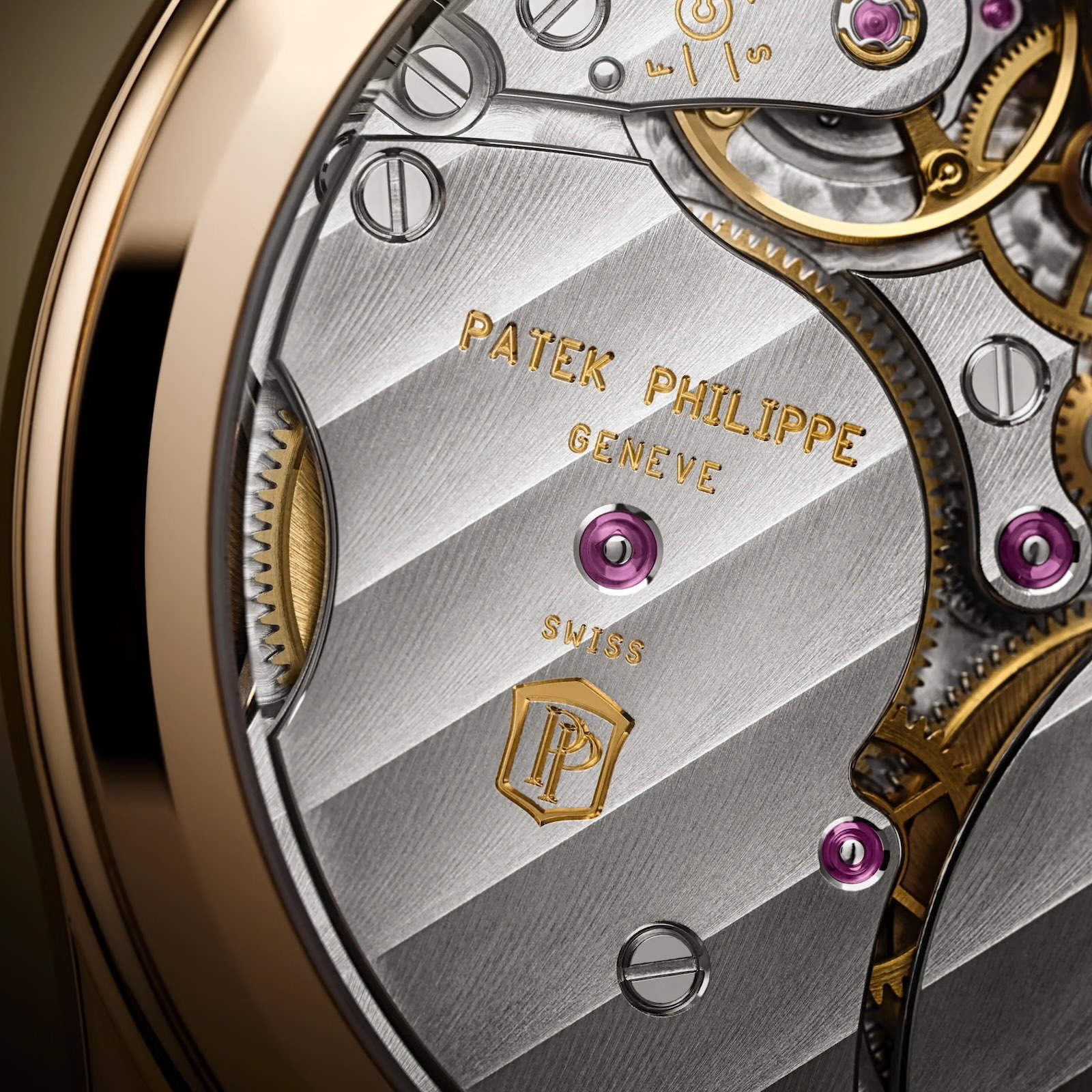
- Patek Philippe Seal: Introduced in 2009 after leaving the Geneva Seal, Patek’s in-house stamp covers the entire watch (including bracelets), guaranteeing accuracy tolerances of -3/+2 seconds per day (or -1/+2 seconds per day for tourbillons and silicon-equipped calibres) and requiring presidential approval for minute repeater acoustics.
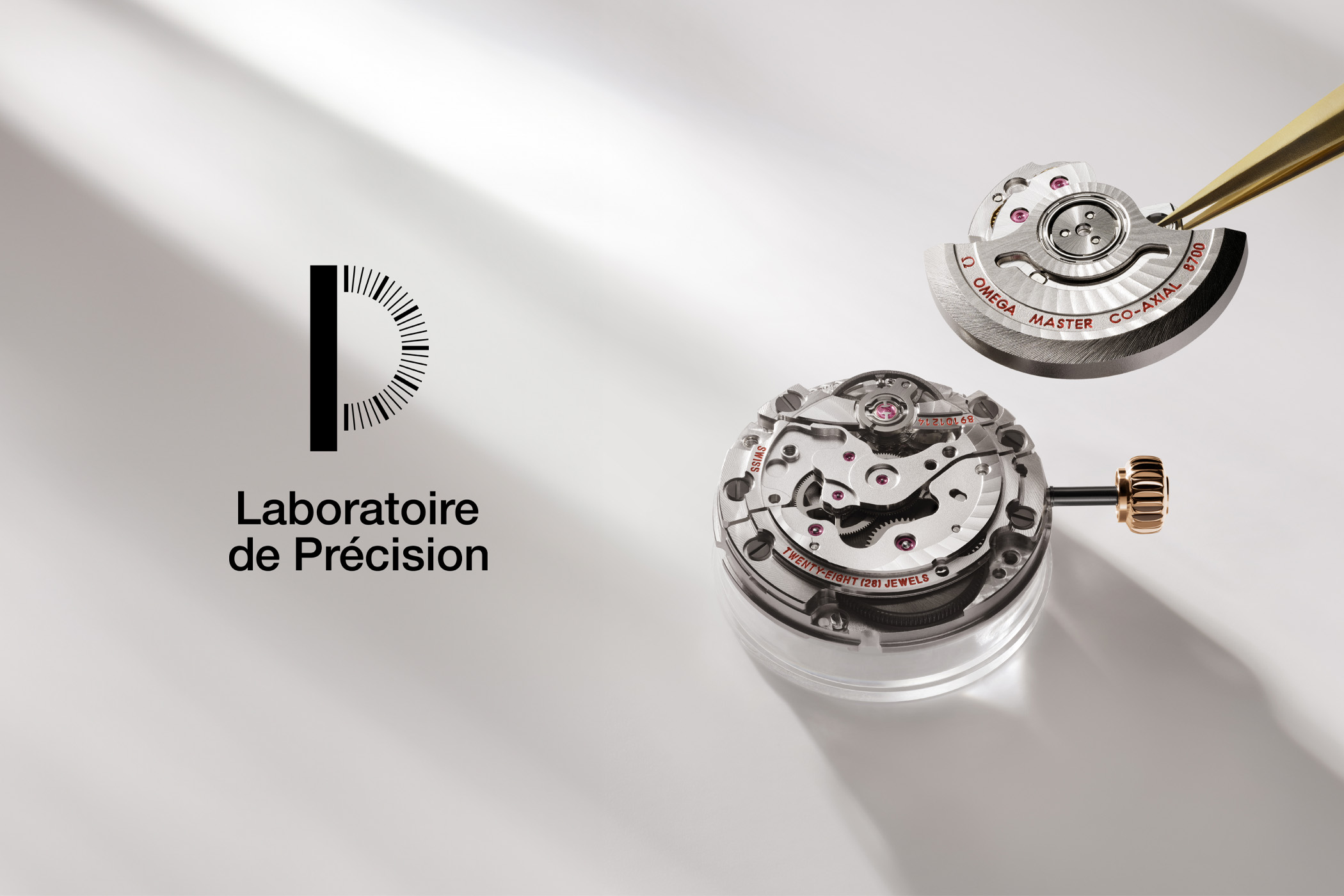
- Omega Laboratoire de Précision: An ISO/IEC 17025:2017 accredited laboratory utilizing Dual Metric Technology with continuous acoustic beat-rate measurement, allowing two-hand watches without seconds hands to achieve Master Chronometer status.
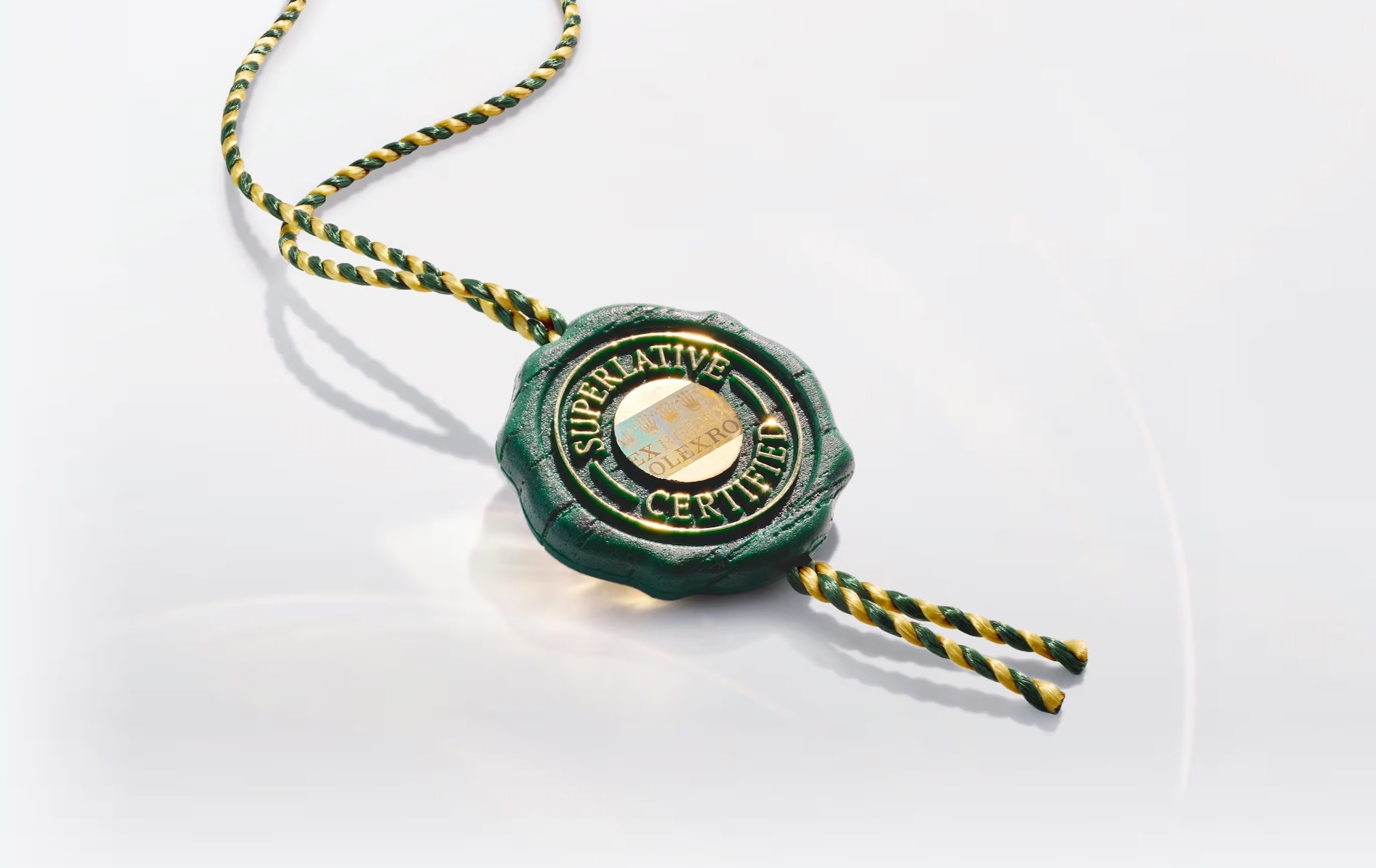
- Rolex Superlative Chronometer: Instituted in 2015, Rolex certifies fully cased watches to an exceptional +/-2 seconds per day tolerance, backed by rigorous in-house testing for water resistance, power reserve, reliability, and anti-magnetism.
- Jaeger-LeCoultre High Precision Guarantee (HPG): Unveiled in 2026, JLC’s Four Element Protocol simulates a week of harsh wear over three days, testing shock resistance up to 50G, altitude, temperature shifts, and positional stability.
- Montblanc Laboratory Test 500 Hours: Simulates an entire year of wear within a rigorous 500-hour testing window covering automatic winding, functional complications, and thermal resistance on fully cased watches.
Summary Comparison of Major Chronometer Certifications
| Certification Organization | Tested State | Accuracy Tolerance | Key Stress Tests / Parameters |
|---|---|---|---|
| COSC | Uncased Movement | -4 / +6 sec/day | 15 days, 5 positions, 3 temperatures |
| COSC Excellence | Cased Watch | -2 / +4 sec/day | Robotic wrist simulation, 200 gauss anti-magnetism |
| METAS Master Chronometer | Cased Watch | 0 / +5 sec/day | 10 days, 6 positions, 15,000 gauss anti-magnetism |
| Geneva Seal (Poinçon de Genève) | Cased Watch | Varies by brand | 12 finishing rules, 7-day wrist simulation, water resistance |
| Qualité Fleurier | Cased Watch | 0 / +5 sec/day | COSC baseline, Chronofiable ageing, high finishing |
| Wempe / DIN 8319 | Cased Watch | -4 / +6 sec/day | 15 days, 5 positions, 3 temperatures (Glashütte) |
| Grand Seiko Standard | Cased Watch | -3 / +5 sec/day | 17–20 days, 6 positions, 3 temperatures |
| Rolex Superlative | Cased Watch | -2 / +2 sec/day | Cased testing, anti-magnetism, long-term reliability |
| Patek Philippe Seal | Cased Watch | -3 / +2 sec/day | Stringent finishing, acoustic repeater testing, whole-watch certification |