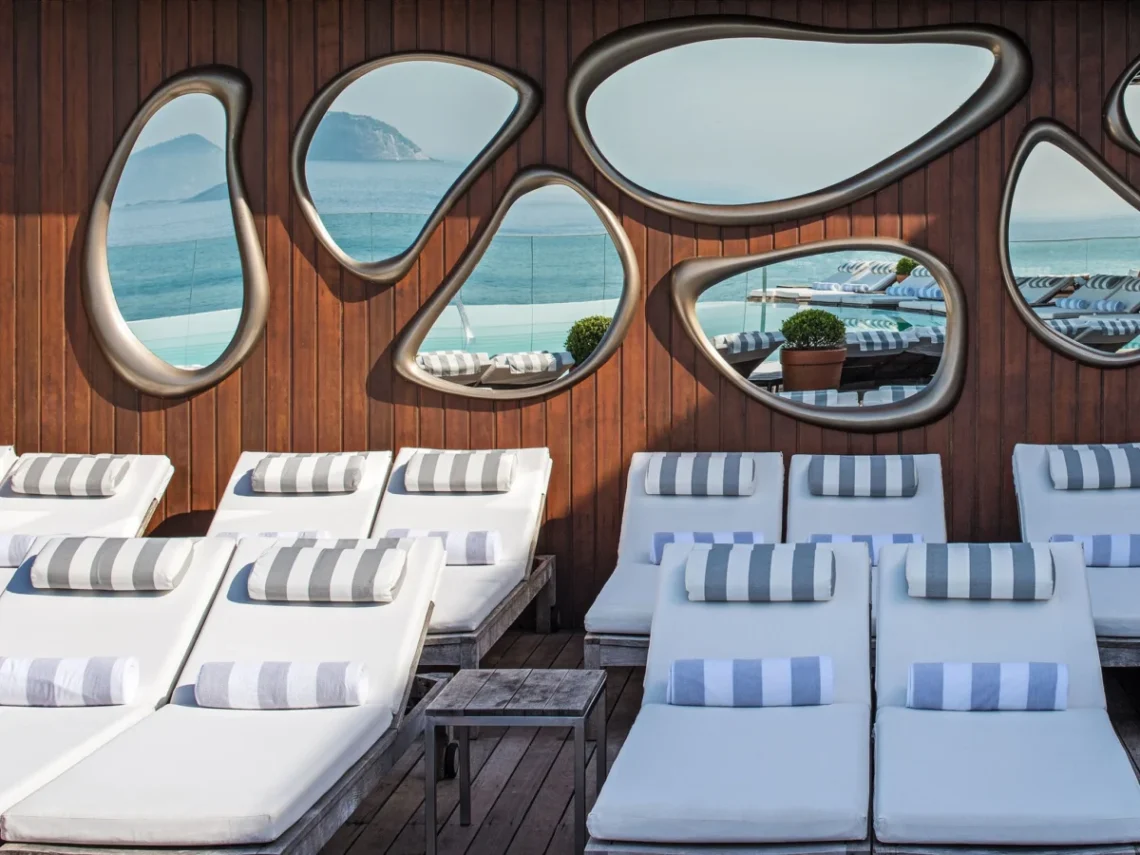
For those who call Rio de Janeiro home, the phrase "I live where you vacation" is more than a boast—it is a daily reality defined by a sensory symphony. Living nestled between the world’s most iconic stretches of sand, Copacabana and Ipanema, one learns quickly that the city’s allure is not merely found in the turquoise Atlantic. Instead, it is found in the rhythmic clinking of coconut shells at dawn, the sight of salt-drenched surfers navigating the morning streets, and the haunting, honeyed notes of bossa nova drifting from a neighborhood quiosque.
While the world views Rio through the lens of a traveler, the city is a complex organism of distinct neighborhoods, each pulsing with a different heartbeat. To truly understand Rio is to understand its geography, its history, and its hospitality. As tourism numbers continue to climb, the city’s best hotels have transitioned from mere places to sleep into essential curators of the local experience.
The Geography of Energy: Defining Rio’s Neighborhoods
To appreciate the hotel landscape of Rio, one must first understand the social and geographic tapestry of the city. Over the last six years, the evolution of Rio’s hospitality sector has mirrored the maturation of its diverse districts.
Copacabana: The Electric Epicenter
Copacabana remains the global face of Rio. It is a place of perpetual motion, hosting the world’s most significant Carnival celebration and acting as the city’s high-energy stage. Hotels here, ranging from historic Art Deco landmarks to modern boutique conversions, are designed for the traveler who wants to be at the center of the fray. The energy here is kinetic; it is where the grit of urban life meets the majesty of the ocean.
Ipanema and Leblon: The Upscale Rhythm
If Copacabana is the city’s roar, Ipanema and Leblon are its heartbeat. These neighborhoods represent a shift toward a more curated, sophisticated seaside rhythm. Here, the "calçadão" (the iconic black-and-white wavy sidewalk) serves as a runway for local fashion, high-end dining, and an effortless, sun-drenched lifestyle. Accommodations in these areas prioritize understated luxury, emphasizing floor-to-ceiling vistas of the Two Brothers mountains and the vast, sparkling Atlantic.
Santa Teresa: The Bohemian Bastion
High above the clamor of the beach lies Santa Teresa. Perched on forested hilltops, this neighborhood has successfully resisted the homogenization that often accompanies global tourism. Characterized by winding, cobblestone streets, colonial mansions, and a flourishing art scene, Santa Teresa offers a secluded, introspective alternative to the coastal districts. Hotels here are often repurposed colonial estates, providing an intimate, garden-focused stay that feels miles away from the city’s modern sprawl.
Chronology: The Evolution of Rio’s Hospitality
The current state of Rio’s hotel scene is the result of a long-term evolution in Brazilian tourism policy and design philosophy.
- 1920s–1950s (The Golden Era): Rio established its reputation as a global luxury destination, headlined by the construction of legendary properties like the Copacabana Palace. During this period, architecture was heavily influenced by European grandeur.
- 1960s–1980s (The Bossa Nova Influence): As Rio became synonymous with the "Girl from Ipanema" era, hospitality pivoted toward a more relaxed, tropical modernism. The city became a magnet for global icons, cementing its status as a playground for the international elite.
- 2010s (The Mega-Event Catalyst): The preparation for the 2014 World Cup and the 2016 Summer Olympics triggered a massive infrastructure boom. International hotel chains flooded the market, upgrading the city’s capacity but also prompting local boutique hotels to double down on "authenticity" to compete.
- 2020s–Present (The Boutique Pivot): Today, the trend has shifted away from massive, anonymous resorts toward boutique properties that leverage local design, sustainable practices, and hyper-personalized hospitality. The current focus is on "living like a local," with hotels offering curated experiences that include private art tours, favela-based social initiatives, and deep dives into the Brazilian culinary scene.
Supporting Data: The Economic Pulse of Tourism
The tourism sector remains a critical pillar of Rio’s economy. According to data from the Brazilian Tourism Institute (EMBRATUR), the post-pandemic recovery of the city has been robust.
- Occupancy Rates: During the peak summer season (December through February), occupancy in the Ipanema and Leblon corridors frequently exceeds 90%.
- Economic Impact: Tourism contributes approximately 7% to Rio’s annual GDP, with luxury and boutique hospitality segments seeing the highest year-over-year revenue growth.
- Employment: The hospitality industry supports over 300,000 jobs in the Rio metropolitan area, ranging from traditional concierge roles to specialized positions in cultural tourism and experiential planning.
- Average Length of Stay: The average international visitor stay has increased from 4.2 days to 6.8 days over the last decade, indicating a shift toward "slow travel" and deeper immersion in local neighborhoods.
Official Responses and Strategic Development
The City of Rio de Janeiro and the Secretariat of Tourism have been working closely with hospitality leaders to ensure that the influx of tourists supports, rather than depletes, local communities.
"Our goal is to ensure that the visitor experience benefits the neighborhood ecosystem," states a spokesperson for the Rio Tourism Board. "We are encouraging the growth of independent, locally-owned hotels that hire from the surrounding areas and utilize local craftsmanship in their interior design. We want the tourist to feel the city, not just observe it from behind a glass window."
Recent policy changes have also focused on urban renewal. In areas like Santa Teresa, the city has implemented tax incentives for hotels that maintain historical facades and support local art initiatives. Furthermore, a new push for "Green Tourism" mandates that hotels above a certain star rating implement water reclamation and waste reduction systems, acknowledging the fragile beauty of the coastal environment.
Implications: The Future of the "Local" Experience
The rise of the "lifestyle hotel" in Rio de Janeiro carries significant implications for the future of urban tourism.
Preservation of Personality
The primary implication of this shift is the preservation of the city’s unique identity. As travelers increasingly seek out authentic experiences, the market is punishing generic, "anywhere-USA" hotel designs. This forces developers to invest in Brazilian design, local art, and regional cuisine, thereby keeping the culture vibrant.
Gentrification vs. Integration
There is an ongoing, sensitive debate regarding the impact of high-end hotels on neighborhood pricing. While the influx of investment brings infrastructure improvements, it also risks pricing out long-term residents. The most successful hotels in Rio are now those that engage in "social hospitality"—collaborating with local businesses and providing employment pipelines for residents of the neighboring communities.
The Sustainability Mandate
Finally, the future of Rio’s hotel industry is inextricably linked to climate resilience. As a coastal city, Rio faces the direct impacts of rising sea levels and intense weather patterns. The next generation of luxury hotels is currently being built with sustainability at the core, moving beyond simple towel-reuse programs to comprehensive carbon-neutral footprints and protective architectural design.
Conclusion: Finding Your Place in the Sun
Rio de Janeiro is not a city that you visit; it is a city that you experience. Whether you choose the high-energy pulse of a hotel in Copacabana, the sophisticated ocean views of Ipanema, or the bohemian seclusion of a hilltop mansion in Santa Teresa, the accommodation you choose acts as your gateway to the Carioca lifestyle.
By choosing hotels that honor their neighborhood’s specific history and culture, visitors are not just securing a room—they are participating in the ongoing narrative of a city that continues to reinvent itself. The best hotels in Rio de Janeiro, according to our editors, are those that offer more than just a place to sleep; they offer a lens through which to view the heart of Brazil. As you plan your visit, remember: the goal is not to escape your life, but to step into the vibrant, sun-drenched, and infinitely complex life of Rio de Janeiro. Stay a little longer, listen to the bossa nova, and let the city change you.