For residents of Australia, New Zealand often exists in the periphery—a convenient, familiar neighbor reachable by a short flight, frequently earmarked for an annual ski excursion. Yet, as one begins to peel back the layers of Aotearoa, it becomes clear that the country is not merely a seasonal playground for adrenaline junkies. It is a sophisticated tapestry of raw, untamed wilderness woven with a refined tradition of luxury hospitality that remains remarkably consistent across every season.
The true magic of New Zealand is rarely found in the frantic ticking of a box-list itinerary. It is found in the stillness. To truly experience the country, one must abandon the urge to cover ground and instead embrace the art of the lingering visit. Whether it is the historic corridors of a century-old lodge or the silent, snow-dusted peaks of the Southern Alps, New Zealand rewards those who stay long enough to hear its rhythm.
Main Facts: The New Zealand Luxury Paradigm
New Zealand’s tourism sector has undergone a significant transformation over the last decade. Moving beyond the "backpacker’s trail" narrative, the country has cemented its status as a premier destination for high-net-worth travelers seeking privacy, exclusivity, and an authentic connection to the land.

- Diverse Geography: The country is split into the North and South Islands, each offering distinct experiences. The North is defined by geothermal activity, Māori cultural heritage, and lush, volcanic landscapes. The South is characterized by the dramatic Southern Alps, deep glacial fjords, and vast, wide-open plains.
- The Lodge Culture: The "Lodge" is the cornerstone of New Zealand’s high-end travel experience. These properties are often intimate, privately owned, and integrated deeply into their local environments—whether that be a working farm, a riverside retreat, or a mountain-top sanctuary.
- Culinary Evolution: With the arrival of Michelin-standard accolades and a focus on "paddock-to-plate" dining, New Zealand has transitioned into a global culinary player. Central Otago and the Martinborough regions continue to gain international recognition for their cool-climate viticulture.
A Chronological Guide to the Perfect Itinerary
Rather than attempting to conquer both islands in a week—a feat that leads to nothing but airport terminals and highway exhaustion—the most seasoned travelers build their journeys around specific "anchor" locations.
The First 24–48 Hours: Arrival and Acclimatization
For the North Island, Auckland serves as the necessary gateway. However, travelers should treat it as a transit point, moving quickly toward the geothermal heartland of Rotorua or the serenity of Lake Taupō. On the South Island, Queenstown remains the primary arrival hub for mountain enthusiasts. A crucial piece of advice for the first-time visitor: allow at least three days per region. The weather in New Zealand is notoriously mercurial; a flexible schedule is your greatest asset.
Mid-Trip: Deep Dives and Cultural Immersions
Once established in a base like the Mackenzie Basin or the outskirts of Fiordland, transition from "tourist" to "observer." Use this time to engage in slow-paced activities—a guided stargazing session at the Aoraki Mackenzie International Dark Sky Reserve or a private boat charter on Lake Manapouri. This is the period where the logistics of travel fade, replaced by the specific character of the region.

The Final Stretch: Reflection and Departure
End your trip in a location that offers urban comfort without the chaos of a major metropolis. Wellington is ideal for this. Its compact, creative heart, burgeoning gallery scene, and world-class coffee culture provide the perfect buffer between the rugged isolation of the hinterlands and the inevitable return to modern life.
Supporting Data: Navigating the Cost of Luxury
A common misconception is that New Zealand is prohibitively expensive for all but the ultra-wealthy. While it is true that exclusive lodges and private helicopter transfers sit at the top of the price bracket, the "luxury" of New Zealand is also found in its accessibility.
- The Hybrid Budget Model: A strategic approach to budgeting involves "splurging" on a signature stay—perhaps two nights at a renowned lodge like Huka Lodge—balanced by mid-range accommodation with self-catering facilities for the remainder of the trip.
- The Transport Equation: For those considering the iconic New Zealand camper van, it is vital to calculate the "true cost." When factoring in fuel, premium campsite fees, and the stress of driving large vehicles on narrow, winding roads, a rental car paired with curated boutique accommodation often yields a higher value-for-money ratio.
- The "Must-Have" Factor: Guided activities (skiing, heli-hiking, guided fishing) are the most significant variables in an itinerary. Prioritize the two or three experiences that are non-negotiable for your interests, and build the rest of your budget around those anchors.
Official Perspectives and Industry Insights
Tourism New Zealand and local regional boards have shifted their focus toward "regenerative tourism." The message is clear: the goal is not to maximize visitor numbers, but to maximize the value and duration of each stay.

"The modern traveler is looking for a deeper connection," says a spokesperson from a prominent regional hospitality group. "They aren’t looking to see five waterfalls in a day; they are looking to understand the history of the land, the culture of the people, and the story of the food they are eating. Our lodges are designed to facilitate that stillness."
This sentiment is reflected in the growth of properties like Cabot Lodge in Fiordland, which focuses on the "working farm" experience. By inviting guests into the reality of a working property, the lodge offers a narrative-driven stay that is far more memorable than a generic hotel experience.
The Implications: Why "Lingering" Matters
The implications of choosing a slower pace of travel are profound. Beyond the obvious benefit of reduced carbon impact, the "stay longer" philosophy fundamentally changes the quality of the travel experience.

1. The Social Fabric of Local Communities
When you stay in one town for four days rather than moving every twenty-four hours, you shift from a spectator to a participant. You start to recognize the local barista, you learn the history of the town’s gold-mining settlement, and you discover the small, family-run businesses that define the local economy—like the Davaar wool station in the Te Anau region. These are the connections that transform a trip into a memory.
2. Resilience Against the Elements
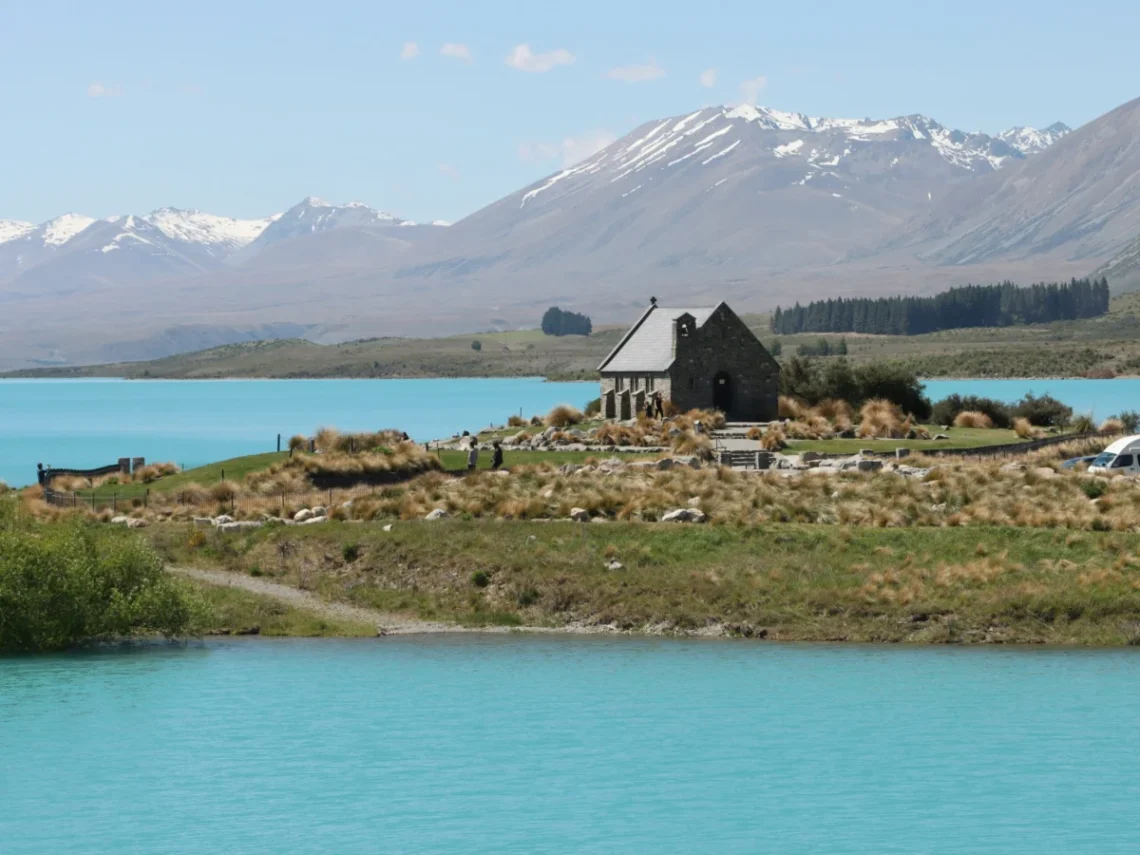
New Zealand’s landscape is powerful and unpredictable. Stargazing, hiking, and water activities are all dependent on the sky. By building in "buffer nights," travelers insulate themselves against disappointment. If the clouds obscure the stars in Lake Tekapo, an extra night gives you the chance to try again, turning a potential failure into a triumph of patience.
3. The Psychological Shift
The most significant implication is internal. In our hyper-connected, high-speed lives, the act of "doing nothing" in a beautiful place is a radical, restorative, and necessary luxury. Whether it is reading by a wood-burning fire at a resort in Millbrook or watching the emerald waters of the Waikato River move past the grounds of Huka Lodge, the silence of New Zealand is its most valuable commodity.

Conclusion: Crafting Your Own Journey
New Zealand is not a country that demands to be conquered; it is a country that invites you to be present. As you map out your next trip, resist the temptation to pack the schedule. Choose your anchors: the mountains of Queenstown, the geothermal wonders of Taupō, the stargazing reserves of the Mackenzie region, the culinary scene of Wellington, or the deep, silent fjords of the south.
Book your stays, leave room for the unexpected, and remember: the best part of the trip is often the part you hadn’t planned at all. In the end, the most important souvenir you will bring home from Aotearoa isn’t a hand-knitted jumper or a bottle of Central Otago pinot noir—it is the renewed capacity to slow down and truly look at the world around you.