Button Backlash: Why Mercedes-Benz and the Auto Industry Are Reversing Course on Touchscreens
Introduction: The Death and Rebirth of the Tactile Dashboard
For the better part of the last decade, the modern automotive interior underwent a radical, Silicon Valley-inspired transformation. Traditional cockpits—once defined by a satisfying array of chunky knobs, clicky toggles, and weighted rocker switches—were systematically eradicated in favor of monolithic glass surfaces, sweeping digital panels, and subterranean touchscreen menus.
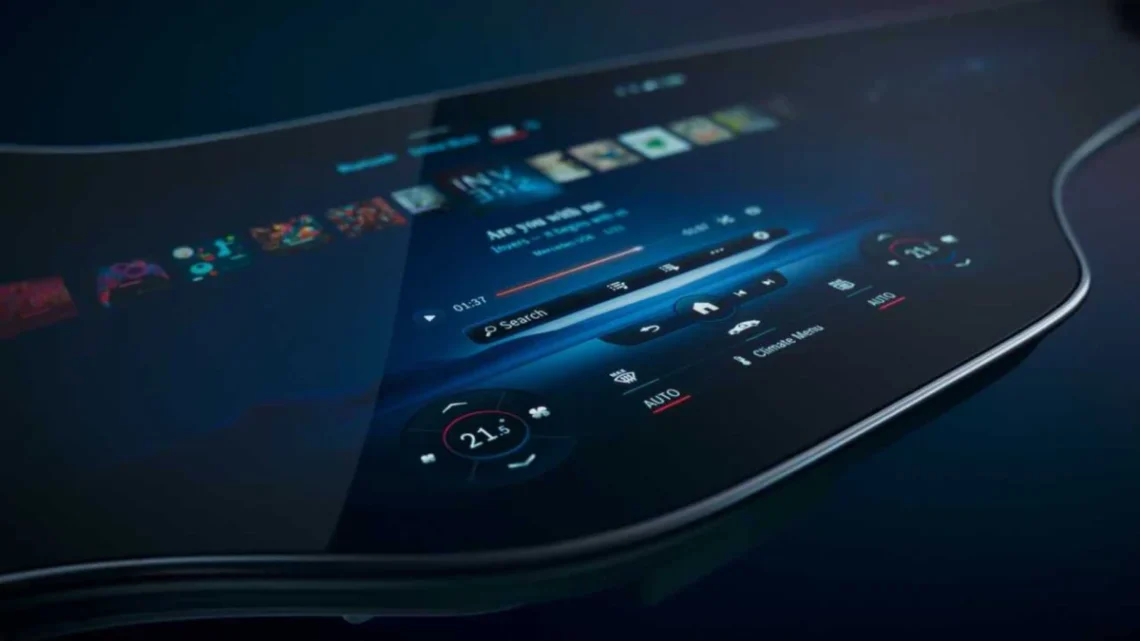
Led by pioneering tech-forward automakers, the industry chased a minimalist aesthetic that promised futuristic luxury. Chief among these digital evangelists was Mercedes-Benz, a brand that stunned the automotive world with its expansive MBUX Hyperscreen, turning entire dashboards into glossy, fingerprint-magnet displays.
Yet, the future has hit a speed bump, and it is paved with consumer frustration.
Drivers have made their discontent resoundingly clear: they want physical buttons back. The relentless digitization of cabin controls—forcing motorists to dive three menu tiers deep just to adjust the cabin temperature or change a fan speed—has proven to be a major ergonomic and safety misstep. Recognizing that the industry may have crossed a line, top automotive executives are finally swallowing their pride.
During a recent, candid Q&A session on Reddit, Mercedes-Benz CEO Ola Källenius made a startling admission: replacing physical controls with touchscreens wasn’t necessarily the best way to design a modern car interior. After years of hurtling blindly toward fully digital cabins, the Three-Pointed Star is officially changing direction, bringing back tactile buttons and switches where they make the most sense.
Main Facts: Mercedes Admits Digital Overload Went Too Far
The acknowledgment from the highest levels of Stuttgart represents a monumental shift in corporate philosophy. Mercedes-Benz was among the earliest and most aggressive adopters of screen-heavy interiors. The logic at the time seemed sound: digital interfaces offered infinite flexibility, allowing manufacturers to easily deploy software updates, introduce new features over time, and keep vehicle interiors looking perpetually fresh.
However, the reality of driving exposed severe functional flaws in this philosophy. Touchscreens lack tactile feedback. To operate a screen, a driver’s eyes must leave the road to confirm target acquisition—a dangerous distraction at highway speeds. Conversely, physical buttons rely on muscle memory. A driver can easily locate a seat heater or volume knob by touch alone, keeping their eyes firmly fixed on the pavement ahead.
Källenius pulled back the curtain on how this digital snowball effect originally gained momentum across the industry, noting that automakers simply got swept up in the broader technological currents of the era:
"We basically just moved on with the times. It became a trend more and more for cars to become more digital, which played a part in us adding more functions to our models."
Despite steering Mercedes into this screen-heavy paradigm, Källenius himself is not immune to the charms of old-school engineering. In a statement that will warm the hearts of purists everywhere, the CEO confessed a personal preference for classic tactile feedback:
"I do love a good rocker and roller on a steering wheel myself."
This growing realization—that software-driven flexibility does not automatically translate to a better user experience—has triggered a tangible design pivot within the halls of Mercedes-Benz.
Chronology: From Minimalist Madness to the Tactile Counter-Reformation
To understand how the auto industry reached this crossroads, it is helpful to trace the timeline of the digital dashboard revolution and its subsequent backlash.
Phase 1: The Smartphone Era Inspires the Cabin (2012–2018)
As smartphones reshaped consumer expectations, buyers began evaluating car interiors by the quality and size of their displays. Automakers realized that physical buttons were expensive to tool, assemble, and integrate, whereas a single sheet of glass could house dozens of virtual controls at a fraction of long-term component costs. Early adopters trimmed physical dashboards down to bare essentials, shifting climate controls and audio systems into rudimentary center-console touchscreens.
Phase 2: The Hyperscreen and Peak Minimalism (2019–2023)
Mercedes-Benz elevated this trend to an art form with the introduction of the MBUX Hyperscreen. Spanning pillar-to-pillar across the dashboard, it represented the zenith of the digital-first movement. Other luxury brands quickly followed suit, eliminating physical air vents, steering wheel rollers, and center-stack switches. Interior design became an exercise in erasing seams and hiding functionality behind glossy black piano plastic.

Phase 3: The Consumer Backlash and Safety Scrutiny (2023–2024)
As millions of these vehicles hit the road, consumer complaints piled up. Independent safety watchdogs and consumer advocacy groups began raising red flags regarding driver distraction. Regulators, particularly in Europe via programs like Euro NCAP, announced that starting in 2026, vehicles would be penalized in safety ratings if they lacked physical controls for fundamental functions like hazard lights, turn signals, wipers, and horns.
Phase 4: The Pivot and Return of the Button (2025 and Beyond)
Recognizing the shifting tide of consumer sentiment and impending regulatory hurdles, Mercedes-Benz and other legacy automakers began quietly reworking upcoming product portfolios. The era of the unadulterated touchscreen takeover had officially peaked, giving way to a more pragmatic hybrid approach.
Supporting Data & Model Implementations: Where Buttons Are Returning
Mercedes-Benz is not just talking about reintroducing physical controls; it is actively modifying its vehicle lineup to reflect this philosophy. Källenius pointed directly to several recently introduced and heavily updated models where the company has placed a renewed emphasis on physical switches, including:
- The Mercedes-Benz GLS and GLE: Large luxury SUVs requiring intuitive, glove-friendly controls for climate and off-road driving modes.
- The Flagship S-Class: The traditional technological showcase for the brand, which is recalibrating its human-machine interface to prioritize ergonomic ease for executive buyers.
- Upcoming EV Platforms (GLC EV and GLB EV): Even as Mercedes pushes deeper into electrification, its next-generation electric vehicles are being designed with a healthier balance of physical switches rather than relying purely on digital menus.
While Källenius stopped short of providing a comprehensive list of every future model slated for a button resurgence, the message to product planners is clear: tactile controls are back on the bill of materials.
At the same time, Mercedes is careful not to swing the pendulum completely backward. The company recognizes that total regression—throwing out decades of digital progress—is neither practical nor desirable. Källenius emphasized that the brand aims to strike a sophisticated balance between advanced digital ecosystems and reliable physical ergonomics:
"Simply turning back the clock is not the right approach. I think we can all agree that new ways of interacting with the car must continue to be created… moving towards digital controls felt right and for the most part, still feels like the right thing to do in terms of developing modern day cars."
Official Responses and Industry-Wide Implications
Mercedes-Benz is far from alone in facing the music regarding screen fatigue. Across the automotive landscape, a broader industry correction is underway.
Brands like Volkswagen—which faced intense criticism for its overly sensitive, haptic-touch steering wheel controls and capacitive sliders—have publicly promised to bring back traditional, clicky buttons. Hyundai and Kia have similarly doubled down on keeping physical dials for dual-zone climate systems and volume control, recognizing that drivers actively factor ergonomics into purchase decisions.
The implications of this shift extend across multiple facets of the automotive sector:
1. Ergonomics and Safety First
The primary driver behind the return of physical controls is safety. By reducing the cognitive load required to operate basic vehicle functions, automakers can help mitigate driver distraction. Tactile switches allow motorists to keep their eyes where they belong: scanning the road ahead.
2. Manufacturing and Cost Realities
While touchscreens initially seemed like a cost-saving panacea, consumer dissatisfaction has created a tangible brand penalty. High-end luxury buyers, in particular, expect physical craftsmanship, weighted aluminum switches, and satisfying mechanical feedback rather than cheap plastic panels coated in smudgy fingerprints. Reintroducing physical buttons elevates perceived interior quality—a critical metric for luxury marques.
3. Regulatory Pressures
Safety agencies are shifting from passive observation to active enforcement. With European safety authorities penalizing vehicles that bury basic functions inside touchscreen menus, global automakers are preemptively redesigning their cabins to ensure top-tier safety ratings across international markets.
Conclusion: The Best of Both Worlds
The great touchscreen experiment of the 2010s and early 2020s taught the automotive industry a valuable lesson: just because technology can be digitized doesn’t mean it should be.
By admitting that digital controls went too far, Mercedes-Benz is showing a commendable willingness to listen to its customer base. The future of the car interior is not an either-or proposition. It will not be a sterile, buttonless digital cave, nor will it be a nostalgic retreat to 1990s dashboard layouts.
Instead, the modern automotive cabin is settling into a harmonious middle ground—one where sprawling digital displays provide entertainment, navigation, and over-the-air adaptability, while physical rocker switches, rotary dials, and tactile buttons handle the daily business of driving safely and comfortably. For drivers everywhere, that is a design victory worth celebrating.