COLUMBUS, Ohio — For nearly forty years, the automotive landscape has whispered tales of a legendary, unseen stash tucked away in the heart of Ohio. While professional car dealers make their living churning inventory—buying low, selling high, and keeping their eyes fixed on the next quick profit—this anonymous longtime dealer took a different path. A true purist with an eye for American horsepower, he quietly and deliberately amassed a private time capsule of classic General Motors muscle cars, performance icons, and rare blue-collar speed legends.
Now, the era of secrecy is coming to a close. In a newly released YouTube feature, veteran automotive dealer and personality John Clay Wolfe peeled back the layers of this extraordinary forty-year hoard, picking through scores of pristine and preserved vehicles. The reveal has sent shockwaves through the classic car community, offering a rare glimpse into a collection untouched by the modern restoration craze—and setting the stage for a massive no-reserve auction event that promises to flood the market with automotive gold.
Main Facts: Inside the Four-Decade Hoard
The sheer breadth of the Ohio collection staggers the imagination. Spanning decades of American automotive dominance, the assortment reads like a holy grail checklist for fans of rear-wheel-drive performance, V8 thunder, and turbocharged muscle.
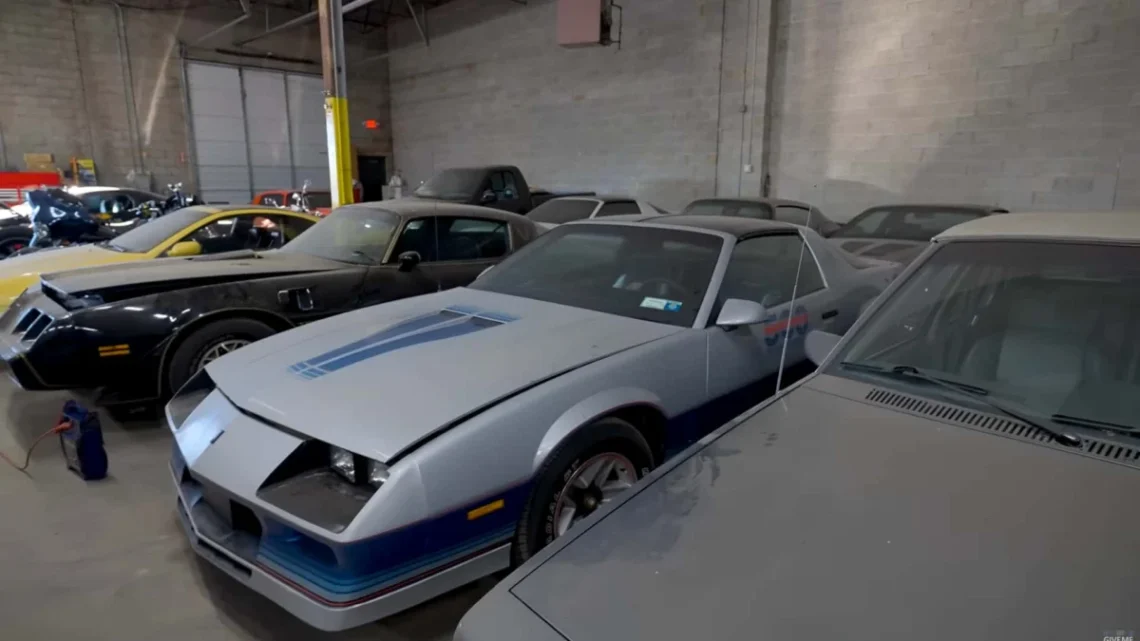
Dominated heavily by General Motors products from the golden eras of performance, the hidden warehouse and surrounding structures housed pristine Chevrolet Camaros, Pontiac Trans Ams, and fiercely coveted Buick Grand Nationals. The collection also holds unexpected treats, such as a white-on-red Chevrolet Corvette C3 and even a performance-truck outlier: a pristine 2000 Ford SVT Lightning.
Among the standout acquisitions secured by Wolfe during his initial walkthrough are two vastly different machines that highlight the extremes of the collection:
- The Time-Capsule Icon: A 1985 Chevrolet Camaro IROC-Z showing an astonishingly low 200 miles on the odometer. Wolfe and the seller agreed on a $45,000 price tag for the virtually brand-new, mid-1980s icon.
- The Project Classic: A classic C3 Corvette finished in classic white over a vibrant red interior, hampered only by a failed transmission, which Wolfe snapped up for a modest $7,000.
The vehicles are not remaining in Ohio long. Wolfe has confirmed that roughly 100 of these preserved classics will cross the auction block on December 23 at Manheim Dallas, giving collectors, investors, and enthusiasts a once-in-a-generation opportunity to bid on unmolested Detroit history.
Chronology: From Quiet Accumulation to High-Stakes Dealmaking
The Foundation Years (1980s – 1990s)
The story of this collection began four decades ago, long before the internet transformed the classic car market into a global, data-driven exchange. Operating out of Ohio, the anonymous dealer began setting aside choice examples of cars he personally loved.
Instead of flipping high-demand muscle cars during the economic booms of the late 1980s and 1990s, he tucked them away. While other vehicles were driven into the ground, modified past recognition, or lost to rust, these particular cars were preserved in climate-controlled environments, effectively pausing their lifecycles in the middle of their operational prime.
The Discovery and Video Feature (Late 2023)
Word of the collection trickled through industry insider circles until it finally caught the attention of John Clay Wolfe. Known for handling massive commercial vehicle inventories and high-volume wholesale transactions, Wolfe traveled to Ohio to inspect the hoard firsthand.
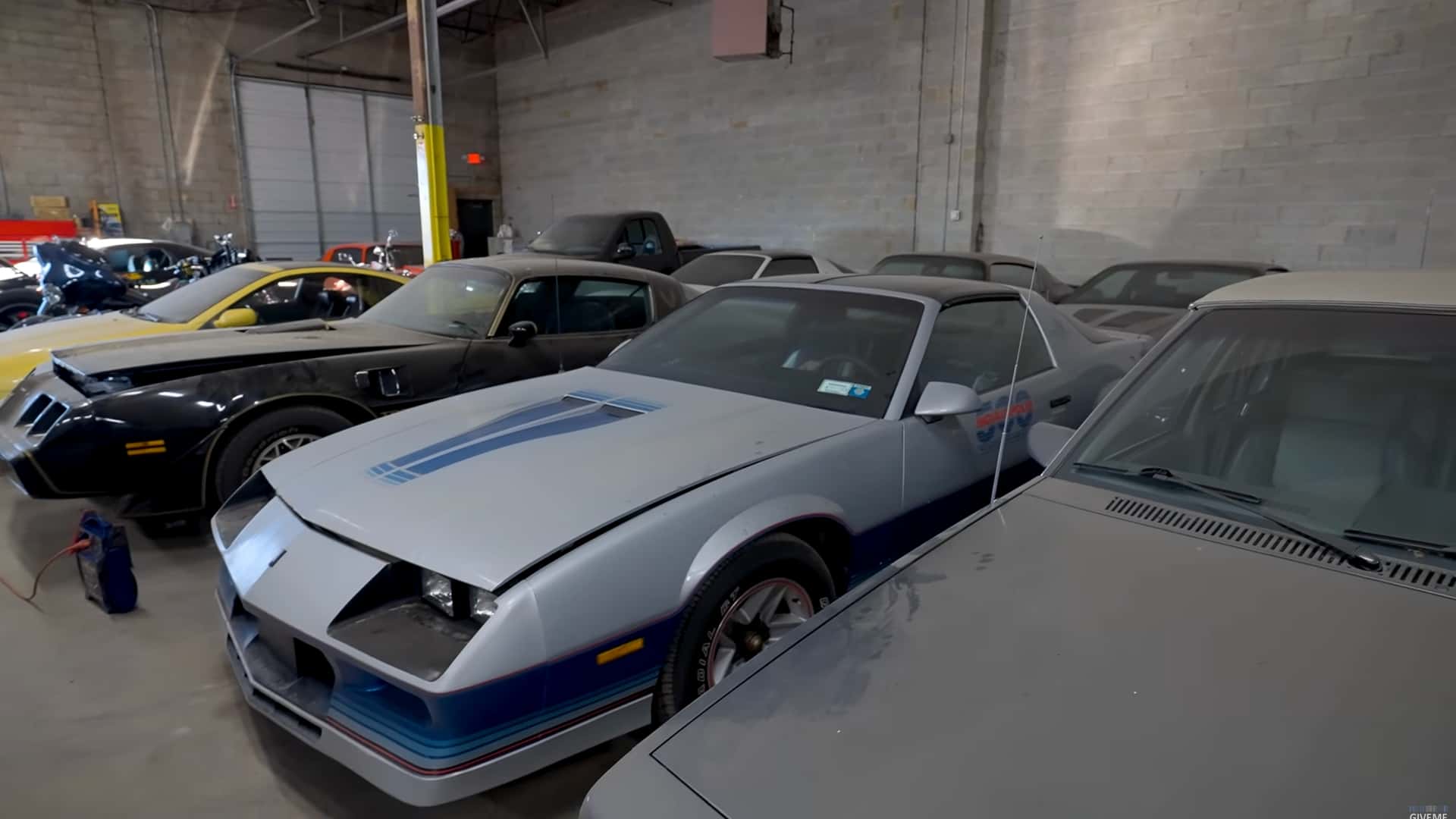
Armed with cameras, Wolfe documented the walkthrough, capturing the moment daylight hit paintwork that had sat in darkness for decades. The resulting video exposed dusty yet impeccably preserved sheet metal, stoking immediate interest across enthusiast forums and social media.
The Negotiation Process
The YouTube feature provided viewers with a rare, unvarnished look at high-stakes dealer negotiations. Not every vehicle changed hands. While Wolfe successfully negotiated deals for marquee investments like the 200 miles-on-the-clock IROC-Z Camaro and the transmission-troubled C3 Corvette, negotiations stalled on several other high-profile lots.
In classic wholesale fashion, Wolfe walked away from vehicles where the seller’s emotional attachment drove the asking price too high, leaving insufficient margin for profit, as well as units requiring more restorative labor than his operational model could justify.
The Road to Manheim Dallas (December 23)
Following the handshake deals in Ohio, the logistics machinery swung into high gear. The selected vehicles were transported south to Texas. The grand finale is officially set for December 23 at Manheim Dallas, where approximately 100 vehicles from the collection will be offered to the public—with a massive catch: they will all sell with no reserve.
Supporting Data & Market Context: The Value of Preservation
To understand why the automotive world is paying close attention to this specific collection, one must examine the current trajectory of 1980s and 1990s collector car values. For decades, the classic car market was dominated by pre-1973 muscle cars—tri-five Chevys, early Mustangs, and big-block Chevelles. However, demographic shifts have propelled vehicles from the Reagan and Clinton eras into blue-chip status. Gen X and older Millennials are now reaching peak earning years, and they are aggressively buying the poster cars of their youth.
The 1985 Camaro IROC-Z Phenomenon
The Third-Generation (third-gen) Camaro, introduced for the 1982 model year, marked a revolutionary styling and engineering shift for Chevrolet. By 1985, the introduction of the International Race of Champions (IROC-Z) package elevated the F-body to cultural icon status. Featuring upgraded suspension, lowered ride height, special decals, and tuned-port injection (TPI) V8 engines, the IROC-Z defined 1980s street presence.
Finding an original, un-modified IROC-Z is difficult; finding one with only 200 miles is practically unheard of. Most examples were driven hard, modified with aftermarket exhaust systems, or subjected to amateur cosmetic alterations. At $45,000, Wolfe’s acquisition price for a 200-mile 1985 example reflects a robust premium for condition and mileage, yet industry analysts suggest it could still represent a strong investment as third-gen values continue their steep upward climb.
The Rise of Turbo-Buicks and Trans Ams
Alongside the Camaros, the inclusion of Buick Grand Nationals in the collector’s hidden stash holds immense market significance. The 1986–1987 Buick Regal Grand National—and its swan song, the GNX—shattered the stereotype that American performance died with the 1970s fuel crises. Powered by a turbocharged 3.8-liter V6 that routinely humbled contemporary V8 Corvettes, these sinister, all-black cruisers have seen astronomical appreciation over the last decade. Clean, low-mileage examples regularly command six figures at major premier auctions like Barrett-Jackson and Mecum.
Official Perspectives and Industry Reactions
The revelation of the Ohio collection has triggered widespread commentary from automotive historians, professional brokers, and digital content creators alike.
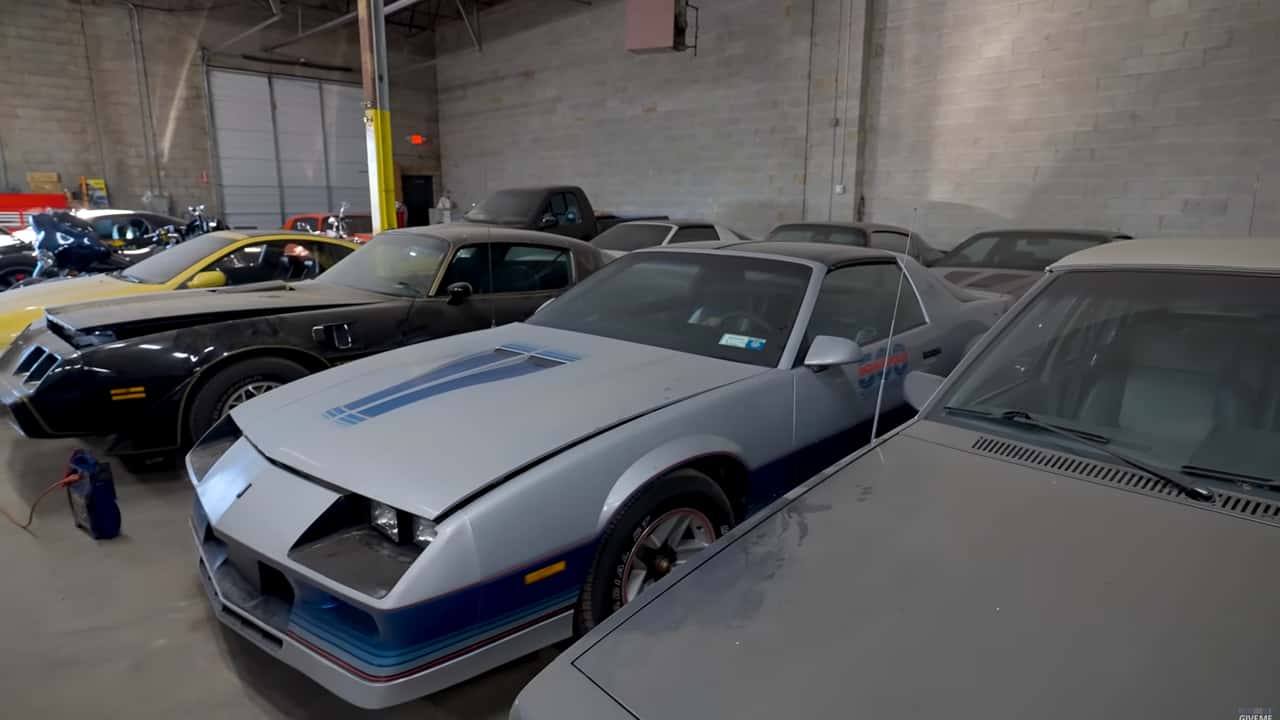
Industry veterans point out that finding a "time-capsule" collection of this magnitude is becoming increasingly rare. With modern digital tracking, estate sales, and online auction platforms, cars hidden away for decades are usually sniffed out and liquidated long before they can reach a critical mass of 100 vehicles.
John Clay Wolfe noted during the video feature that dealing in wholesale volume requires a strict calculation of risk versus reward. His refusal to overpay for emotional attachments demonstrated the clinical discipline required in high-level vehicle flipping. At the same time, Wolfe expressed clear enthusiasm for the cultural weight of the metal he was handling, emphasizing that preserving history is just as important as turning a profit.
Auction house representatives at Manheim have confirmed that interest in the upcoming December 23 sale is unprecedented for a regional inventory event. Because the vehicles are being offered with no reserve, every single lot must find a new home when the hammer falls, guaranteeing fierce bidding competition.
Implications: What This Means for Classic Car Enthusiasts and Investors
The dispersal of the Ohio collection carries several profound implications for the collector car ecosystem moving forward:
1. A Reality Check for Modern-Classic Pricing
With roughly 100 vehicles hitting the block at no reserve, the Manheim Dallas auction will serve as a massive live-market litmus test. For years, asking prices for third-generation Camaros, Fox-body Mustangs, and Pontiac Trans Ams have climbed steadily on platforms like Bring a Trailer and Cars & Bids. However, a no-reserve multi-car dump of this scale will establish hard, undeniable baseline values for unrestored 1980s and 1990s performance cars.
2. The Shifting Definition of "Muscle"
This collection reinforces the ongoing generational shift in what constitutes a "classic muscle car." Traditionalists who once dismissed fuel-injected small-blocks and turbocharged V6s are being forced to reckon with the market dominance of modern classics. The presence of Buick Grand Nationals, high-spec Camaros, and even a Ford SVT Lightning truck proves that collector interest now firmly embraces the late-20th-century performance renaissance.
3. Barriers to Entry for Retail Buyers
While the no-reserve auction format ensures that bargains could theoretically be found, everyday enthusiasts face a significant hurdle. Wolfe explicitly noted that participation in the Manheim Dallas sale requires attendees to hold a valid dealer’s license. This means retail buyers will likely need to coordinate with licensed brokers, wholesalers, or specialized dealers who secure bidding rights, adding an extra layer of complexity for retail collectors hoping to score a piece of the Ohio stash.
Summary and Next Steps
The unmasking of the Ohio dealer’s four-decade collection marks the end of an era for one of America’s best-kept automotive secrets. From the 200-mile IROC-Z Camaro to the array of Grand Nationals, Trans Ams, and hidden gems, these vehicles are stepping out of the shadows and back into the sunlight.
For those qualified to participate, the December 23 auction at Manheim Dallas represents a rare window to acquire unmolested, highly original Detroit history. As the hammer prepares to fall on 100 no-reserve lots, the classic car world watches closely, eager to see what four decades of quiet accumulation is truly worth in today’s high-stakes market.