The vast majority of analogue timepieces we encounter share a familiar DNA: central hour and minute hands, often accompanied by a central seconds hand. This configuration, a masterpiece of functional clarity, traces its lineage back to Ancient Egypt, where the shadow of a sundial swept across a circular plate in a clockwise rotation. While this "perfected" design has served humanity for centuries, the history of watchmaking is equally defined by those who dared to disrupt the status quo.
Moving hands away from the central pinion is not merely an aesthetic choice; it is a profound demonstration of horological ingenuity and mechanical complexity. By challenging the traditional layout, watchmakers have historically unlocked new ways to interpret the passage of time, turning the dial into a canvas for mechanical artistry.
The Genesis of the Regulator
The most storied departure from the central-hand layout is the "Regulator." To understand the modern regulator wristwatch, one must look back to the 18th century, when precision was not a luxury but a necessity for the advancement of science and navigation.
Historical Context: The Master Clocks
Between the 18th and early 20th centuries, regulator clocks served as the ultimate arbiters of time. These were not mere household items; they were weight-driven, pendulum-regulated master clocks housed in observatories, post offices, and railway stations. While a standard timepiece of the era might drift by five minutes a week, a precision regulator was accurate to within ten seconds per month.
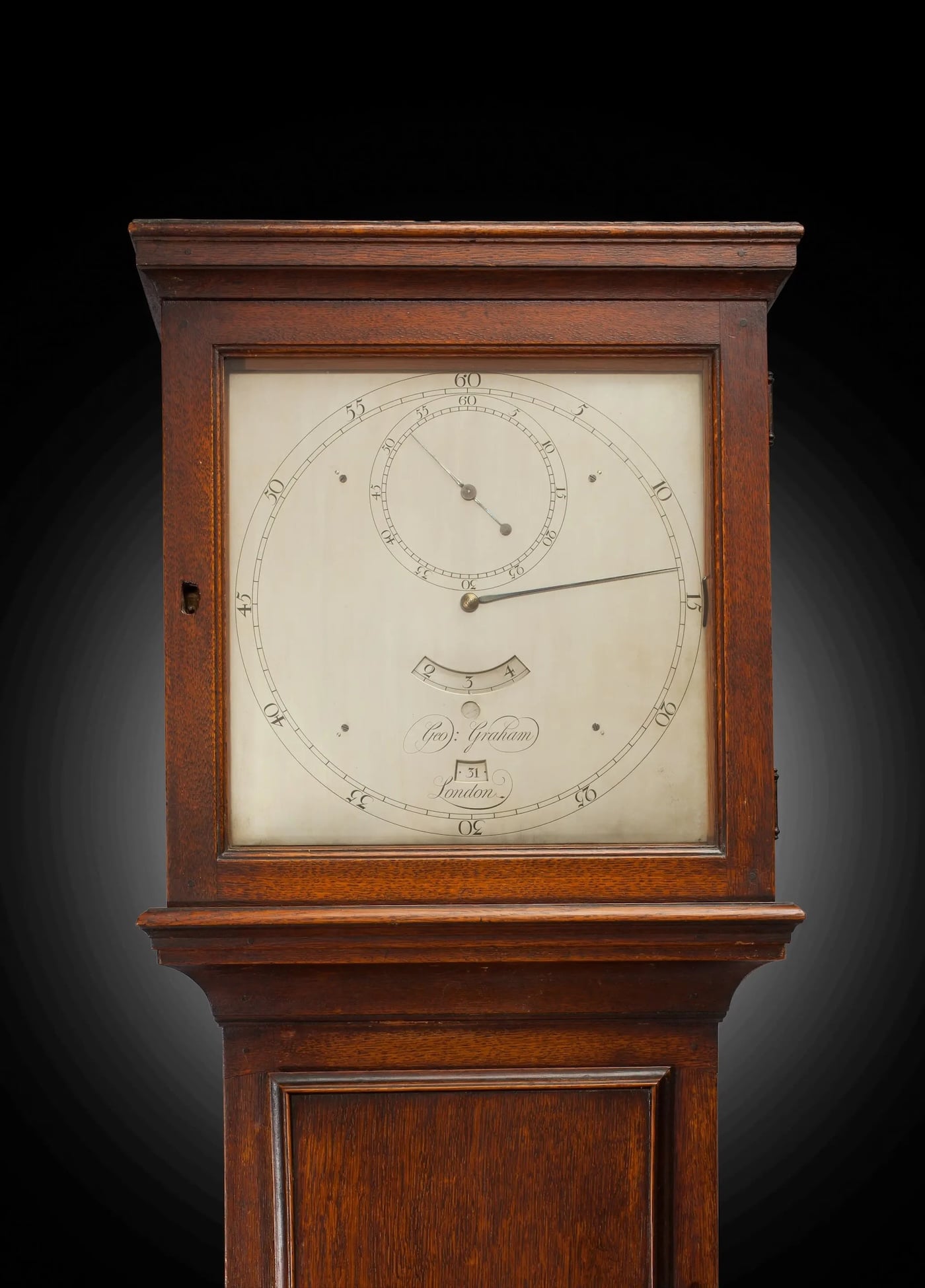
The distinctive look of these clocks—with the minute hand centralized and the hour and seconds hands relegated to subsidiary dials—was a utilitarian design. For a watchmaker adjusting a batch of pocket watches, the minute was the critical unit of measurement. By isolating the minute hand, the regulator offered unparalleled legibility, ensuring that the "master" time could be read at a glance without interference from the hour or seconds indications.
George Graham: The Father of Precision
The regulator’s perfection is credited to George Graham, the English clockmaker who invented the device in 1715. Graham’s contributions went beyond the layout; he introduced the "deadbeat" escapement, which eliminated the inefficient recoil found in the earlier anchor escapement, and the mercury-compensated pendulum. By placing mercury in the pendulum weights, Graham created a self-adjusting system that counteracted the thermal expansion of the pendulum arm—a groundbreaking development that set the standard for timekeeping for over a century.
Modern Interpretations: From Atomic Clocks to Wristwatches
In our contemporary era, the "master clock" has evolved from a mechanical pendulum to the global network of Caesium-133 atomic clocks that define Coordinated Universal Time (UTC). These devices are so precise that, had they been running since the dawn of the universe, they would have lost less than a single second.
Despite the digital ubiquity of atomic time, the allure of the mechanical regulator remains stronger than ever. The style has been embraced by modern horology as a bridge to the past.
The Rise of the Regulator Wristwatch
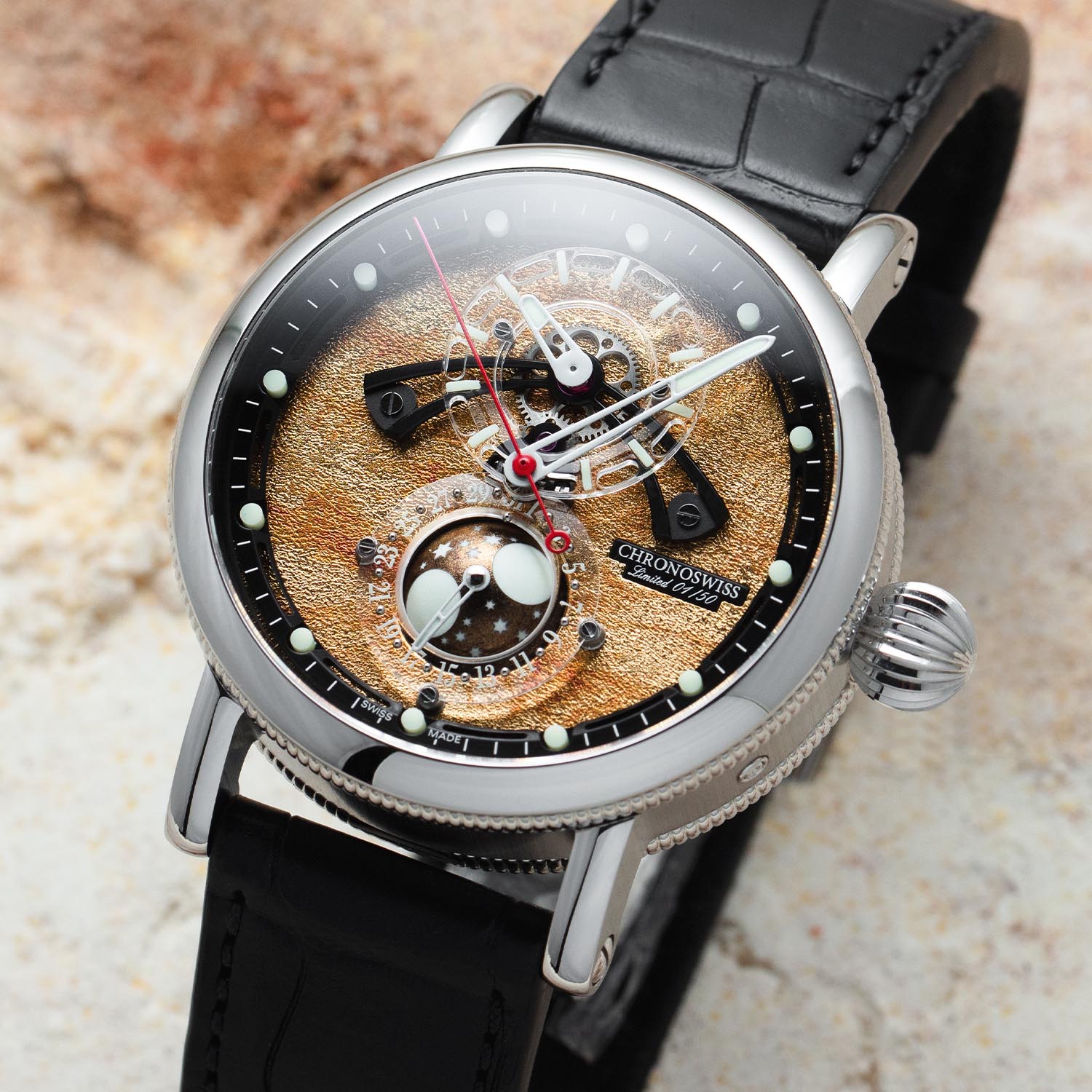
In 1987, Chronoswiss, founded by Gerd-Rüdiger Lang, changed the landscape by launching the world’s first serially produced regulator-style wristwatch. The Régulateur featured a prominent central minute hand with an hour sub-dial at 12 o’clock and a seconds sub-dial at 6 o’clock. This commercial success proved that there was a hungry market for horological heritage on the wrist.
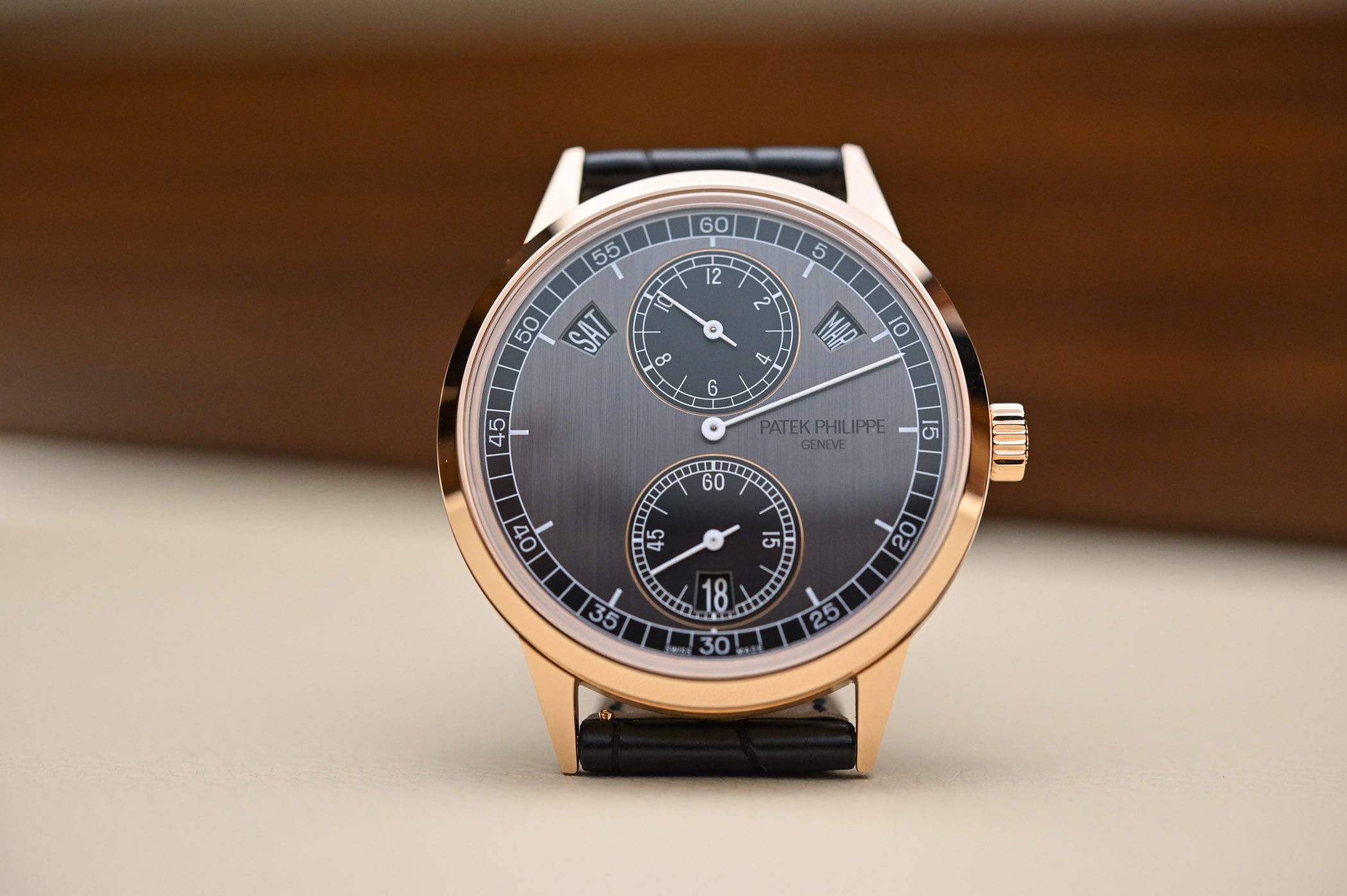
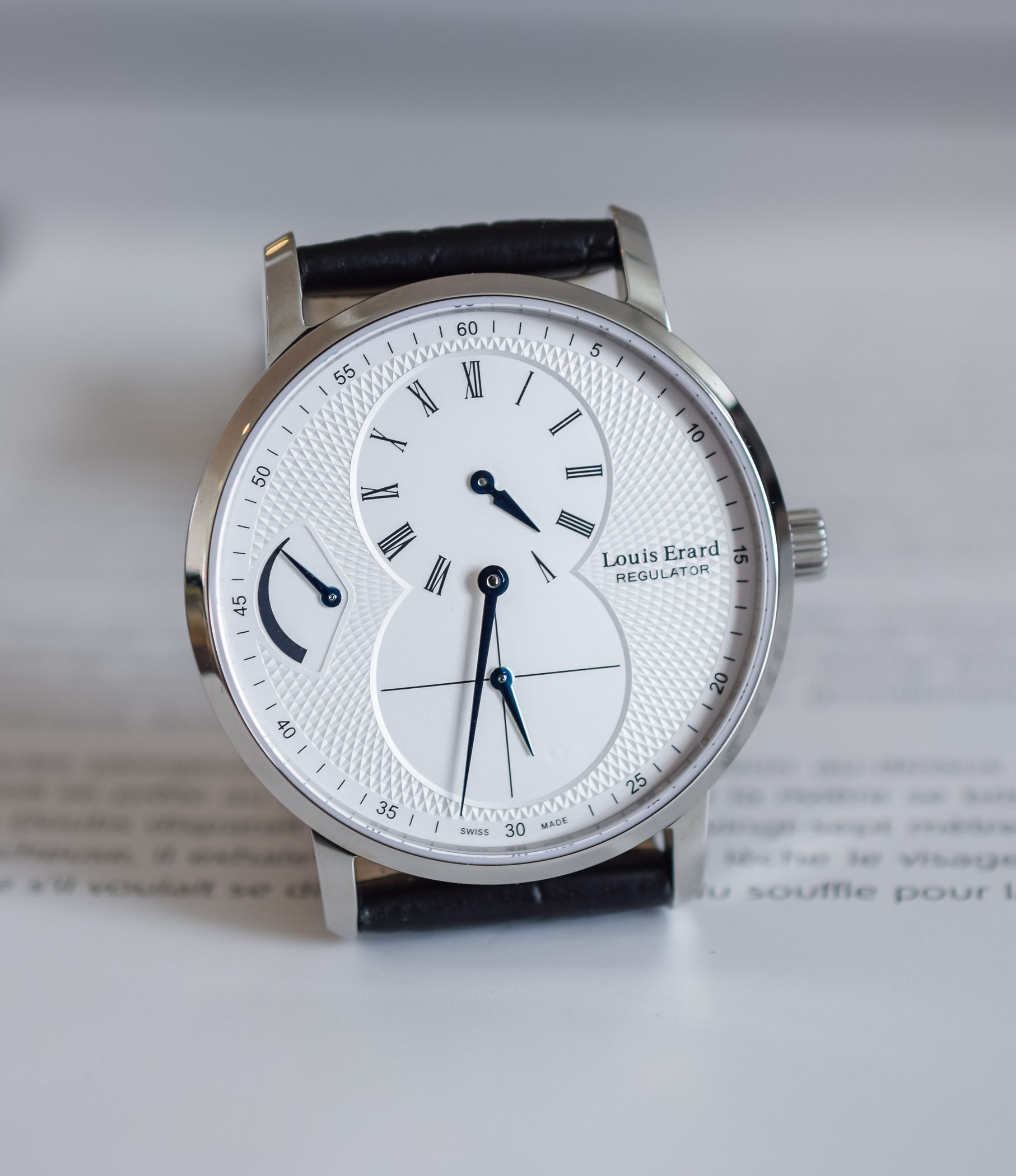
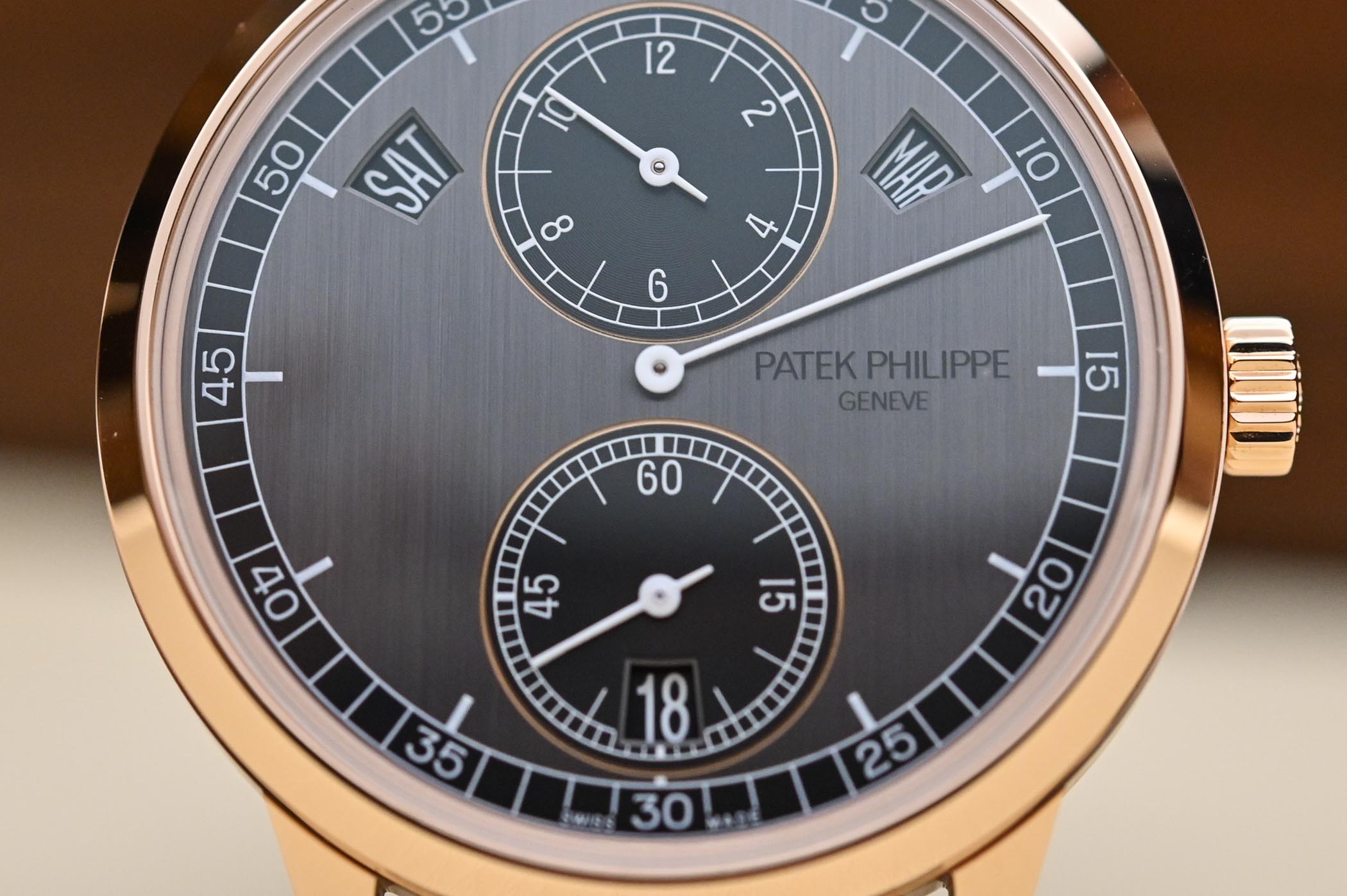
Today, the regulator has moved into the portfolios of the industry’s elite. From the understated elegance of the Patek Philippe ref. 5235R, which integrates an annual calendar into the regulator layout, to the whimsical collaborations between Louis Erard and avant-garde designers like Konstantin Chaykin and Alain Silberstein, the regulator is no longer just a tool—it is a playground for innovation.
The Retrograde Revolution
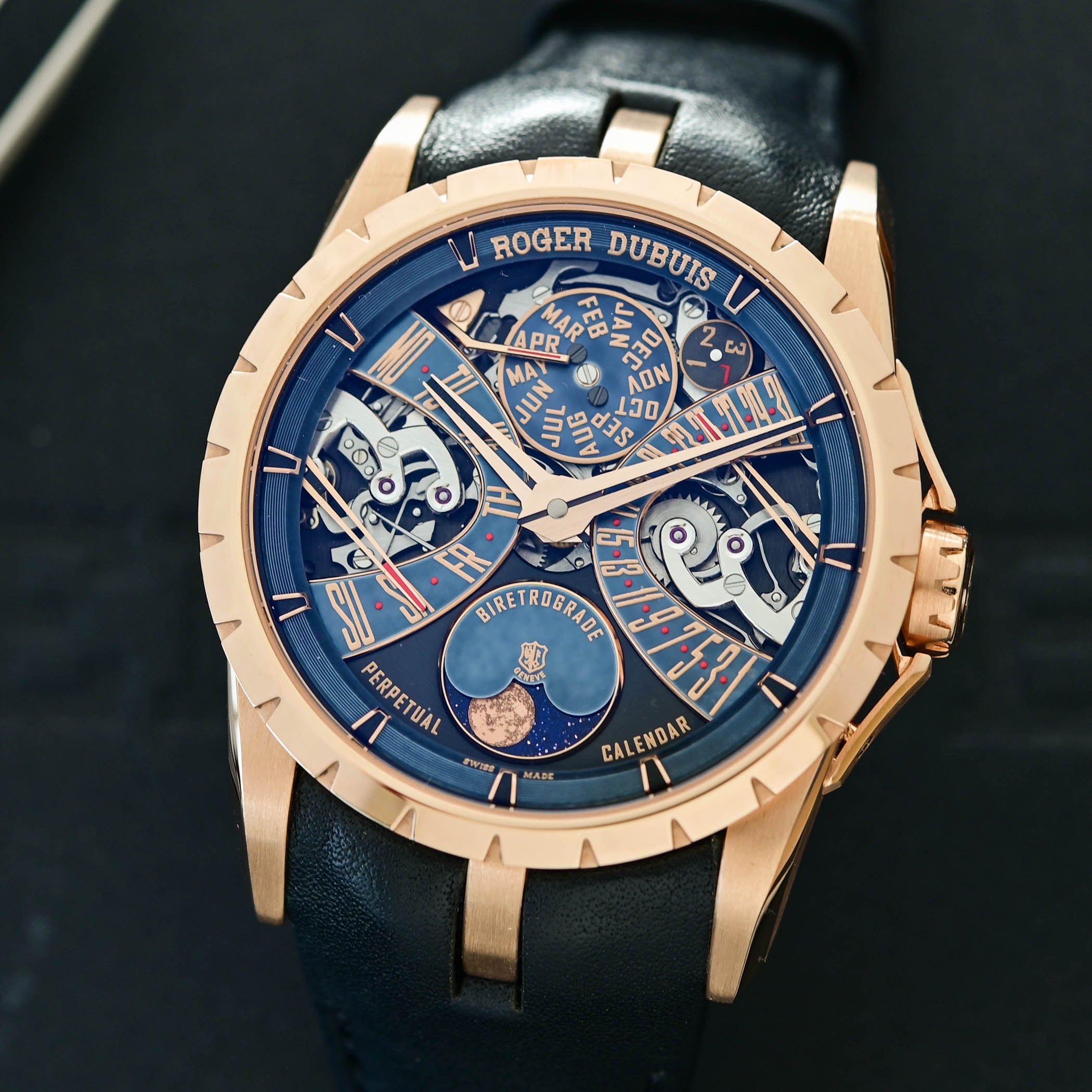
While the regulator separates hands into sub-dials, the "retrograde" complication changes the way a hand moves entirely. Instead of completing a full 360-degree rotation, a retrograde hand sweeps along an arc—90, 180, or 270 degrees—before instantly snapping back to its starting position to begin the cycle anew.
Mechanical Complexity and Obscurity
Tracing its roots to 17th-century Germany and France, the retrograde display was initially a curiosity of scientific clocks. By 1791, Jean-Antoine Lépine had incorporated a retrograde hour hand into a pocket watch, yet the complication remained largely obscure for over a century. It was Abraham-Louis Breguet who eventually popularized the mechanism, though it was the 20th-century resurgence of haute horlogerie that truly elevated it to a high-complication status.
The Ulysse Nardin Masterclass
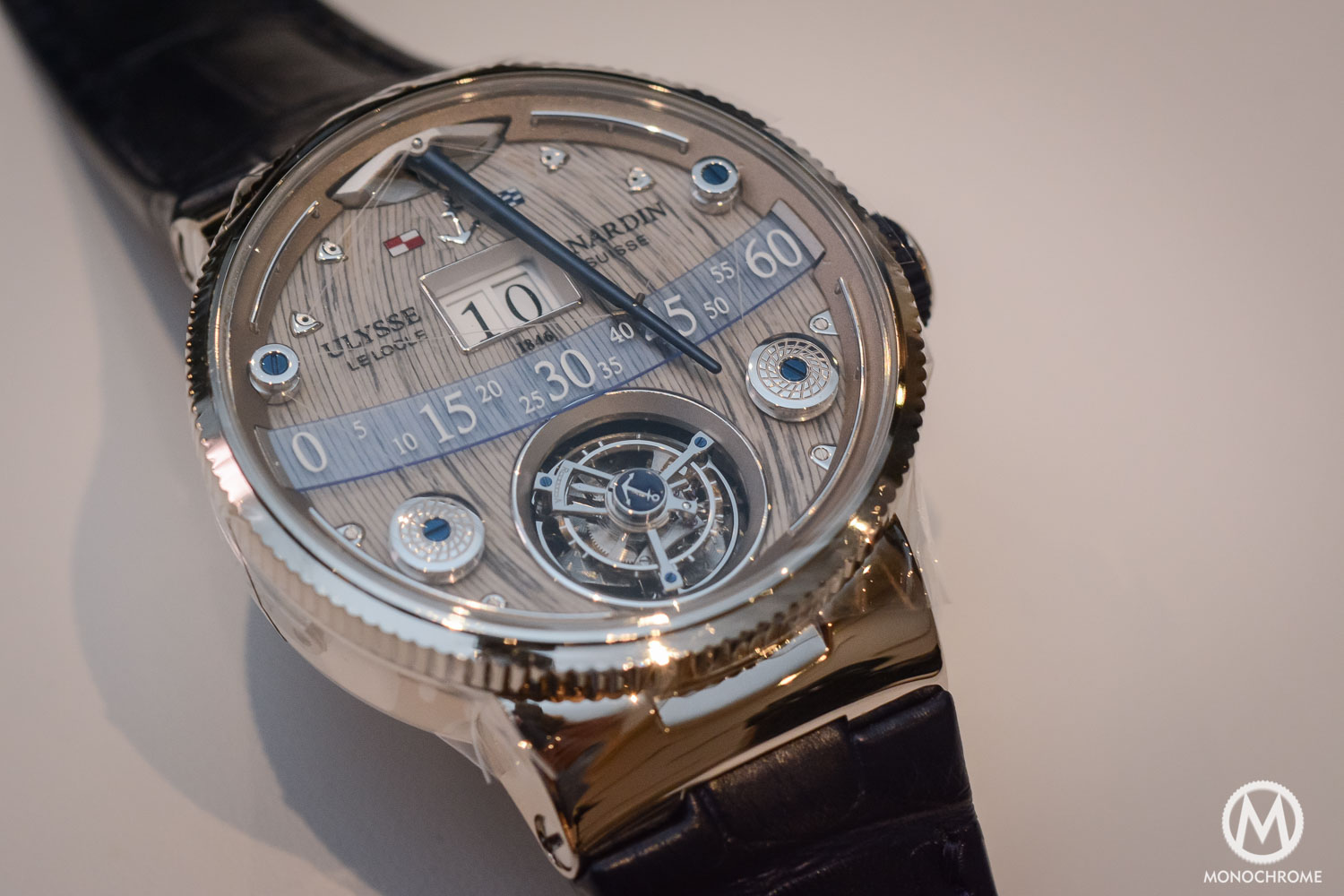
Perhaps no modern timepiece captures the drama of the retrograde display like the Ulysse Nardin Grand Deck Marine Tourbillon. In this masterpiece, the minute hand does not move via standard gearing. Instead, it is actuated by high-tensile Dyneema fiber wires, mimicking the rigging of a ship. As the minutes progress, the wires wind and unwind, pulling the hand across the dial before it performs a controlled, smooth sweep back to zero. It is a stunning example of how mechanical complexity can replace the simplicity of a central pinion to create an evocative, kinetic experience.
Off-Centre Timing: The Art of Asymmetry
Off-centre timing displays are often favored by brands looking to maximize dial space for additional complications. This design creates a visual imbalance that is inherently sophisticated.
The Power of the "Figure-Eight"
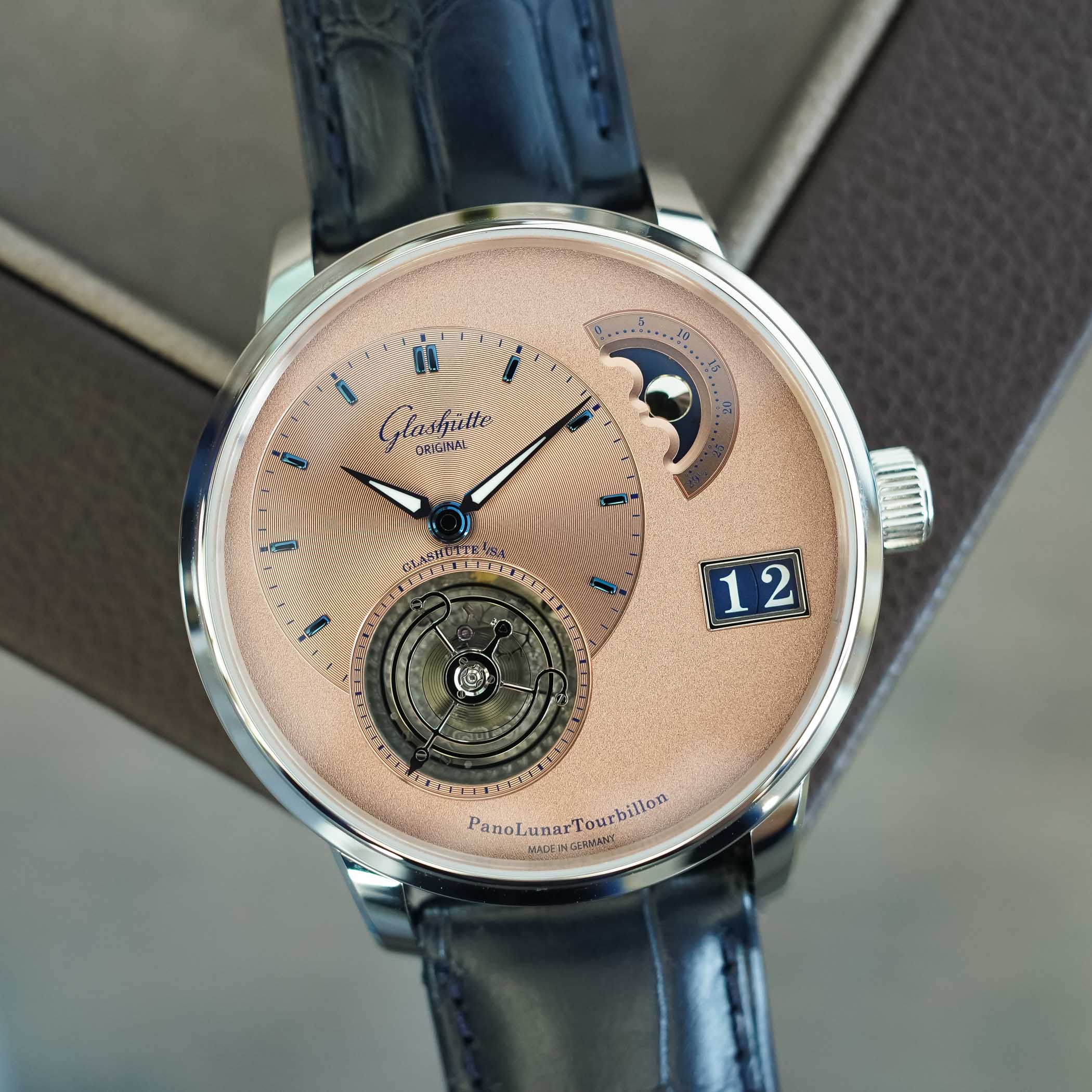
Jaquet Droz has mastered this with its Grande Seconde series, utilizing an overlapping figure-eight sub-dial layout. Similarly, Glashütte Original’s Pano collection utilizes an off-centre timing sub-dial at 10 o’clock, creating space for big date apertures, moon phases, and flying tourbillons.
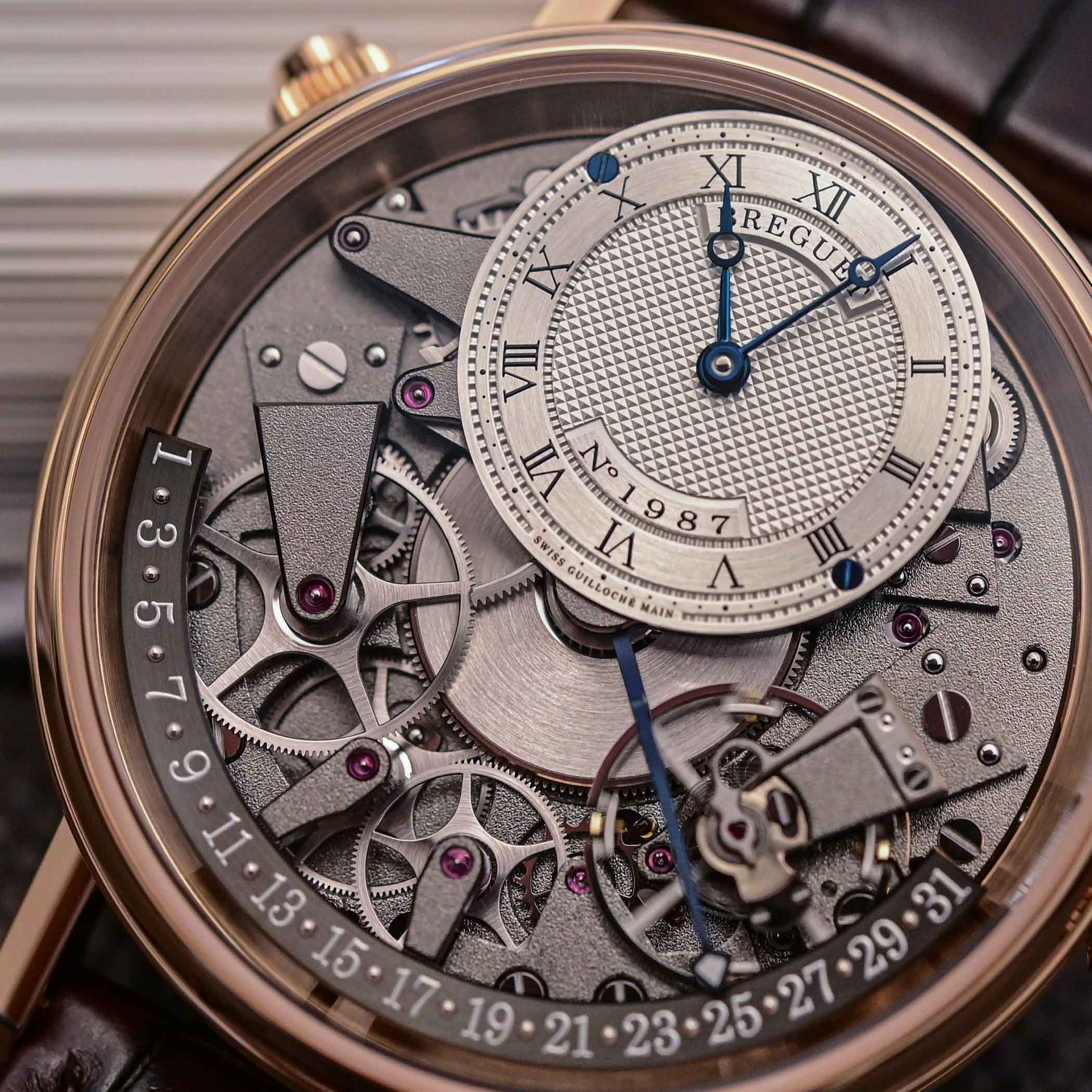
Perhaps the most iconic example is the A. Lange & Söhne Lange 1. Launched in 1994 as the brand’s flagship following the reunification of Germany, the Lange 1 features an off-centre time display, a large date, and a power reserve indicator. It is the gold standard of German haute horlogerie, proving that an unconventional layout can become a timeless icon.
Jacob & Co.: The Kinetic Frontier
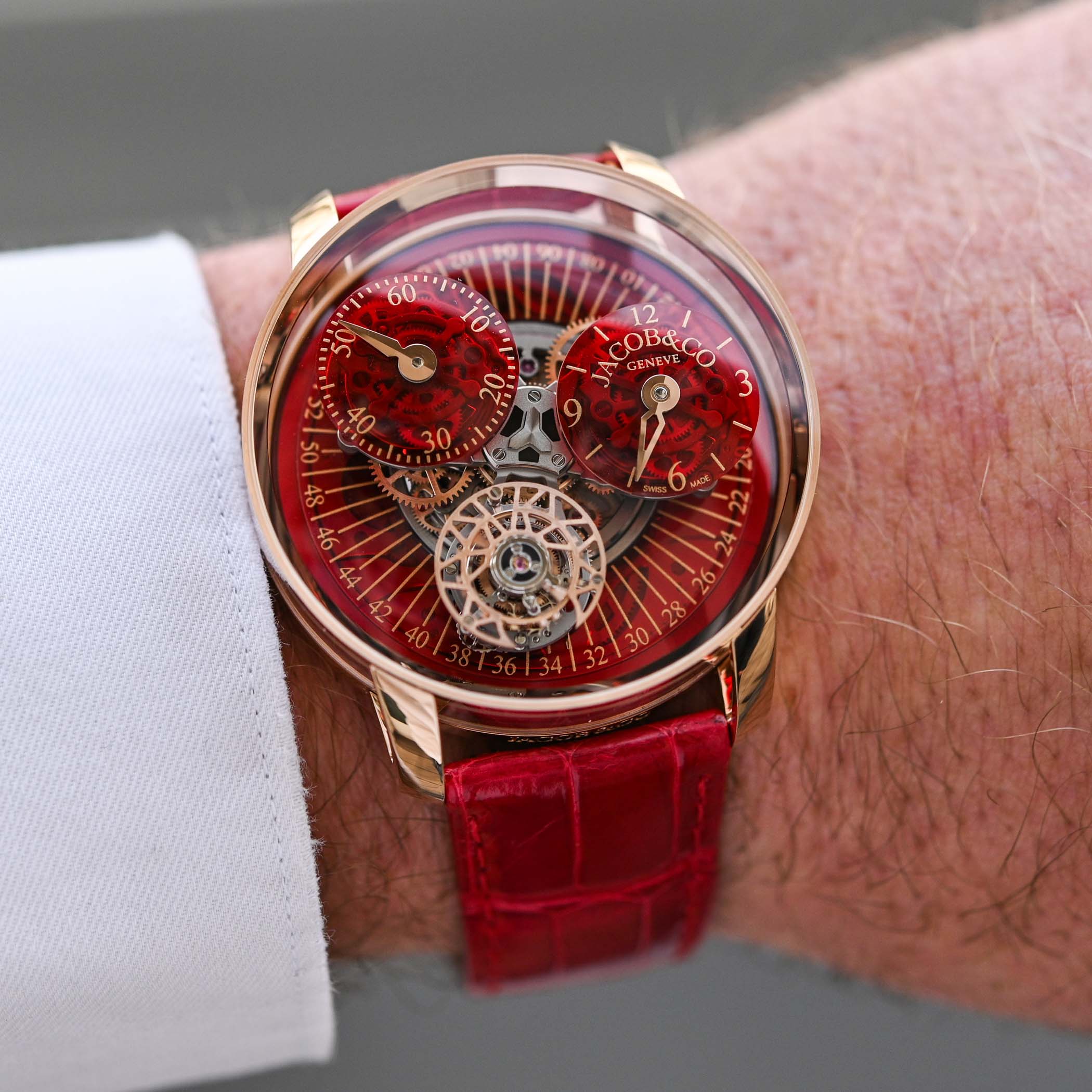
When one speaks of "going crazy" with off-centre displays, Jacob & Co. is the inevitable destination. The Astronomia collection takes the off-centre sub-dial and places it within a rotating, three-dimensional planetarium. In models like the Tourbillon Typhoon, the sub-dial remains upright as it circles the main dial, accompanied by a triple-axis tourbillon. The ability to increase the speed of the animation—the "typhoon" effect—allows the entire dial to revolve in just four seconds. It is arguably the most complex execution of off-centre timing in existence.
Single-Hand Minimalism
At the opposite end of the complexity spectrum lies the single-hand watch. Brands like MeisterSinger have built their entire identity around this concept, drawing inspiration from medieval tower clocks where a single hand provided sufficient temporal awareness.
The Philosophy of Slow Time
Manfred Brassler, the founder of MeisterSinger, argues that the single-hand watch encourages a different relationship with time—one less concerned with the precise second and more focused on the flow of the hour. While the core collection is simple, the brand has pushed boundaries with complications like chiming mechanisms and jumping hours, proving that minimalism can be just as inventive as complexity.
Implications for the Future of Horology
The persistence of these non-traditional layouts suggests that the market for mechanical watches is driven by more than just timekeeping accuracy. In an age where an atomic-synced smartphone is the true "master clock," the value of a mechanical watch lies in its theater, its history, and its rejection of the predictable.
Whether it is the historical rigor of a regulator, the mechanical drama of a retrograde display, or the meditative simplicity of a single-hand watch, these designs represent the soul of horology. As shows like Watches and Wonders and Geneva Watch Days continue to highlight, the future of watchmaking is not just about what a watch tells us, but how it chooses to tell it. Innovation, it seems, is not about finding the shortest distance between two points—it is about making the journey between those points as fascinating as possible.