In an era where the automotive industry is obsessed with the "horsepower wars"—a landscape where hypercars frequently boast four-digit power figures—one must ask: how much is truly usable? While the latest crop of electrified hyper-machines pushes boundaries in terms of sheer output, they often fail the "real-world" test. Can you drop off the kids, navigate the weekly grocery run, and then confidently blast down to the Côte d’Azur in comfort? Most performance cars force a compromise: you either sacrifice ride quality for track-day precision, or you trade your spine health for interior space.
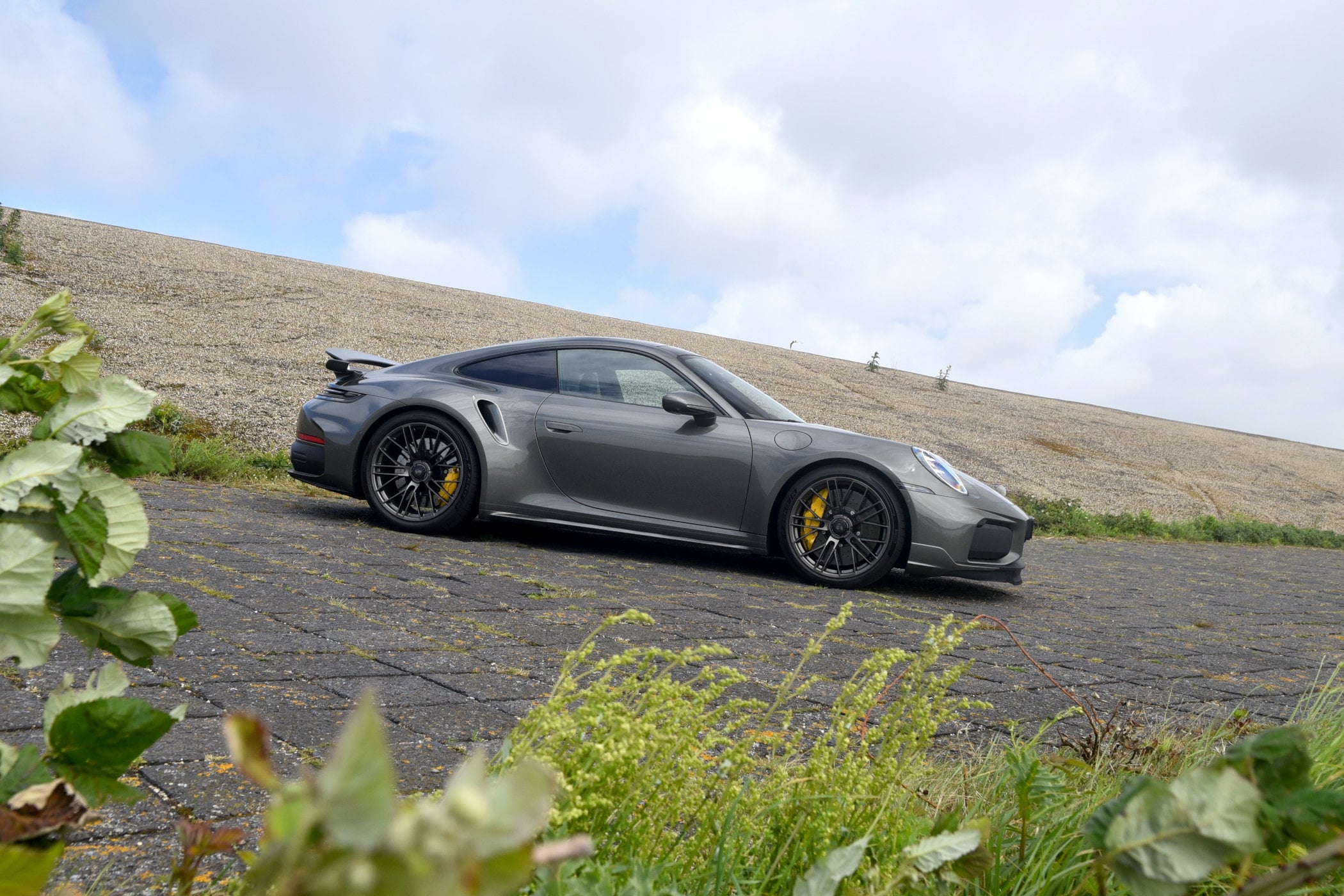
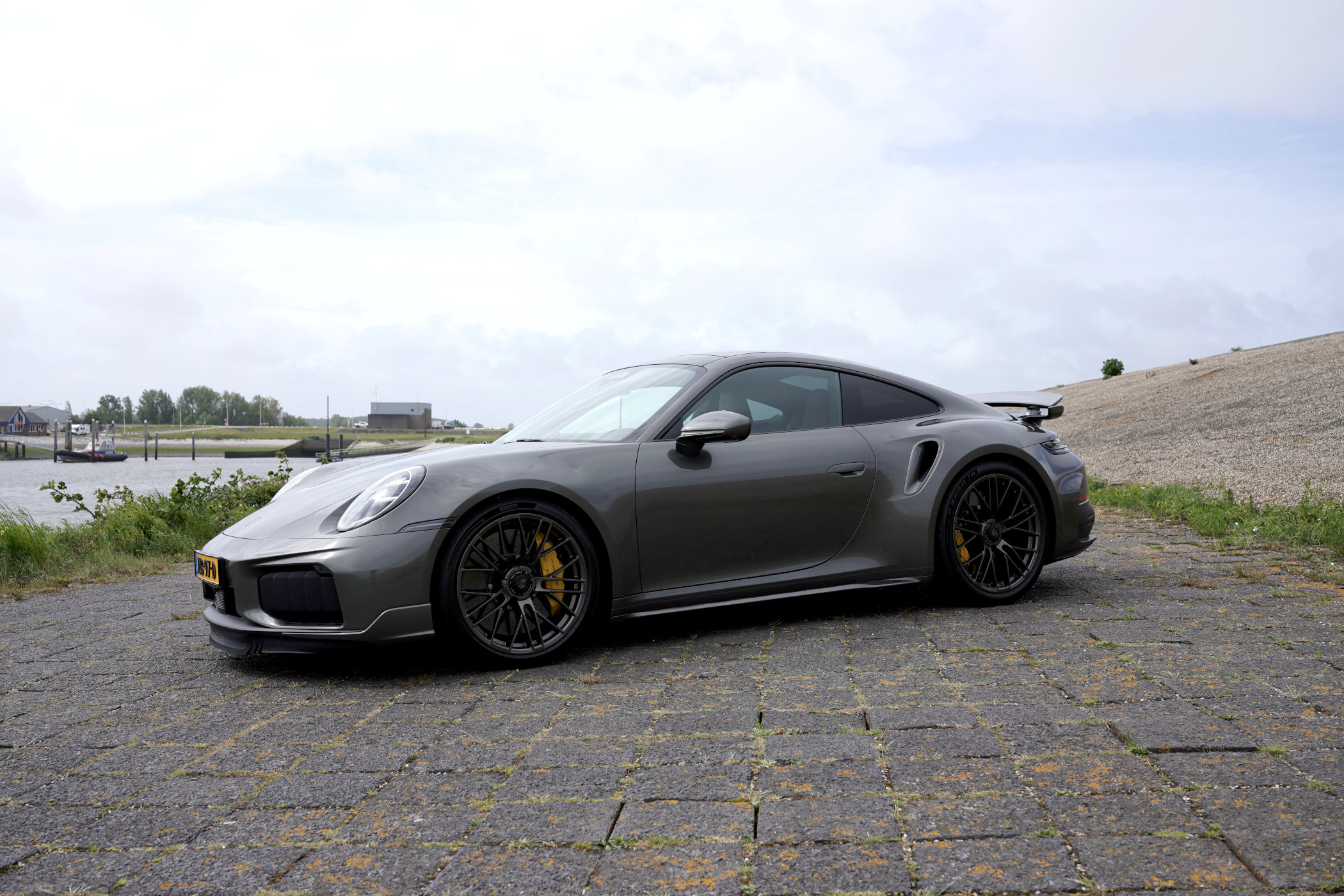
Porsche, however, has once again refined the art of the compromise. The new 2026 Porsche 911 Turbo S (992.2) stands as the ultimate answer to this riddle, proving that blistering performance does not have to come at the expense of daily usability.
The Turbo Legacy: From ‘Widowmaker’ to Masterpiece
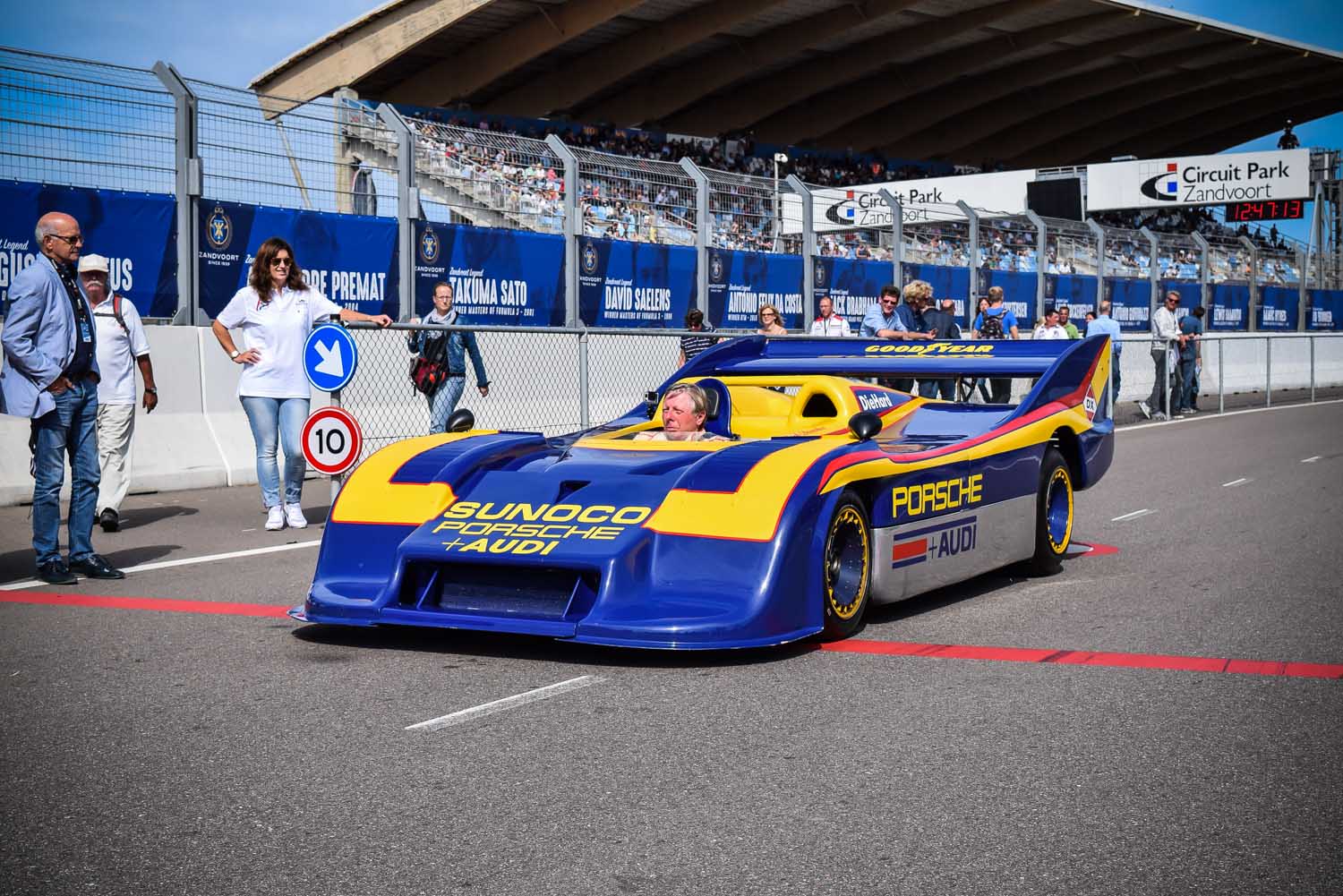
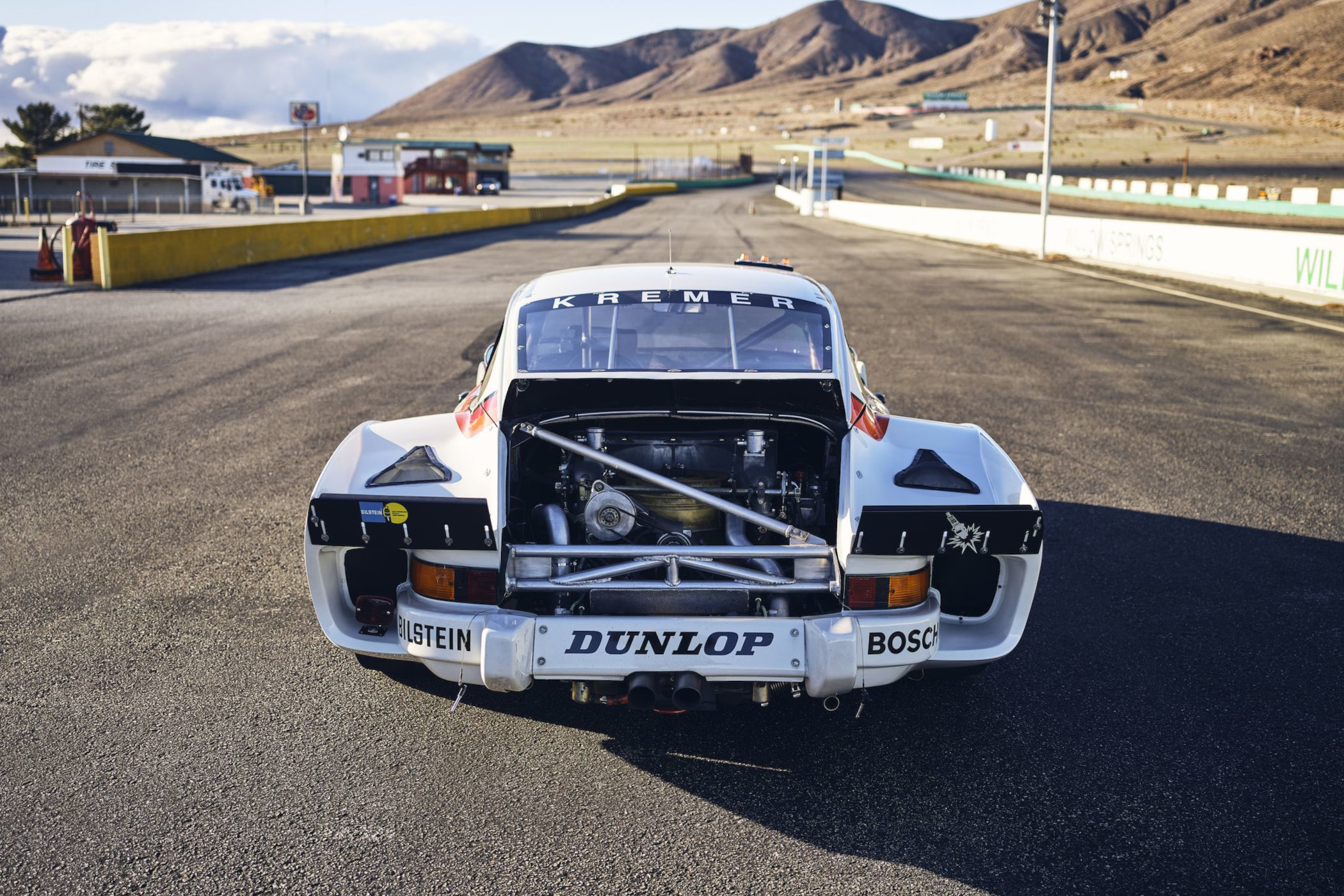
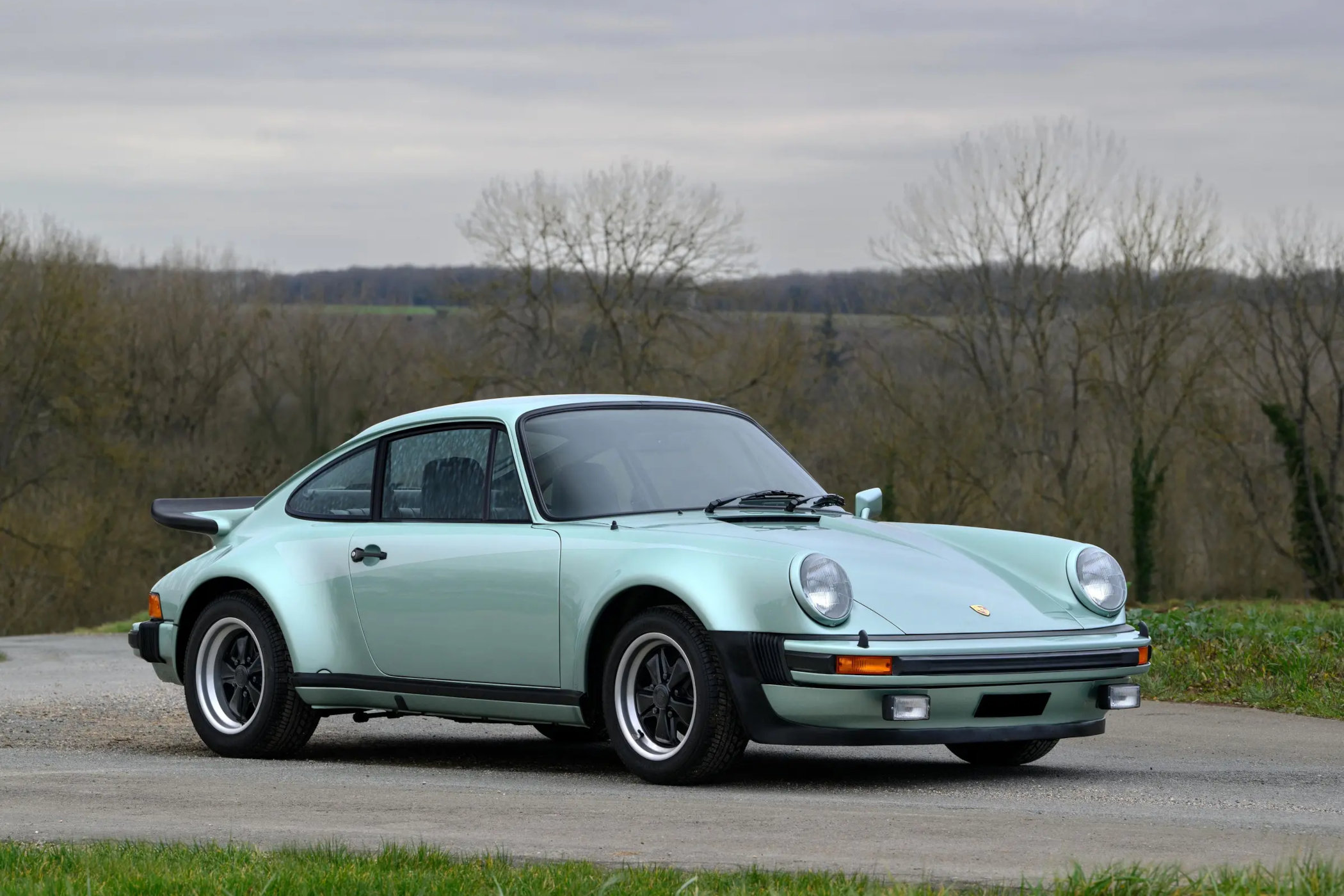
Porsche’s journey with turbocharging is not a recent pivot; it is a storied legacy of engineering prowess. Since the introduction of the first 911 Turbo in 1975, the Stuttgart brand has mastered the art of forced induction. Before the 911 Turbo reached showrooms, Porsche’s racing division was already exploring the potential of turbos with the 911 RSR 2.1 and the legendary 917-30—the "Turbo Panzer."
The iconic 930 Turbo, which served as the homologation base for the formidable 934 and 935 race cars, set the stage. It introduced the world to the "whale tail" rear wing and a level of performance that was unheard of in the 1970s. Yet, those early cars were notorious for "turbo lag"—a significant delay in power delivery that could catch even seasoned drivers off guard, earning the car the ominous nickname "The Widowmaker."
Over the subsequent five decades, Porsche has meticulously ironed out these wrinkles. The 930 evolved into the 964, then the 993, and onwards through the liquid-cooled generations, eventually leading us to the technological marvel that is the 992.2 Turbo S.
Technical Evolution: The T-Hybrid Integration
The 992.2 generation is defined by a significant step forward in powertrain integration. At the heart of the new Turbo S is a 3.6-litre twin-turbocharged flat-six boxer engine. Much like the newly updated GTS, the Turbo S utilizes a sophisticated 400-volt T-Hybrid system.
However, the configuration differs to cater to the Turbo S’s flagship status. While the GTS employs a larger, single turbo assisted by electric power to reach 541bhp, the Turbo S opts for two smaller, high-response turbos. This dual-setup, augmented by electric assistance, eliminates the traditional lag that once plagued the platform. The result is a staggering 711bhp and 800Nm of torque.
The performance gains are tangible. The sprint from zero to 100kph has been slashed to a scorching 2.5 seconds, while the top speed reaches a dizzying 322kph. Power is distributed through an 8-speed PDK dual-clutch transmission to all four wheels, ensuring that this power is not just a statistic, but a deployable, controllable force.

A Comparative Analysis: Turbo S vs. The GT Lineage
To understand the character of the 992.2 Turbo S, one must compare it to its stablemates: the GT3 and the GT3 Touring.
The GT3 models are designed for the purist. They are stiff, razor-sharp, and demand total engagement from the driver. They are the "Jack Russells" of the Porsche world—always energetic, always ready to pounce. The Turbo S, by contrast, is a different beast entirely. It offers a layer of refinement that makes it the superior choice for the long haul.
Where the GT3s scream to their 9,000rpm redline, making every vibration and gear shift an event, the Turbo S provides a more linear, "drama-free" acceleration. This does not mean it is boring; it means it is effortless. While a GT3 might feel like an intense workout, the Turbo S feels like a superpower—it simply exists, and when you summon its performance, the world around you blurs with terrifying efficiency.
Driving Impressions: The Daily Supercar
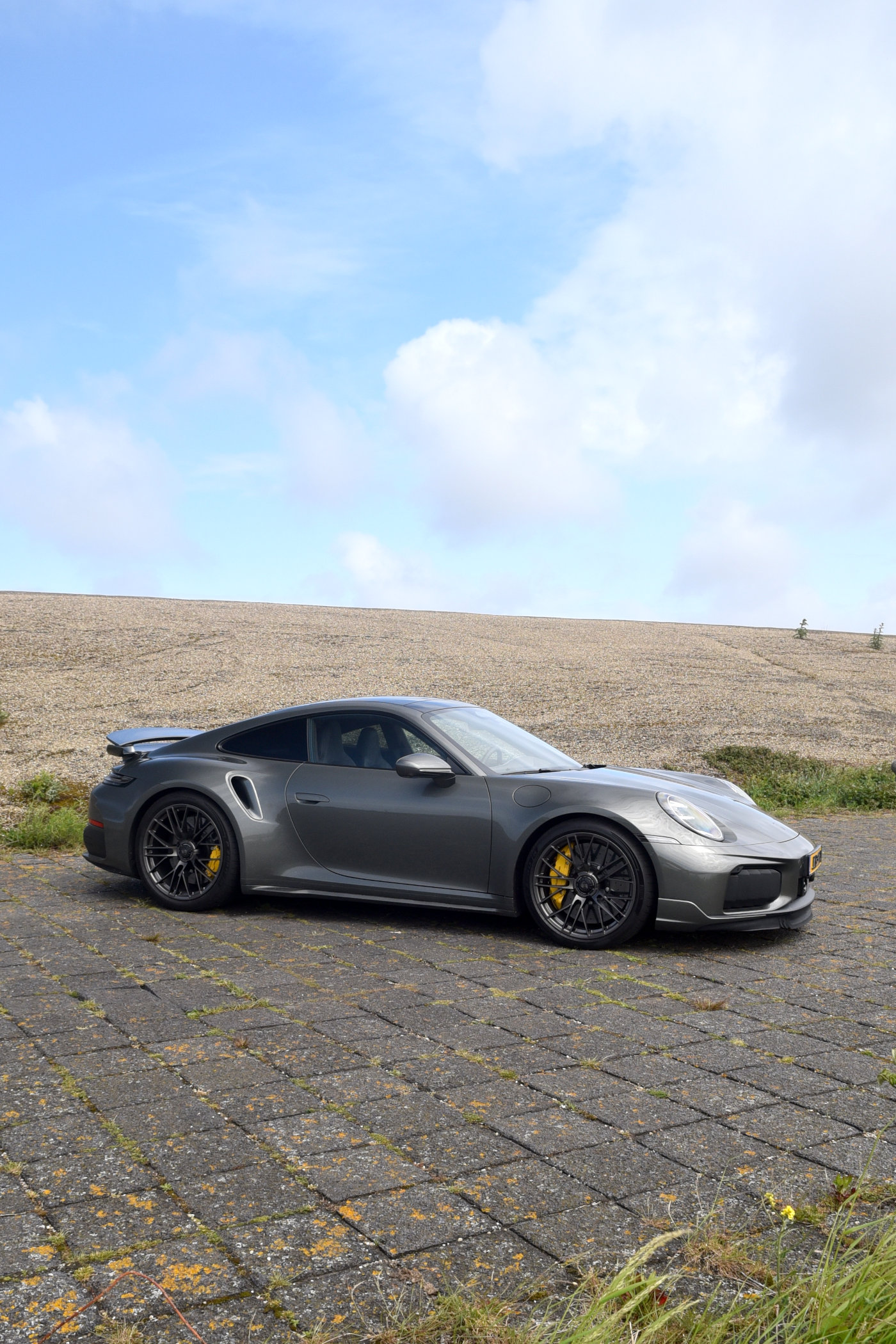
Driving the 992.2 Turbo S is a study in contrasts. In urban environments, it is a docile, comfortable grand tourer. The suspension, bolstered by Porsche’s Active Suspension Management (PASM) and Porsche Dynamic Chassis Control (PDCC), glides over imperfections that would leave a GT3 driver reaching for a chiropractor.
Yet, when the road opens up, the car transforms. In "Sport+" mode, the vehicle firms up and the powertrain becomes telepathic. It is remarkably stable at triple-digit speeds, never feeling as though it is fighting the driver. Even when pushed into a corner with over-eagerness, the sophisticated electronic stability systems act as a safety net, correcting the car’s trajectory before the driver even registers the need for a correction.
The Perspective of the Enthusiast
For long-time Porsche owners, the shift toward hybridization and dual-turbocharging often brings a fear of losing the "analogue" connection. However, as noted in our internal testing, the Turbo S succeeds precisely because it manages to bridge the gap between high-tech efficiency and emotional involvement.
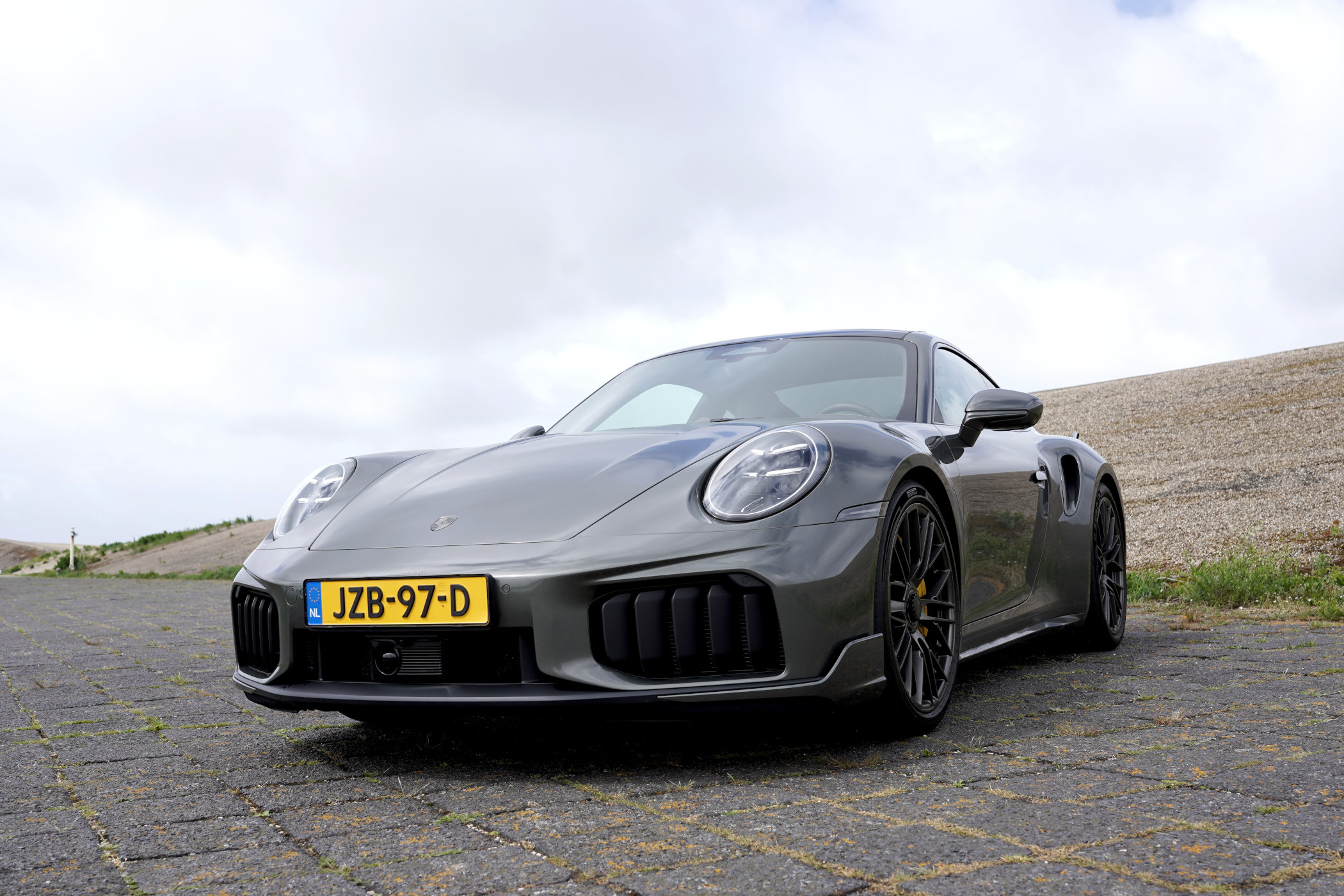
Unlike some of its hybrid competitors, which can feel front-heavy or disconnected, the Turbo S maintains the iconic 911 weight distribution and steering feedback that owners cherish. It feels more "connected" than one might expect from a car with such sophisticated assistance systems. It is, quite simply, the best of both worlds: a car that can be driven with surgical precision on a weekend mountain pass and with relaxed comfort during a Monday morning commute.
Implications for the Future of Performance
The 992.2 Turbo S represents a pivotal moment in the 911’s history. It demonstrates that as the automotive world moves toward electrification, the "soul" of a sports car does not need to be lost. By integrating hybrid technology specifically to solve the limitations of internal combustion (such as low-end torque and turbo lag), Porsche has enhanced the driving experience rather than diluting it.
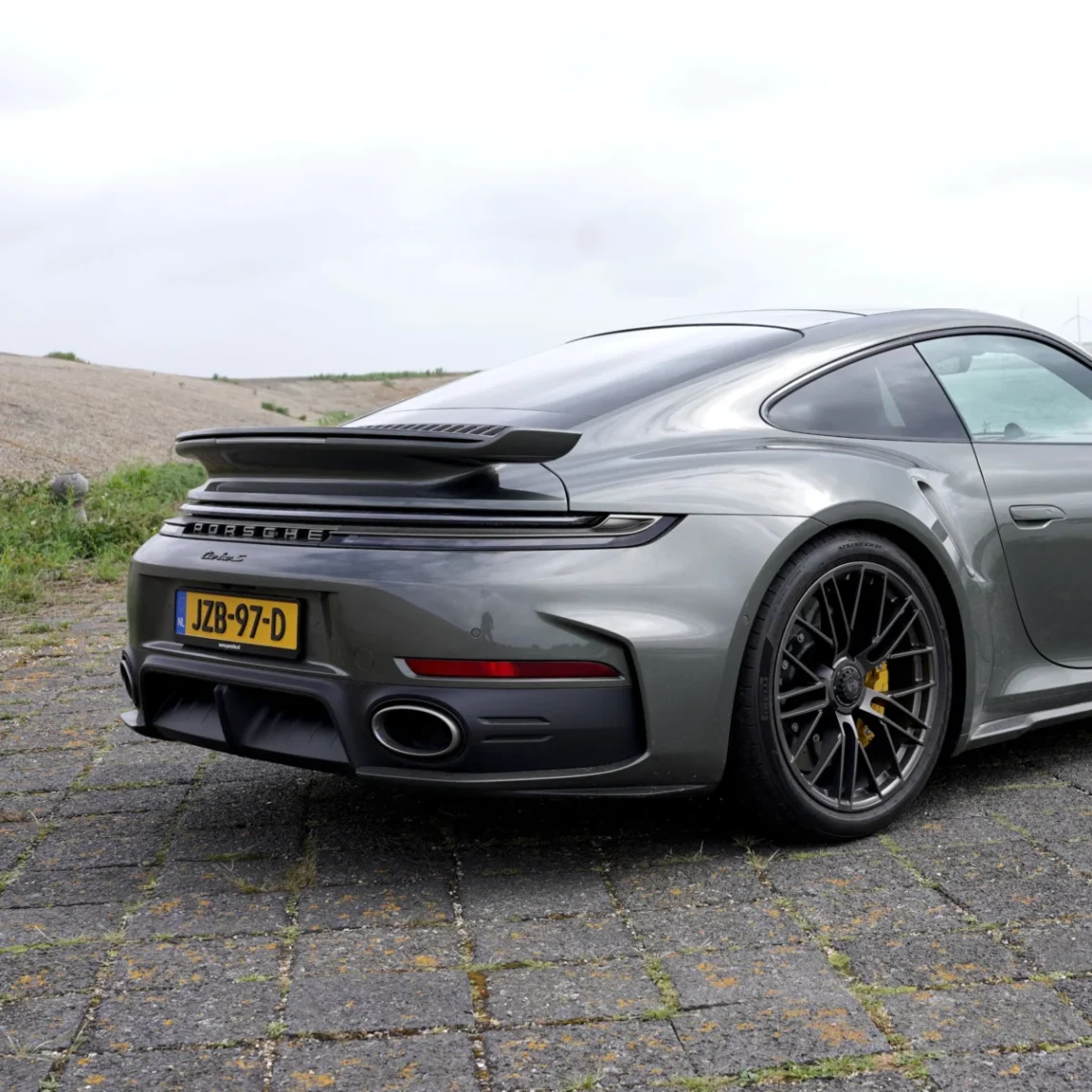
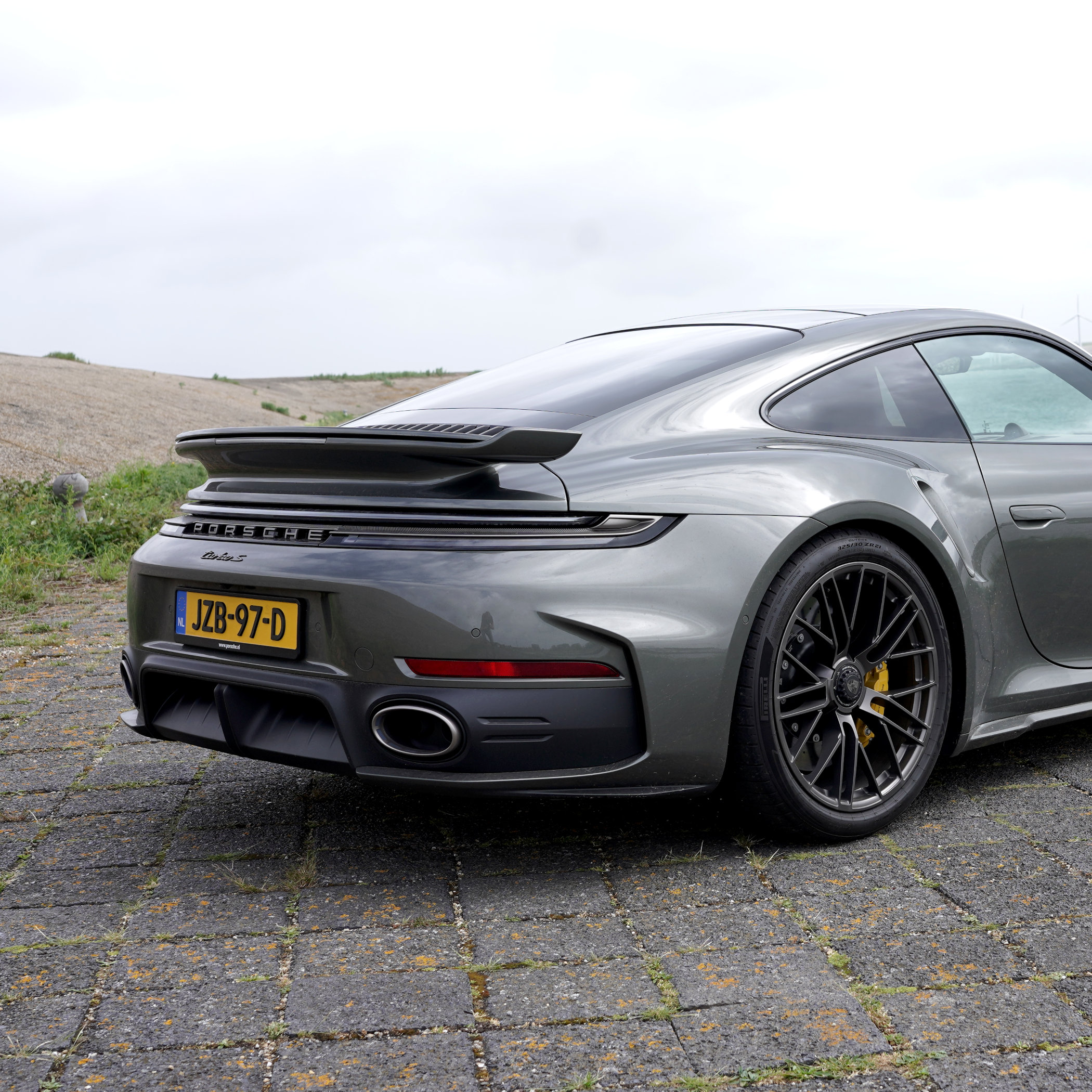
The aesthetic remains classic 911, though subtle updates—such as the vertical slats in the front bumper that adjust for cooling and the more pronounced rear bumper—signal its capability. The option for a titanium exhaust with oval tips is a welcome visual upgrade that adds a touch of mechanical elegance to the rear profile.
Final Verdict: The One to Have
If you are looking for a singular car that refuses to compromise on utility, performance, or comfort, the search begins and ends here. The 911 Turbo S is not just the "fastest" 911; it is the most well-rounded. It offers usable back seats, a functional front trunk, and a cabin that prioritizes ergonomic excellence without sacrificing the luxury expected of a flagship model.
In a world of cars that scream for attention, the Turbo S is refreshingly subtle. It is a gentleman’s express—a car that possesses the power to outrun almost anything on the road, yet does so with a sense of calm and poise. For the driver who wants a daily companion that can turn into a missile at the touch of a button, there is simply no better choice.
Editorial Note: The insights, technical specifications, and driving impressions detailed in this article are based on extensive real-world testing. Images provided are either original or sourced with permission from Porsche AG. For more details on the 2026 Porsche 911 lineup, visit the official Porsche website.