For those residing in regions blessed with a distinct transition between the sweltering heat of summer and the biting chill of winter, autumn represents a fleeting, sensory-rich window of opportunity. The annual ritual of watching the landscape ignite in a wildfire of crimson, amber, and gold is more than just a seasonal shift; it is a cultural phenomenon that drives millions of Americans to seek refuge in the woods. However, as the window for prime foliage viewing narrows, the race to secure the perfect vantage point has become increasingly competitive.
As the leaves begin their inevitable descent, the demand for secluded, design-forward accommodations has reached a fever pitch. Modern travelers are no longer settling for traditional roadside motels; instead, they are prioritizing immersive, nature-centric experiences that leverage architecture to bring the outdoors in. From the quintessential, storied forests of New England to the rugged, high-altitude terrain of the Colorado Rockies, a new breed of Airbnb listings is redefining the seasonal getaway.
The Evolution of the "Foliage Economy"
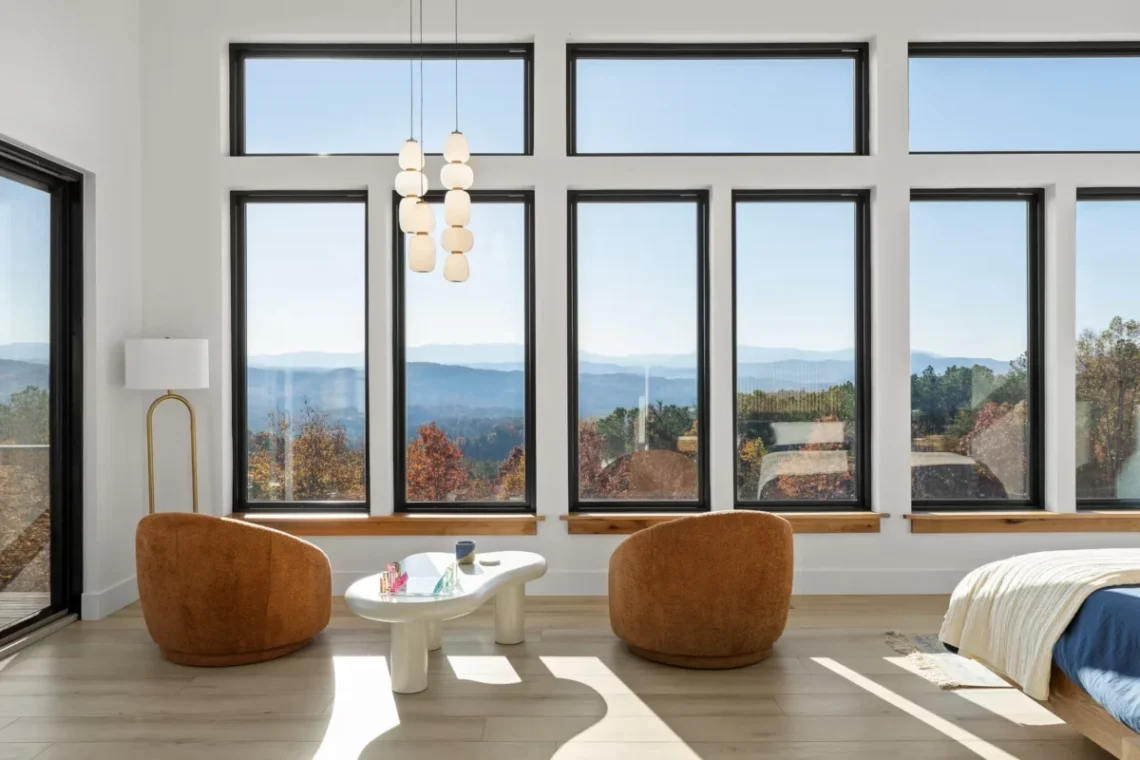
The shift toward remote, high-design rentals is not merely a trend—it is a direct response to a changing landscape of consumer behavior. Following the global shifts in work-life balance, the desire for "off-grid" connectivity has skyrocketed. Travelers are increasingly seeking properties that function as sanctuaries, where floor-to-ceiling glass walls, expansive decks, and wood-burning hearths serve as the primary amenities.
This "foliage economy" is driven by a desire for slow travel. Rather than visiting popular tourist hubs, modern guests are opting for properties that allow them to inhabit the landscape. These homes are frequently chosen by editors and travel experts based on rigorous criteria: Superhost status, "Guest Favorite" designations, proximity to protected wilderness, and a commitment to aesthetic cohesion that complements the surrounding forest.
A Chronology of the Autumnal Peak
Understanding the timing of these trips is essential for any successful seasonal excursion. The progression of fall foliage is a biological clock dictated by daylight hours, temperature fluctuations, and elevation.
- Early September: The season begins in the high-altitude regions of the Rockies and the far northern reaches of Maine and the Adirondacks. During this period, the air is crisp, and the first hints of gold begin to appear in the aspen groves.
- Late September to Early October: The "classic" New England foliage begins its peak. This is the period most often captured in travel photography, characterized by the deep, saturated reds of the Sugar Maples and the vibrant yellows of the birches.
- Mid-to-Late October: The color wave pushes southward into the Appalachian Mountains, the Ozarks, and the mid-Atlantic states. This period offers a more subdued palette of burnt oranges and browns, often accompanied by a more temperate climate.
- Early November: The final act of the season occurs in the deep South and the lower elevations of the Pacific Northwest, where the foliage persists before the winter dormancy sets in.
Supporting Data: What Defines a "Guest Favorite"?
To provide a comprehensive guide for travelers, we must look at the data points that distinguish a standard rental from a premier seasonal retreat. According to recent hospitality analytics, properties that see the highest booking rates during the autumn season share several key characteristics:
1. Architectural Integration
The most sought-after properties utilize "biophilic design"—the practice of connecting occupants to nature. Floor-to-ceiling windows are the most significant value-add for these properties. When a living room functions as a frame for a changing forest, the property commands a premium in the short-term rental market.
2. High-Touch Amenities
While the view is the primary draw, the "luxe factor" keeps guests returning. Data indicates that listings featuring barrel saunas, cedar-clad hot tubs, and modern fire pits see a 30% increase in repeat bookings during the colder months. These amenities allow guests to remain immersed in the environment even when temperatures drop.
3. Geographic Diversity
While the Northeast remains the traditional heartland of autumn travel, there has been a notable surge in interest regarding the West. The Colorado backcountry, for instance, offers a unique visual experience: the massive, uniform stands of yellow-turning aspens provide a stark, singular beauty that contrasts with the multi-hued forests of the East Coast.
Official Perspectives: The Value of Immersive Travel
Travel experts emphasize that the success of these trips relies on the intersection of comfort and seclusion. "The modern traveler is looking for a ‘third place’—a space that is neither home nor office, but a sanctuary where they can recalibrate," says Meredith Carey, a travel correspondent who has tracked these trends.
The consensus among industry experts is that "curation is king." Airbnb’s "Guest Favorite" label is not just a marketing badge; it is a reflection of a property’s reliability, cleanliness, and the accuracy of its presentation. When guests book a cabin deep in the woods, they are often trading accessibility for isolation. Consequently, the quality of the property—its heating systems, kitchen facilities, and interior comfort—must be impeccable to ensure the experience remains restorative rather than stressful.
Implications for the Future of Seasonal Tourism
The surge in demand for these remote getaways carries significant implications for both travelers and the communities hosting them.
Environmental Stewardship
As popularity grows, so does the need for responsible tourism. The very forests that draw travelers are delicate ecosystems. The rise of these high-end, remote rentals often encourages a "leave no trace" ethos, as many of these properties are located on private lands adjacent to protected forests. However, the increase in human traffic necessitates a continued focus on trail preservation and wildlife protection.
The Economic Impact on Rural Communities
For small, rural towns, the influx of autumn travelers provides a vital economic boost. These visitors are not just renting homes; they are frequenting local coffee shops, independent bookstores, and artisan markets. This seasonal cycle supports small businesses that might otherwise struggle during the off-season.
The Shift in Work-Life Balance
Perhaps the most profound implication is the shift in how we perceive time off. The "seasonal fantasy" of reading by a fireplace while leaves fall outside is no longer a luxury reserved for retirees or the independently wealthy. The proliferation of remote-work-friendly rentals means that professionals can now integrate these experiences into their daily lives. By choosing a cabin with high-speed satellite internet, a worker can spend their mornings in the forest and their afternoons in a virtual meeting, blurring the lines between productivity and rejuvenation.
Conclusion: How to Secure Your Slice of Autumn
For those planning a late-season excursion, the window is closing rapidly. When vetting potential stays, look beyond the initial gallery of photos. Read the reviews specifically for mentions of "seasonal warmth"—check if the hosts provide firewood, if the heating systems are modern, and if the property is accessible in the event of early frost or light snow.
The golden mosaic of fall is more than a backdrop; it is an invitation to slow down. Whether you choose the rugged, high-altitude aspen groves of the Rockies or the rolling, red-carpeted hills of Vermont, the key to a successful autumn getaway lies in the ability to unplug and inhabit the moment. By prioritizing properties that harmonize with their surroundings, travelers can turn a simple weekend trip into a transformative seasonal experience.
Additional reporting provided by Meredith Carey. This article was updated to reflect current market trends in seasonal luxury travel. For those looking to plan their next trip, we recommend booking well in advance, as the demand for high-design forest retreats consistently outpaces supply during the peak foliage weeks.