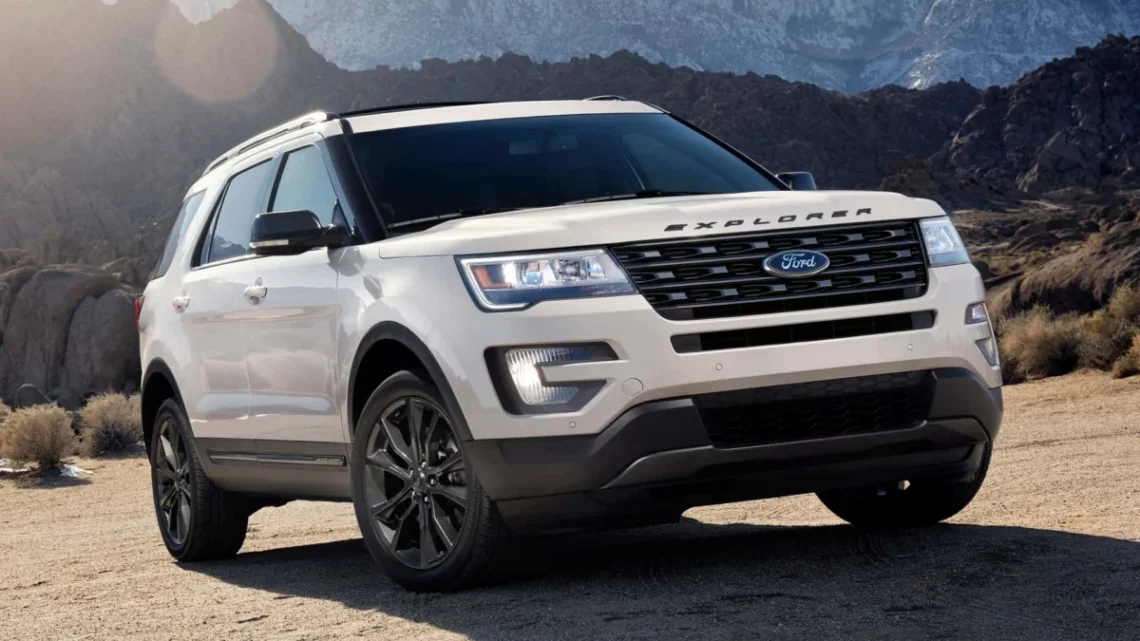
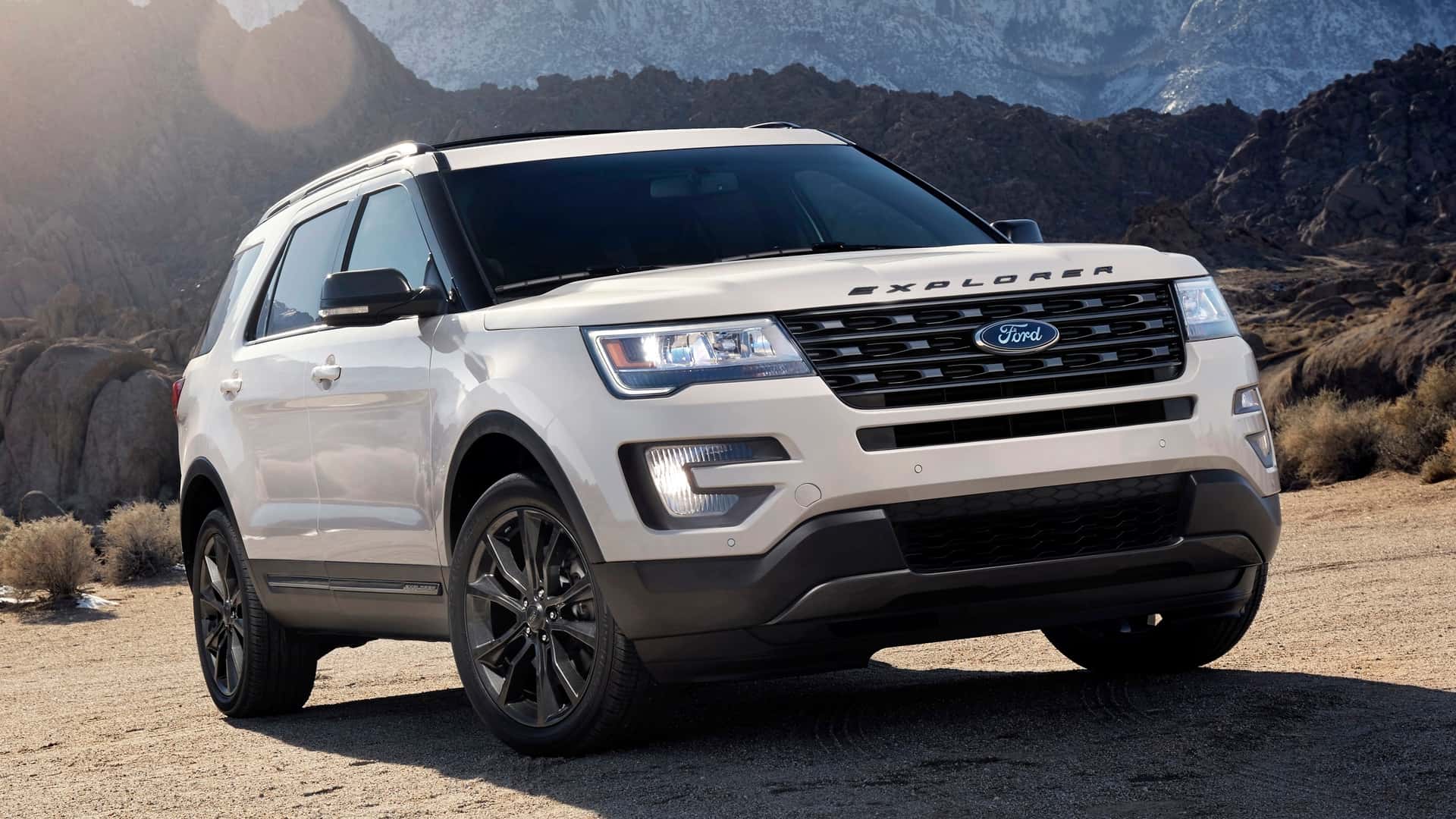
In a move that underscores the ongoing challenges automakers face regarding long-term vehicle durability, Ford Motor Company has issued its 57th recall of the year. This latest safety action impacts 288,314 Explorer SUVs from the 2016–2019 model years, citing a persistent issue where roof rail covers may loosen or detach entirely while the vehicle is in motion.
For many owners, this recall brings a sense of déjà vu. The issue has been a point of contention for years, leading to previous repair attempts that have now been deemed insufficient. As Ford continues to grapple with quality control and the longevity of its legacy fleets, this recall serves as a critical reminder of the complexities involved in field repairs and the potential for "technician-sensitive" procedures to fall short of safety standards.
The Scope of the Problem
The affected vehicles include various trims of the 2016–2019 Ford Explorer, encompassing models with satin, chrome-plated, and standard painted roof rail covers. The problem stems from the degradation of the retention clips and adhesive systems designed to keep these exterior trim pieces flush against the vehicle’s roofline.
According to the National Highway Traffic Safety Administration (NHTSA), the consequences of this failure go beyond simple aesthetics. Drivers may first notice an increase in wind noise, persistent squeaks, or rattling sounds originating from the roof. If left unaddressed, these signs often precede a visible gap or misalignment, culminating in the complete detachment of the cover.
While most reports of the issue describe it as a nuisance or a cosmetic flaw, the safety implications are undeniable. A plastic roof rail cover flying off a vehicle on a highway poses a significant road hazard to trailing motorists. Ford has acknowledged at least one incident involving an accident directly attributed to a detached roof rail cover.
A Chronology of Failures
The timeline of this issue reveals a decade-long struggle to find a permanent fix for what initially appeared to be a minor quality concern.
2020: Initial Awareness
Ford first identified a trend of loose roof rail covers in 2020. At the time, the company attempted to address the issue through an extended warranty program, offering one-time repairs. These initial fixes relied heavily on the application of a two-part epoxy or adhesive to secure the covers. However, this approach would eventually prove to be the source of much of the frustration for both owners and dealers.
2021: The First Official Recall
By April 2021, pressure from the NHTSA prompted Ford to issue its first official safety recall for the 2016–2019 Explorer. At that time, the company focused on the painted roof rail covers, as field data showed a higher rate of failure for these specific units. Conversely, chrome and satin-plated covers were excluded from the recall because they appeared to have higher retention strength and better resistance to "solar loading"—the thermal expansion caused by direct sunlight that contributes to adhesive failure.
The 2021 remedy instructed dealers to replace damaged clips and secure the covers using four plastic push-pin fasteners. While this method proved effective, the industry was still relying on the adhesive-based repair for other units, which failed to stand the test of time.
2026: The Reckoning
In March 2026, the NHTSA’s Office of Defects Investigation (ODI) alerted Ford to a new wave of complaints. The agency provided Ford with 46 Vehicle Owner Questionnaires (VOQs) detailing reports of loose, rattling, or detached roof rails. Crucially, these complaints included vehicles that had already undergone previous "fixes," including those repaired under the earlier extended warranty programs.
Following an intensive investigation conducted between April and June 2026, Ford discovered a troubling reality: the epoxy-based repair methods were consistently failing. In many cases, the failure was traced back to "technician-sensitive" repair processes. Investigations revealed that technicians were often failing to replace damaged retention clips entirely, using the wrong amount of adhesive, or performing the repair under improper environmental conditions, preventing the epoxy from curing correctly.
The Role of Human Error and Technical Complexity
The term "technician-sensitive" is one of the most problematic phrases in automotive engineering. It essentially admits that the repair procedure is so complex or finicky that it requires a level of precision that is difficult to replicate consistently across thousands of dealership service bays.
In the case of the Explorer, the use of chemical adhesives requires strict adherence to surface preparation, temperature, and curing time. When these variables are not perfectly controlled, the bond between the plastic cover and the metal roof degrades prematurely. By contrast, the use of mechanical push-pin fasteners—the current gold standard for the fix—is far more robust. Vehicles that were originally repaired with the mechanical pins have not shown the same high rate of failure, confirming that the mechanical approach is the only reliable path forward.
Official Response and Dealer Instructions
Ford’s current plan is to move away from adhesive-based remedies entirely. Dealers have been instructed to inspect the roof rail covers on all affected units. If any damage is found—whether to the clips or the covers themselves—the components are to be replaced.
Crucially, the new directive mandates the use of mechanical push-pin fasteners to ensure the covers are physically anchored to the vehicle chassis. This shift marks an acknowledgement by the automaker that chemical bonds are not sufficient for exterior trim subjected to high-speed wind resistance and fluctuating temperatures.
Ford is currently in the process of notifying owners, and the repair will be performed free of charge. Owners are encouraged to contact their local Ford dealership to schedule an inspection, even if they have had their roof rails "repaired" in the past.
Implications for Ford’s Quality Control
The fact that Ford is recalling older models like the 2016–2019 Explorer indicates a broader shift in the company’s corporate philosophy. Under pressure from regulators and an increasingly vocal consumer base, Ford has signaled a commitment to revisiting the long-term reliability of its legacy products.
This recall, while inconvenient for owners, is symptomatic of the "Quality First" initiative currently being pushed by Ford’s leadership. By re-evaluating past repairs, the company is attempting to clear the slate of lingering defects that threaten its reputation for durability. However, it also highlights the economic and logistical burden of such efforts. Issuing a recall for nearly 300,000 vehicles—many of which are nearly a decade old—is a massive undertaking that involves significant financial expenditure and service department capacity.
For the industry at large, the Ford Explorer roof rail saga is a case study in why mechanical fasteners will almost always outperform chemical adhesives in automotive exterior applications. It also highlights the necessity of thorough, long-term testing before a "fix" is finalized and pushed out to the entire fleet.
Looking Forward: A Call for Transparency
As the automotive landscape moves toward more complex, tech-heavy vehicles, the basics—like ensuring trim pieces don’t detach—remain vital to safety and consumer trust. The NHTSA’s involvement in this case highlights the agency’s increasing willingness to hold manufacturers accountable, not just for original defects, but for the efficacy of the recall remedies themselves.
For owners of the 2016–2019 Ford Explorer, the advice is clear: do not ignore the signs of a loose roof rail. While it may seem like a minor cosmetic issue, the potential for it to become a safety liability is real. By bringing the vehicle in for the updated mechanical repair, owners can ensure that their SUV is brought up to current safety standards, effectively putting a permanent end to the rattling and the risk of detachment.
As Ford continues its transition toward a more quality-focused future, the success of this recall will be a litmus test for how the company handles the intersection of legacy vehicle maintenance and modern safety expectations. For now, the automaker’s commitment to replacing faulty adhesive repairs with mechanical fasteners is a step in the right direction, providing a much-needed permanent solution for a persistent, long-standing issue.