
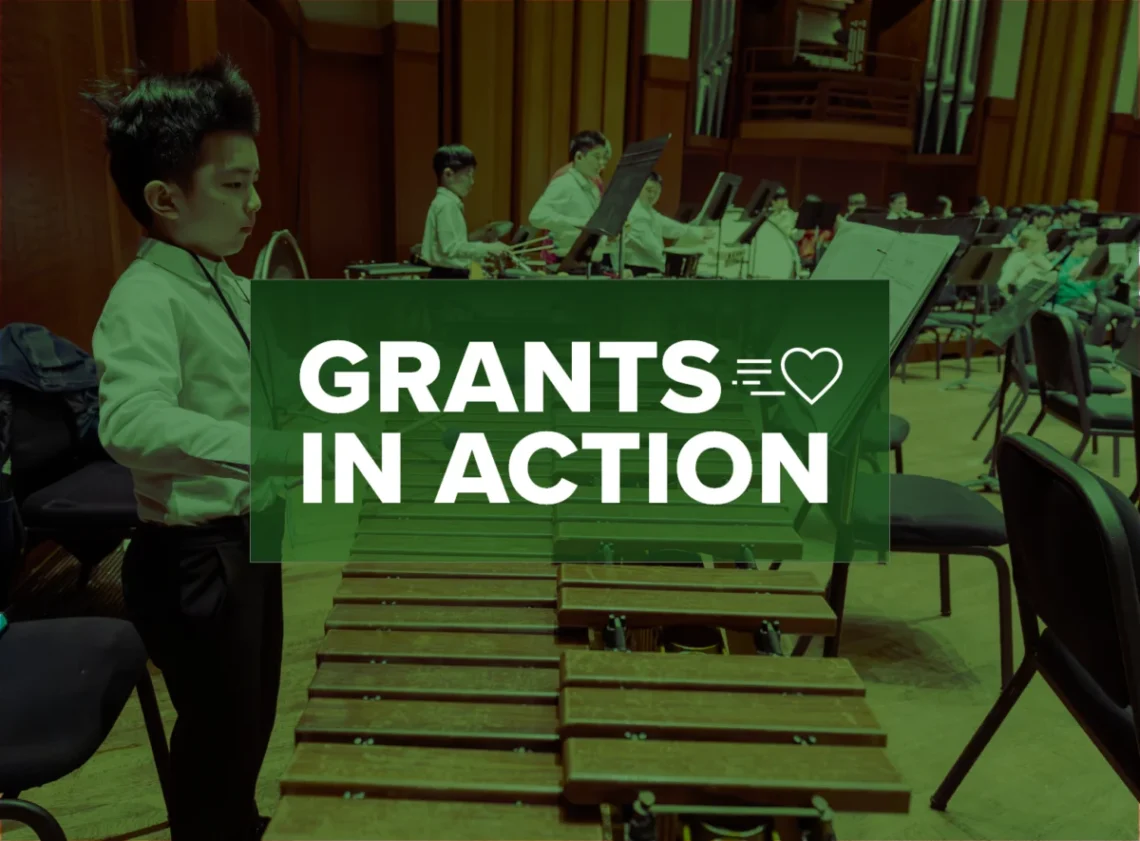
The cognitive and emotional benefits of music education are no longer a matter of mere conjecture. According to the National Institute of Health, early engagement with music—even in brief, intermittent intervals—acts as a catalyst for lifelong neurological development. From the enhancement of executive function and vocabulary acquisition to the sharpening of complex problem-solving abilities, music training establishes robust neural pathways that bridge perception and action. Yet, in the United States, this developmental advantage remains an uneven luxury. As school systems grapple with budget constraints and shifting priorities, millions of children are left in a state of artistic silence.
Standing at the intersection of this systemic gap is the Seattle Youth Symphony Orchestra (SYSO). For over eight decades, SYSO has functioned as more than just a musical training ground; it has served as an essential infrastructure for youth development, providing a creative sanctuary that transcends the limitations of public school resources.
The State of Arts Education: A Critical Infrastructure Deficit
The current landscape of arts education in the United States is marked by profound inequality. Data indicates that over 3 million students currently lack access to any form of formal musical training within their school environments. The deficit is even more alarming when considering comprehensive arts exposure: approximately 2 million students in the U.S. attend schools where there is zero access to music, theater, dance, or visual arts instruction.
This "access desert" creates a compounding effect. Students who are denied these opportunities miss out on the critical developmental windows where neuroplasticity is at its peak. Furthermore, the lack of exposure denies students the opportunity to explore potential vocational and creative paths before they reach the high-stakes transition of post-secondary education. By failing to integrate the arts, educational institutions inadvertently limit the cognitive and social toolkit students carry into adulthood.
A Legacy of Resonance: The Chronology of SYSO
The Seattle Youth Symphony Orchestra was founded with a singular vision: to democratize access to orchestral excellence. For over 80 years, the organization has navigated the changing currents of the Pacific Northwest’s educational climate to remain a steadfast pillar of the community.
- The Foundational Era: Established over eight decades ago, SYSO began as a small collective of aspiring young musicians. It quickly grew into a regional institution, recognized for its commitment to high-level pedagogy and orchestral performance.
- The Era of Expansion: Throughout the mid-20th century, the orchestra expanded its repertoire and its demographic reach, moving beyond the traditional urban centers to include students from a diverse array of zip codes and socioeconomic backgrounds.
- The Modern Era (2024-25): Today, SYSO represents a sophisticated operation. In the 2024-25 academic year alone, the organization supported over 1,300 students. This cohort was not drawn from a single demographic or district; rather, it represented 256 individual schools across 95 different zip codes, illustrating the organization’s success in penetrating diverse geographic boundaries.
- Instructional Footprint: Beyond its ensemble work, SYSO has deepened its commitment to the classroom, contributing over 430 direct instructional hours within public schools, effectively supplementing the gaps left by strained district budgets.
Cultivating the "Endangered": A Strategic Educational Pivot
One of the most innovative aspects of SYSO’s operational model is its Endangered Instruments program. While many youth organizations focus on popular instruments—such as the violin or flute—SYSO has identified a systemic fragility in the orchestral ecosystem.
"For the Endangered Instruments program, SYSO instructors show up in the public schools to specifically support the less popular instruments," explains Melody Mikkelson, SYSO’s Executive Director. "These include the viola, string bass, oboe, bassoon, French horn, and low brass. They are hard to teach, and no one single music educator in a public school can teach all of them. Yet, these are the instruments that give the orchestra its signature sound, and they are frequently the ones that unlock collegiate scholarships."
By focusing on these specific instruments, SYSO ensures that the orchestral tradition remains sustainable. It is a form of proactive cultural preservation that simultaneously provides students with a competitive advantage in the world of higher education and professional performance.
The "Overhead Myth" and the Role of Philanthropy
A recurring challenge for arts organizations is the "overhead myth"—the tendency for donors and funders to prioritize "front-of-house" costs, such as stage performances, while neglecting the administrative and logistical machinery that makes those performances possible.
"You can generally find funding for the shiny performer on stage," Mikkelson notes, "but the performance doesn’t happen without the stage managers, the venue booking, the rehearsals, and all of that behind-the-scenes work. We are trying to do what we can to bust that overhead myth."
This is where Donor-Advised Funds (DAFs) have proven to be a transformative resource. DAFs allow for flexible, unrestricted grantmaking that empowers organizations like SYSO to allocate resources where they are most needed, rather than where they are most "visible."
"With DAFs, the fact that transformational gifts can come without those strings attached—and it’s so trusting of frontline staff, of the teachers, of the conductors who show up to support a school—is huge," says Mikkelson. "About 30% of our individual contributions are now coming through DAFs, and our individual support overall has been on the rise."
Implications: Building a Sustainable Creative Ecosystem
The implications of SYSO’s work extend far beyond the concert hall. By creating an environment that blends artistry, education, and community, the organization is building a "creative ecosystem" that dismantles the traditional barriers between classical music and the general public.
1. Mentorship and Future-Proofing
For the students involved, SYSO provides a "pond that is bigger than their school." This expansion of the social and creative circle allows young musicians to interact with peers from vastly different life experiences, fostering a sense of belonging that is crucial for adolescent development. It also provides a "soft landing" for career exploration, allowing students to test the waters of professional music before making significant financial commitments to conservatories or universities.
2. Community Integration
The mission of SYSO is predicated on the belief that music should not be a prestigious, inaccessible art form. By embedding itself within 95 zip codes, the organization acts as a community anchor. It proves that when the barrier to entry—cost and instruction—is removed, the appetite for classical music is robust and universal.
3. Empowerment through Trust
The shift toward unrestricted, trust-based philanthropy, facilitated by tools like DAFs, marks a maturation in the relationship between donors and nonprofits. When donors trust the expertise of educators and conductors, the organization can pivot in real-time to meet the specific, granular needs of their students, whether that means repairing an instrument, subsidizing a lesson, or booking a rehearsal space.
Conclusion: A Model for the Future
The Seattle Youth Symphony Orchestra stands as a testament to the idea that music is not an extracurricular elective, but a fundamental pillar of human development. By bridging the gap between public school limitations and the requirements of high-level artistry, SYSO is not merely training the next generation of musicians; it is cultivating well-rounded, confident, and empathetic citizens.
As the organization continues to navigate the complexities of funding and access, its reliance on community-driven support and trust-based philanthropy offers a blueprint for other arts organizations nationwide. In an era where the "overhead myth" threatens to starve the very systems that foster creativity, SYSO’s model provides a clear alternative: invest in the teachers, support the infrastructure, and ensure that the music—and the children behind it—never stops playing.
Disclaimer: NPT is not affiliated with any of the organizations described herein, and the inclusion of any organization in this material should not be considered an endorsement by NPT of such organization, or its services or products. NPT does not provide legal or tax advice. This article is for informational purposes only and is not intended to be, and shall not be relied upon as, legal or tax advice. The applicability of information contained here may vary depending on individual circumstances.