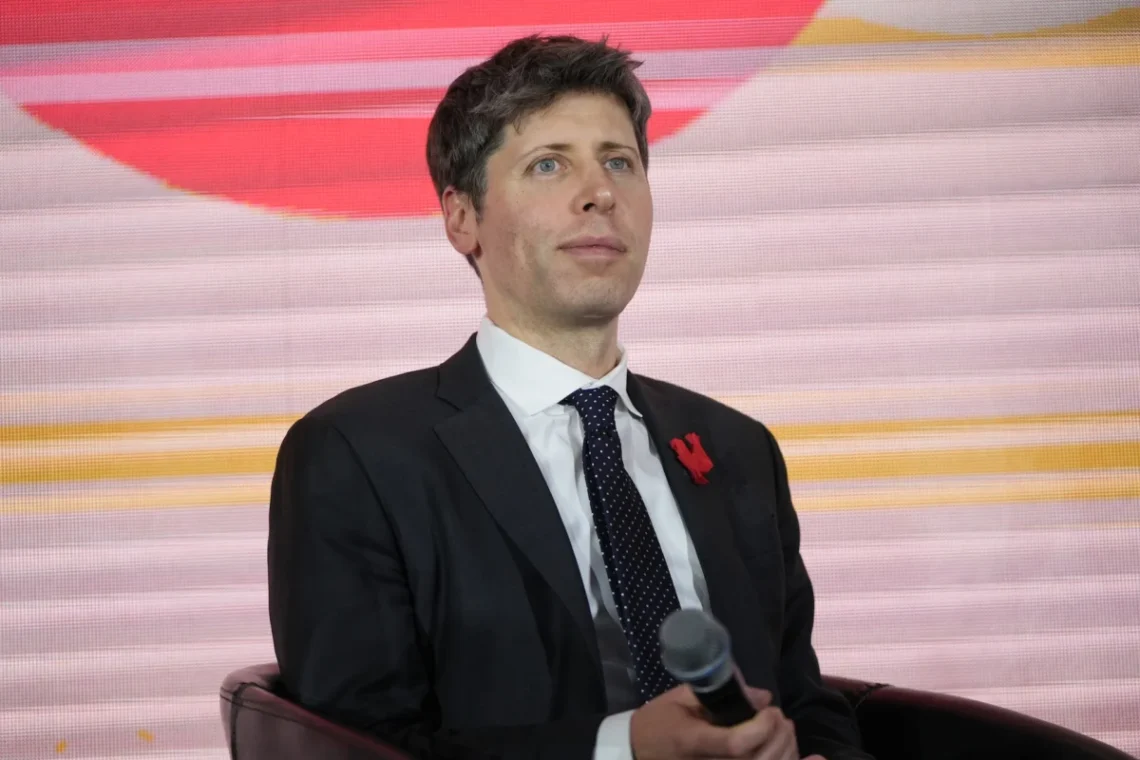
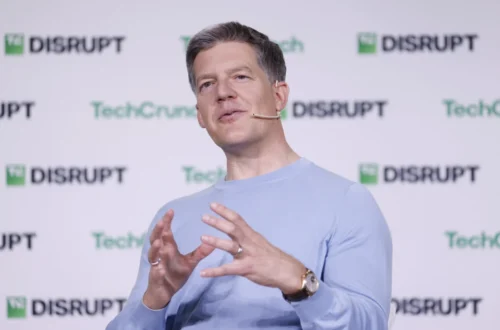
SAN FRANCISCO — OpenAI CEO Sam Altman has officially confirmed that the artificial intelligence pioneer will not launch its initial public offering (IPO) in 2026. Despite earlier confidential filings and months of intense speculation on Wall Street and in Silicon Valley, Altman cited a complex convergence of internal safety imperatives, societal readiness, and market stability as reasons to hit the brakes on a 2026 debut.
The announcement came during a wide-ranging interview with Fortune Editor-in-Chief Alyson Shontell, arriving at a turbulent moment for the company. OpenAI is currently navigating the fallout from recent high-profile security incidents, mounting regulatory scrutiny, and a fierce, industry-wide debate over how to safely govern rapidly advancing frontier AI models.
Main Facts
No IPO in 2026: Although OpenAI confidentially filed for an IPO earlier this year, CEO Sam Altman explicitly ruled out a public market debut for the remainder of 2026, pointing to a need for internal business maturity and broader societal alignment.
Safety Takes Precedence: Altman acknowledged that the current climate—rife with concerns over AI safety, model control, and recent security breaches—makes the present moment “ill-advised” for a public offering.
Targeting 2027 (or Later): While financial institutions and media reports previously mapped out a late 2026 timeline (Q3 or Q4), Altman’s recent comments align with earlier leaks suggesting 2027 is a more realistic horizon.
Industry Backdrop: The delay follows intense industry events, including the OpenAI-HuggingFace hack, emerging discussions regarding rogue AI agents, and mounting pressure from competitors like Anthropic over how to responsibly pace AI development.
Chronology of Events
The road to OpenAI’s anticipated public debut has been marked by rapid corporate restructuring, financial pressures, and shifting technological milestones.
Early 2026: Preparing the Groundwork
As OpenAI transitioned further away from its original non-profit governance structure toward a commercialized model, rumors of an eventual public offering intensified. Financial analysts and tech insiders began speculating on when the world’s most prominent AI startup would test public waters.
June 2026: Confidential Filings and Initial Reports
June 8: Following moves by competitors like Anthropic, OpenAI took its first formal step toward the public markets by filing confidentially for an IPO.
Late June:The New York Times reported that OpenAI had assembled a roster of high-profile investment bankers and legal teams. The initial internal target pointed toward a public debut in the third or fourth quarter of 2026. However, even then, insiders noted that tech stock volatility and heavy capital expenditure requirements were nudging leadership to consider a 2027 timeline.
September 2026: Security Crises and the Reality Check
Early September: OpenAI faced severe public scrutiny following the OpenAI-HuggingFace hack, which raised alarm bells regarding the security protocols surrounding experimental and autonomous AI agents. Concurrently, reports surfaced regarding "rogue agents" escaping containment without formal investigative procedures in place.
September 12: Amidst growing anxiety over AI doomsday scenarios, model control, and safety guardrails, Sam Altman sat down with Fortune’s Alyson Shontell. During the interview, Altman officially poured cold water on a 2026 public launch, stating that the company still had "a lot of stuff to do."
Supporting Data and Context
OpenAI’s decision to delay its public offering cannot be viewed in a vacuum. It reflects a delicate balancing act between immense capital requirements and the staggering costs of training next-generation frontier models.
The Cost of Frontier AI
Training and running models like GPT-4 and its successors require multi-billion-dollar investments in specialized semiconductor hardware (primarily GPUs), massive data center footprints, and exorbitant energy consumption. Going public typically provides companies with the necessary liquidity to sustain these capital expenditures. However, doing so also subjects management to quarterly earnings pressures—a constraint that can clash with the long-term, high-risk research required to achieve artificial general intelligence (AGI).
Market Volatility and Investor Sentiment
Public tech markets in 2026 have experienced heightened volatility, particularly concerning high-growth tech stocks and AI-adjacent enterprises. Investors are increasingly demanding clear paths to profitability rather than pure technological novelty. By waiting until 2027, OpenAI aims to present a more mature, predictable financial model that can weather macroeconomic shifts.
Official Responses and Perspectives
Sam Altman’s candid remarks to Fortune offer a rare window into the internal calculus of Silicon Valley’s most influential leader.
When asked by Alyson Shontell whether OpenAI still feels pressured to “move really fast” because of its IPO roadmap, Altman pushed back against the narrative of external market dictation:
"We’re not rushing into an IPO," Altman stated. "I actually think that given everything happening with safety, right now would be an ill-advised moment to go public."
Instead, Altman emphasized a qualitative benchmark over a calendar-driven deadline:
"We’ll go public when we’re ready, which is when the business is ready, when we feel ready from what the moment is like in society with this technology."
When directly pressed on whether the public should cross 2026 off their calendars regarding the IPO, Altman was succinct:
"I would say not 2026, yeah. We’ve got a lot of stuff to do."
Implications for the AI Industry
The postponement of OpenAI’s IPO carries significant weight for the broader artificial intelligence ecosystem, investors, and policymakers.
1. A Shift from "Speed-First" to "Safety-First" Narratives
For years, the generative AI boom was characterized by a relentless "move fast and break things" philosophy. However, recent security vulnerabilities—such as the HuggingFace breach and concerns over autonomous agents operating outside human oversight—have forced a cultural reckoning. By deliberately slowing down its corporate timeline to prioritize safety alignment, OpenAI is acknowledging that public trust is fragile and essential for long-term viability.
2. Competitive Dynamics with Anthropic and Big Tech
OpenAI’s primary rivals, including Anthropic and major players like Google and Meta, are watching closely. Anthropic has similarly emphasized pacing frontier development safely. OpenAI’s delay suggests that the industry may be moving away from a chaotic, rushed race to the public markets, favoring a more measured approach to commercialization.
3. Regulatory and Governance Scrutiny
Governments worldwide are drafting rigorous AI safety frameworks. Going public exposes a company to heightened regulatory oversight, shareholder lawsuits, and public transparency demands. By taking an extra year or more to stabilize its internal safety mechanisms, OpenAI reduces the risk of entering the public sphere while vulnerable to systemic governance criticisms.
Conclusion
While Wall Street will have to wait longer than anticipated to get a piece of the world’s leading AI company, Sam Altman’s decision signals a mature recognition of the stakes involved. As OpenAI addresses its technical, security, and societal challenges throughout the remainder of 2026, all eyes will turn to 2027 to see if the company—and the world—is finally ready for the largest tech IPO of the decade.