By Maria Doulton | 05 May 2026
The horological landscape at Watches & Wonders 2026 was defined by a singular, pervasive atmosphere: consideration. In a departure from the high-octane marketing spectacle and often bewildering technical excess that characterized the mid-2020s, this year’s exhibition in Geneva signaled a pivot toward a more deliberate, restrained form of luxury. As the industry navigates a complex economic climate, the "more is more" philosophy has been replaced by a focus on heritage, tactile refinement, and purposeful mechanical evolution.

For the seasoned collector and the casual observer alike, the show offered a clear dichotomy. Innovation was not absent, but it was siloed at the extreme ends of the spectrum: the hyper-technical high-end and the impeccably executed entry-level. The "middle ground," typically a space for experimental mid-tier designs, felt quieter, as brands doubled down on the strength of their icons.
The Shift Toward "Considered" Luxury
The mood at Watches & Wonders 2026 was one of maturity. Brands appeared to be listening closely to a consumer base that is increasingly looking for longevity, wearability, and aesthetic cohesion. We saw a widespread emphasis on dial artistry—guilloché work, material experimentation, and subtle color palettes—that suggests a return to the fundamentals of watchmaking.
Gone are the days of oversized, experimental shapes that dominated the headlines of the early 2020s. In their place, we found "refined upgrades." It was a show that favored the evolution of an existing silhouette over the revolution of a new one. This shift reflects a broader trend in luxury: the consumer is looking for a "forever piece" that feels both contemporary and timeless.
Chronology of Innovation: A Deep Dive into the Highlights
The Rolex Benchmark
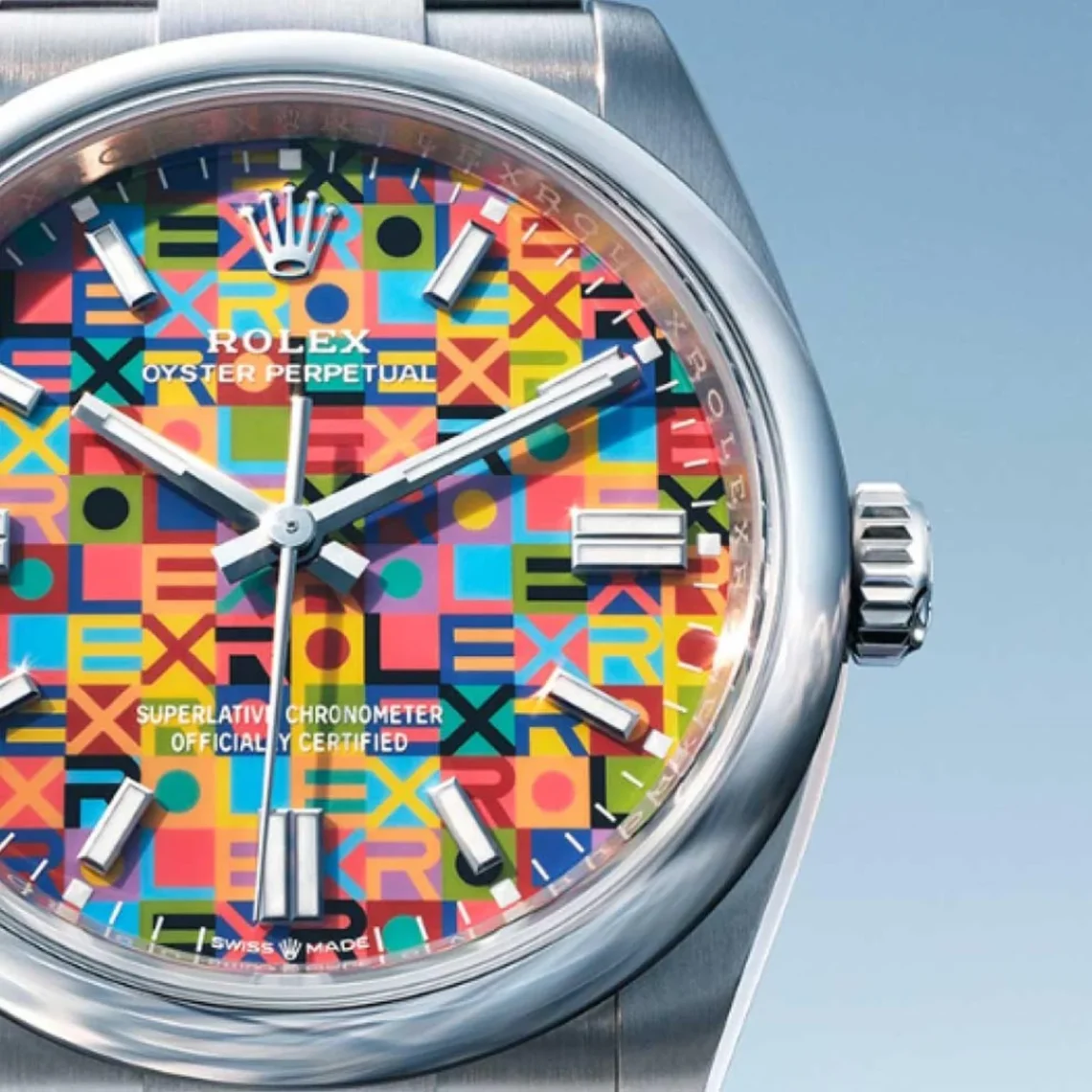
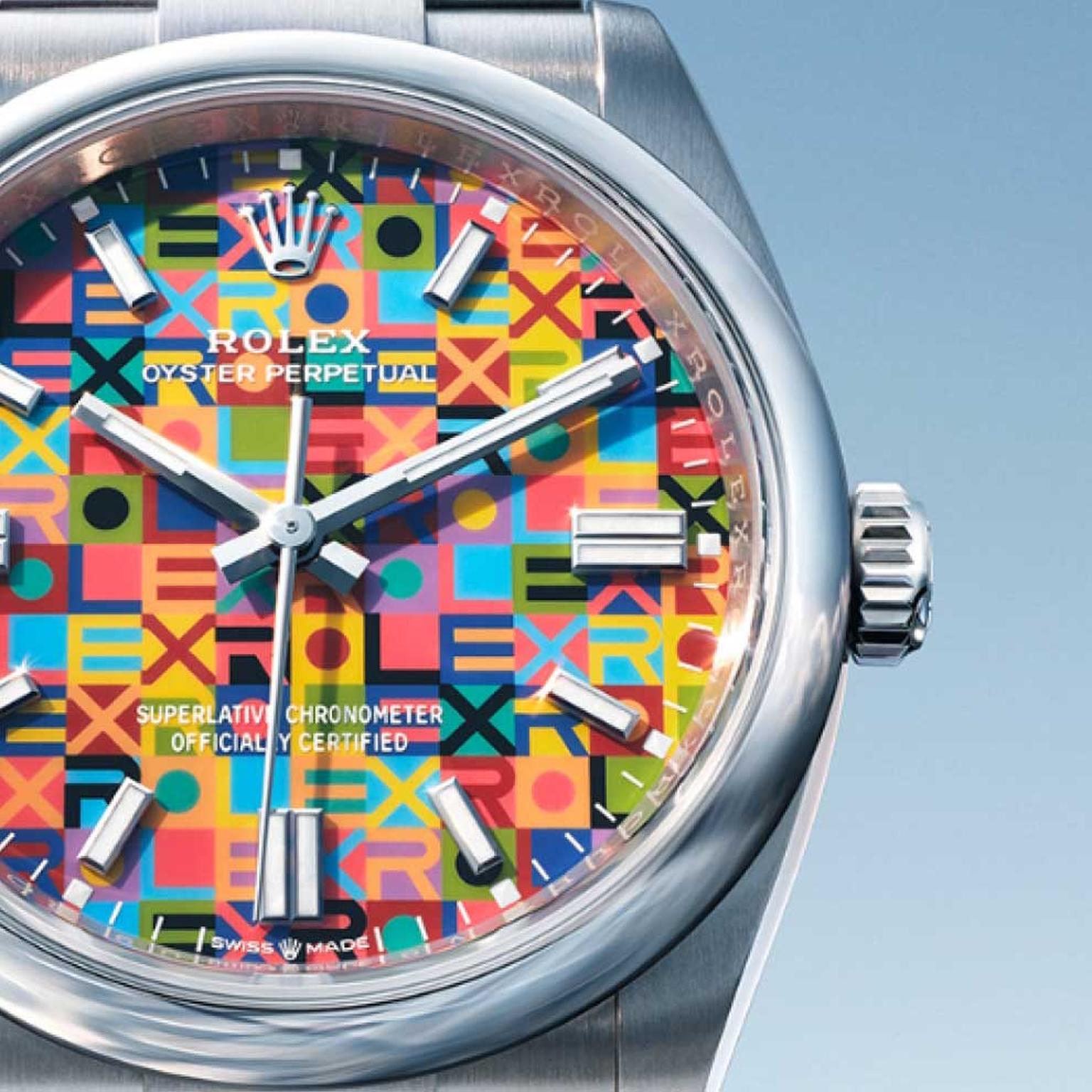
The standout for accessibility and design integrity was undoubtedly the 100th Anniversary edition of the Rolex Oyster. At a price point of £5,600 for the 36mm steel version, Rolex once again demonstrated its unparalleled ability to dominate the entry-level high-end market. The introduction of the colorful, patterned Jubilee dial was a masterclass in controlled vibrancy. It felt fresh without sacrificing the rigorous, utilitarian DNA that has made the Oyster arguably the most refined consumer product of our lifetime.
Mechanical Purpose: IWC’s Astronautical Ambitions
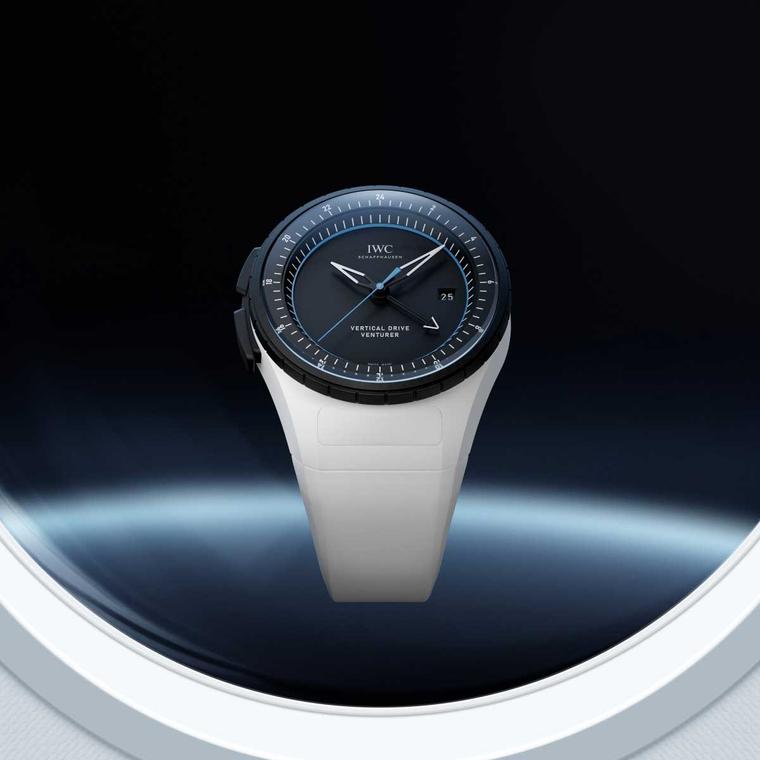
Where innovation occurred, it was tethered to a specific, almost extreme utility. The IWC Pilot’s Venturer Vertical Drive was the show’s most compelling argument for "purpose-built" engineering. By replacing the traditional crown with a patent-pending rotating bezel system and side-mounted rocker switches, IWC addressed a genuine ergonomic challenge: how does an astronaut operate a timepiece while wearing pressurized gloves? The result is a feat of engineering housed in a Ceratanium case that feels as much like a piece of aerospace equipment as it does a luxury watch.
The Peak of Sophistication: Parmigiani Fleurier
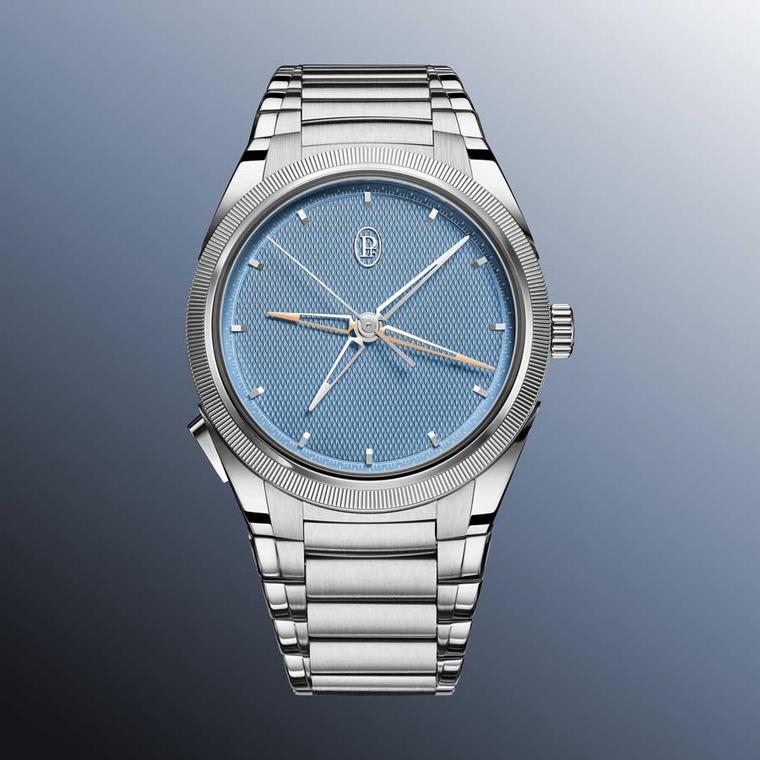
If IWC represented the apex of functional innovation, Parmigiani Fleurier claimed the title for mechanical poetry. The Tonda Chronograph Mystérieux was, in this writer’s estimation, the finest watch of the show. It perfectly encapsulates the house’s philosophy of "private luxury." At rest, the watch is a study in serenity, featuring a mineral blue grain d’Orge guilloché dial with only three hands. The magic happens upon the press of the 7:30 monopusher, where five coaxial hands emerge to choreograph a mechanical transformation. It is complex minimalism at its absolute finest.
Supporting Data: Material and Design Trends
The industry’s reliance on specific materials—and the elevation of those materials—tells a compelling story about current economic and aesthetic drivers.
- Gold & Steel Reimagined: Bvlgari’s launch of the "Gold & Steel" collection was arguably the most progressive strategy on the floor. By launching a series that treats steel with the same prestige as precious metals, Bvlgari tapped into the current climate of record-high gold prices while simultaneously leaning into the 1970s "Tubogas" aesthetic. It was a strategic, design-led move that successfully elevated a utilitarian material.
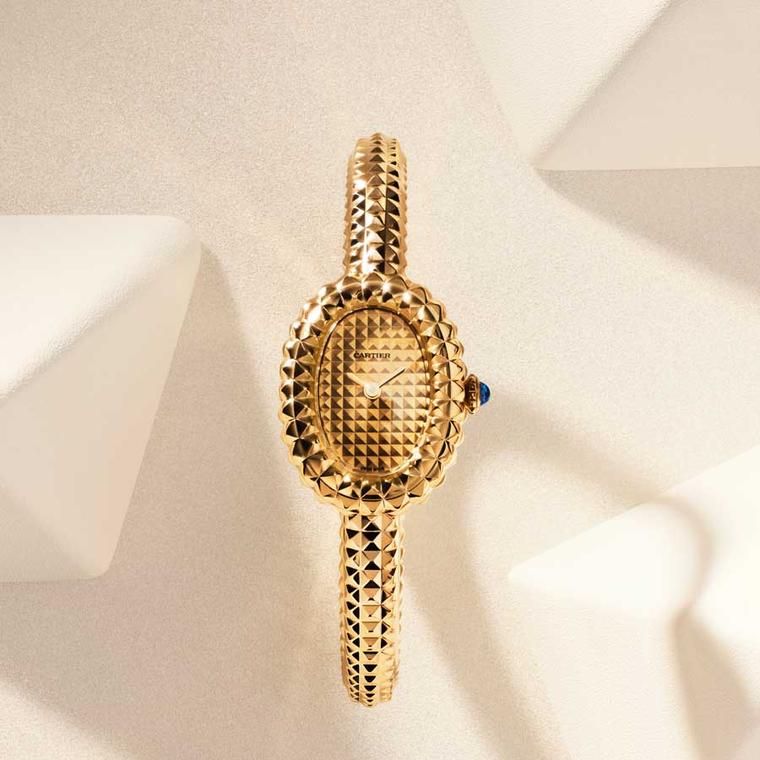
- The Sculptural Revival: Cartier’s re-exploration of the 1958 Baignoire was another highlight of the show. By applying the "Clou de Paris" pyramid motif across the case and bracelet, Cartier created a tactile, sculptural object that felt edgy yet distinctly classic. The tension between the smooth, sinuous curves of the watch and the sharp, geometric pyramids is a quintessential example of how Art Deco principles remain the backbone of modern luxury.
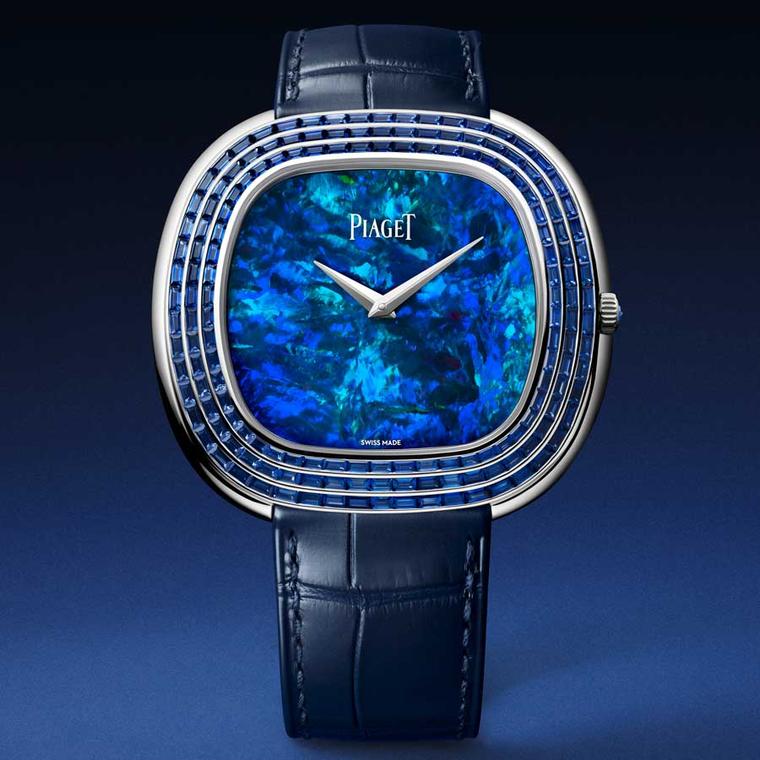
- The Archivist’s Touch: Piaget’s refinement of the 1972 "Andy Warhol" watch (formerly the 15102) proved that the archive is a brand’s greatest asset. By introducing tiger’s eye and black opal dials, Piaget didn’t just update a watch; they re-established a legacy piece as a contemporary "must-have."
Official Responses and Industry Sentiment
In discussions with brand representatives, the term "resilience" came up repeatedly. Executives from the major maisons noted that the primary goal for 2026 is to consolidate brand identity.
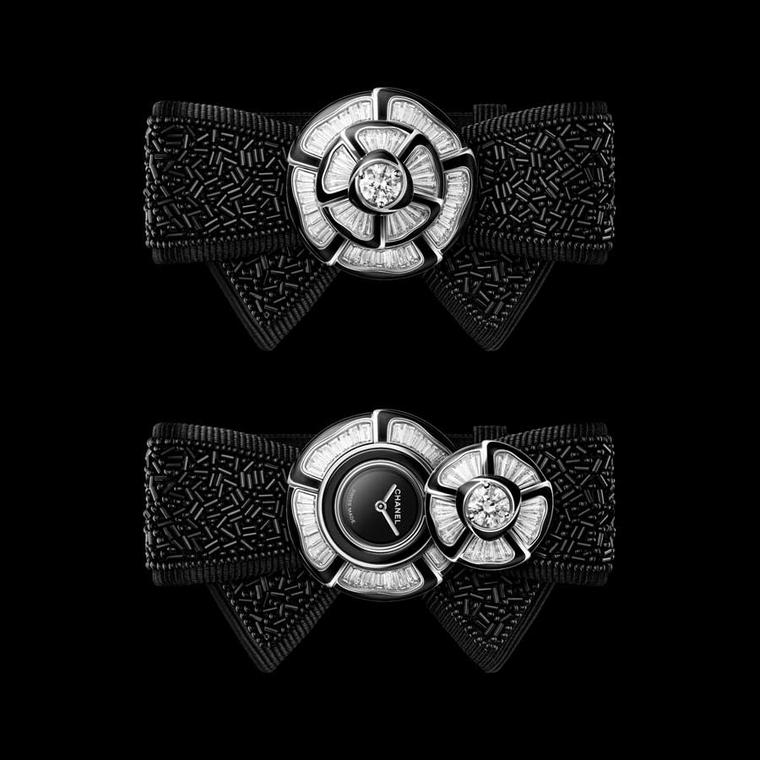
"We are focusing on what we do best," remarked a senior representative from a major group. "The market is saturated with noise. Our strategy is to provide clarity. Whether it is the subtle embroidery on a Chanel cuff or the rigorous geometry of a Cartier, the customer wants to know that their investment is backed by centuries of craftsmanship."
The sentiment across the floor was that "innovation for the sake of innovation" is a strategy of the past. Today, innovation must solve a problem, enhance comfort, or deepen the emotional connection between the wearer and the object.
Implications: The Future of the Watch Market
What does this year’s show mean for the future of the watch market? Several key implications have emerged:
- The Consolidation of Icons: We expect to see brands spend the next 24 months focusing on their "pillar" collections. Expect fewer experimental new model lines and more "limited editions" that focus on dial color, material texture, and movement refinements.
- The Rise of "Private Luxury": As seen with Parmigiani Fleurier, there is a growing appetite for watches that do not broadcast their complexity. The "if you know, you know" aesthetic is becoming the primary driver for high-net-worth collectors who prefer understated elegance over logos and ostentatious displays of wealth.
- Cross-Generational Appeal: The success of the Chanel Noued de Camelia cuff highlights the importance of blurring the lines between high jewelry and high horology. These pieces are not just watches; they are "objects of craft" that appeal to a younger demographic interested in fashion and couture, as well as the traditional watch collector.
- Value as a Pillar: Even at the highest echelons of the market, there is a renewed sensitivity to value. Rolex’s success with the £5,600 Oyster proves that even the most prestigious brands recognize the need to offer a gateway product that is accessible, impeccably built, and unmistakably authentic.
Final Reflections
Watches & Wonders 2026 will be remembered not for its volume of new releases, but for the clarity of its vision. It was a show that rejected the vanity of the past in favor of a quiet, confident future.
The industry is currently in a state of recalibration. By prioritizing the "considered" choice, watchmakers are acknowledging that the luxury consumer is more discerning, more educated, and more interested in the story behind the object than ever before. Whether it is the space-ready engineering of an IWC or the silent, rhythmic dance of a Parmigiani chronograph, the watches of 2026 are built to endure. And in a world that feels increasingly transient, that is perhaps the greatest luxury of all.