MILANO — When an automotive manufacturer declines to build the exact car of your dreams, motorists face a universal crossroads. For the vast majority of drivers, this means settling for a compromise from another brand or waiting with crossed fingers for a future model year refresh. However, for elite automotive connoisseurs blessed with deep pockets and an appreciation for bespoke craftsmanship, there is another path: the centuries-old, highly exclusive world of coachbuilding.
This philosophy of automotive self-determination is precisely how the breathtaking Carrozzeria Castagna Milano Giulia Q came into existence. Though the historic Milanese coachbuilder remains characteristically tight-lipped regarding whether this particular iteration is a strict, one-off private commission or the prototype for a limited-run series, the company has confirmed it “intends to complete it with a true enthusiast of the brand.” Whether that future custodian is already whispering in the designers’ ears or waiting in the wings, the resulting Giulia Q is nothing short of a masterpiece—all the more remarkable because it takes the four-door Alfa Romeo Giulia Quadrifoglio Verde saloon and strips away its roof, its rear doors, and its conventional identity.
Main Facts: Deconstructing the Castagna Milano Giulia Q
At its mechanical core, the Giulia Q retains the furious DNA of the Alfa Romeo Giulia Quadrifoglio Verde (QV), a high-performance sports saloon launched in 2015 that immediately captured the hearts of petrolheads worldwide. Yet, what Carrozzeria Castagna has wrought is no mere cosmetic trim package or simple "chop-top" conversion. It is a complete, radical engineering and design reconfiguration of the original platform.
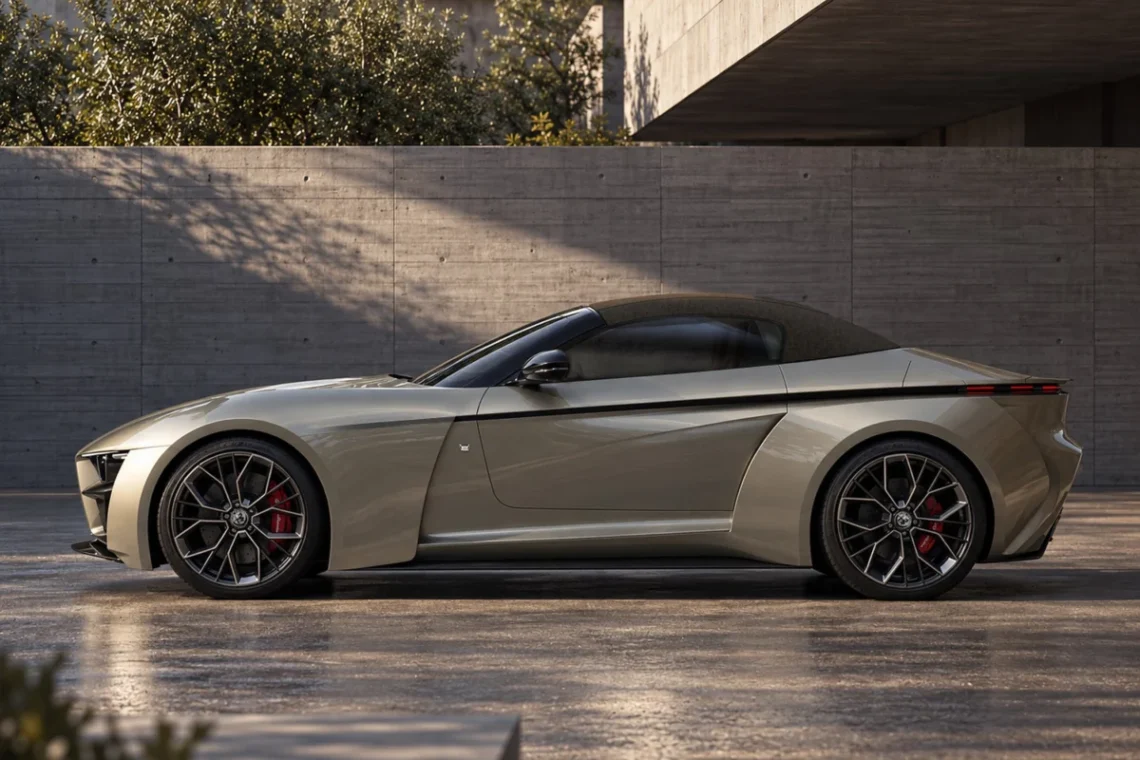
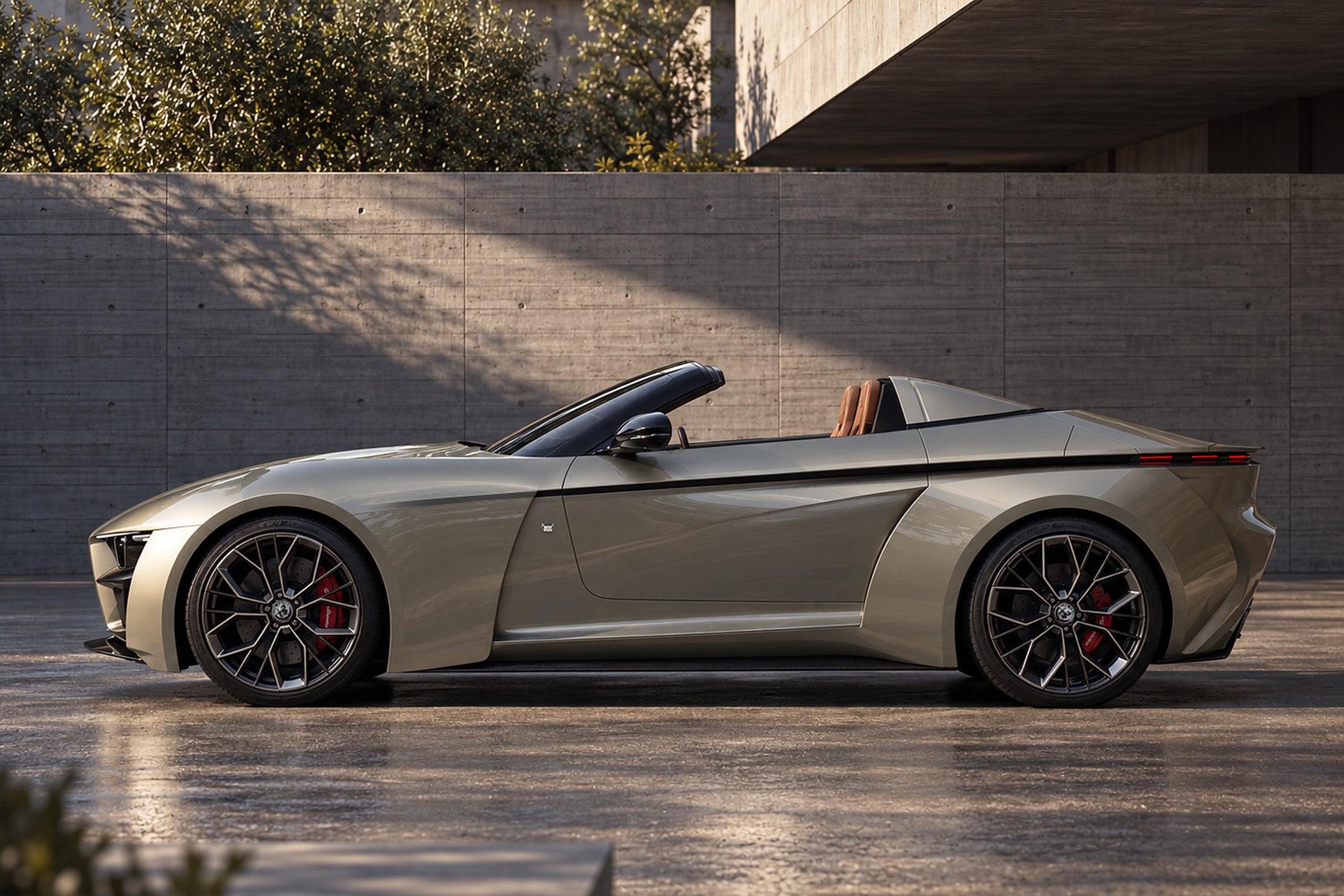
Eagle-eyed automotive enthusiasts will immediately note that the Giulia Q has transformed from a practical four-door family-scaring saloon into an aggressive, low-slung two-seat roadster. To achieve this, Castagna’s master fabricators undertook massive structural alterations:
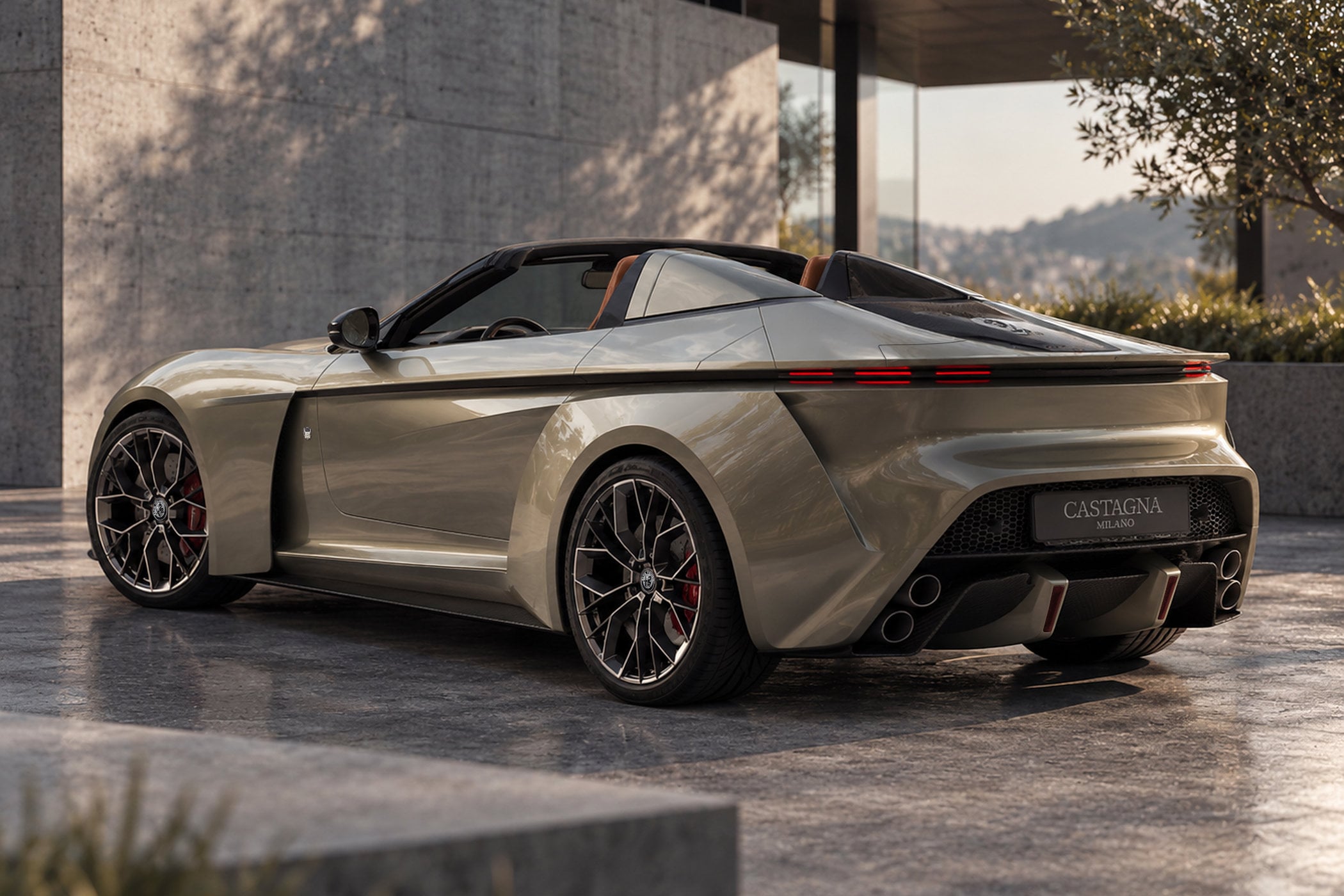
- Cabin Relocation: The entire occupant cell—including the dashboard, steering assembly, and front bucket seats—has been pushed backward by a substantial 330mm to achieve classic sports car proportions and optimal weight distribution.
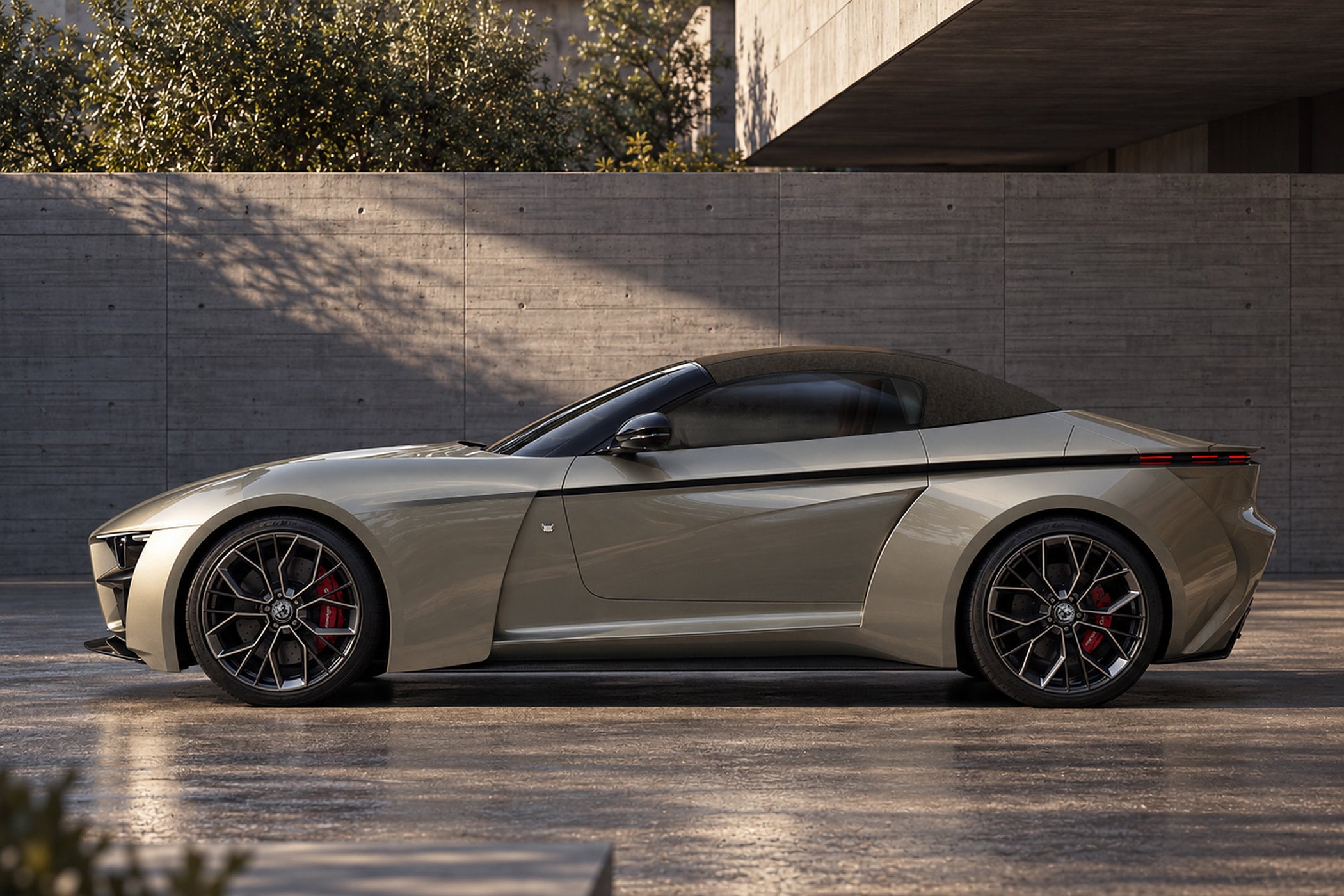
- Top-Down Engineering: The fixed steel roof has been excised entirely, replaced by a bespoke, fully folding soft-top mechanism that tucks away completely beneath a flush rear decklid when open.
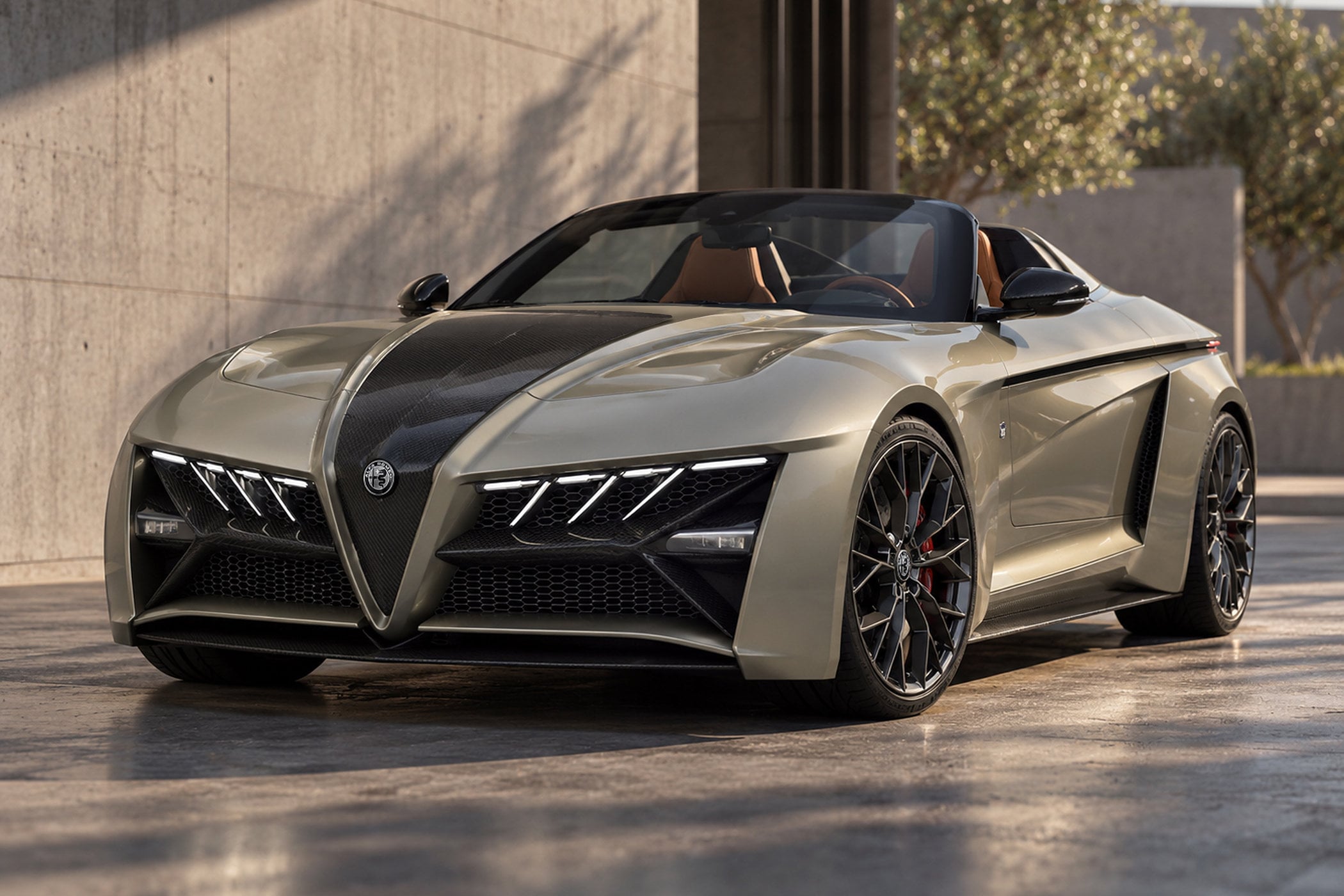
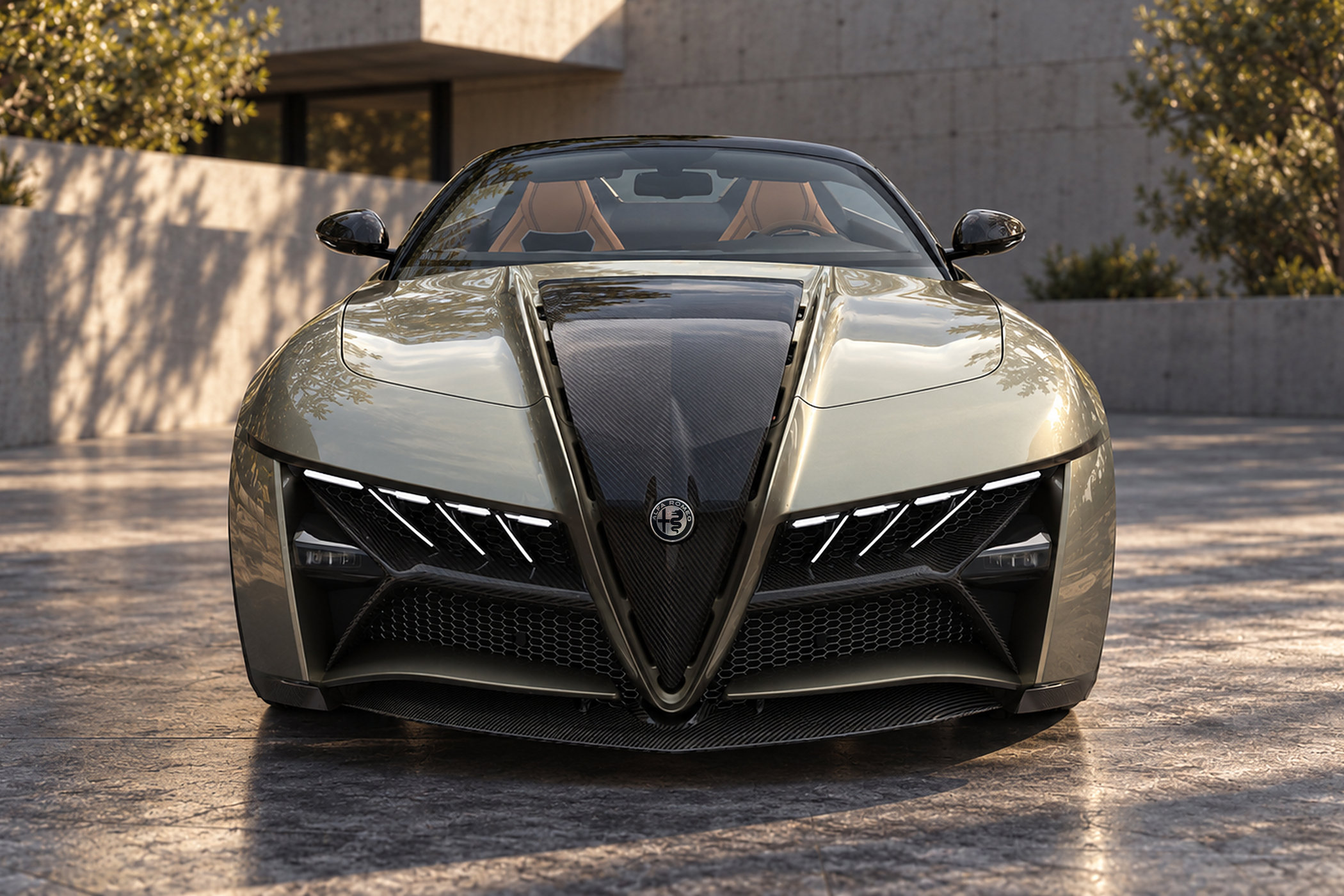
- Vistotal Windshield: Utilizing Castagna’s proprietary Vistotal glazing system, the front windshield features drastically minimized A-pillars, eliminating traditional blind spots while radically elevating the car’s aerodynamic aesthetic.
- Aggressive Front Fascia: The hood has been extended and pronounced, featuring a commanding exposed carbon-fiber center panel. The front bumper, iconic Alfa Romeo trilobo shield grille, and integrated front splitter have all been sharpened to slice through the air with authority.
- Aerodynamic Flow: Distinct character lines flow seamlessly from the top of the headlamps down the flanks of the vehicle, interrupted only by flared front wheel arches before bleeding into the rear spoiler. Sharp side-body strakes channel turbulent air away from the wheel wells, while twin aerodynamic fairings sit proudly behind the newly minted two-seat cabin.
- Vertical Exhausts: At the rear, the quad-exhaust setup has been reconfigured into a striking vertical stack arrangement, framing an aggressive carbon-fiber rear diffuser.
Despite these sweeping modifications, the Giulia Q remains surprisingly practical. Castagna Milano proudly reports that even with the folding soft-top stowed, the vehicle retains an impressive 623 liters of luggage capacity, proving that bespoke open-top motoring does not require sacrificing utility.
Beneath that aggressively sculpted hood beats the familiar, formidable heart of the Giulia QV: a 2.9-liter twin-turbocharged V6 engine pumping out a ferocious 520 horsepower and 600 Nm of torque. Because the coachbuilt carbon-fiber and aluminum bodywork sheds approximately 200 kilograms (440 lbs) compared to the stock donor saloon, performance metrics have undoubtedly sharpened. While the standard QV sprints from 0 to 100 km/h in 3.9 seconds and tops out at 308 km/h, the lightweight, aerodynamic Giulia Q is expected to eclipse those figures, with Castagna officially listing its top speed as “over 300 km/h.”
Chronology: A Heritage of Coachbuilding Excellence
To understand the audacity of the Giulia Q, one must look back at the rich, winding history of Carrozzeria Castagna Milano. Coachbuilding is far from a modern novelty; in the pioneering days of the automobile, it was the gold standard of luxury. Wealthy motorists would purchase a bare chassis and engine directly from an automaker, then commission independent artisans to hand-craft bespoke coachwork. Alternatively, manufacturers themselves would outsource bodies to elite ateliers. It was a division of labor akin to a high-end watchmaker collaborating with a master enamel artist to create a unique dial.
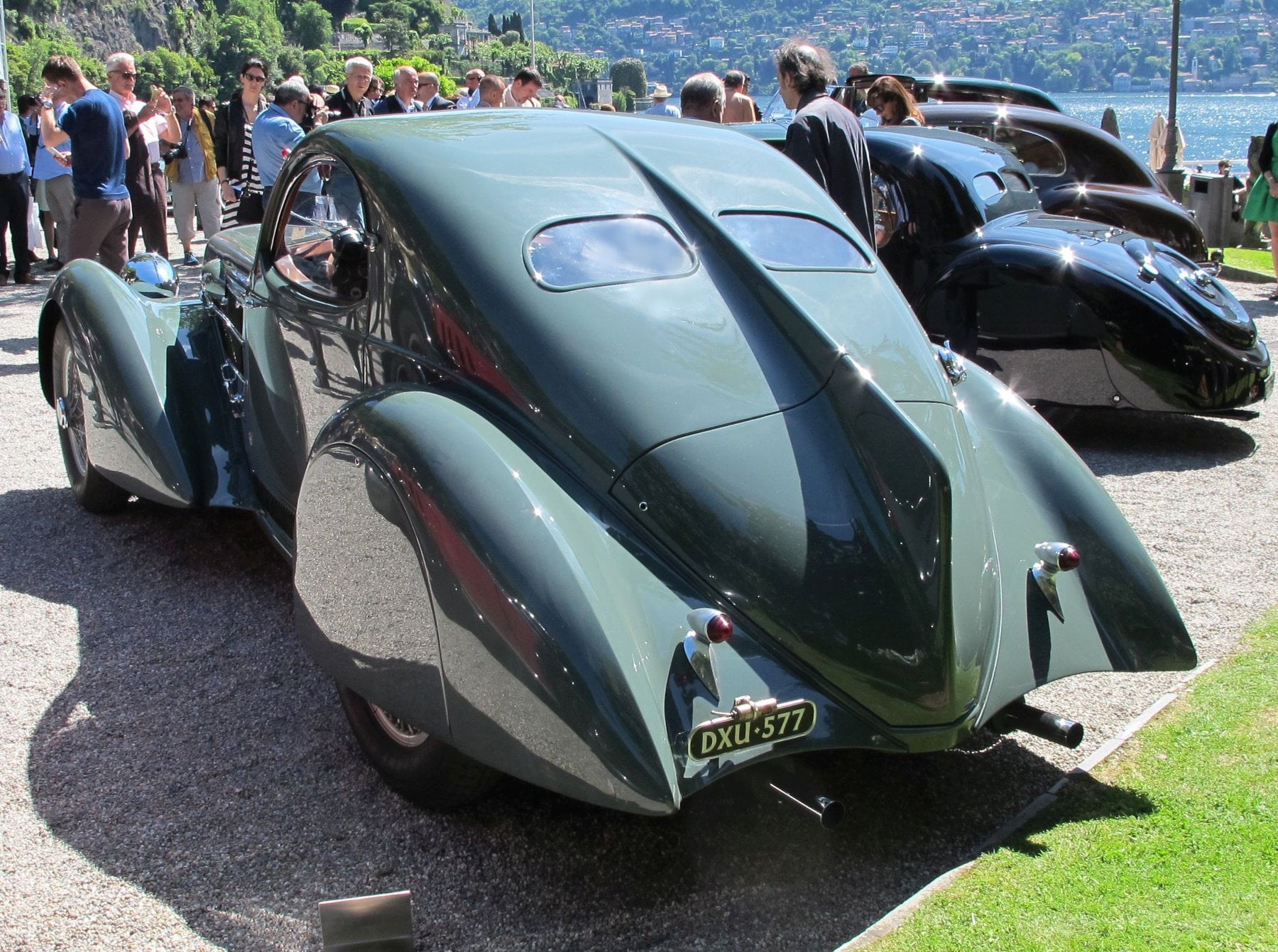
During the golden age of automotive design in the early 20th century, legendary names like Mulliner, Figoni et Falaschi, Vanden Plas, and Scaglietti left indelible marks on rolling art from Rolls-Royce, Bentley, Bugatti, and Duesenberg. While British and Italian houses largely led this artistic renaissance, the craft was truly global.
The origins of Carrozzeria Castagna trace back to the mid-19th century. Carlo Castagna was initially hired by carriage manufacturer Paolo Mainetti. Through a combination of business acumen, strategic competitor acquisitions, and unmatched craftsmanship, Castagna rose through the ranks, took full control of the firm in 1894, and officially christened it Carrozzeria Castagna Milano in 1906.
Key historical milestones in the marque’s timeline include:
- 1905: Castagna successfully pivots from horse-drawn carriages to automobile body manufacturing, rapidly expanding its footprint.
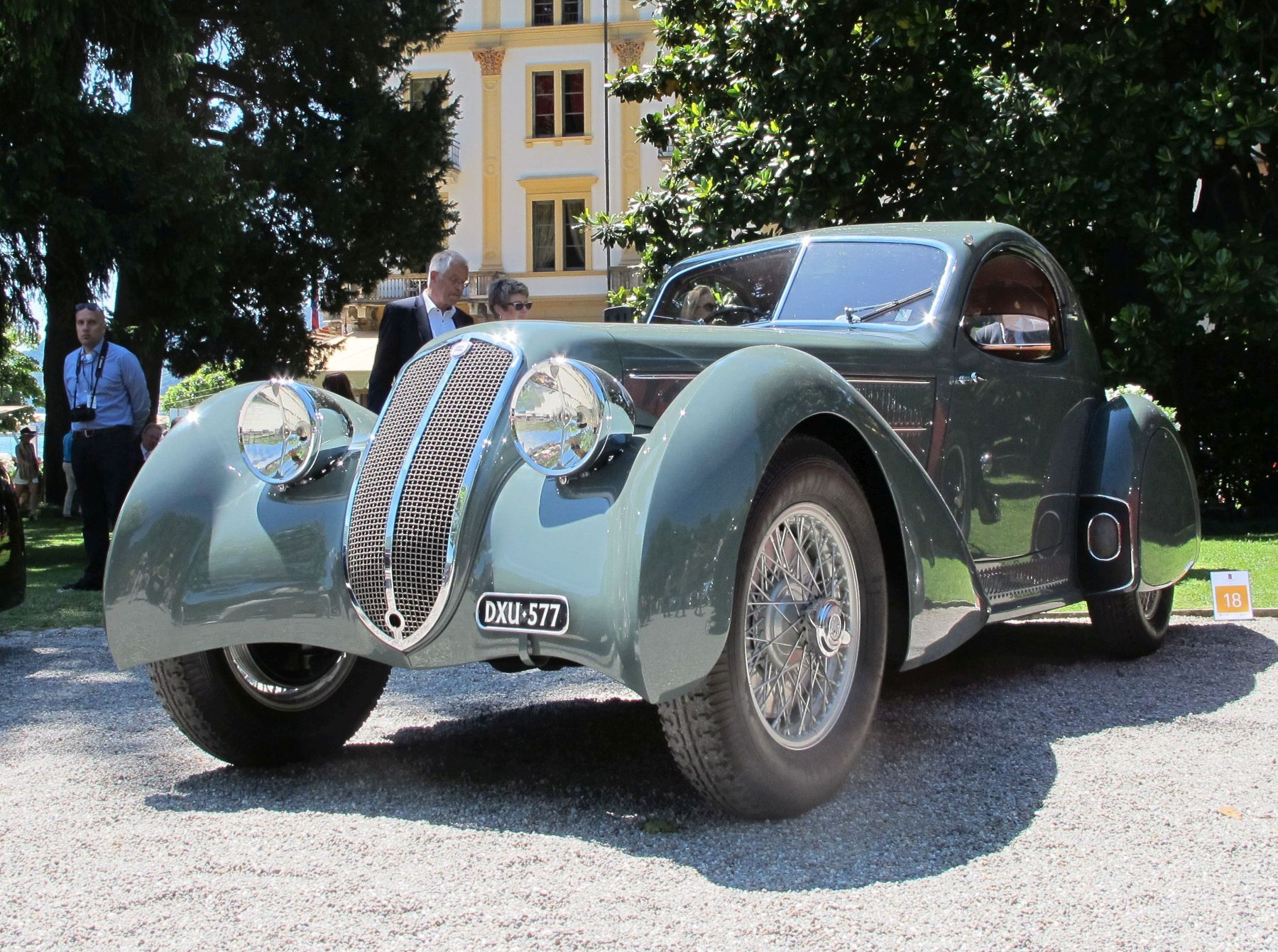
- 1930s: At the height of the pre-war era, Castagna reigns as Italy’s largest coachbuilder, employing roughly 400 skilled artisans and hand-crafting over 100 bespoke bodies annually for elite chassis builders like Alfa Romeo, Lancia, Maserati, Duesenberg, and Mercedes-Benz.
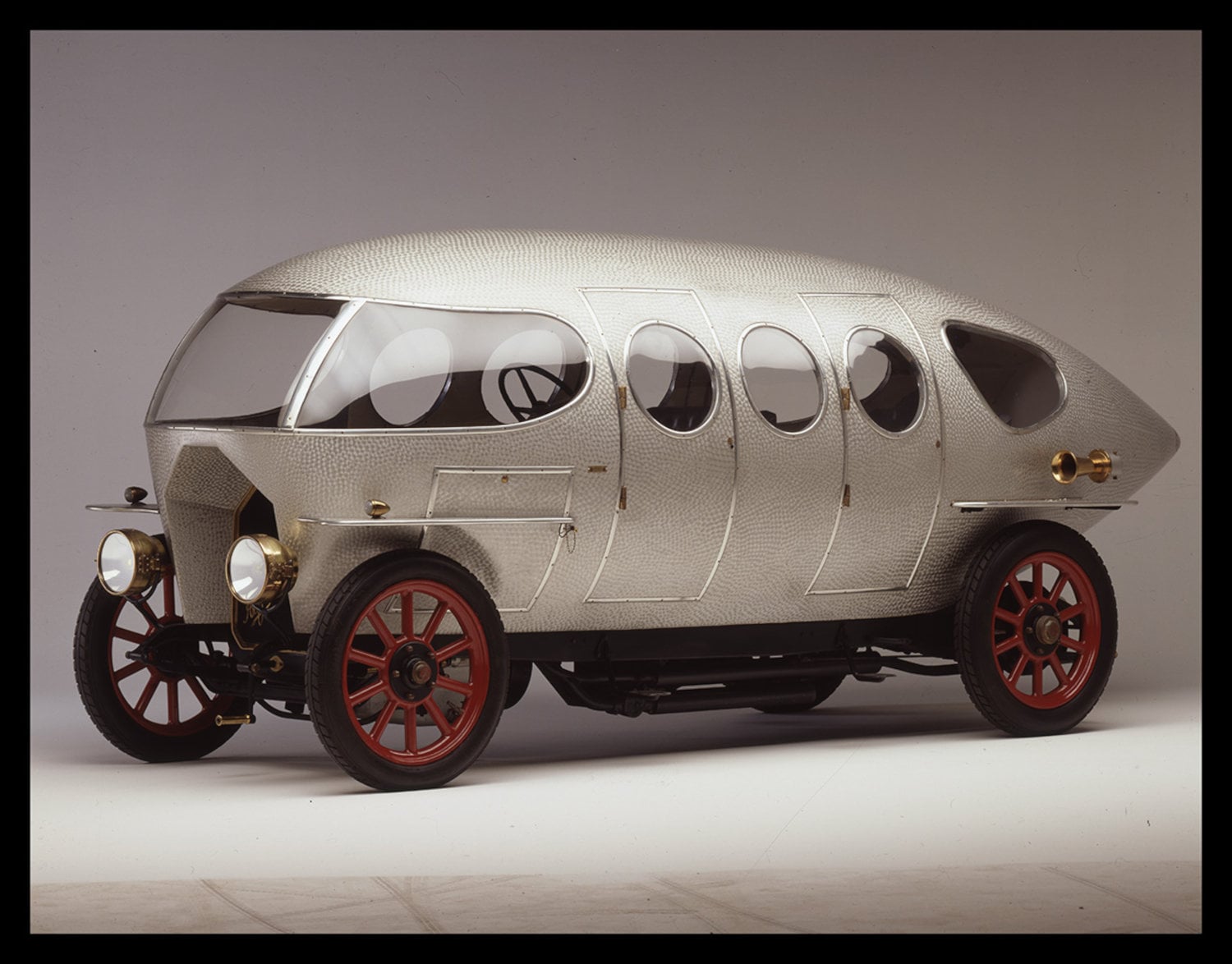
- 1913 & 1933 (Iconic Conceptions): Castagna routinely challenged convention, birthing masterpieces such as the radical 1913 Alfa Romeo 40/60 HP Aerodinamica and the breathtaking 1933 Lancia Astura Series II Berlinetta.
- World War II & Post-War Struggle: The outbreak of WWII forced the company—like countless others—to pivot to military vehicle production. The post-war economic devastation in Italy made high-end luxury coachbuilding nearly unsustainable, leading to the complete cessation of operations by 1954.
- The Modern Revivals: After sleeping for nearly four decades, the Castagna name was revived twice during the 1990s. Though the company’s modern scope remains intimately scaled, it has successfully transitioned into a boutique design and engineering studio capable of producing jaw-dropping bespoke concept cars and limited-run collector pieces.
Supporting Data: Specifications at a Glance
| Specification | Alfa Romeo Giulia QV (Donor Car) | Carrozzeria Castagna Milano Giulia Q |
|---|---|---|
| Body Style | 4-door Performance Saloon | 2-door Open-Top Roadster |
| Seating Capacity | 5 Passengers | 2 Passengers |
| Engine | 2.9L Twin-Turbocharged V6 | 2.9L Twin-Turbocharged V6 |
| Power Output | 520 hp | 520 hp |
| Torque | 600 Nm | 600 Nm |
| Weight Advantage | Baseline | Approx. 200 kg lighter |
| Windshield System | Standard factory glass with A-pillars | Patented Vistotal slim-pillar system |
| Luggage Capacity | Standard boot space | 623 Liters (with roof down) |
| Top Speed | 308 km/h | "Over 300 km/h" (Estimated higher due to weight loss) |
Official Responses and Industry Perspective
Carrozzeria Castagna Milano has maintained a calculated aura of mystery surrounding the commercial availability and ultimate ownership of the Giulia Q. Rather than pushing an aggressive marketing blitz, the Milanese firm relies on its storied legacy and word-of-mouth among ultra-high-net-worth automotive collectors.
In official statements regarding the project, representatives from Castagna emphasized that the vehicle is designed as an ultimate expression of brand loyalty: "We intend to complete it with a true enthusiast of the brand." This careful phrasing leaves the door open for customized interior trimmings, bespoke leather upholstery, and personalized colorways tailored explicitly to the exacting tastes of whichever collector steps forward to commission the final assembly.
Industry analysts view projects like the Giulia Q as part of a broader, highly lucrative renaissance in coachbuilding over the past decade. As mass-market automotive production becomes increasingly dominated by algorithmic design, uniform safety regulations, and mass electrification, wealthy driving enthusiasts are actively seeking out handcrafted individuality. Just as mechanical watch collectors pay staggering premiums for independent master watchmakers, car collectors are rediscovering the visceral joy of owning a rolling sculpture that no one else on Earth can duplicate.
Implications: The Future of Bespoke Italian Coachbuilding
The unveiling of the Carrozzeria Castagna Milano Giulia Q carries profound implications for both the heritage of Italian automotive design and the future of low-volume manufacturing.
First, it demonstrates that modern unibody and high-performance platforms—such as Alfa Romeo’s Giorgio platform underpinning the Giulia—can be fundamentally re-engineered by master artisans without losing their dynamic integrity. By shaving 200 kilograms of weight while retaining the ferocious 520-horsepower V6 powerplant, Castagna has proven that traditional metal-shaping and carbon-composite artistry can enhance, rather than compromise, modern performance engineering.
Second, it breathes fresh air into the cultural narrative of Alfa Romeo. While corporate strategies at major automotive conglomerates are frequently dictated by volume, SUV expansion, and electrification timelines, independent coachbuilders keep the romantic flame of pure sports car passion alive. By transforming a family-friendly performance saloon into a low-slung, ultra-exclusive roadster, Castagna has realized an automotive fantasy that Alfa Romeo’s corporate accountants likely never dared greenlight for mass production.
Ultimately, the Giulia Q stands as a triumphant testament to resilience. From its roots crafting royal carriages in 19th-century Milan to surviving total industrial collapse, World Wars, and the rise of mass production, Carrozzeria Castagna Milano has re-asserted its rightful place at the pinnacle of automotive haute couture. For one exceptionally lucky brand enthusiast, the Giulia Q will not merely be a mode of transportation—it will be an individualized piece of Italian automotive history.