For the modern traveler, the "carry-on-only" lifestyle has long been the gold standard of packing prowess. It is the hallmark of the seasoned jet-setter—the person who maneuvers through the terminal with a singular, streamlined bag, bypassing the baggage claim carousel entirely and avoiding the inevitable stress of lost luggage. However, as budget airlines tighten their cabin baggage policies and overhead bin space becomes an increasingly precious commodity, a new movement has emerged: the rise of the underseat bag.
These compact, high-capacity pieces of luggage are redefining how we traverse the globe. By maximizing the oft-ignored square footage beneath the seat in front of you, travelers can bypass carry-on fees, save time during boarding, and maintain a level of mobility that larger suitcases simply cannot offer.

The Evolution of the "Personal Item"
To understand the current surge in popularity of underseat luggage, one must first look at the shifting landscape of aviation policy. Historically, the "personal item" was a category reserved for purses, laptops, or small backpacks. Today, however, the category has been co-opted by savvy travelers who view it as a loophole to avoid the high costs of checked or overhead-bin-bound baggage.
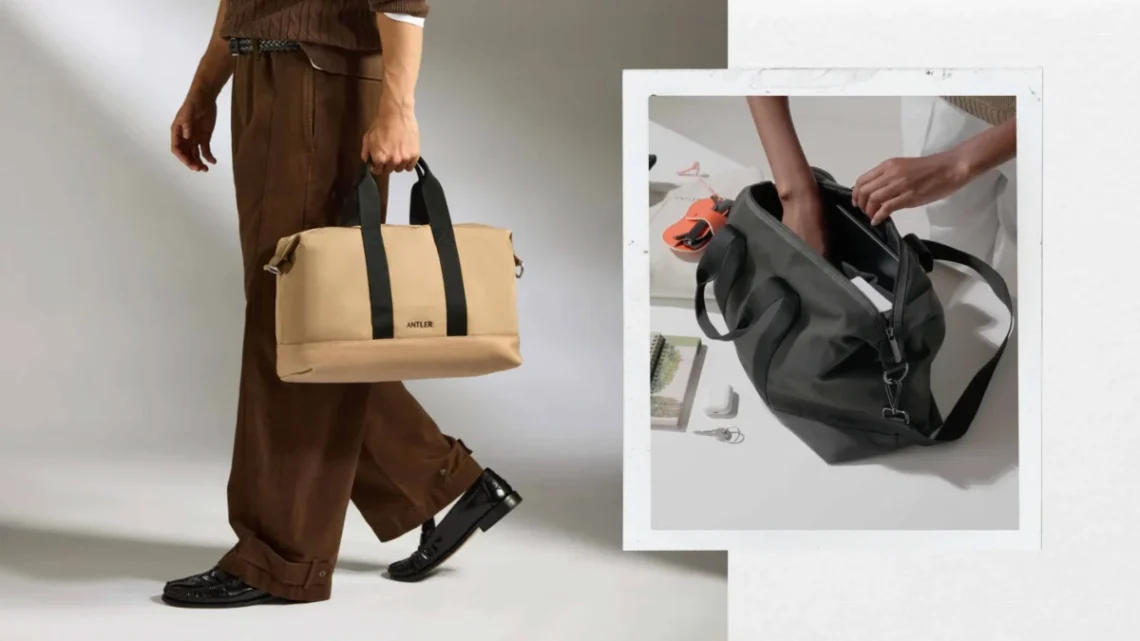
The distinction between a standard carry-on and an underseat bag is, in many ways, an evolution of design. While a traditional carry-on suitcase is designed to be hoisted into the overhead compartment, underseat luggage is engineered for accessibility. It is the tactical solution for the business traveler on a 24-hour turnaround, the digital nomad moving between hubs, or the budget-conscious vacationer who refuses to pay an extra $60 for a standard carry-on.

Technical Specifications: Navigating Airline Constraints
When selecting a bag that is specifically marketed as "underseat," the most critical factor is, unsurprisingly, its dimensions. While there is no global, universal standard for what constitutes an acceptable personal item, the industry has settled into a general consensus.
Standard Dimensions to Keep in Mind:
- The Sweet Spot: Most airlines define a personal item as being between 16 to 18 inches in length, 10 to 14 inches in width, and 8 to 10 inches in depth.
- The "Soft" Advantage: Unlike hard-shell carry-ons, the best underseat bags often feature semi-flexible or soft-sided designs. This allow for a "squish factor," enabling the bag to be coerced into tighter spaces if necessary.
- The Weight Factor: While overhead bins have volume limits, underseat bags are sometimes subjected to stricter weight checks by budget carriers. Always ensure your bag is light enough that when fully packed, it remains manageable for you to lift and place without assistance.
Strategic Packing: How to Maximize Limited Space
The biggest hurdle for travelers switching to an underseat-only strategy is the perception of limited volume. However, with the right packing methodology, these bags are surprisingly capacious.

- The Vertical Folding Method: Instead of folding clothes in traditional layers, roll them tightly or use the "file" method to maximize the footprint of the bag.
- The Power of Compression: If you are packing bulky items, utilize compression packing cubes. These allow you to reduce the volume of sweaters and trousers by up to 30%, making it possible to fit a weekend’s worth of clothing into a 15-inch bag.
- The "Wear Your Bulk" Rule: To save space, always wear your heaviest shoes and your largest jacket during the boarding process. This leaves your underseat bag free for the essentials that cannot be easily carried on your person.
The Implications for Business and Leisure Travel
The shift toward smaller luggage has profound implications for the travel industry. For business travelers, the primary benefit is efficiency. By eliminating the need for overhead bin access, travelers can deplane significantly faster. In the world of "Time is Money," the ability to walk off a plane and head straight to a rental car or taxi without waiting for a boarding group to clear is a distinct competitive advantage.
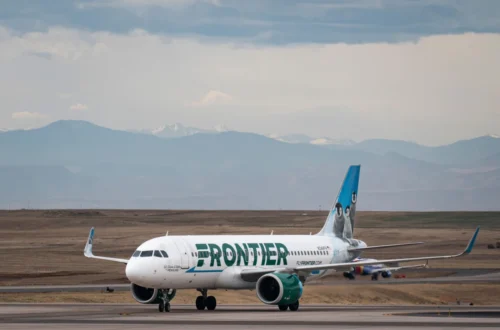
For leisure travelers, the implications are economic. With airlines like Spirit, Frontier, and Ryanair often charging premiums for anything larger than a personal item, the "underseat-only" travel hack can result in savings of hundreds of dollars per trip. Over the course of a year, this can amount to the cost of an entirely new flight.

Expert Perspectives and Official Guidelines
Airlines generally categorize these bags as "personal items." However, it is imperative that travelers read the fine print. An airline’s policy is not just about dimensions; it is about the ability to fit the item completely under the seat.
If a bag sticks out into the aisle, it is a safety violation. Cabin crew are trained to ensure that aisles remain clear during takeoff and landing. Therefore, while a bag might technically meet the dimension requirements, its shape matters. A rigid, square box that is 18 inches long may be harder to fit than a soft, rectangular duffel of the same length because the former cannot be molded to fit around the metal seat supports that often obstruct the underseat area.

FAQ: Frequently Asked Questions
Is there a universal size for underseat bags?
No. While many airlines follow the 18x14x8-inch rule, some international carriers or regional budget airlines have much stricter requirements. Always check your specific airline’s "Baggage Allowance" page before heading to the airport.
Can I bring a rolling suitcase as a personal item?
Yes, provided it meets the dimensions. Many manufacturers now produce "underseat rollers"—miniature suitcases with wheels and telescoping handles specifically designed to fit beneath the seat in front of you.

What happens if my bag doesn’t fit?
If your bag is too large to fit under the seat, you will likely be asked to check it at the gate. On budget airlines, this often comes with a significant "gate check fee," which is usually higher than the cost of prepaying for a carry-on.
Conclusion: The Future of Light Travel
The move toward underseat-only travel is more than a trend; it is a fundamental shift in how we approach the logistical challenges of modern aviation. By investing in high-quality, purpose-built luggage and mastering the art of efficient packing, travelers can reclaim their autonomy.

Whether you are navigating the chaotic boarding process of a low-cost carrier or simply looking to streamline your transit, the underseat bag is your most powerful tool. It forces us to reconsider what we truly need to carry, stripping away the excess and leaving us with the freedom to move quickly, efficiently, and with total peace of mind. As we look to the future of travel, it is clear that the best way to travel is often the lightest way.