
In the rarefied world of high-performance automotive engineering, few things are as polarizing as the decline of the traditional manual transmission. For decades, the "row-your-own" gearbox was the definitive litmus test for a driver’s connection to their machine. Yet, as automotive technology advanced toward the blistering efficiency of dual-clutch transmissions (DCTs) and high-revving electrification, the gated manual—a Ferrari hallmark—began to fade into the annals of history.
That is, until today. Ferrari has officially unveiled the 12Cilindri "Manuale," a vehicle that appears to be a direct answer to the pleas of driving purists. However, beneath the classic aesthetic lies a radical departure from tradition: the Manuale By-Wire system. This is not a return to the mechanical past, but a sophisticated, electronics-driven bridge between heritage and the future.
The Genesis of the By-Wire Concept
The development of the Manuale By-Wire system was not merely a cosmetic endeavor; it was an exercise in Maranello’s relentless pursuit of "emotional performance." The engineers at Ferrari faced a fundamental dilemma: how to replicate the visceral, tactile engagement of a mechanical shift while utilizing the superior performance and speed of a modern eight-speed DCT.
The project began in the research and development labs of Maranello, driven by the realization that while the modern supercar buyer demands the speed of an automated gearbox, they crave the soul of a manual. By decoupling the physical interface—the shifter and the clutch pedal—from the mechanical transmission, Ferrari has created a "virtual manual" that mimics the physics of a traditional setup with unprecedented precision.
Anatomy of the System: Engineering the Illusion
The brilliance of the Manuale By-Wire lies in its ability to deceive the senses. Despite being an electronic interface, the system is designed to provide the same tactile feedback as a mechanical linkage.
The Shifter Assembly
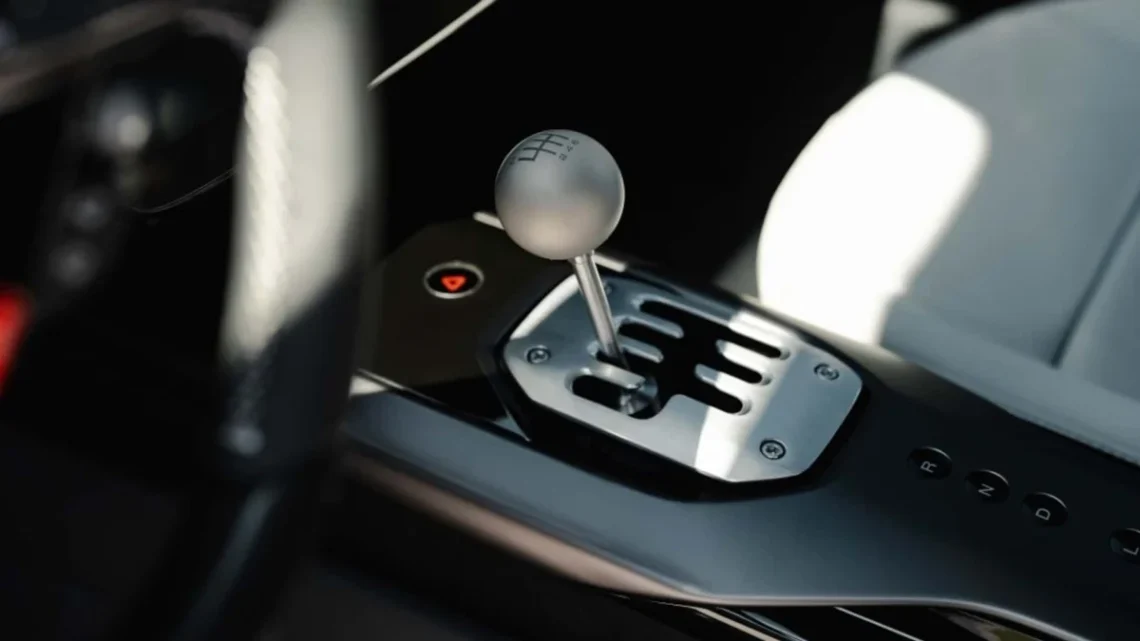
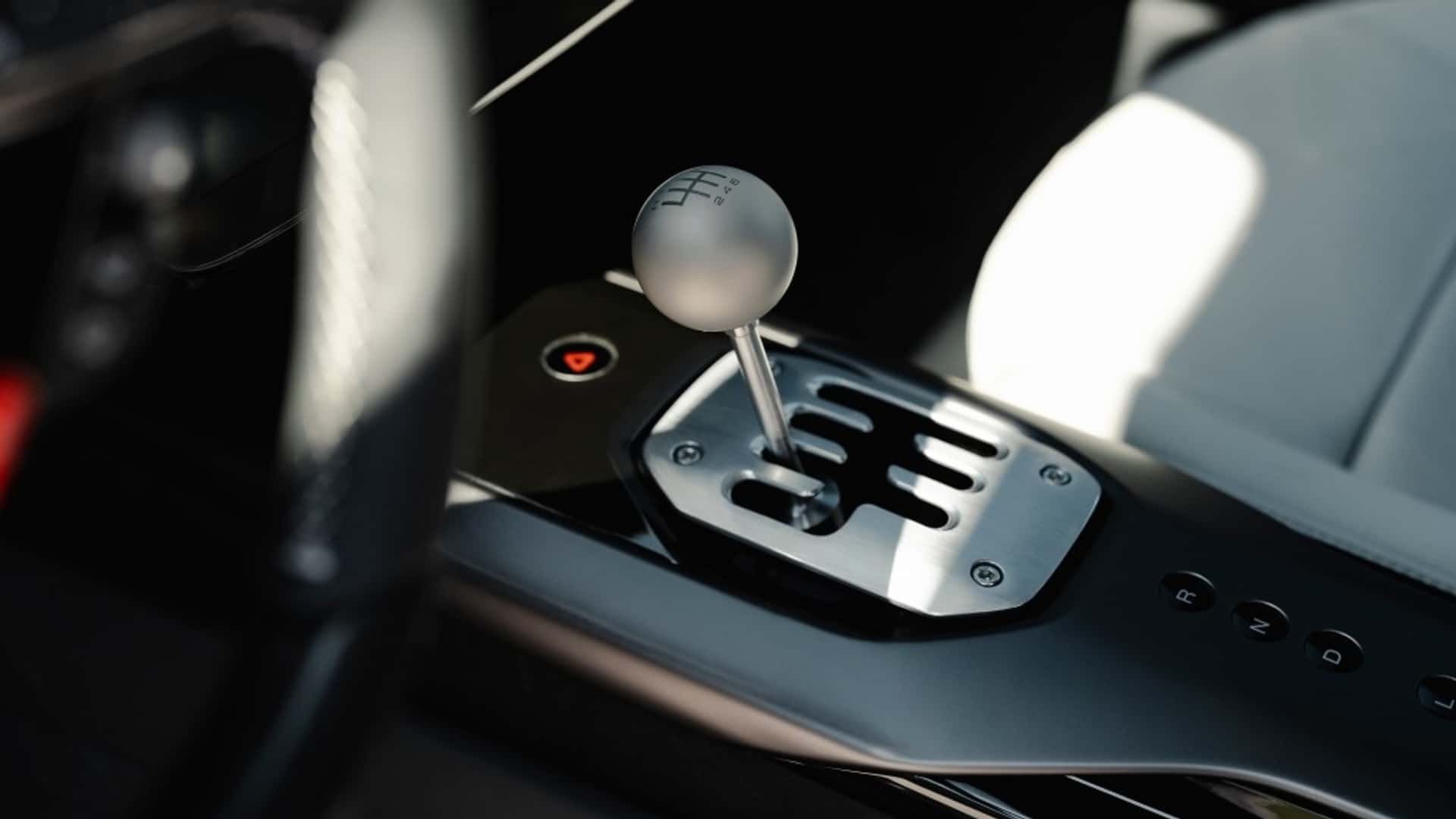
The shift lever assembly is a masterclass in industrial design, weighing in at under 7.7 pounds. It is constructed from a block of high-strength, billet-machined steel. The goal was to eliminate any "play" or vibration that might signal the system’s digital nature.
The mechanism utilizes two distinct rotational axes: one for gear selection and one for engagement. To recreate the iconic "click" of a Ferrari gear change, the engineers integrated a preloaded, specially profiled rotating drum. This drum creates a resistance curve that builds as the driver pushes the lever, followed by a sharp, satisfying release at the moment of engagement.
To ensure this feel remains consistent over the lifetime of the vehicle, the drum surfaces are treated with a low-friction coating. Furthermore, the system employs Hall-effect sensors—devices that monitor magnetic fields—to track the position of the lever with sub-millimeter accuracy, eliminating the wear-and-tear associated with physical contacts.
The Clutch: A Reimagined Engagement
Perhaps the most complex element of the system is the clutch. In a manual car, the clutch pedal is connected to the transmission via a physical cable or hydraulic line. In the 12Cilindri, that connection is entirely virtual.
To prevent the "dead" or "numb" sensation common in drive-by-wire systems, Ferrari implemented a passive mechanical feedback loop. By utilizing a combination of a preloaded spring, a cam, and a roller, the pedal offers a realistic resistance curve. As the driver releases the clutch, the pedal’s effort increases and then drops off at the precise engagement point. This is entirely mechanical, ensuring that the driver receives instant, intuitive feedback, even though the actual engagement of the DCT clutch packs is handled by a sophisticated array of sensors and hydraulic actuators.
Chronology of a Modern Classic
- Initial Concept Phase: Ferrari engineers identify a gap in the market for a "purist-focused" interface that does not sacrifice the performance metrics of the 12Cilindri platform.
- Prototype Testing: The "Manuale By-Wire" undergoes rigorous testing on the Fiorano circuit, where the focus is shifted from mere speed to "haptic authenticity."
- Calibration of Resistance Curves: A period of extensive data collection from vintage Ferrari manuals is used to tune the resistance of the new electronic shifter and clutch.
- Public Unveiling: The 12Cilindri Manuale is revealed to the public, marking the first time in years that a major Ferrari model has abandoned steering-wheel paddle shifters in favor of a three-pedal-style layout.
Technical Specifications: Power Meets Precision
While the interaction method has changed, the core powertrain remains a monument to the internal combustion engine. The naturally aspirated 6.5-liter V12 is untouched, producing a staggering 819 horsepower and screaming to a 9,500-rpm redline.
The system is inextricably linked to the vehicle’s electronic control unit (ECU). When a driver moves the lever, the ECU analyzes engine load, wheel speed, and throttle position before triggering the DCT to execute the shift. Because it is electronically governed, the car includes a "safety lockout" mechanism—an electromagnetic solenoid that prevents the driver from selecting a gear that would result in engine damage or loss of control, acting as a modern safeguard for the vintage-style experience.
Official Stance: Bridging the Divide
Ferrari representatives have been clear: this is not a step backward. In an official statement, the company noted that the goal was to provide "the driver with the agency of a manual transmission, while utilizing the hardware of the future."
The removal of paddle shifters is a bold statement. By mandating the use of the shifter and the clutch, Ferrari is forcing a return to a more deliberate style of driving. The company emphasizes that the system is fully capable of "heel-and-toe" downshifting, allowing the driver to manually match revs, provided they have the skill to do so. Failure to properly coordinate the pedal and the shifter will result in a familiar consequence: the engine will stall.
Implications for the Automotive Industry
The introduction of the Manuale By-Wire system has profound implications for the future of performance cars.
- The Survival of the "Engagement" Market: Many manufacturers have abandoned manual transmissions due to the complexity of integrating them with modern emissions and performance standards. Ferrari’s solution offers a blueprint for how sports car makers can retain the "soul" of the manual without sacrificing the performance of a modern DCT.
- Technological Authenticity: This system challenges the industry to rethink how "feel" is engineered. If a computer can perfectly replicate the sensation of a mechanical link, does the distinction between "analog" and "digital" still matter?
- The Collector’s Value: By limiting the use of paddle shifters and returning to the three-pedal interface, Ferrari is likely to create an instant classic. The 12Cilindri Manuale will likely become one of the most sought-after vehicles of the decade, appealing to a demographic that values experience over pure lap times.
Conclusion: A New Chapter in Maranello
The Ferrari 12Cilindri Manuale is a fascinating paradox. It is a car that refuses to let the past die, yet it is built on the most advanced electronic architecture in the company’s history.
For the traditionalist, the presence of a clutch pedal and a gated shifter is enough to satisfy the hunger for a more grounded driving experience. For the technologist, the sheer complexity of the "Manuale By-Wire" system serves as a reminder of Ferrari’s unmatched capability to innovate. Whether this system will truly capture the "magic" of a traditional manual remains to be seen once the first units hit the road, but one thing is certain: Ferrari has ensured that the art of driving is not about to become a relic of the past.