Main Facts: The Anatomy and Evolution of a Horological Icon
To the untrained eye, a watch dial is simply a canvas for telling time. To the horological connoisseur, however, it is a masterclass in typography, geometry, and utility. Among the myriad design layouts that have graced the wrists of watch enthusiasts over the past century, few possess the intellectual rigor and visual harmony of the sector dial.
Also known historically as scientific dials or chessboard dials, sector dials are characterized by their compartmentalized layout. Rather than presenting a uniform face, these dials utilize concentric rings, radial markers, and precise geometric lines to segregate hours, minutes, and seconds into distinct zones—or "sectors." Typically, the layout features a bold outer minute or seconds track (often styled as a railway or chemin de fer track), a prominent inner ring dedicated to hours, and a largely unadorned center that leaves space only for brand signatures or movement designations.
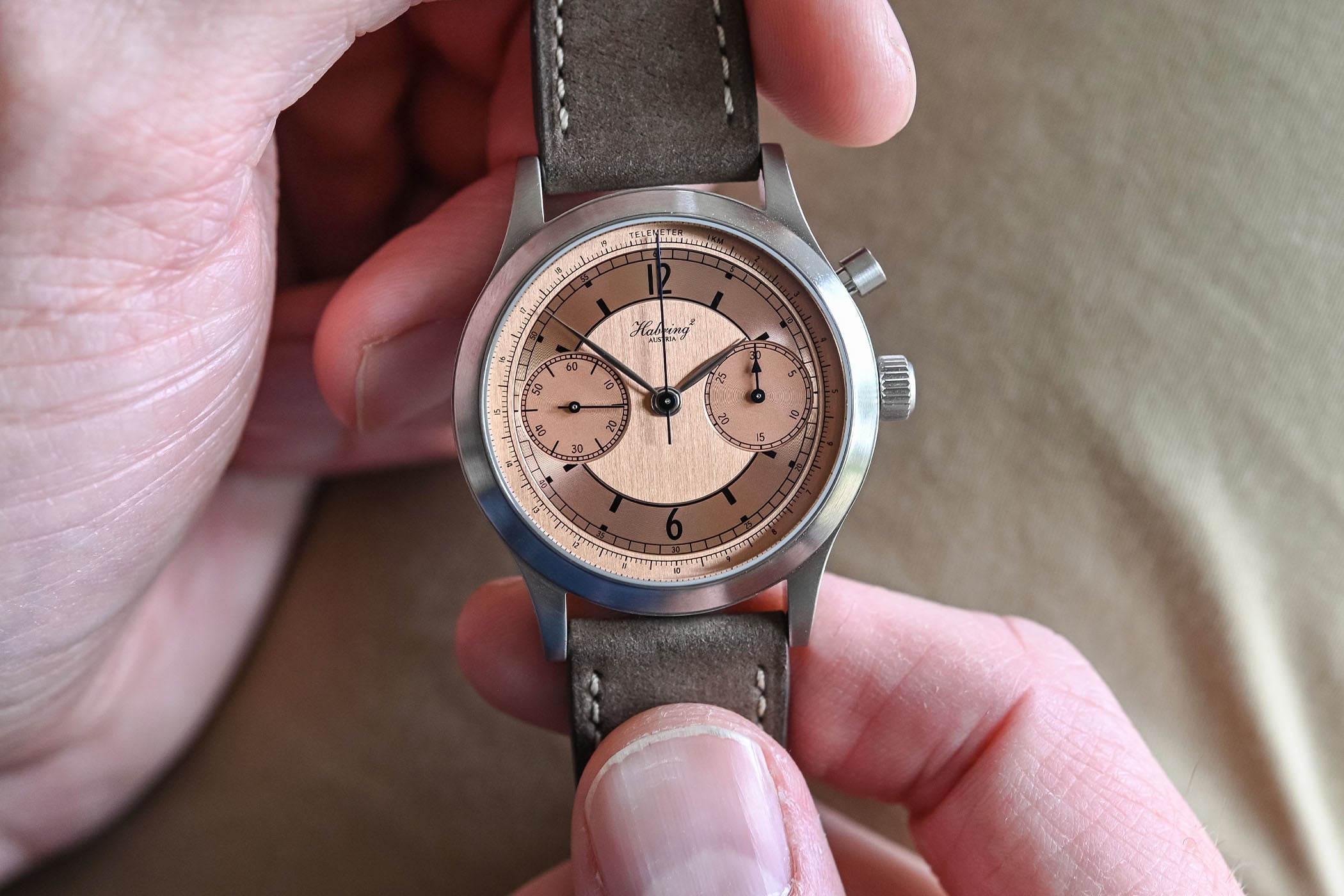
While the aesthetic is frequently championed as a textbook example of "form follows function," its origins are deeply rooted in high-precision measurement. Long before wristwatches became ubiquitous fashion accessories, similar compartmentalized dial designs were utilized in astronomy, navigation, and laboratory instruments. In the early decades of the 20th century, separating time units into distinct concentric rings proved immensely helpful for scientists, engineers, and early aviators operating in high-pressure environments where split-second legibility was paramount.
Furthermore, sector dials share a conceptual kinship with antique regulator clocks, which physically separated the hour, minute, and second hands onto individual registers to maximize precision. By translating this philosophy onto the wrist, watchmakers created a timeless aesthetic that bridged the gap between raw industrial utility and sophisticated elegance.
Chronology: From Scientific Instruments to the 21st-Century Revival
The journey of the sector dial is a tale of shifting cultural movements, technological milestones, and an enduring modern renaissance.
The Interwar Period and Art Deco Supremacy (1910s–1930s)
As wristwatches surged in popularity during and immediately after World War I, design tastes shifted dramatically away from the ornate, floral flourishes of 19th-century Art Nouveau. Instead, the industrial, geometric ethos of the German Bauhaus movement and the French Art Deco style took hold.
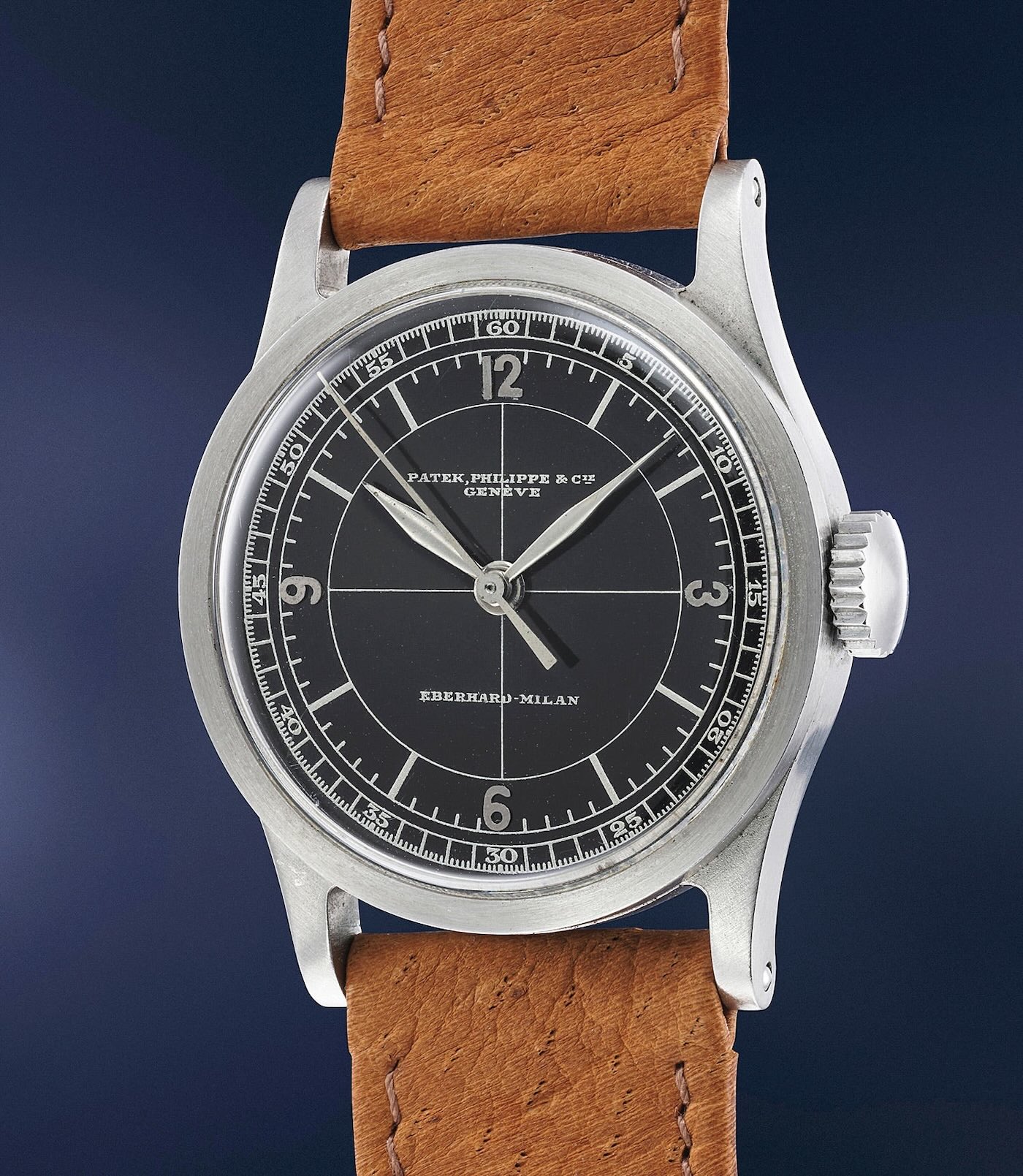
Sector dials emerged as the natural wristwatch expression of this modernist shift. Brands like Patek Philippe, Longines, and Omega began incorporating concentric rings and crosshair patterns—intersecting lines forming a cross from 12 to 6 o’clock and 9 to 3 o’clock—into their high-precision timepieces. Many of these early sector-dial watches were certified chronometers, reinforcing the visual narrative of absolute scientific accuracy.
(Note: While vintage sector-dial dress watches are frequently referred to today as "Calatrava" models, this is a modern colloquialism. The term originated with Patek Philippe’s landmark Reference 96 in 1932 to describe a round, minimalist dress watch with a flat bezel, but it was not a generic term used by competing 20th-century manufacturers).
The Mid-Century Peak and Subsequent Decline (1940s–1980s)
Sector dials reached the height of their mainstream popularity during the mid-20th century, favored by doctors, scientists, and professionals who valued unfettered legibility. However, as cultural tastes evolved into the 1960s, the utilitarian, geometric aesthetic of the Art Deco era gave way to Mid-Century Modernism and cleaner, more minimalist designs.
Watches increasingly transformed from purely functional tools into personal status symbols. The market gravitated toward eye-catching finishes like sunburst brushing and exotic polished stone dials. By the 1980s, sector dials had virtually vanished from mainstream production, surviving only as ultra-rare anomalies in the back catalogs of elite Swiss Maisons.
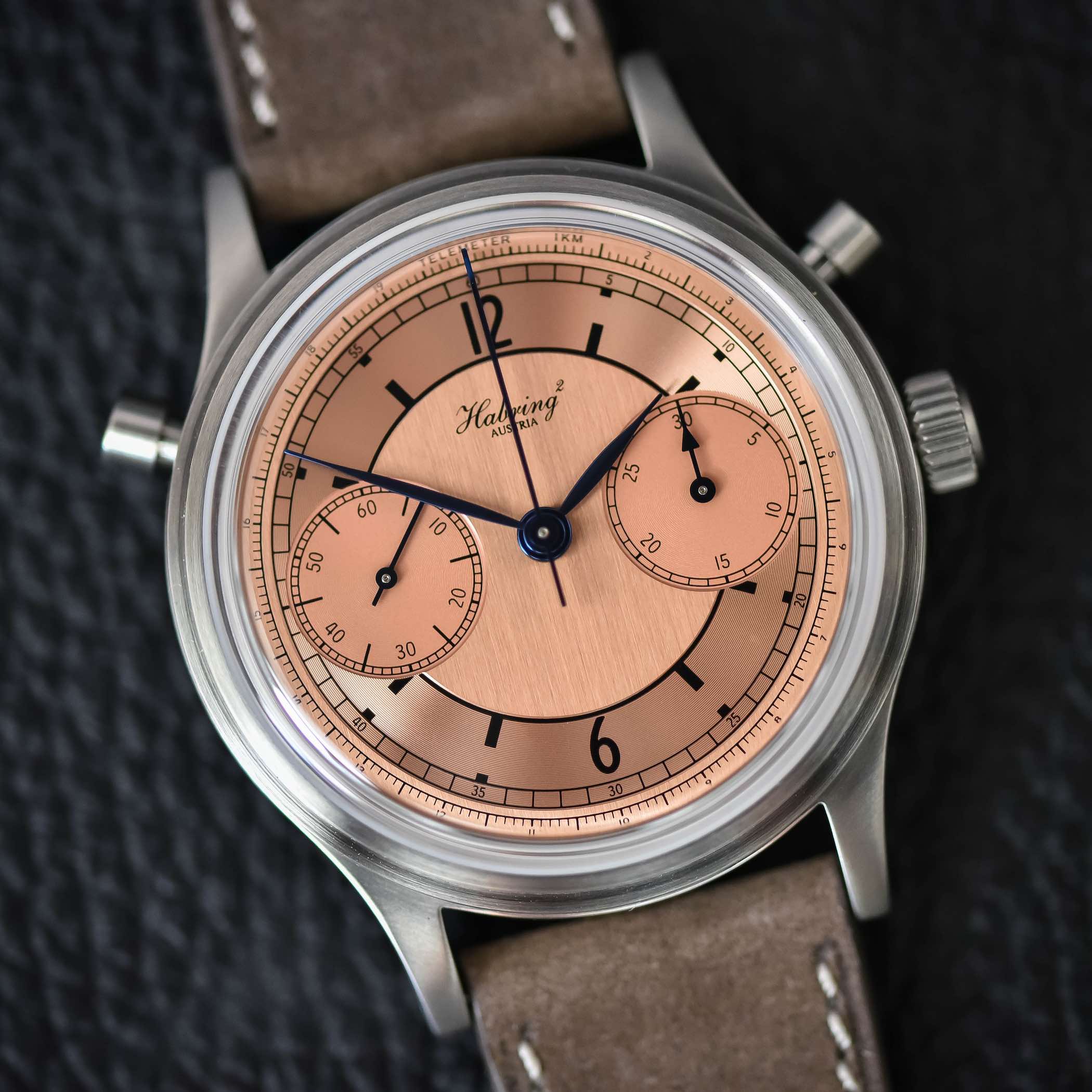
The 21st-Century Heritage Revival (2005–Present)
The turn of the millennium sparked a massive "heritage craze" across the luxury watch industry, setting the stage for a grand sector-dial revival.
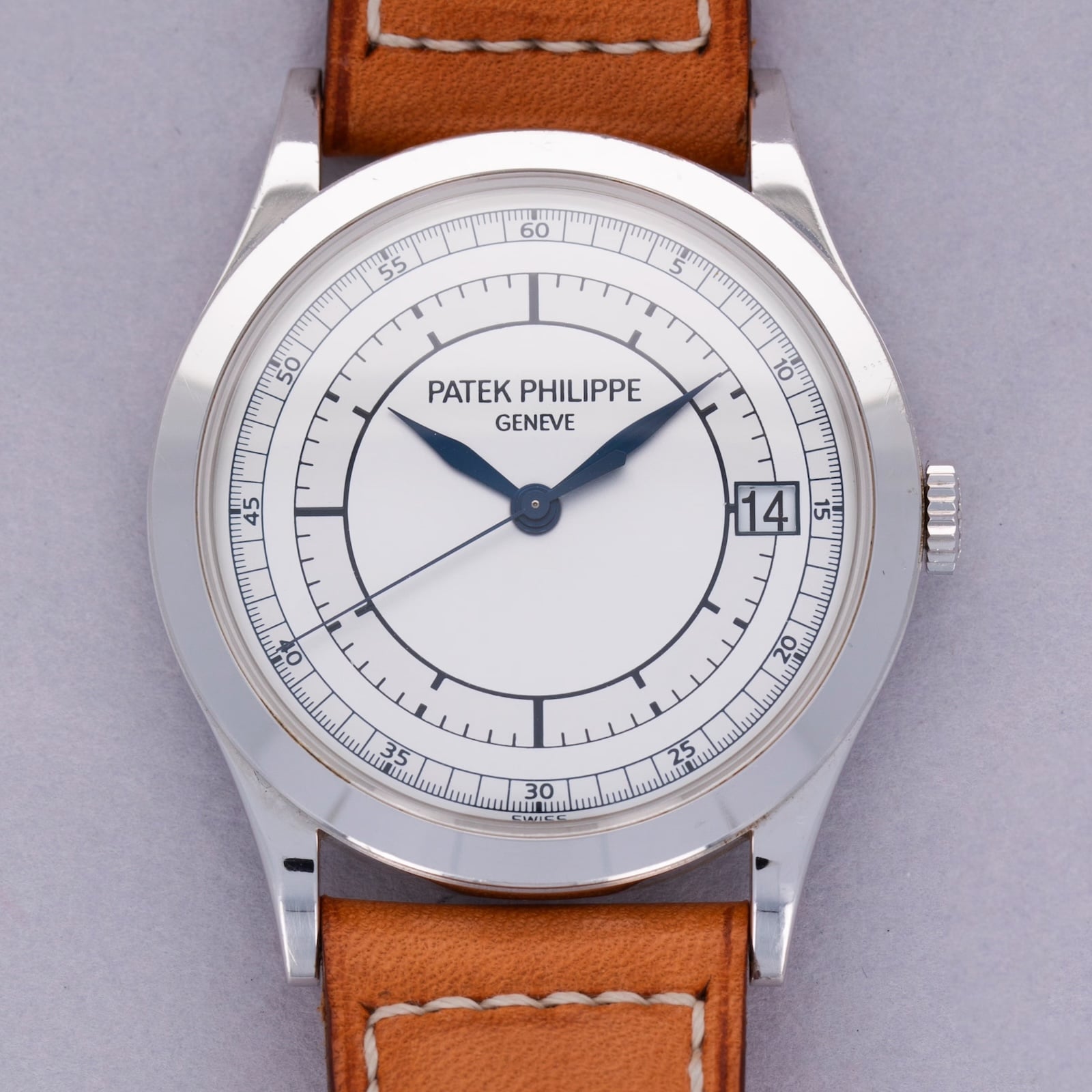
- 2005: Patek Philippe launched the Calatrava Ref. 5296G, featuring a true vintage-inspired sector dial complete with dual concentric rings, quarter-hour markers, and a clean center stage. It is widely credited with bringing the trend back into the modern luxury consciousness.
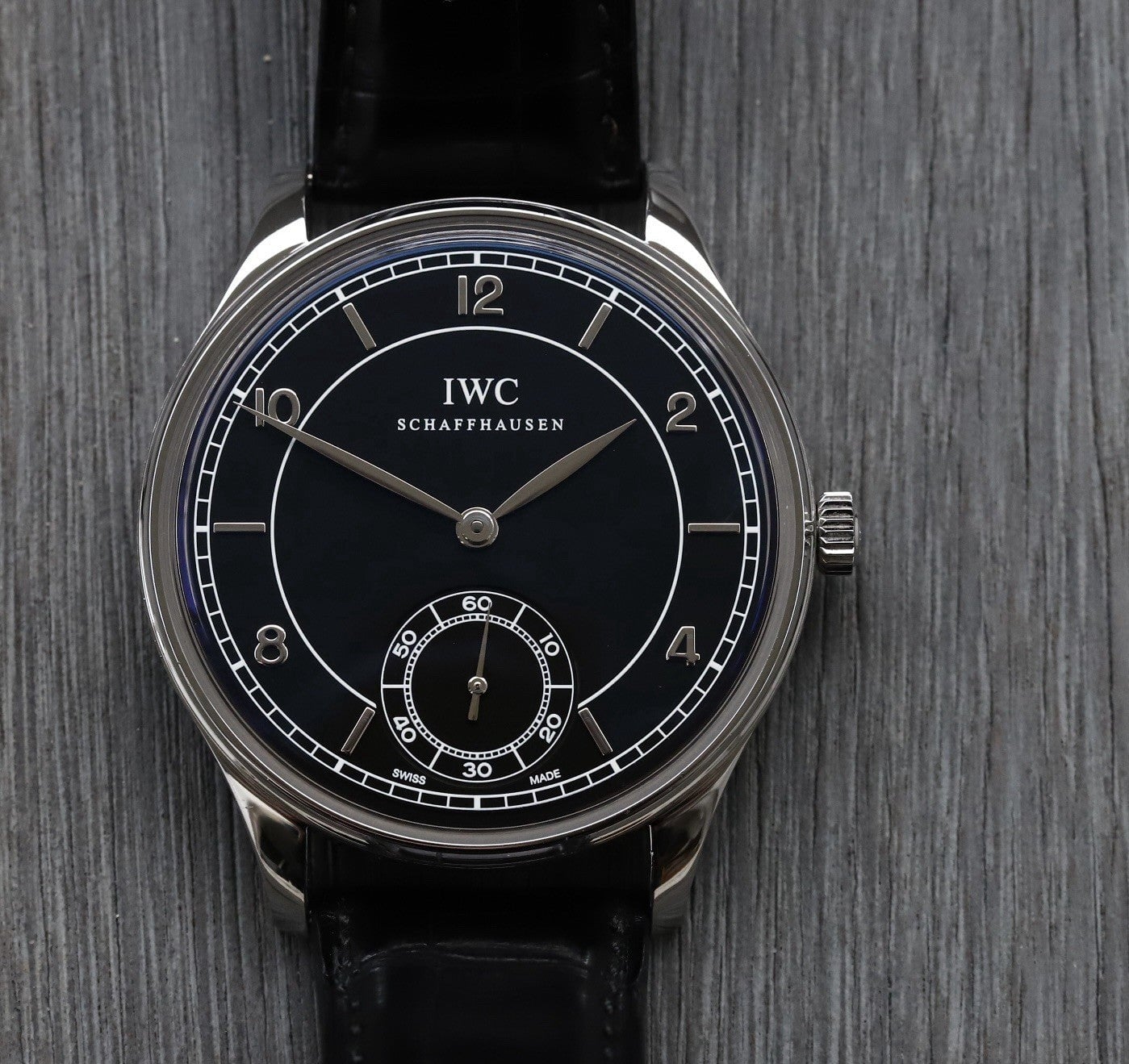
- 2008: IWC Schaffhausen introduced the Portugieser Ref. IW5445-01, blending a railroad minute track with a broad hour ring and a small seconds sub-dial at 6 o’clock.
- 2017: Jaeger-LeCoultre celebrated the 25th anniversary of its Master Control line by releasing a striking trio of sector-dial timepieces, led by the Master Control Date.
- 2019–Present: The trend successfully trickled down from ultra-luxury houses to accessible independents and heritage-driven brands, democratizing the aesthetic for a new generation of collectors.
Supporting Data: Iconic Interpretations Across the Price Spectrum
To understand the versatility of the sector dial, one need only look at how different watchmakers have interpreted its geometric rules. The following table and market breakdown highlight key contemporary models:
| Brand & Model | Key Design Features | Approximate Price Tier |
|---|---|---|
| Patek Philippe Calatrava Ref. 5296G | Dual concentric rings, central seconds, date window at 3 o’clock. | Ultra-Luxury (Secondary Market) |
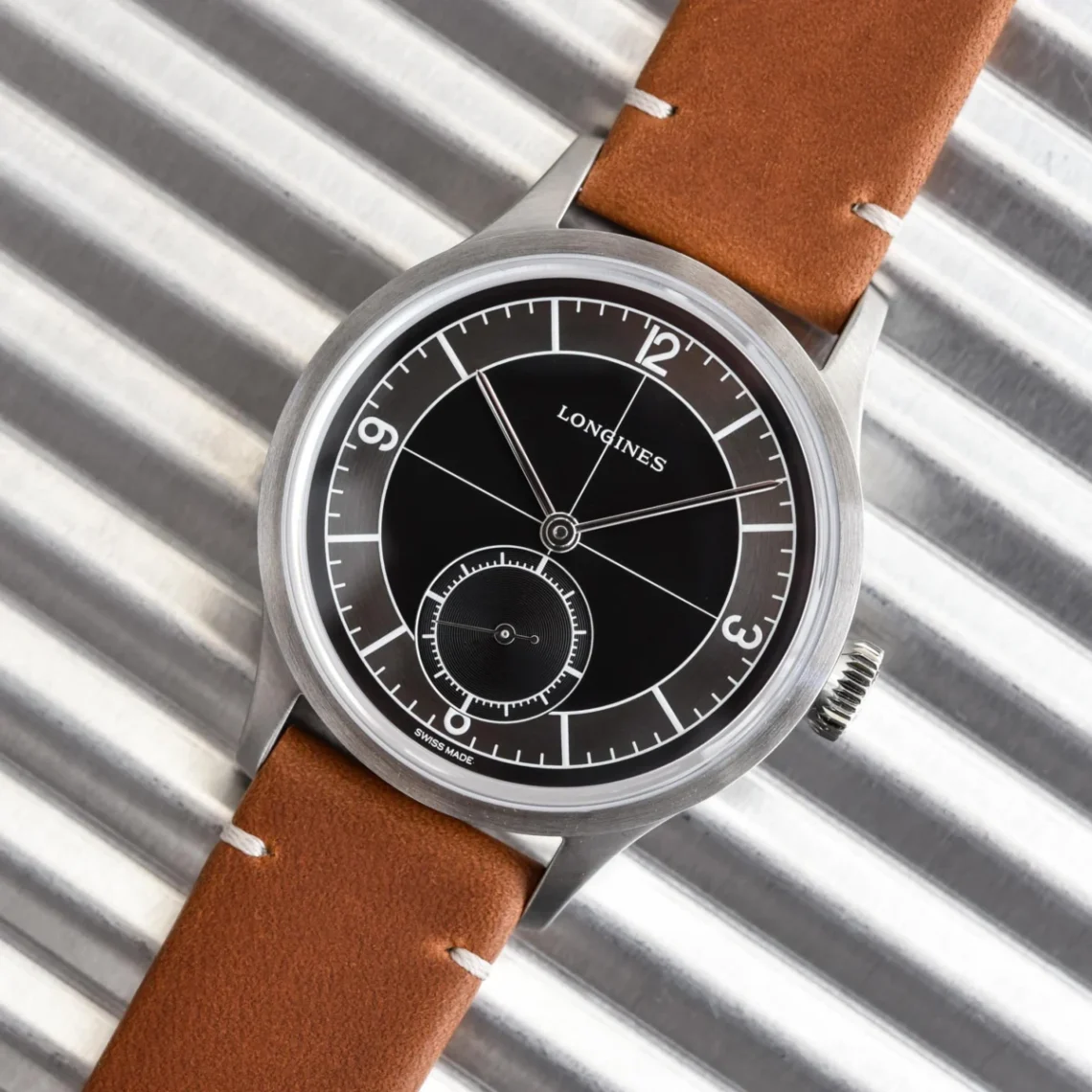
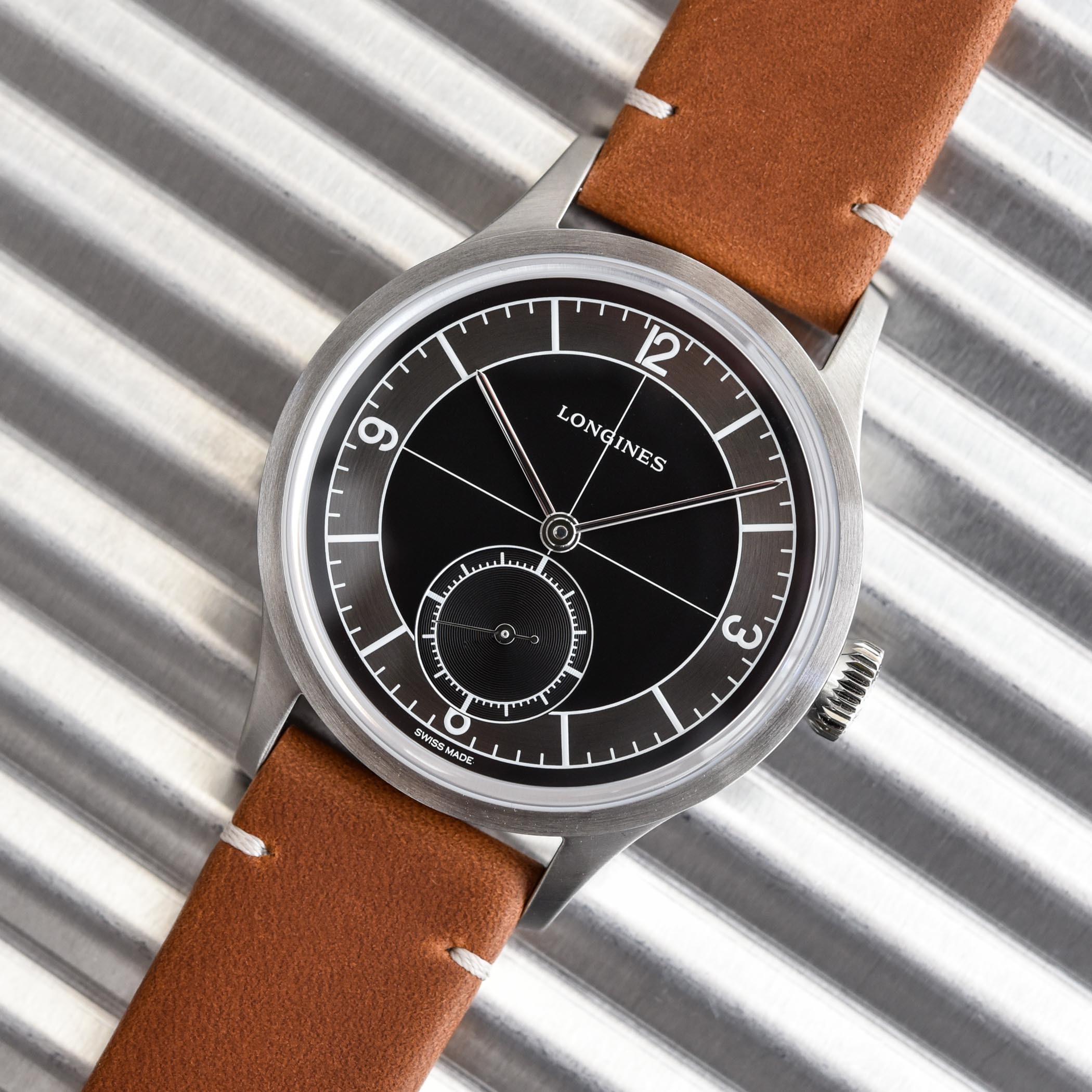
| Longines Heritage Classic Sector Dial | Two-tone silver/black dial, crosshair pattern, small seconds at 6 o’clock. | Accessible Swiss Luxury (approx. CHF 2,150) |
| Baltic HMS 002 | Separate concentric rings, crosshairs, central seconds, multiple colorways. | Independent Microbrand (approx. EUR 385) |
| Jaeger-LeCoultre Master Control Date | Single bold hour ring, outer minute/seconds track, date aperture. | High-End Luxury |
| Raymond Weil Millesime Small Seconds | Refined sector layout, beautiful textural brushing, small seconds. | Entry-Level Swiss |
As demonstrated, the execution varies wildly. While purists argue that a true sector dial must feature a small seconds sub-dial at 6 o’clock (echoing its mid-century roots), modern iterations have seamlessly integrated central seconds hands and date windows without compromising the architectural integrity of the design.
Official Responses and Industry Perspectives
Horological historians and brand executives alike view the sector dial not merely as a nostalgic design trick, but as a testament to enduring proportions.
When discussing the enduring appeal of these geometric layouts, curators at major auction houses like Phillips note that vintage sector-dial wristwatches consistently command fierce bidding wars because their dials represent a harmonious intersection of art and science. Unlike trendy colorways that surge and fade with generational whims, the mathematical precision of concentric rings appeals to humanity’s innate desire for order.
Furthermore, luxury executives have noted that the resurgence of sector dials aligns perfectly with the broader industry pivot toward understated, vintage-inspired dress watches. In an era where oversized sports watches dominated for decades, collectors are increasingly rediscovering the quiet confidence of a well-executed, historically resonant dress watch that slips effortlessly under a shirt cuff.

Implications: What the Sector Dial Trend Means for the Future of Watchmaking
The enduring renaissance of the sector dial carries several key implications for the future of horology:
- The Death of Boring Dress Watches: For years, traditional time-only dress watches were unfairly dismissed by younger demographics as "stuffy" or overly formal. By injecting the industrial, geometric pedigree of the sector dial into modern dress pieces, brands have successfully captured a younger, style-conscious audience that values vintage aesthetics.
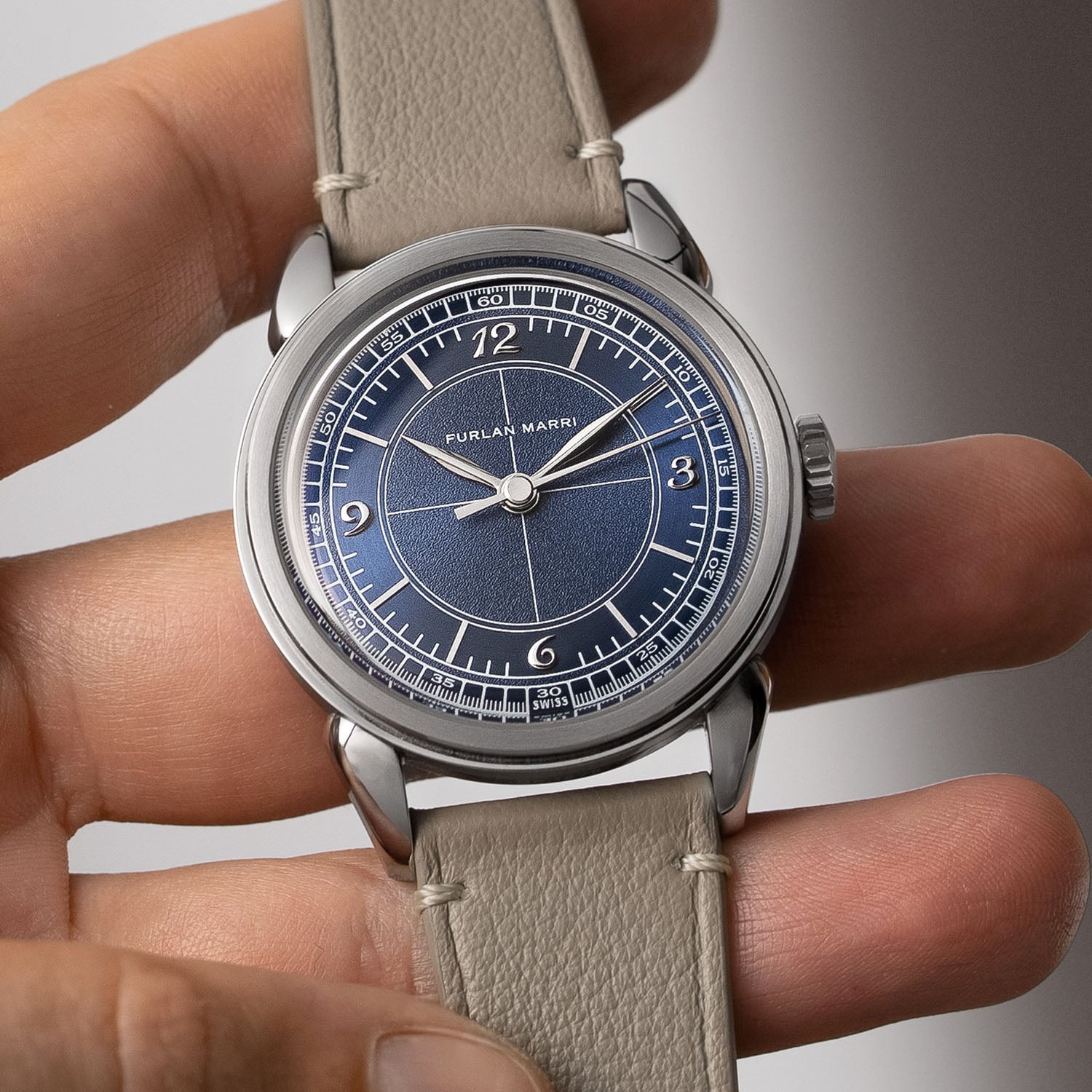
- Democratization of Heritage Design: Once locked behind the doors of high-horology houses like Patek Philippe and Vacheron Constantin, the sector dial is now accessible at various price points—from high-end Swiss flagships like Longines and Jaeger-LeCoultre to independent microbrands like Baltic and Furlan Marri. This ensures that the aesthetic will remain culturally relevant for years to come.
- A Return to Intentional Legibility: In a market saturated with complex, skeletonized dials that sometimes sacrifice time-telling clarity for visual theater, the sector dial serves as a refreshing reminder that utility and beauty can coexist. Its structured layout proves that when design is guided by logic, the result is nothing short of timeless.