

In a pivotal shift for corporate environmental strategy, a new wave of global industry leaders is moving beyond vague "green" promises toward rigorous, science-backed mandates for nature preservation. This week, 14 major corporations—including pharmaceutical giant Novo Nordisk—disclosed new, independently validated pledges targeting biodiversity, freshwater security, and ocean health. These commitments, facilitated by the Science Based Targets Network (SBTN), represent a fundamental change in how the private sector accounts for its impact on the natural world.
For years, corporate sustainability has been dominated by carbon accounting. However, as the realization grows that climate change and biodiversity loss are two sides of the same coin, the SBTN framework is providing the "missing piece" for businesses: a roadmap to measure and manage their dependence on—and impact on—the earth’s finite resources.
The Evolution of Nature-Based Corporate Governance
The latest disclosures, announced mid-September, highlight a growing appetite for accountability. Novo Nordisk, the Danish pharmaceutical titan, has set a gold standard for supply chain transparency. Under its new commitment, the company has pledged to source its primary commodities—including wheat, corn, soy, sugar beets, cattle, and wood—strictly from "conversion-free" zones. In corporate sustainability parlance, "conversion-free" signifies a supply chain where natural habitats, forests, and wetlands have not been cleared or degraded to make room for agricultural production.
This is not merely a philanthropic gesture; it is a strategic business pivot. By aligning with SBTN methodologies, companies are transitioning from broad, aspirational biodiversity goals to granular, measurable, and site-specific targets.
The Chronology of a Movement
The path to this week’s disclosures began three years ago, when the SBTN first introduced its pilot framework. The goal was to provide businesses with a scientific methodology to quantify their interaction with nature, similar to the Science Based Targets initiative (SBTi) that successfully standardized corporate decarbonization.
- 2021 (The Pilot Phase): A cohort of 17 pioneering companies, including industry heavyweights GSK, Holcim, and Kering, began testing the SBTN framework. Their participation signaled to the market that nature-related risks were moving from the realm of "corporate social responsibility" to the center of risk management.
- 2023-2024 (Methodological Refinement): As early adopters integrated the framework, the SBTN began gathering data to refine its guidelines. These efforts have led to a more sophisticated understanding of how to measure freshwater and land usage.
- September 2024 (The Current Milestone): Fourteen companies disclosed new targets, marking a critical expansion of the program. This wave notably included the first Japanese participants, Kirin Holdings and Daiwa House Industry, as well as the first U.S.-based direct-to-consumer retailer, Seatopia.
- October 13, 2024 (The Next Horizon): The SBTN is slated to release "Version 2.0" of its methodology, which will feature significant updates to freshwater and land-use commitments, reflecting the feedback from the pilot years.
Supporting Data: Why Businesses Are Leaping
The SBTN recently released an analysis of early adopters, revealing a recurring theme: the shift toward nature-based targets is being driven by the need for operational resilience.
According to the analysis, companies that set rigorous nature targets are successfully linking their environmental strategy to three critical financial drivers:
- Supply Chain Security: Ensuring the future availability of raw materials by preventing habitat collapse.
- Cost Mitigation: Reducing the long-term financial risks associated with resource scarcity and regulatory fines.
- Strategic Resilience: Building a supply chain that can withstand the physical impacts of climate-induced environmental degradation.
While nearly three dozen companies have now had some aspect of their nature strategy validated, the disclosure of these targets is a rigorous process. Validation ensures that the company’s claims are not "greenwashing" but are based on the best available scientific data regarding ecological thresholds.
Global Perspectives: Europe, Asia, and the U.S.
While European companies currently lead the pack in early adoption, the geographical distribution of these commitments is expanding. The inclusion of Japan’s Kirin Holdings and Daiwa House Industry is particularly significant, as it indicates that the SBTN framework is becoming a global standard for multinational corporations operating in diverse ecosystems.
The Japanese Strategy
Hiroaki Takaoka, senior executive officer for corporate strategy at Kirin, notes that the framework has drastically changed the nature of internal discourse. "SBTN helps us speed up decision-making," Takaoka explained. "Instead of discussions about whether or not we should care about nature, the discussion now moves on to which regions, which parts of the supply chain, and which sites are most important for our business."
This shift from "why" to "where" is the hallmark of the SBTN approach. It allows companies to pinpoint high-risk areas—such as a specific watershed or a deforested region—and allocate resources effectively to protect those natural assets.
The U.S. and Emerging Markets
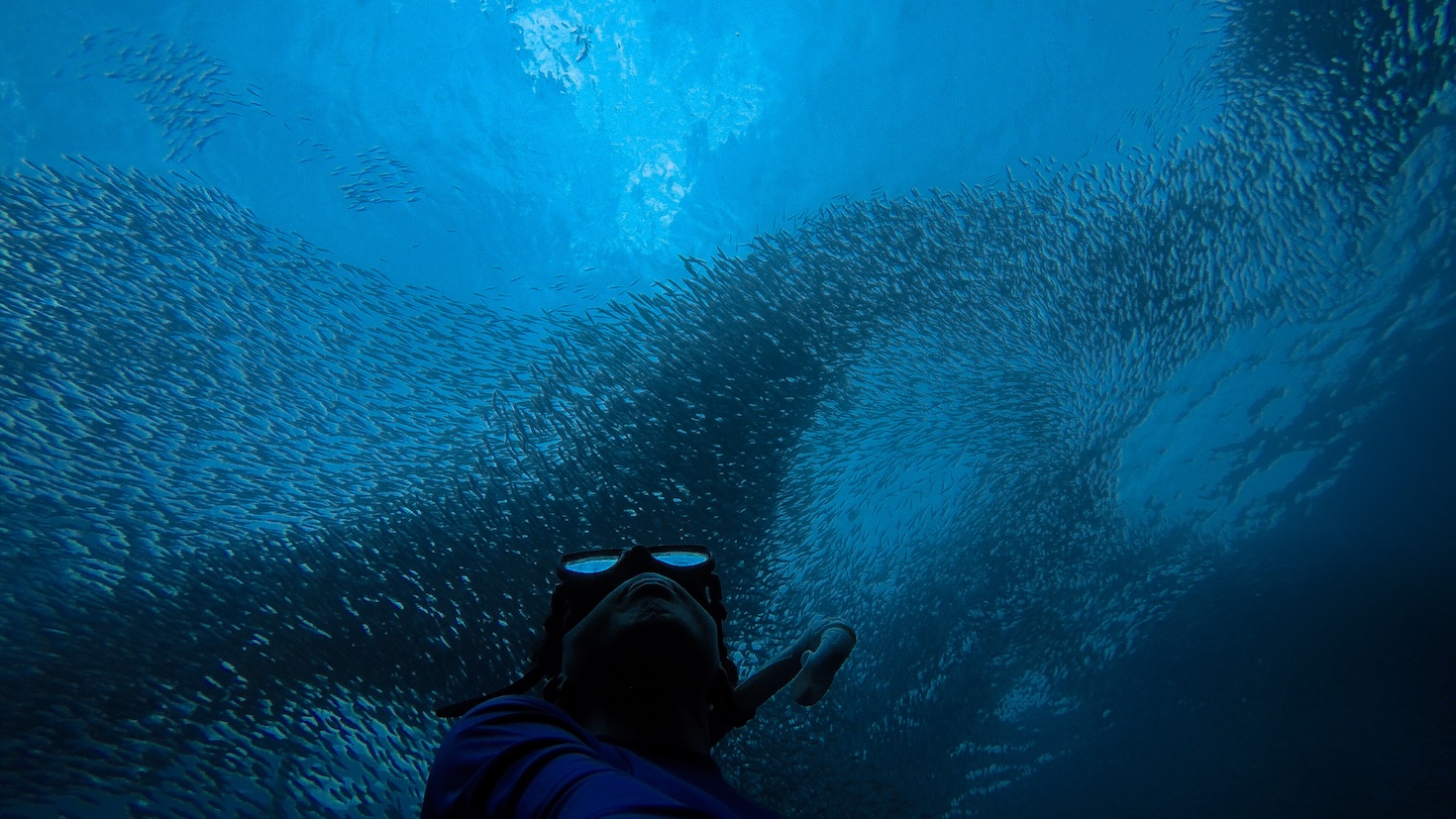
Seatopia, a seafood retailer, has made history as the first U.S. company to publicly commit to the SBTN in this latest wave. Their participation highlights a growing trend among smaller, mission-driven companies that see sustainability as a competitive advantage. Furthermore, the UK’s Waitrose has set a precedent for ocean-related commitments, demonstrating that large-scale retailers can effectively manage complex supply chains by cutting ties with suppliers that source from high-risk, ecologically sensitive regions.
Official Responses and Strategic Implications
Erin Billman, CEO of the Science Based Targets Network, describes the current state of corporate nature strategy as "a function of the community being more advanced" in specific realms.
"We have been catching up in terms of foundational content," Billman noted. She expressed strong encouragement regarding the current trend, emphasizing that "companies are seeing it as a management tool."
The H&M Case Study: Moving from Promise to Plan
The transition of H&M provides a perfect illustration of the SBTN’s impact. Initially, the fashion giant maintained broad, non-specific biodiversity promises. By applying the SBTN guidelines, the company evolved these into a measurable set of commitments focused on forests and land conversion.
This transformation did more than change a sustainability report; it changed the internal boardroom conversation. By prioritizing specific materials like cotton and wool, the sustainability team was able to speak the language of the board: risk, supply chain stability, and measurable progress. This shift is essential for any company looking to prove its long-term viability in a resource-constrained future.
Implications: The Future of the "Nature-Positive" Economy
The implications of these developments are profound. As the October release of the SBTN 2.0 methodology approaches, companies are being forced to reckon with the reality that "nature" is no longer an externality.
1. The End of Vague Reporting
The SBTN methodology ensures that targets are not just public relations tools. Because these targets are independently validated, stakeholders—including investors, regulators, and consumers—can finally distinguish between empty rhetoric and evidence-based environmental stewardship.
2. Standardization of Ecological Metrics
Just as the Greenhouse Gas Protocol standardized carbon reporting, the SBTN is creating a universal language for nature. This standardization is vital for global financial markets, which are increasingly under pressure to assess nature-related financial risks (as seen with the rise of the Taskforce on Nature-related Financial Disclosures, or TNFD).
3. The Shift to "Management"
For decades, sustainability was seen as an expense to be managed by the PR department. Today, the leaders in this space—like Novo Nordisk, Kirin, and H&M—are treating nature as a core business asset. By linking biodiversity to the availability of raw materials, they are effectively turning conservation into a business continuity strategy.
As we look toward 2025, the pressure on the rest of the corporate world to follow suit will only intensify. With the SBTN framework providing the necessary tools, the "Nature Mandate" is moving from the fringes of industry to the boardroom. The companies that adopt these science-based targets now will likely be the ones that define the market landscape of the next decade—not just as leaders in sustainability, but as the most resilient, stable, and forward-thinking enterprises in the global economy.