If you were to curate a list of Canada’s most iconic exports—crude oil, automotive components, precious metals, and the soaring vocals of Celine Dion—wine would struggle to break into the top 20. Yet, hidden within the rugged, glacier-carved landscape of British Columbia, a burgeoning viticultural powerhouse is quietly rewriting the nation’s reputation. The Okanagan Valley, situated just a 45-minute flight from the urban pulse of Vancouver, is no longer merely a scenic getaway for locals; it is rapidly transforming into a world-class destination for the global elite.
As an influx of institutional investment and private capital pours into the region—particularly along the eastern shores of Okanagan Lake in Kelowna—the valley is shedding its "hidden gem" status. It is becoming a playground for oenophiles who demand not just exceptional Pinot Noir and Chardonnay, but an immersive, architectural, and luxury-laden experience that rivals the established pedigree of Napa Valley or the Willamette Valley.
The Genesis of O’Rourke Family Estate
The most significant development in this transformation is the grand opening of the O’Rourke Family Estate. The project is the culmination of more than a decade of planning, construction, and viticultural refinement. At the helm is Dennis O’Rourke, a gregarious entrepreneur whose immense success in the construction industry provided both the capital and the technical foresight to execute a project of this magnitude.
For O’Rourke, this winery is not merely an investment portfolio item. "I don’t have much fun sending my money to New York, to investment bankers, and looking at it down there," he admits. "I have much more fun building something, creating something."

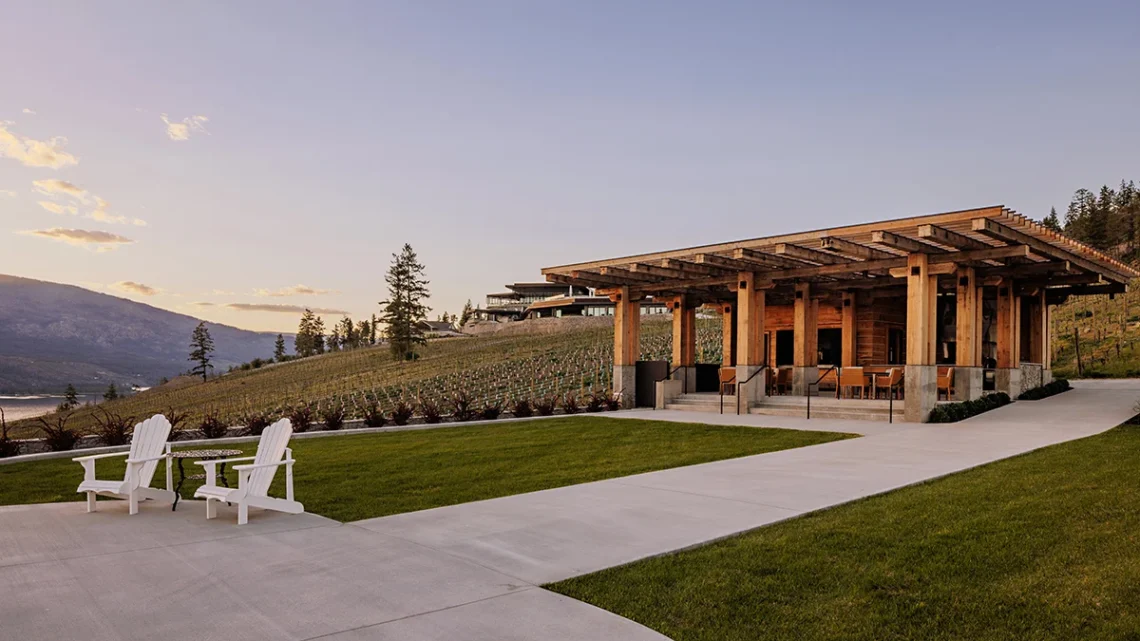
The estate is a masterclass in site-specific architecture. O’Rourke partnered with John Taft of the renowned firm Backen & Backen—the architects responsible for iconic West Coast wineries and the high-profile residences of celebrities like Ashton Kutcher and Mila Kunis. Together, they have carved a sprawling, 220,000-square-foot campus that exists in literal conversation with the earth.
The heart of the estate is a massive granite outcropping—a geological monolith left behind by ancient glaciation. Rather than clearing the rock, the architects built the winery around and inside it. "This is the geology of the space," Taft explains. "That rock is what is in the vineyard—it’s what makes the vines struggle, which is, of course, what makes for really intense, profound fruit."
Chronology of a Viticultural Revolution
The rise of the Okanagan as a luxury wine destination did not happen overnight. The timeline of its elevation is marked by specific milestones of ambition and capital:
- 1981: Anthony von Mandl establishes Mission Hill Family Estate, effectively planting the flag for premium winemaking in the region.
- Early 2000s: The region begins to gain international traction, as climate data and soil analysis confirm the valley’s potential for high-quality viticulture.
- 2016: Martin’s Lane Winery, also owned by von Mandl, opens its doors. Designed by Olson Kundig, it shifts the focus to gravity-flow production and hyper-specific terroir.
- 2020–2024: The Okanagan achieves global recognition when Mission Hill’s 2020 Oculus vintage is awarded 100 points, marking the first time a Canadian red wine has reached this pinnacle of critical acclaim.
- 2026: The O’Rourke Family Estate officially opens, signaling a new era of "integrated hospitality" where high-end residential, dining, and event spaces converge with viticulture.
Supporting Data: Microclimates and Terroir
The Okanagan’s success is rooted in its unique geography. The valley is not a monolith of weather; it is a complex mosaic of microclimates.

The northern end, near Kelowna, benefits from a temperate climate that preserves the acidity and elegance required for world-class Pinot Noir and Chardonnay. Conversely, as one travels south toward the arid, desert-like conditions of the Osoyoos region, the heat accumulation changes significantly. This shift allows for the cultivation of robust, sun-drenched varieties, including Merlot and Cabernet Sauvignon, which produce wines with intense concentration and tannin structure.
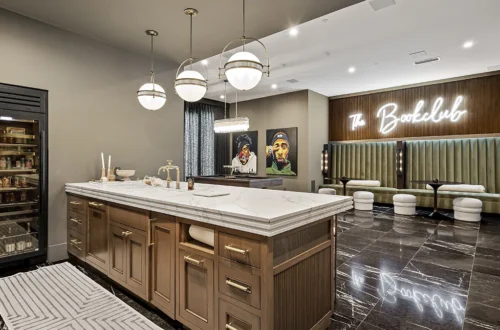
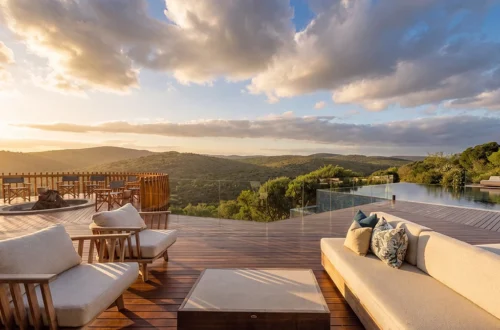
The investment in the region is equally staggering. With plans for the O’Rourke property to eventually house up to 100 luxury bedrooms—and currently featuring 23, including four exclusive suites in the Owner’s House—the valley is positioning itself to capture the "experiential luxury" market. It is a destination designed for the same clientele that frequents St. Moritz or Aspen, with the added benefit of agricultural exclusivity.
Official Perspectives and Industry Influence
The influence of billionaire vintners like Anthony von Mandl cannot be overstated. As the founder of global beverage brands like White Claw and Mike’s Hard Lemonade, von Mandl brought both the capital and the marketing savvy to elevate the Okanagan brand.
Mission Hill Family Estate serves as a cultural hub rather than just a production facility. Its outdoor amphitheater has hosted world-class performers such as Sarah McLachlan, Melissa Etheridge, and Lyle Lovett. Furthermore, the estate’s boutique, which stocks rare vintage Louis Vuitton and Goyard trunks, highlights the transition of the region from a rural farming community to a high-end luxury enclave.

The exclusivity is intentional. At Martin’s Lane, the architecture reflects the precision of the wine: a gravity-flow system that minimizes mechanical intervention, allowing the grapes to move through the facility with minimal stress. Access is intentionally restricted, with tastings requiring online inquiries and pre-approval, creating a "club-like" atmosphere that appeals to high-net-worth collectors.
Implications: A New Canadian Legacy
What does the arrival of these "billionaire wineries" mean for the future of the Okanagan?
1. Infrastructure Development: The shift toward hospitality—fine-dining restaurants like Row 188 and the Granite Café—means the valley is becoming a year-round destination, reducing the seasonal volatility that once plagued local tourism.
2. Cultural Prestige: By hosting events like the Rolls-Royce client showcase, where the Spectre E.V. was driven directly into the climate-controlled wine caves, the region is successfully positioning itself within the lifestyle orbit of the global ultra-wealthy.

3. Economic Sustainability: For entrepreneurs like Dennis O’Rourke, the project is a "family legacy project." The long-term goal is not immediate ROI but the establishment of a multi-generational asset that will continue to gain prestige over the next 25 years.
4. The "Hidden Gem" Dilemma: As global wine critics turn their gaze toward the 49th parallel, the primary challenge for the Okanagan will be balancing growth with the preservation of its natural, pristine environment. The integration of architecture into the landscape—as seen at O’Rourke and Martin’s Lane—suggests that the current wave of investment is conscious of the need to protect the very beauty that draws visitors in the first place.
Conclusion
The Okanagan Valley is undergoing a profound metamorphosis. It is no longer just a place where grapes are grown; it is a place where luxury is curated. From the granite-embedded caves of the O’Rourke Family Estate to the 100-point achievements of Mission Hill, the region is proving that it can compete on the global stage.
As the valley moves toward a future where it is as recognizable as Tuscany or Bordeaux, the focus remains on the marriage of human ambition and geological wonder. For the discerning traveler and the serious collector, the message is clear: the next great wine frontier isn’t in Europe or California—it is in the heart of British Columbia, waiting to be poured.