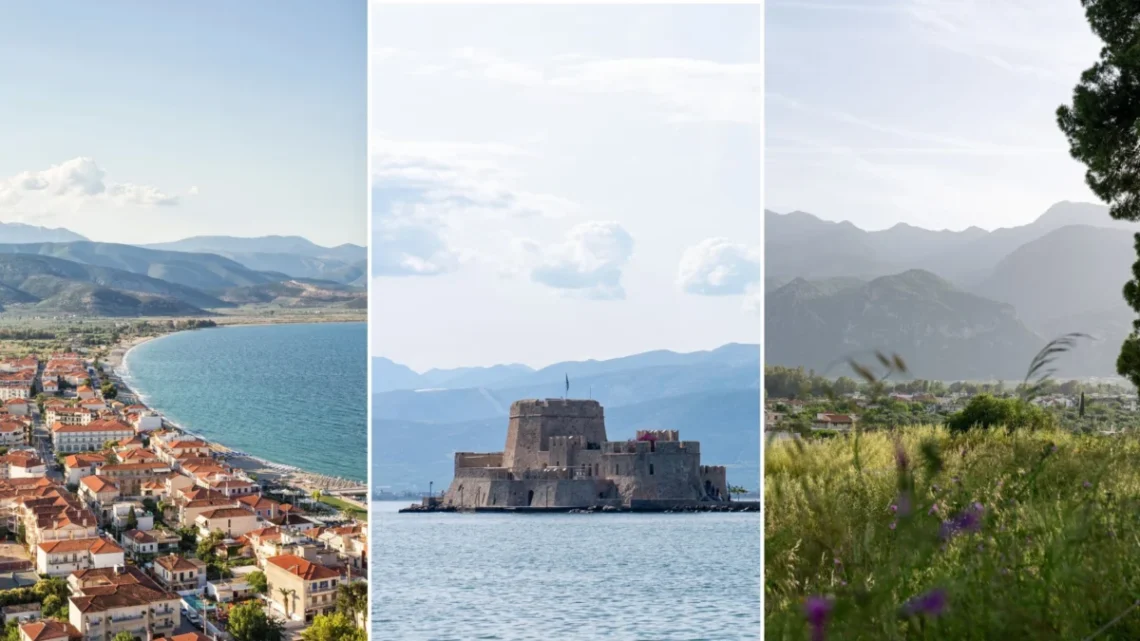
For decades, the Peloponnese has existed in the shadow of the Cyclades. While millions of tourists flocked to the postcard-perfect shores of Santorini and Mykonos, this vast, mountainous peninsula—a landmass roughly the size of Slovenia—remained a well-kept secret. Hugged by the Ionian, Mediterranean, and Aegean seas, the Peloponnese is a tapestry of jagged coastlines, ancient ruins, and resilient communities.
However, the tide is turning. With a surge in infrastructure investment, a new focus on sustainable trail tourism, and the global cultural gravity of Christopher Nolan’s cinematic reimagining of The Odyssey, the Peloponnese is experiencing a profound "homecoming." It is a region shedding the weight of decades of rural flight to redefine itself as a premier, year-round destination for the intentional traveler.

Main Facts: A Landscape of Myth and Modernity
The Peloponnese is not merely a geographic entity; it is the cradle of Western civilization. It is the land where Hercules performed his first six labors—from the Nemean lion to the Erymanthian boar—and where the Mycenaean civilization first flourished.
Today, the region is divided into five administrative units, each offering a distinct slice of Greek heritage. The peninsula’s allure is grounded in its authenticity. Unlike the mass-tourism hubs of the northern islands, the Peloponnese offers 860 miles of coastline that feels largely untouched. Recent data from the Bank of Greece indicates that as of 2025, only 3 out of every 100 foreign travelers to Greece ventured to this westernmost peninsula. This low density, however, is rapidly becoming its greatest competitive advantage, appealing to a post-pandemic traveler demographic seeking slow travel, immersion, and connection.

A Chronology of Transformation
The path to the current renaissance began long before the recent cinematic spotlights. The transformation can be categorized into three distinct eras:
- The Infrastructure Era (Early 2000s): The construction of new highways and tunnels significantly compressed the travel time from Athens, effectively ending the peninsula’s relative isolation.
- The Visionary Pivot (2010s): The late Messinian ship captain Vassilis Constantakopoulos spearheaded the development of the Costa Navarino eco-retreat. His goal was twofold: to create a world-class luxury destination and to curb the "brain drain" that had plagued local villages for generations.
- The Cultural & Active Resurgence (2023–2026): The opening of the Peloponnese Trail Network, coupled with the global marketing power of The Odyssey film, has created a "perfect storm" of interest. Luxury hospitality giants like W Hotels and Mandarin Oriental have already established footprints, with Four Seasons and Six Senses expected to follow in the coming year.
Supporting Data: Preserving a "Culture Alive"
The preservation of the Peloponnese is not just about physical infrastructure; it is about saving intangible cultural heritage. The Tsakonian dialect, a direct linguistic descendant of the ancient Spartan tongue, is perhaps the most striking example.

Once cut off from the outside world by the rugged Parnon mountain range, the Tsakonian people maintained a unique identity. Today, fewer than 2,500 people—mostly elders—speak the dialect fluently. Efforts by educators like Eleni Manou to publish children’s books and organize workshops are vital. Similarly, the revival of traditional loom weaving in Geraki, led by figures like Chrysoula Stamatopoulou, serves as an economic and cultural lifeline. What was once an endangered domestic craft is now a free educational program, attracting students from across Europe and helping to repopulate villages like Vamvakou, which has grown from nine year-round residents to thirty in just a few years.
Official Responses and Local Sentiment
The local population, having weathered the storms of post-WWII civil war, the 2008 financial crisis, and the subsequent exodus of the youth, views this new attention with cautious optimism.

"Greeks are very attached to the sea; we need to be able to see it," explains Irini Dusendschoen of Trekking Hellas. This attachment is the driving force behind the Peloponnese Trail Network. By connecting 1,200 miles of ancient footpaths to small villages, the network aims to disperse the economic benefits of tourism beyond the coastal resorts.
Social entrepreneurs like Maria Monastirioti, who left the frantic pace of Athens to return to the peninsula, represent the new wave of "repatriates." Monastirioti organizes agro-tourism experiences—such as cooking classes in remote mountain villages—that allow visitors to engage with the land rather than just observe it. These efforts are supported by local government initiatives that prioritize sustainable growth over mass-market expansion, ensuring that the "homecoming" of the Peloponnese does not come at the cost of its soul.

Implications: The Future of the Peloponnese
The cinematic spotlight cast by The Odyssey—featuring locations like the real-world Nestor’s Cave and the towering walls of Methoni Castle—serves as the catalyst, but the sustainability of this growth depends on the "Peloponnese Model."
The Shift Toward Experiential Tourism
The influx of luxury capital (W Hotels, Mandarin Oriental) provides the fiscal health needed to sustain infrastructure, but the true growth engine is the trail network. By integrating the Parnon and Argolis trails into the broader tourism strategy, the region is successfully positioning itself as an active destination. Travelers are now moving from the beach to the mountains, seeking the scent of wild rosemary, thyme, and sage that defines the Parnon landscape.

The Challenge of Sustainability
The primary challenge facing the Peloponnese is managing the "ghost village" phenomenon. As Lasta and other small settlements remain empty, the success of the revival projects in Vamvakou and Leonidio provides a blueprint. The implication is clear: if the region can successfully pair high-end luxury infrastructure with community-led, authentic experiences, it can reverse decades of demographic decline.
A Final Reflection on Nostos
In the Homeric tradition, nostos (homecoming) is the central theme. For the Peloponnese, the modern nostos is not just about the return of the traveler, but the return of the people to their ancestral land. As I stood at the Acropolis of ancient Sparta, looking out over the Taygetus mountains, it became clear that the peninsula is no longer a footnote to the Greek island experience. It is a destination unto itself—a place where the ancient and the modern engage in a constant, beautiful dialogue.

The Peloponnese is coming home to its status as the heart of Greece. For the traveler, this offers a rare window of opportunity: the chance to witness a legendary landscape as it rediscovers its own narrative strength, inviting the world to participate in its history, not just witness its ruins. As the festivals in Leonidio continue to celebrate the Tsakonian heritage and the weavers of Geraki keep the rhythm of the loom alive, the message is clear: the Peloponnese is open, it is vibrant, and it is ready to write its next three thousand years.