Main Facts: The Revival of the Modern Dress Watch
The classic dress watch segment has long been anchored by some of the most enduring and historically significant timepieces in horological history. For decades, the category was defined by strict, unyielding codes: ultra-thin gold profiles, stark white dials, Roman numerals, and a general adherence to formal conservatism. However, the contemporary landscape of watchmaking is experiencing a refreshing, boundary-pushing revival. Today’s collectors are increasingly seeking out pieces that dare to tread outside the traditional beaten path—marrying classical elegance with daring, avant-garde design, high-end independent craftsmanship, and unexpected materials.
Recent market developments highlight a clear shift in consumer appetite. While legacy brands continue to command strong interest, independent watchmakers and innovative mainstream houses are capturing the imagination of enthusiasts by injecting vibrant colors, architectural geometries, and mechanical ingenuity into a format that was once considered rigid.
This curated selection examines six standout dress watches that embody this contemporary movement. Spanning a vast pricing spectrum—from accessible everyday elegance to ultra-exclusive independent masterpieces—all but one of these timepieces feature manually wound mechanical movements. More importantly, each offers a distinct, modern interpretation of what a dress watch can and should be in the modern era.
Chronology and Evolution: From Quartz Origins to Inverted Architecture
To truly appreciate the current crop of dress watches, it is essential to trace how these six models arrived at their current iterations, reflecting a timeline of rapid innovation spanning from 2024 through the anticipated releases of 2027.
The Evolution of the Frederique Constant Classics Moneta
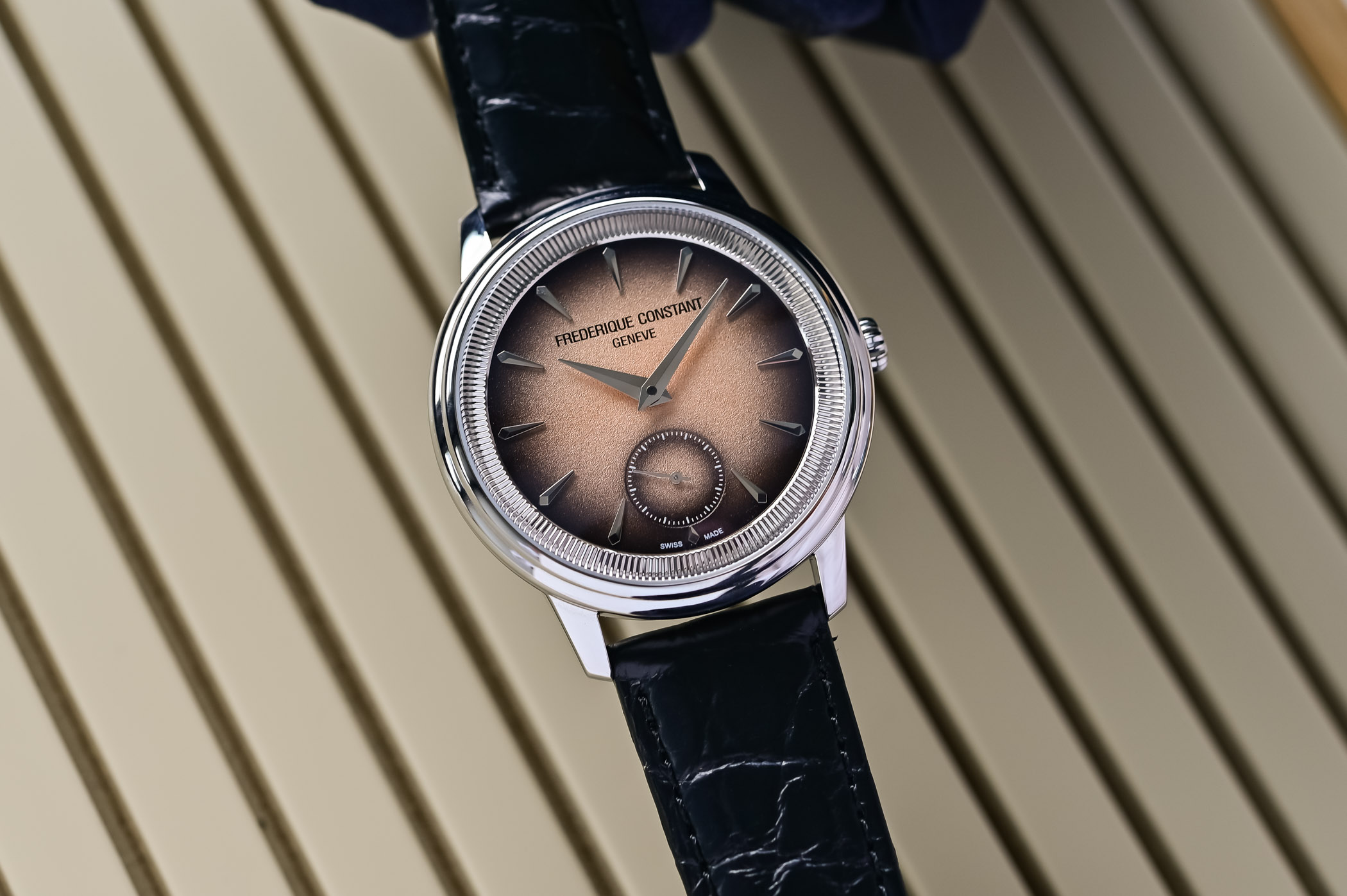
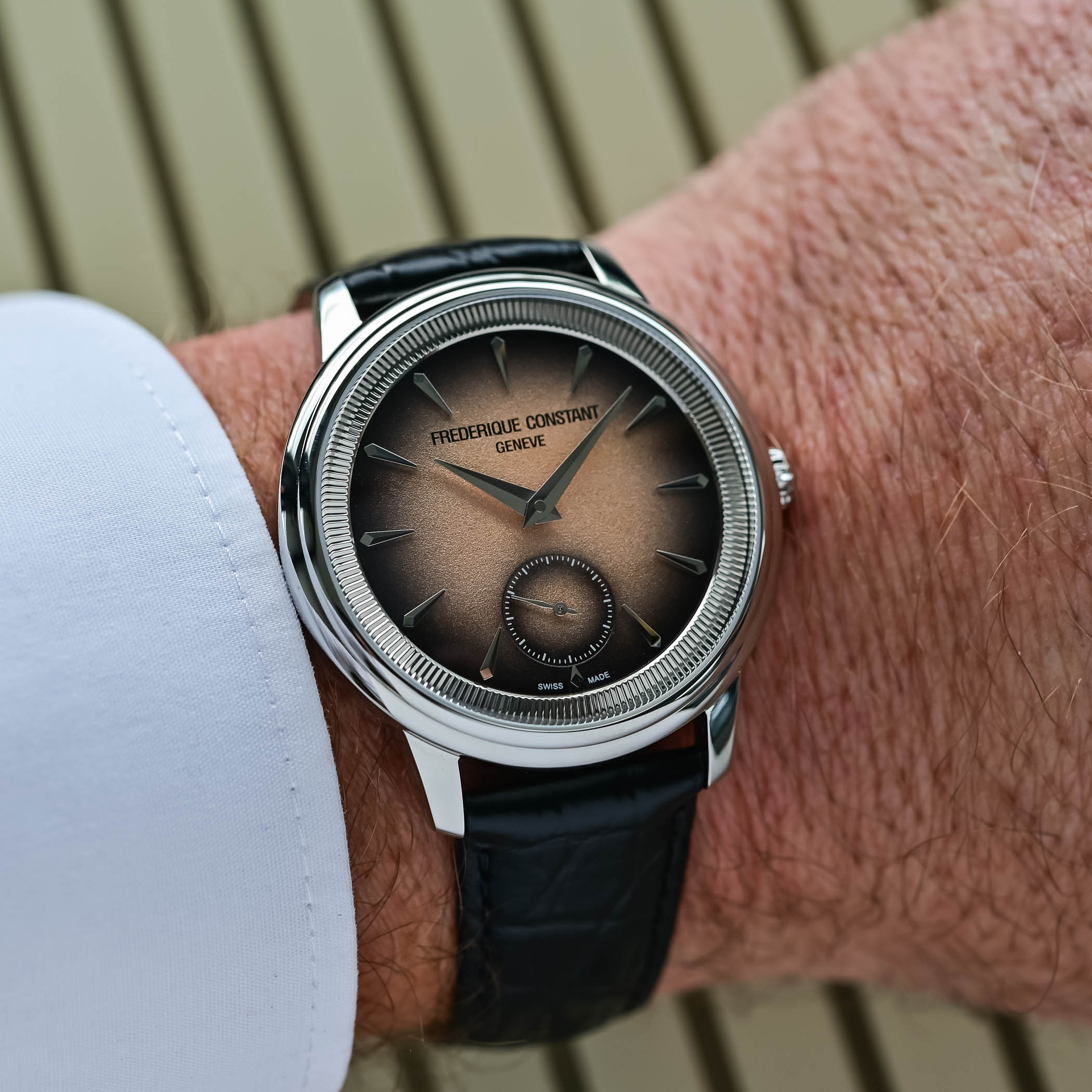
The journey of the Frederique Constant Classics Moneta began in 2024 with the introduction of the Classics Moneta Moonphase, a charming piece driven by a quartz movement. While well-received, enthusiasts of mechanical watchmaking yearned for a true beating heart inside the coin-edged case. Listening closely to market feedback, Frederique Constant made the strategic decision to pivot. For 2026, the brand introduced the mechanical Classics Moneta Handwinding, stripping away the lunar complication to focus entirely on pure, unadulterated timekeeping. This evolutionary step resulted in a sumptuous, highly tactile dress watch that merges classical proportions with contemporary color theory.
Independent Debuts: Alexandre Martin and Jérôme Marcu
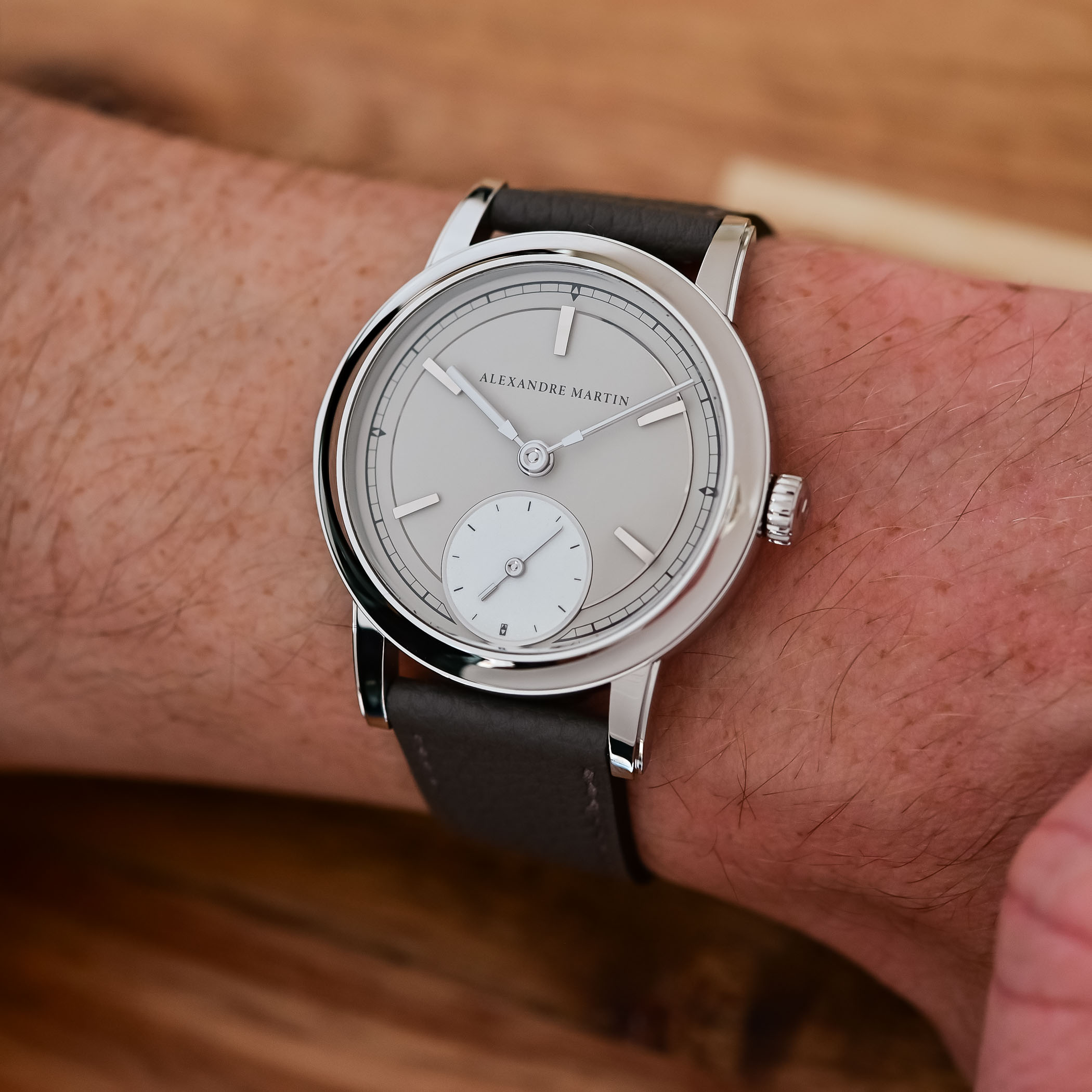
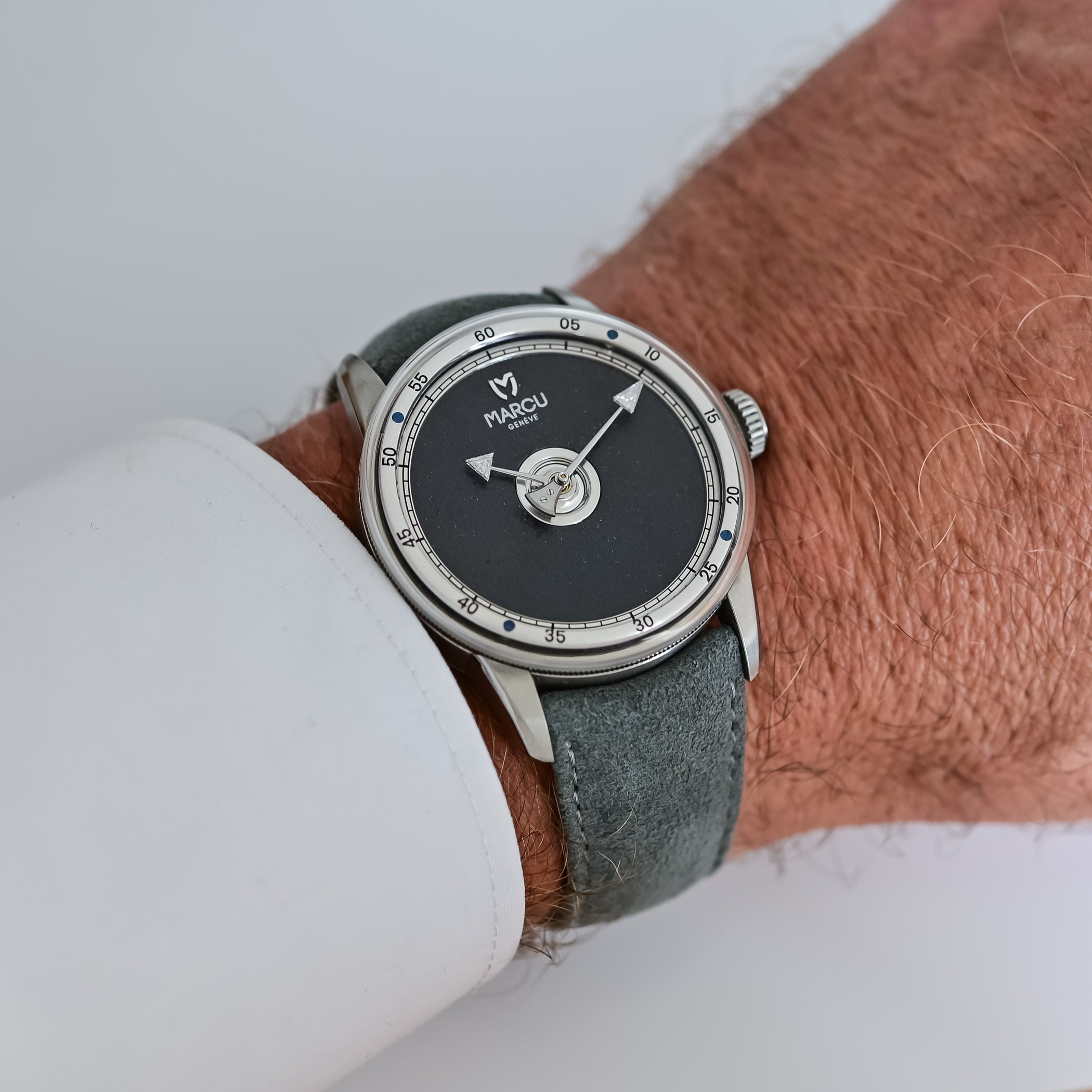
Independent watchmaking has been the primary engine of horological creativity over the past half-decade. In this sector, the chronology is marked by individual visionaries stepping out from behind the workbench of major houses to launch eponymous brands. Alexandre Martin captured the horological world’s attention with his debut piece, the 1965, a masterclass in restrained independent watchmaking that reimagines a vintage movement with cutting-edge hand-finishing. Similarly, veteran watchmaker Jérôme Marcu leveraged decades of industry experience to launch the Marcu Initial, bringing a symmetrical, architectural philosophy to life in grade 5 titanium.
Material and Regional Innovations: Venezianico and Kiwame Tokyo
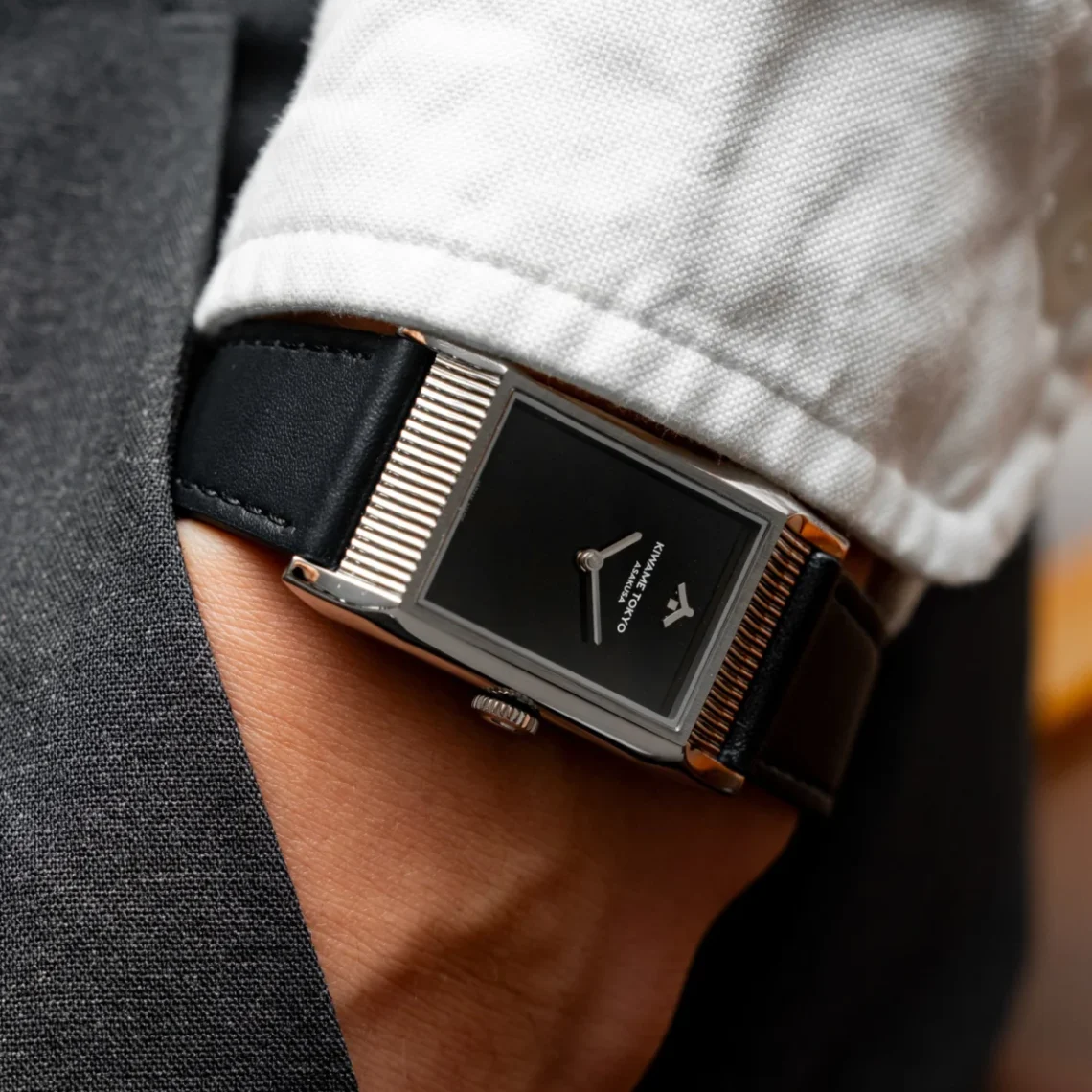
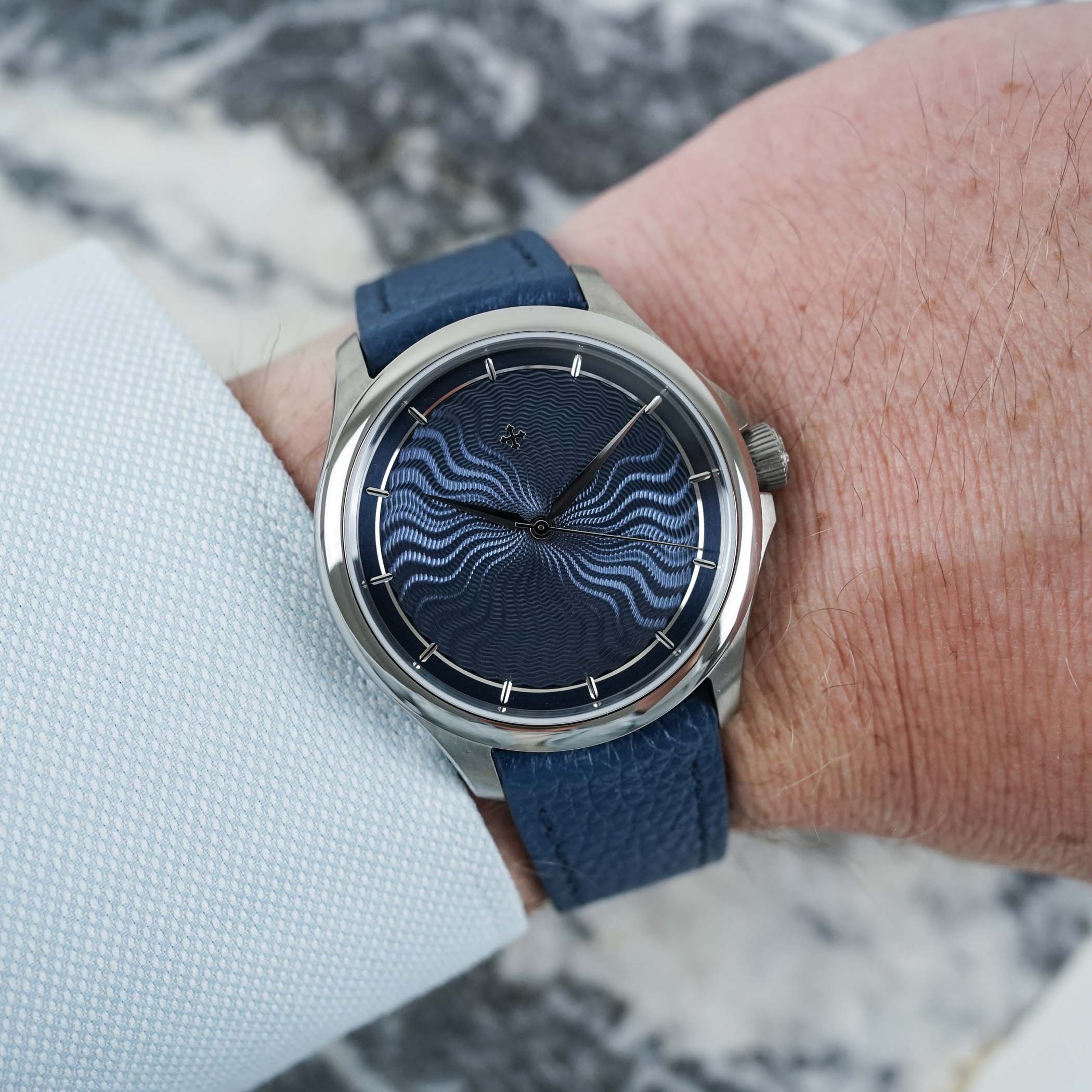
Regional movements and alternative materials have further accelerated the diversification of the dress watch category. Venezianico’s Redentore Levius marks a significant milestone in the renaissance of Italian mechanical manufacturing, partnering with OISA 1937 to integrate an all-Italian caliber into a featherlight titanium chassis. Meanwhile, Japanese independent outfit Kiwame Tokyo looked deep into architectural history for inspiration, translating the sloping roofs of Asakusa’s historic temples into the rectangular Yane. Following a rapid sell-out of its initial 400-piece production run, the brand has scheduled its next wave of availability for January 2027.
The Radically Inverted Berneron Mirage 38 Miroir
Pushing the timeline to its absolute frontier, Sylvain Berneron’s brand continues to challenge the foundational rules of watch design. Following the introduction of the uniquely contoured Mirage, the brand pushed boundaries even further with the Mirage 38 Miroir. By constructing the movement upside down and mirrored, and reversing the hand-stacking order so that the hours sit above the minutes, Berneron turned traditional watchmaking architecture entirely on its head, culminating in a rolling ten-year production limited to 36 pieces annually.
Supporting Data & Technical Specifications
A side-by-side technical evaluation of these six contemporary masterpieces highlights the diverse engineering approaches utilized across different price points and brand tiers.
| Model Name | Case Dimensions | Case Material | Movement Type | Power Reserve | Price |
|---|---|---|---|---|---|
| Frederique Constant Classics Moneta | 38.5mm x 10.13mm | Stainless Steel | Manual (FC-435 / La Joux-Perret) | 63 hours | CHF 1,995 |
| Alexandre Martin 1965 | 38mm x 9.35mm | Stainless Steel | Manual (Reworked CYMA 586) | TBD | CHF 65,000 |
| Venezianico Redentore Levius | 38mm x 8.9mm | Grade 5 Titanium | Manual (Calibre V5000 / OISA) | 60 hours | EUR 4,750 |
| Marcu Initial | 40mm x 13.10mm | Grade 5 Titanium | Manual (Calibre JM01) | 50 hours | CHF 59,000 (ex. VAT) |
| Kiwame Tokyo Yane | 44mm x 26.5mm x 9.7mm | Stainless Steel | Automatic (Miyota 6T27) | 40 hours | USD 730 |
| Berneron Mirage 38 Miroir | 38mm x 34mm x 7mm | 18k White / Yellow Gold | Manual (Calibre 283) | 72 hours | CHF 72,500+ (ex. VAT) |
Official Responses and Maker Insights
The philosophical drivers behind these six watches reveal a shared desire among manufacturers to disrupt complacency in the dress watch sector.
Frederique Constant on Mechanical Accessibility
Speaking on the transition of the Classics Moneta line, Frederique Constant design teams emphasized the importance of tactile engagement. By placing the signature fluted bezel underneath the sapphire crystal—protecting the clean outer lines of the case while catching light from various angles—the brand sought to offer entry-level luxury buyers a high-end visual experience. The choice of a smoked salmon gradient dial paired with a recessed small seconds subdial was an intentional nod to vintage aesthetics, updated with modern dimensions to satisfy contemporary wearers.
Independent Perspectives: Martin, Marcu, and Berneron
For independent watchmakers like Alexandre Martin and Jérôme Marcu, every millimeter of the watch tells a personal story. Martin noted that reworking the historic CYMA 586 caliber was an exercise in breathing new life into forgotten engineering, outfitting the movement with German Silver bridges and hand-polished bevels typically reserved for high-complication grand prix pieces.
Jérôme Marcu echoed this sentiment regarding his Initial, emphasizing symmetry and human touch. With 75 manually polished angles in the JM01 caliber alone, Marcu’s design philosophy rejects mass automation in favor of uncompromised artisanal expression.
Sylvain Berneron offered perhaps the most provocative commentary on his Mirage 38 Miroir, stating that true horological art requires breaking established visual habits. By inverting the movement architecture, Berneron forces the wearer to re-learn how to read time, turning a passive daily habit into an active, contemplative appreciation of mechanical physics.
Implications for the Watch Market and Collectors
The proliferation of these six distinct timepieces carries profound implications for the broader watch market.
Democratization of Independent Design
At the lower end of the pricing spectrum, models like the Frederique Constant Classics Moneta (CHF 1,995) and the Kiwame Tokyo Yane (USD 730) prove that sophisticated design and mechanical intrigue do not require a six-figure investment. This accessibility expands the collector base, introducing younger enthusiasts to mechanical horology through compelling storytelling and unique regional aesthetics (such as the temple-roof geometry of the Yane).
The Rise of Ultra-Exclusive Independent Valuations
Conversely, the presence of high-end independent offerings—such as the Alexandre Martin 1965 (CHF 65,000), Marcu Initial (CHF 59,000), and Berneron Mirage 38 Miroir (up to CHF 130,250 on a solid gold bracelet)—underscores the insatiable market appetite for hyper-exclusive, hand-finished masterpieces. Collectors are increasingly willing to bypass traditional conglomerate-backed luxury in favor of wearable art pieces produced in micro-batches.
Redefining Formal Attire
Ultimately, these six watches signal the death of the boring dress watch. As dress codes in professional and social settings become more relaxed, the traditional ultra-thin, plain white-dial watch risks feeling obsolete. By introducing dynamic textures (like Venezianico’s Zefiro-pattern guilloché and Marcu’s pine-needle motif), unconventional geometry, and modern lightweight materials like grade 5 titanium, watchmakers have ensured that the dress watch category remains one of the most vibrant and exciting sectors in modern horology.