In a move that signals a seismic shift in the automotive industry’s approach to software, Ford has announced a strategic deepening of its partnership with Apple. The automaker is moving beyond the standard smartphone-mirroring capabilities of Apple CarPlay, opting instead to integrate Apple Maps natively into the operating systems of its next-generation electric vehicles. This transition marks a significant pivot in Ford’s digital strategy, distancing the brand from total reliance on third-party projection software and signaling a long-term divergence from the Google-centric ecosystems currently being adopted by several of its closest competitors.
The Dawn of the Universal Electric Vehicle (UEV) Platform
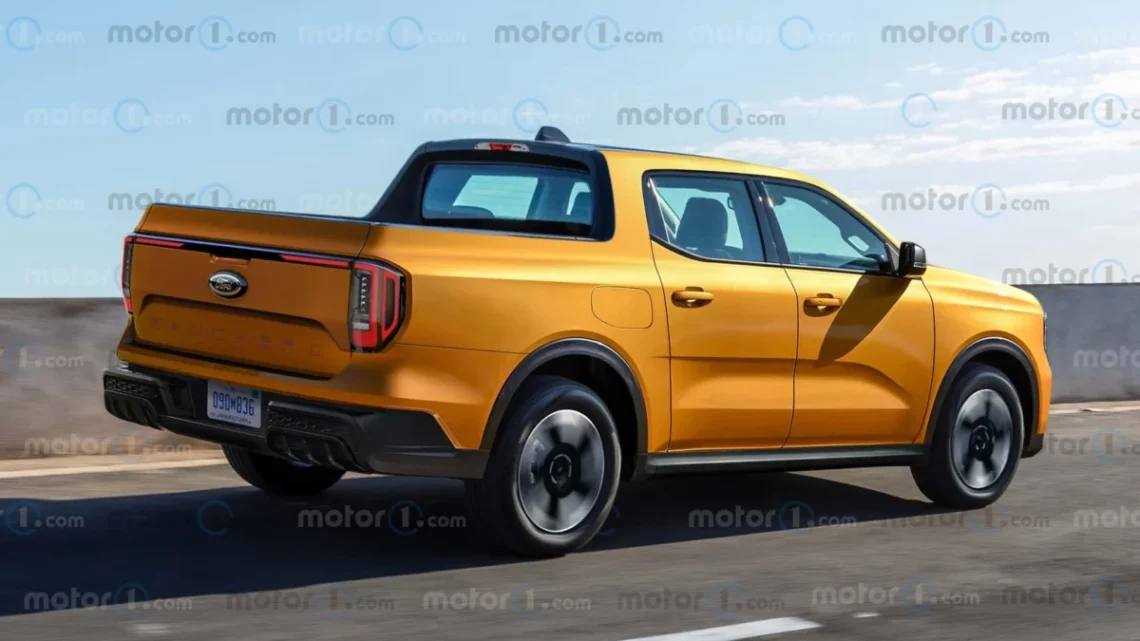
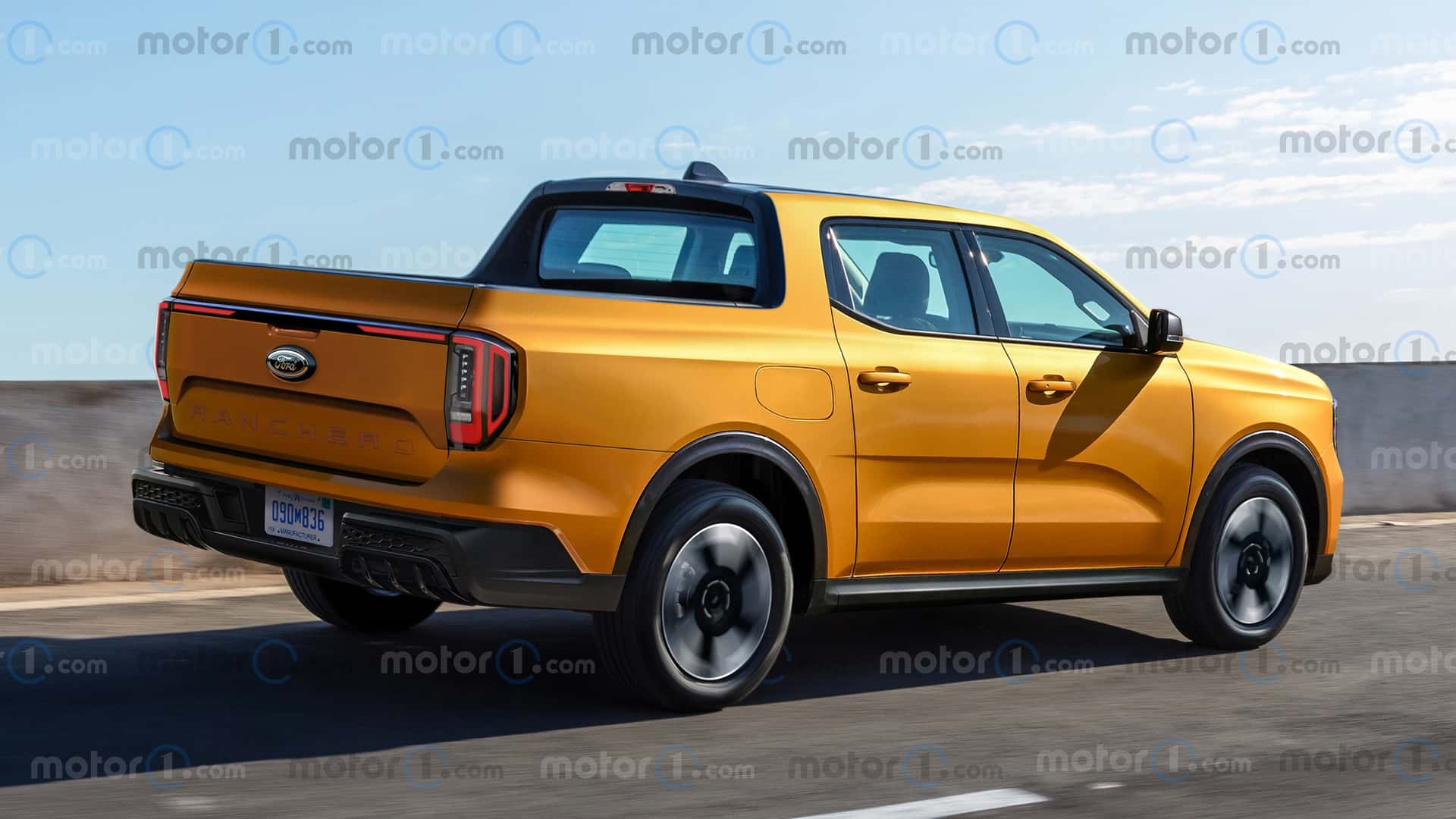
The integration of Apple Maps will debut on Ford’s upcoming Universal Electric Vehicle (UEV) platform. This architecture, which serves as the cornerstone of Ford’s future EV strategy, is designed to prioritize software-defined vehicle capabilities, efficiency, and scalability. The first vehicle to showcase this native integration will be Ford’s highly anticipated $30,000 mid-size electric pickup, slated for a 2027 market launch.
For Ford, this represents more than just a software update; it is an attempt to standardize the user experience across its fleet. By embedding Apple’s navigation suite directly into the vehicle’s hardware, Ford aims to provide a seamless, high-fidelity experience that does not require an active tether to an iPhone. While traditional Apple CarPlay will remain available for drivers who prefer the familiar interface of their own devices, the native integration ensures that every user—regardless of their mobile ecosystem preference—can access Apple’s robust navigation, traffic data, and EV-specific intelligence.
A Chronology of Connectivity: From Projection to Integration
To understand the magnitude of this announcement, one must look at the evolution of in-car infotainment.
- 2014-2015: The "Projection Era" began as automakers like Ford introduced Apple CarPlay and Android Auto. These systems were hailed as saviors, as they finally allowed drivers to bypass clunky, outdated proprietary navigation software in favor of the apps they used on their phones.
- 2020-2023: As vehicles became "computers on wheels," manufacturers began to realize that handing over the dashboard to tech giants meant losing control over critical vehicle data. Companies like General Motors began exploring "Google Built-in" systems, which integrate Google Maps and Google Assistant directly into the car’s OS, essentially cutting out the need for a phone entirely.
- 2024-2025: Ford, while observing the industry’s rush toward Google, opted to chart a middle path. By partnering with Apple to bring native Maps into its own UEV architecture, Ford is effectively betting that Apple’s user experience (UX) design remains the gold standard, while retaining enough control to ensure the system is deeply integrated with the vehicle’s battery management and driving assistance software.
- 2027 and Beyond: The anticipated launch of the UEV platform will mark the fruition of this strategy, establishing a "Ford-Apple" ecosystem that serves as a blueprint for the automaker’s future software-defined fleet.
Technical Implications: More Than Just Maps
The move to native integration is not merely about having a pretty interface. By running Apple Maps directly on the car’s processor, the system gains access to the vehicle’s "CAN bus"—the internal network that allows software to communicate with hardware.
Advanced EV Route Planning
One of the most significant pain points for electric vehicle owners is "range anxiety." Native Apple Maps will now be able to communicate directly with the vehicle’s battery management system (BMS). This allows for dynamic route planning that takes into account the current state-of-charge, the projected energy consumption based on real-time elevation and weather data, and the availability of charging stations along the route. Furthermore, the system will manage "battery preconditioning"—a process where the car warms or cools the battery to its optimal temperature as the vehicle approaches a fast-charging station, significantly reducing charging times.
The Evolution of BlueCruise
Beyond navigation, Ford plans to leverage Apple’s highly detailed road-level data to bolster its BlueCruise hands-free driving system. Current hands-free systems rely on a combination of high-definition map data, LiDAR, and camera sensors. By integrating Apple’s mapping depth, Ford aims to improve the system’s operational smoothness, particularly during complex maneuvers like lane changes, highway on-ramps, and off-ramps. The goal is to create a more intuitive driving experience where the car understands the road geometry as clearly as the driver does.
Industry Comparison: The Great Software Schism
Ford’s decision puts it in stark contrast to the rest of the automotive landscape, which is currently undergoing a "software identity crisis."
General Motors has taken a hardline stance, phasing out Apple CarPlay and Android Auto entirely in its newer EVs in favor of an exclusive partnership with Google. GM argues that by controlling the entire software stack, it can create a more cohesive experience that blends vehicle diagnostics with consumer apps.
Conversely, companies like Tesla and Rivian have remained fiercely protective of their "walled gardens." Tesla has long refused to support CarPlay, opting to develop its own proprietary navigation and infotainment software. While this allows for tight hardware-software integration, it often leaves users frustrated by the lack of familiar app ecosystems.
Ford’s hybrid approach—retaining CarPlay for those who want it, while providing a best-in-class native experience powered by Apple—appears to be a "best of both worlds" strategy. It satisfies the users who demand smartphone-level convenience while ensuring that Ford’s own proprietary vehicle intelligence remains the foundation of the driving experience.
Official Responses and Strategic Rationale
While Ford has not released a granular technical white paper, executives have hinted that the move is driven by consumer demand for a "premium, zero-friction" experience. Internal surveys consistently rank Apple Maps’ interface and ease-of-use among the top features drivers look for when purchasing a new vehicle. By bringing this to the native dashboard, Ford is essentially outsourcing the most difficult part of software development—user interface design—to a company that specializes in it, allowing Ford’s engineers to focus on vehicle dynamics and powertrain optimization.
Market analysts suggest that this move is a pragmatic hedge. "Ford is avoiding the ‘Google trap,’" says one industry analyst. "By not going fully native Google, they maintain a degree of independence. By not ignoring Apple, they ensure they stay relevant to the millions of customers who are deeply embedded in the Apple ecosystem."
Implications for the Future of the Automobile
The implications of this shift are profound for the future of the automotive industry. We are moving toward a period where the "brand" of a car may be defined as much by its software partner as by its engine or design.
- Subscription Models: The integration of native Apple services opens the door for potential subscription-based features, such as premium real-time traffic data, enhanced mapping features, or integrated in-car entertainment, all of which could become recurring revenue streams for Ford.
- Data Sovereignty: By keeping the software under their own UEV roof, Ford retains access to invaluable driver data. This data is the lifeblood of autonomous driving development. If Ford can successfully marry Apple’s data with its own, it may be able to accelerate its progress in self-driving technology faster than competitors who rely on third-party data silos.
- The End of "Dumb" Dashboards: This move signals the final nail in the coffin for proprietary, poorly designed automotive navigation systems that have plagued the industry for decades. The expectation is now set: if a car does not offer an interface as snappy and smart as a modern smartphone, it will be viewed as obsolete the moment it leaves the dealership.
Conclusion: A Collaborative Future?
As we look toward 2027, the partnership between Ford and Apple serves as a fascinating case study in corporate collaboration. It acknowledges that the era of the "siloed automaker"—one that builds everything from the transmission to the navigation code—is coming to an end. Instead, we are entering the era of the "integrated platform," where automakers act as the hardware manufacturer and systems integrator, while tech giants provide the digital layer that consumers have come to expect.
For the driver, this is undoubtedly a win. It promises a future where the friction between our digital lives and our physical transportation is minimized. Whether this specific bet on Apple pays off for Ford remains to be seen, but one thing is certain: the dashboard of the future will be a battlefield of software, and Ford has just picked its champion.