For years, the automotive industry has watched as the pickup truck segment evolved from a utilitarian tool for construction sites into the ultimate symbol of high-end luxury. With brands like Mercedes-Benz having flirted with the market—and failed—and others like Rivian and GMC finding success with premium lifestyle trucks, the question of whether South Korea’s luxury powerhouse, Genesis, should enter the fray has persisted. While the company has previously toyed with the idea, only to shelve it, fresh comments from high-ranking executives suggest the conversation is not only alive but evolving.
The Genesis of an Idea: A Brief Chronology
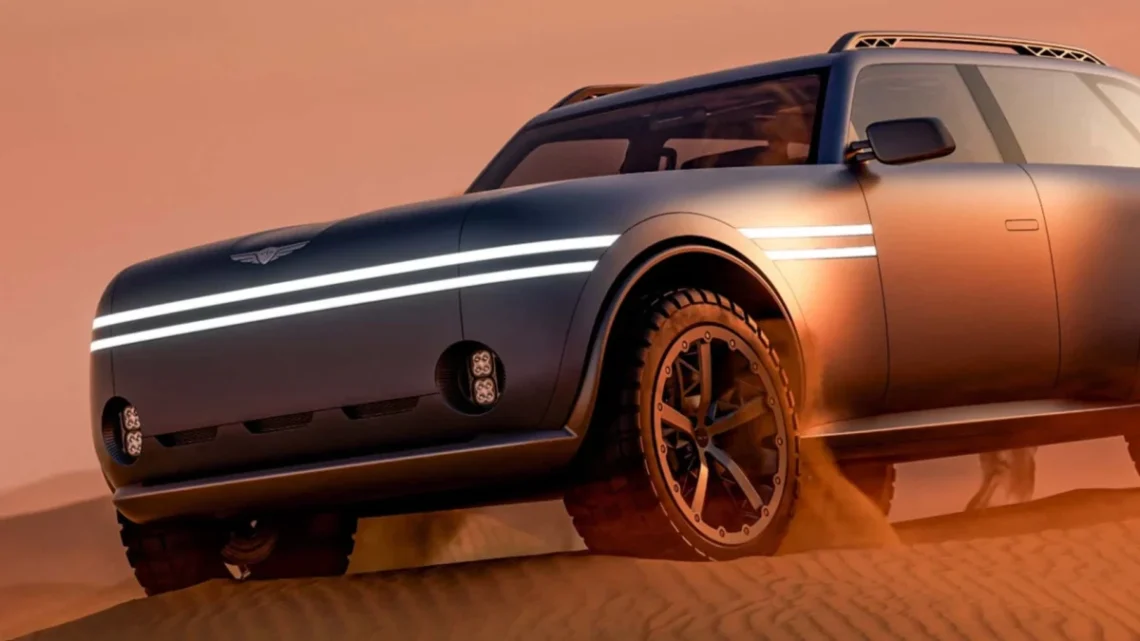
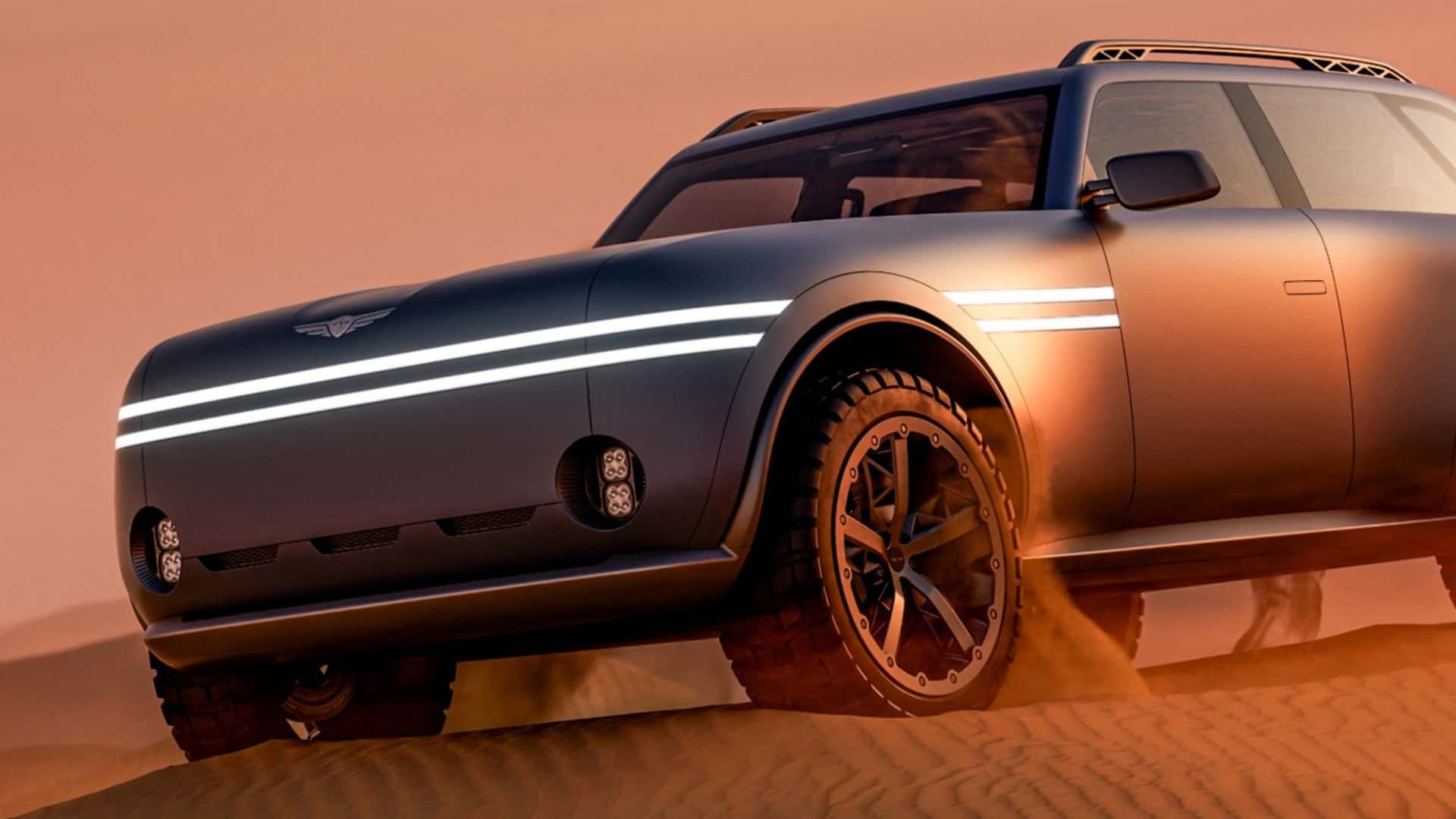
The concept of a Genesis-branded pickup is not new. In fact, it has been a recurring theme in product planning discussions since the brand separated from Hyundai as a standalone luxury entity. In previous years, the company went as far as creating internal design mockups to gauge whether a "luxury ute" could fit within their sophisticated design language, characterized by the brand’s signature "Athletic Elegance."
However, in 2024, the path forward appeared to hit a dead end. Genesis design chief Luc Donckerwolke, a visionary responsible for the brand’s distinct aesthetic, indicated that the project had been effectively sidelined. The brand shifted its focus toward electrifying its lineup, expanding its performance-oriented "Magma" sub-brand, and developing high-profile halo vehicles like the anticipated production version of the X Gran Coupe concept.
Despite this pivot, the recent commentary from Gavin Donaldson, Chief Operating Officer of Hyundai Motor Group Australia, has reignited industry speculation. In a candid conversation with Carsales, Donaldson did not dismiss the possibility of a premium pickup. Instead, he framed it as a strategic question: Can a truck contribute to the brand’s prestige?
The Corporate Synergy: Leveraging the Hyundai Foundation
One of the primary hurdles for any new luxury vehicle is the prohibitive cost of platform development. A bespoke, body-on-frame platform for a low-volume luxury truck would be a financial nightmare. However, Genesis has always excelled at "platform sharing," taking the robust underpinnings of Hyundai or Kia products and infusing them with high-end materials, superior sound deadening, and sophisticated suspension tuning.
The key to a potential Genesis pickup lies in the upcoming mid-size truck program at Hyundai. As Hyundai prepares to challenge the mid-size segment—potentially utilizing a new body-on-frame architecture or a collaborative platform developed through its strategic partnership with General Motors—the infrastructure for a Genesis variant is being built in real-time.
If Hyundai successfully launches a versatile, rugged, and perhaps electrified mid-size truck, the "heavy lifting" of engineering, crash testing, and manufacturing capability will already be complete. For Genesis, the challenge would shift from mechanical engineering to brand-identity engineering. As Donaldson noted, a Genesis pickup cannot simply be a rebadged Hyundai. It must offer a level of refinement, material quality, and technological integration that justifies the price premium associated with the winged emblem.
Official Stance: Defining the "Luxury Standard"
The corporate philosophy regarding a potential truck is clear: it must serve the brand, not just the sales chart. Gavin Donaldson’s comments to Carsales provide a roadmap for how the company views this potential expansion:
"If there’s an opportunity that it’s going to be able to create, build the brand, support the brand, build that luxury image, then you would look at what it is."
This statement suggests that for the project to receive the final "green light" from the board in Seoul, it must move beyond the definition of a traditional pickup. It would likely need to be a "Lifestyle Utility Vehicle"—a truck that balances the rugged capability of a workhorse with the cabin comfort of a G90 sedan. This aligns with current trends in the luxury market, where buyers are less interested in towing capacity and more interested in the capability to haul adventure gear in a vehicle that offers a serene, quiet, and opulent driving experience.
The Market Landscape: Why Now?
The luxury truck segment remains a niche, but it is a highly profitable one. In North America, the average transaction price for high-end pickup trucks has skyrocketed, with consumers showing a clear willingness to spend upwards of $70,000 to $90,000 for top-trim models.
While the Mercedes-Benz X-Class was largely considered a failure due to its reliance on the Nissan Navara architecture—which many critics felt didn’t offer enough of a "Mercedes" experience—Genesis has a different track record. The brand has spent the last decade earning its stripes as a legitimate competitor to the German luxury giants. By focusing on design, the "Magma" performance line, and a seamless customer experience, Genesis has built a reputation for high-value luxury.
A Genesis pickup could serve as a "halo" for the brand’s versatility. If it features a high-output hybrid powertrain or a cutting-edge electric drivetrain, it could serve as a powerful marketing tool to attract a younger, more active demographic that currently looks to Rivian or the GMC Hummer EV.
Challenges and Strategic Priorities
Despite the renewed possibility, there are significant obstacles. First, the luxury market is notoriously conservative. Existing Genesis customers are currently accustomed to sedans like the G70 and SUVs like the GV80. Introducing a pickup truck, even a luxurious one, carries the risk of diluting the brand’s image.
Second, the company’s internal priorities are currently focused on high-stakes projects. The "Magma" performance division is intended to challenge the BMW M and Mercedes-AMG divisions, requiring significant R&D investment. Additionally, the transition to a full-electric lineup by the end of the decade requires the vast majority of the company’s engineering resources. A pickup truck, while intriguing, must compete for these finite resources.
The Verdict: A Calculated Gamble
A Genesis pickup is not an inevitability, but it is no longer a fantasy. The success of such a vehicle depends entirely on three factors:
The Hyundai Platform: If the parent company’s mid-size truck project proves to be a success, the business case for a luxury variant becomes drastically easier to justify.
Brand Differentiation: Genesis would need to ensure the truck offers a unique selling proposition—perhaps through cabin technology, sustainable interior materials, or a "lounge-like" rear-seat experience that distinguishes it from a traditional truck.
Global Strategy: The United States remains the most vital market for such a vehicle. If the US dealer network and customer base signal strong interest, it would likely be the primary catalyst for the project.
In the eyes of Motor1, the potential for a Genesis pickup is a compelling "what if." If the development costs are shared with Hyundai’s broader truck program, the financial risk is minimized. In a market where traditional luxury sedans are losing ground to versatile, adventure-ready vehicles, a "Genesis Truck" might be the exact kind of bold, contrarian move that keeps the brand at the cutting edge of the industry.
For now, the project remains in the "realm of possibility." It is an idea that has been dusted off, examined, and placed back on the boardroom table. Whether it moves from the digital drawing board to the production line remains to be seen, but one thing is certain: if Genesis does decide to build a truck, it will likely be unlike anything the industry has seen before—a true intersection of raw utility and refined, South Korean elegance.