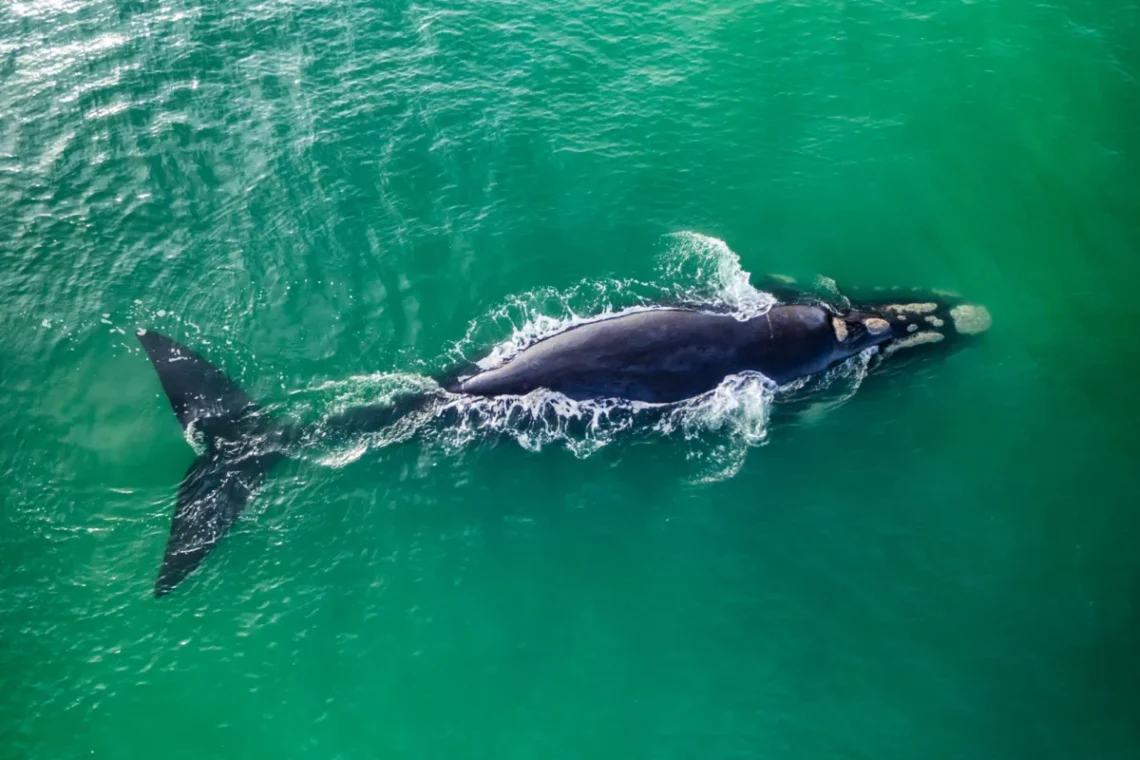
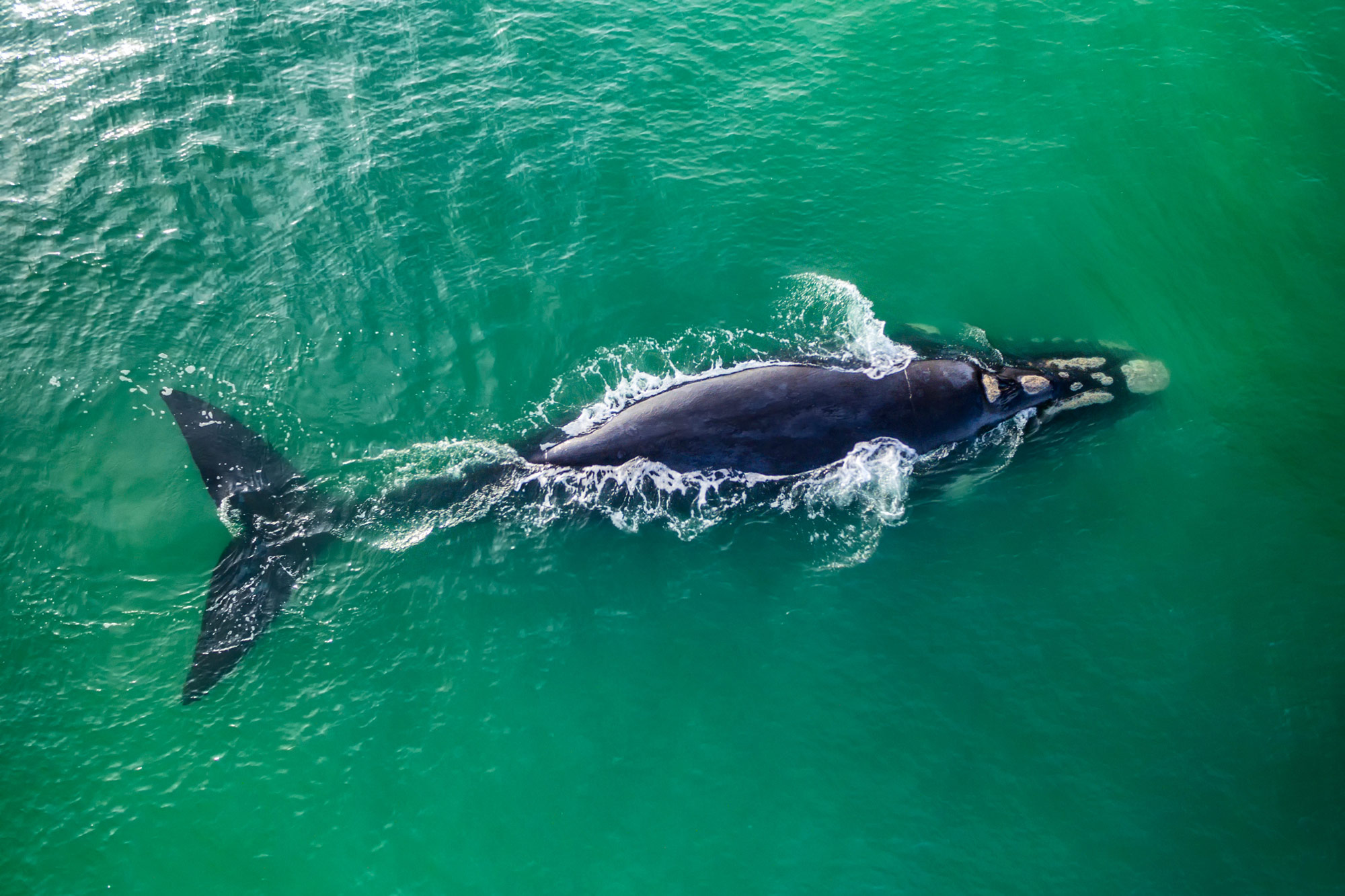
The ongoing conservation challenge surrounding the North Atlantic right whale (Eubalaena glacialis) has catalyzed a high-tech collaborative initiative led by the Whale and Vessel Safety (WAVS) Taskforce. Rather than relying on blanket regulatory mandates—such as broad, mandatory speed restrictions across wide swaths of the Eastern Seaboard—the WAVS Taskforce is pioneering a data-driven, precision-based approach. By integrating risk-terrain modeling, artificial intelligence (AI) classification, and standardized National Marine Electronics Association (NMEA) messaging protocols, the marine industry aims to protect critically endangered marine mammals while preserving the operational freedom of recreational and commercial boaters.
At the heart of this initiative is a shift toward interoperable marine electronics. Instead of forcing vessel owners to purchase standalone, proprietary hardware or cumbersome external applications, WAVS is working to connect existing onboard sensors, multifunction displays (MFDs), and automated identification systems (AIS). Through bidirectional data flows, verified near-real-time whale sightings can be transmitted directly to local helm stations, advising captains when and where to exercise throttle control.
This cooperative model brings together competing marine electronics manufacturers, boatbuilders, and conservation scientists. By addressing integration hurdles head-on using a dedicated testbed vessel—a Contender 24S outfitted with gear from 13 different companies—the WAVS Taskforce is proving that technological cooperation can reconcile the competing demands of wildlife preservation and modern maritime recreation.
Chronology of the Right Whale Conflict
The Pre-Regulatory Era and Early Encounters
For decades, interactions between mariners and marine mammals were largely governed by chance encounters. While memorable wildlife sightings—such as a quiet morning motoring past Race Point Lighthouse near the Cape Cod Canal—highlighted the majesty of passing humpbacks and right whales, they also underscored a latent hazard. As vessel speeds and traffic density increased along the Atlantic coastline, the threat of vessel strikes became an existential crisis for slow-moving, surface-feeding species.
The 2008 Mandates and the Birth of the WAVS Taskforce
The regulatory framework for protecting North Atlantic right whales dates back decades, reinforced by their 1970 listing under the Endangered Species Act and the implementation of the North Atlantic Right Whale Vessel Strike Reduction Rule in 2008. That landmark rule imposed strict 10-knot speed limits along specific migration corridors for vessels 65 feet and larger, remaining in effect for up to seven months each year.
However, tension escalated dramatically in late 2022 when NOAA Fisheries proposed sweeping amendments to expand these speed zones, create mandatory seasonal restrictions, and lower the threshold to include most vessels 35 feet or larger. Viewing this expansion as an existential threat to recreational boating, the Viking Marine Group helped orchestrate the formation of the WAVS Taskforce. Operating as a volunteer-based, 501(c)(3) nonprofit organization, WAVS was designed to counter broad regulatory strokes with a technological "scalpel." Although NOAA Fisheries has since eased off the immediate regulatory threat, the Taskforce’s mission has only accelerated.
Supporting Data and Biological Imperatives
To understand the urgency driving the WAVS Taskforce, one must examine the precarious demographic reality of the North Atlantic right whale.
Population Metrics: According to recent estimates from the National Oceanic and Atmospheric Administration (NOAA), approximately 380 North Atlantic right whales remain in existence.
Reproductive Core: Of that total population, only about 70 are estimated to be breeding females, making every single mature individual vital to the species’ survival.
Historical Contrast: Modern figures represent a fraction of pre-whaling populations, leaving the species exceptionally vulnerable to anthropogenic mortality sources like vessel strikes and entanglements in commercial fishing gear.
To combat these threats without shutting down coastal navigation, WAVS has focused on closing the chronological gap in whale data reporting. Historically, official observations logged by federal and state agencies entered federal repositories almost immediately, while reports submitted by recreational boaters could take 24 to 48 hours to undergo manual verification.
WAVS is closing this gap by embedding automated metadata protocols and leveraging machine learning. By utilizing optical-based collision-avoidance systems and AI-driven image classification, the taskforce aims to automate the detection and logging of whale sightings. This infrastructure relies on data repositories maintained by NOAA and conserve.io (accessible via the WhaleAlert app), processing spatial data to feed dynamic risk-terrain models that predict whale concentrations in near real-time.
Official Responses and Industry Collaboration
The success of the WAVS initiative hinges on unprecedented cooperation among fierce industry competitors. Rather than innovating entirely new standalone sensors, the Taskforce is focused on maximizing the utility of hardware already installed on modern vessels.
John DePersenaire, Viking Marine Group’s director of government affairs and sustainability and the chairman of the WAVS Taskforce, emphasizes the collaborative ethos of the project:
"We want to bring together the marine industry, the experts in the field and the manufacturers, and have a venue where we can discuss how we move forward, and address this issue from a technology perspective. The main goal is to leverage innovation and technology to help mitigate the risk of vessel strikes."
A cornerstone of this technological integration involves standardizing communication pathways. WAVS is actively collaborating with the NMEA to establish standardized whale-related sentences for NMEA 0183 and Parameter Group Numbers (PGNs) for NMEA 2000 networks. Once integrated, these protocols will allow any NMEA-certified MFD to display virtual buttons. Captains can use these interfaces to log and transmit whale observations alongside essential vessel metadata.
Once a report is vetted, NOAA or third-party providers can broadcast localized alerts via AIS or MFD network messages. This targeted approach directly addresses the psychological hurdle of "alert fatigue." As DePersenaire notes:
"We want alerts on their multifunction displays, and we’re very sensitive to the idea of alert fatigue. We want this information to be relevant and accessible to boaters in a way that’s not clunky or cluttered, or requires them to open up an app."
Industry heavyweights have heavily backed this unified vision. Shaun Ruge, Garmin’s director of marine business development, highlights the shared commitment across rival corporate entities:
"On the WAVS vessel, we have multiple manufacturers’ multifunction displays and cameras. Garmin believes, and I don’t think we’re alone here, that reducing strike risk is a cause worth advocating for alongside our competition."
Similarly, Matthew Zimmerman, CEO of FarSounder and a WAVS Taskforce member, stresses the necessity of automated management systems:
"We need to have automated systems to help manage the amount of data that will be needed. I don’t think that unleashing the AI will just take care of all of it, but I think it could be a really useful tool. It’s harnessing what’s already out there and making them connect together."
To test and refine these integration pathways, the WAVS Taskforce utilizes a specialized testbed: a Contender 24S outfitted with marine electronics from 13 different competing companies. By working through software conflicts, data latency issues, and UI integration challenges on the water, the Taskforce ensures that systems from different brands can seamlessly share data on and off the vessel. Furthermore, supported by a grant from the National Fish and Wildlife Foundation, WAVS has expanded its research fleet by partnering with private yacht owners—including select Viking customers—who allow their vessels to serve as mobile testing platforms.
Broader Implications for Marine Conservation and Boating
The implications of the WAVS Taskforce model extend far beyond the immediate preservation of the North Atlantic right whale. If successful, this framework establishes a scalable blueprint for resolving future environmental conflicts between commercial industries and wildlife management agencies across the globe.
By proving that advanced conservation goals can be achieved through localized, dynamic, and technology-driven alerts rather than restrictive, blanket bans, the initiative safeguards the economic vitality of the marine trades and recreational boating sectors. Bidirectional data flow ensures that even smaller, less-equipped vessels can benefit from the sensor-rich networks of larger commercial and sportfishing yachts, effectively democratizing maritime safety data.
Ultimately, the transition from rigid geographic speed restrictions to intelligent, time- and area-specific navigation signals represents a maturation of marine spatial planning. It demonstrates that when conservationists, government regulators, and marine electronics manufacturers pool their expertise, technology can successfully bridge the gap between human recreation and the preservation of the ocean’s most vulnerable inhabitants.