Newport, Rhode Island, is currently experiencing a profound cultural renaissance. Whether driven by the addictive opulence of Gilded Age television dramas, the rise of "old-money" aesthetics on social media, or the enduring charm of New England’s coastal lifestyle, this compact city has firmly re-established itself as the premier destination for those seeking a quintessential Atlantic escape.
But to label Newport a "trend" would be a disservice to its history. Since the early 19th century, this harbor-side enclave has served as a sanctuary for the American elite, a playground for the Vanderbilt and Astor families, and a bastion of sailing culture. Today, it stands as a sophisticated year-round destination that balances its storied past with a modern, vibrant hospitality scene.
The Evolution of a Coastal Icon: Main Facts
Newport’s identity is inextricably linked to the Atlantic Ocean. Situated on Aquidneck Island, the city is a living museum of American architectural ambition and maritime history.
- The Gilded Age Legacy: Newport became the summer capital of the American aristocracy in the late 1800s. These families constructed "summer cottages"—palatial mansions that remain the city’s primary cultural landmarks.
- A Year-Round Destination: While summer remains the peak season for sailing and beach-going, Newport’s appeal has expanded into a twelve-month cycle. Fall brings regattas and harvest festivals, winter offers cozy, fireplace-lit dining, and spring highlights the blooming coastal gardens.
- The Geography of Luxury: The city is defined by its dramatic contrast between the rugged, cliff-lined eastern shore and the sheltered, harbor-centric western side, where the bustling activity of Thames Street and Bowen’s Wharf takes place.
A Chronological Perspective: From Colonial Port to Modern Mecca
The history of Newport is a timeline of evolving American influence.

1639–1700: The Colonial Foundation
Newport was founded as a haven for religious freedom, quickly becoming a significant commercial port. The White Horse Tavern, established in 1673, serves as a testament to this era; it remains the oldest operating tavern in the United States, offering a tangible link to the city’s earliest days.
1850–1920: The Gilded Age Peak
This was the era of excess. Industrial titans transformed the modest town into a European-style playground. The construction of The Breakers, Marble House, and other architectural marvels solidified Newport’s reputation as the epicenter of high society.
1930–2000: Preservation and Sailing
As the era of the grand estate waned, the city pivoted toward maritime tourism and historic preservation. The founding of the America’s Cup influence and the restoration of the downtown waterfront in the mid-20th century preserved the city’s character for future generations.
2000–Present: The Modern Renaissance
The last two decades have seen a surge in boutique hospitality. The influx of sophisticated dining, luxury hotel renovations, and high-end retail has brought a fresh, younger demographic to the city, turning it into a "mecca" for travelers seeking both heritage and modern indulgence.

Supporting Data: The Anatomy of a Newport Trip
For the discerning traveler, planning is essential. Based on insights from frequent visitors and local hospitality experts, here is a breakdown of how to navigate the city.
Where to Dine: A Culinary Evolution
Newport’s food scene has transitioned from basic seafood shacks to a diverse, high-end gastronomic landscape.
- The Classics: The Black Pearl remains the gold standard for clam chowder, while Clarke Cooke House offers a unique "ship-like" atmosphere that is as much about the experience as it is the steak frites.
- The Modern Wave: Flora, located within the Gardiner House hotel, represents the city’s shift toward Mediterranean-inspired, design-forward dining.
- The Casual Staple: For a taste of local culture, Franklin Spa offers a nostalgic diner experience, while Wally’s Weiners provides the perfect quick bite for a day spent walking Thames Street.
The Hospitality Landscape: Where to Stay
The accommodation landscape in Newport is split between historical grandeur and contemporary comfort.
- The Gilded Age Experience: The Vanderbilt (Auberge Resorts Collection) and Francis Malbone House offer guests the chance to reside in preserved, historic estates.
- The Waterfront Elite: The Chanler at Cliff Walk and Forty 1° North Hotel Marina Resort provide unparalleled access to the water, ensuring that the ocean is the first thing guests see upon waking.
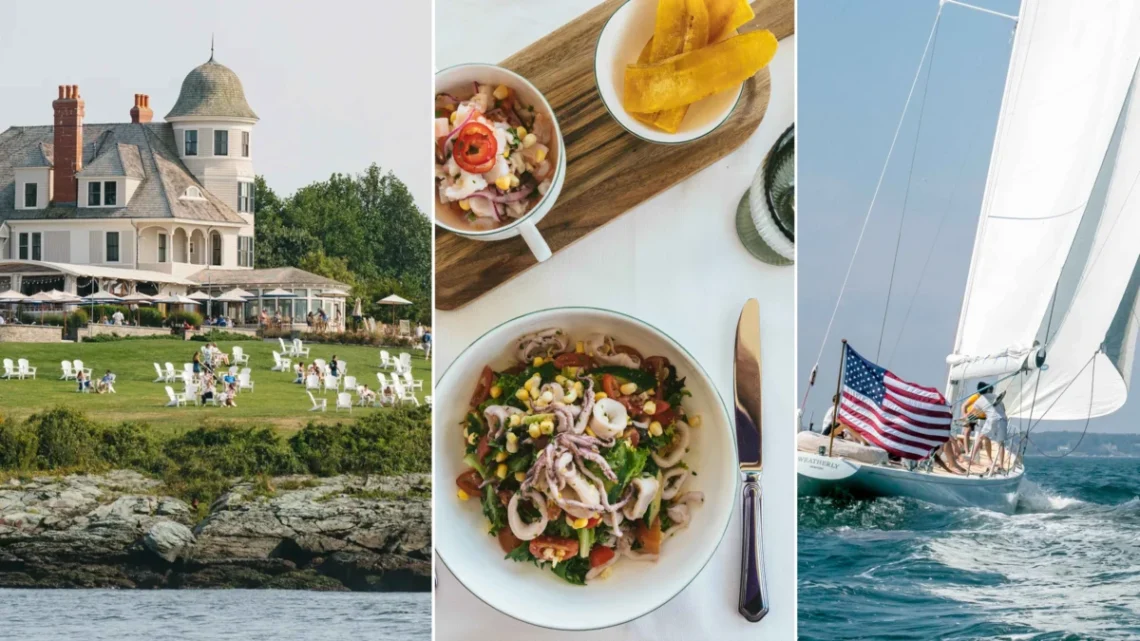
- The Iconic Landmark: Castle Hill Inn is arguably the most famous address in town. Even for non-guests, the Lawn Terrace is a mandatory stop for an afternoon glass of wine while overlooking the rocky bluffs.
Official Responses and Strategic Development
The City of Newport and organizations like Discover Newport have been vocal about balancing tourism growth with the preservation of the city’s fragile historic fabric.

"We are witnessing a shift where visitors are looking for deeper engagement with our history," says a representative from the local tourism board. "The challenge and the goal for the city is to ensure that the influx of modern interest doesn’t erode the colonial and Gilded Age charm that brings people here in the first place."
To combat overcrowding, the city has implemented stricter zoning for short-term rentals and has invested heavily in pedestrian-friendly infrastructure, particularly around the waterfront districts of Bowen’s Wharf and Thames Street. These measures are designed to ensure that the "City by the Sea" maintains its quality of life for residents while remaining accessible to international travelers.
Implications: The Future of the Newport Brand
The implications of Newport’s current "moment" are significant. As the city continues to attract younger, affluent travelers, the local economy is shifting.
Economic Impact
The transition from a seasonal summer town to a year-round hub has provided year-round employment for the hospitality sector, reducing the economic volatility that once plagued the city during the winter months. This economic stability has encouraged private investment in the restoration of neglected historic properties, preventing urban decay.

Cultural Preservation
The surge in popularity has created a virtuous cycle for preservation. Because tourists are willing to pay a premium to stay in historic buildings, property owners are incentivized to maintain the architectural integrity of their assets. However, the risk remains that the city could become a "museum piece" if it fails to allow for modern, local businesses that don’t cater exclusively to the tourist trade.
The Sustainability Challenge
With climate change threatening low-lying coastal areas, Newport is currently assessing its long-term resilience. The city has begun implementing infrastructure projects to protect the harbor front, ensuring that the very thing that makes Newport beautiful—its proximity to the water—does not become its greatest liability.
Conclusion: Living the Fantasy
Newport is more than just a collection of mansions and beaches. It is a place where the American narrative is physically manifest in every shingled cottage and stone wall. Whether you are walking the Cliff Walk at sunset, enjoying a lobster roll at Second Beach, or listening to jazz at the annual festival, the city offers an immersive experience that is increasingly rare in the modern world.
For the traveler, the directive is clear: embrace the history, support the local vendors, and respect the delicate balance that keeps this coastal jewel shining. Newport has been a good idea for two centuries, and if the current trajectory is any indication, it will remain one for many more to come.