
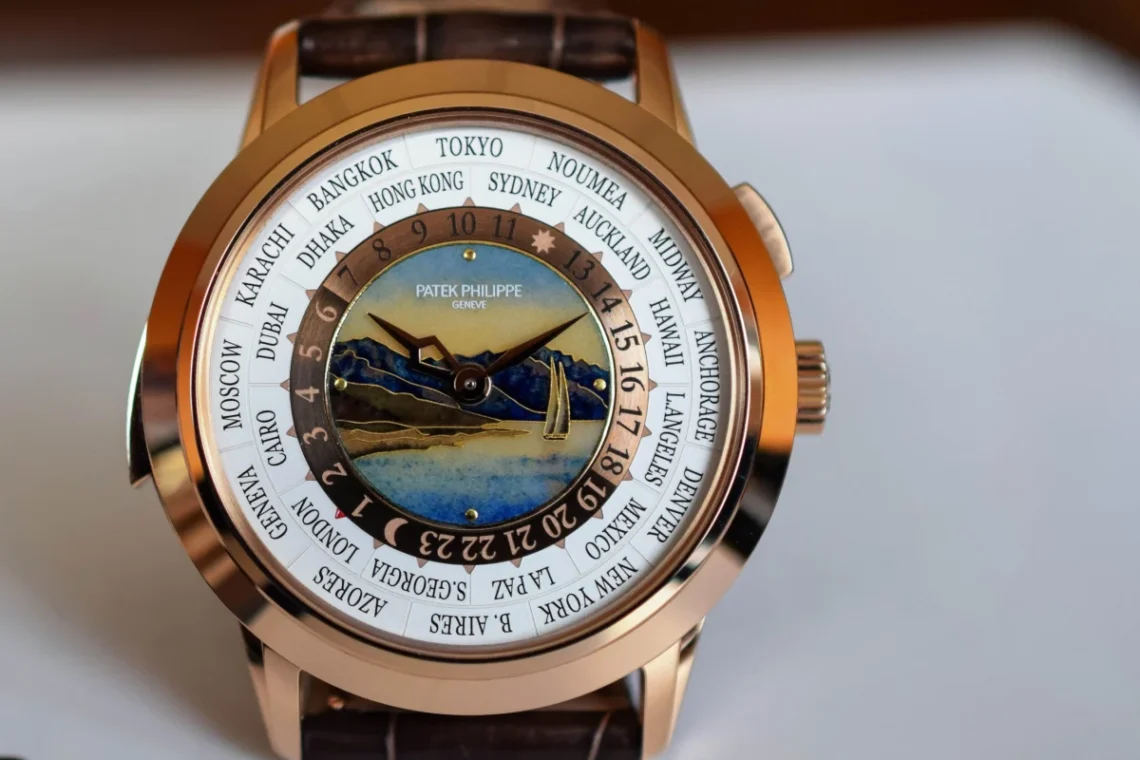
While high-end watchmaking often directs the spotlight toward intricate in-house calibres, complex gear trains, and cutting-edge innovations like silicon escapements visible through exhibition casebacks, the dial remains the true centrepiece of any timepiece. It is the face of the watch—the element gazed upon most frequently by the wearer. Even within the mid-range market, where calibres are frequently off-the-shelf workhorses from suppliers like Sellita or Miyota, dials can achieve extraordinary levels of luxury through Grand Feu enamel, natural stone, porcelain, and meteorite.
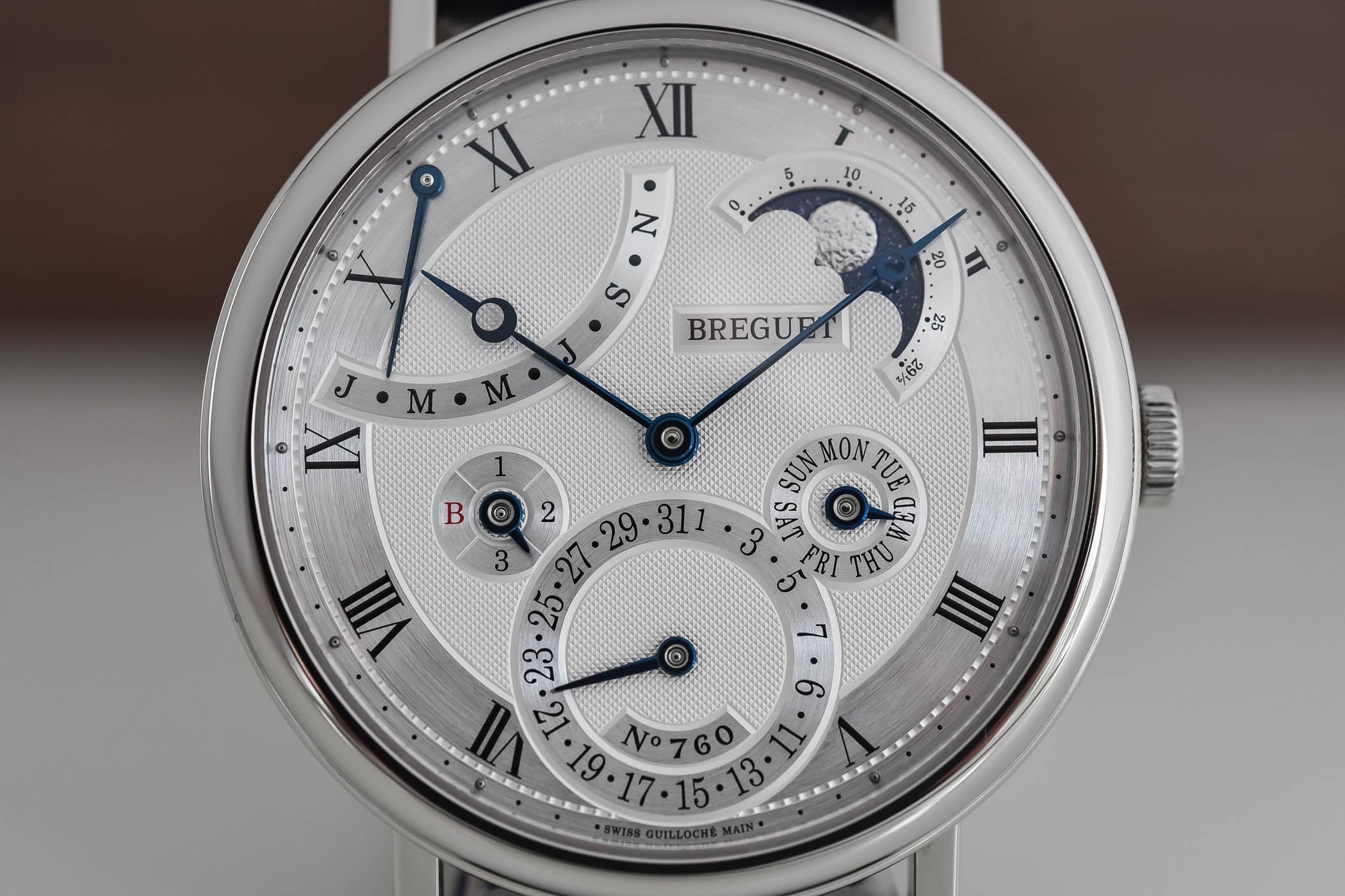
Spanning centuries of human artistry, the creation of watch dials bridges ancient decorative traditions and modern technological development. To truly appreciate these miniature canvases, we must explore their evolution from crude 16th-century indicators to the breathtaking material masterpieces of the modern era.
Main Facts: Anatomy of the Modern Dial
At its core, a watch dial serves two primary functions: displaying time legibly and defining the aesthetic identity of the watch. However, the materials used to achieve this balance vary wildly in composition, cost, and complexity.
- The Dominance of Brass: For centuries, brass has served as the baseline standard for watch dials due to its affordability, malleability, and receptiveness to paint, galvanic plating, and lacquer.
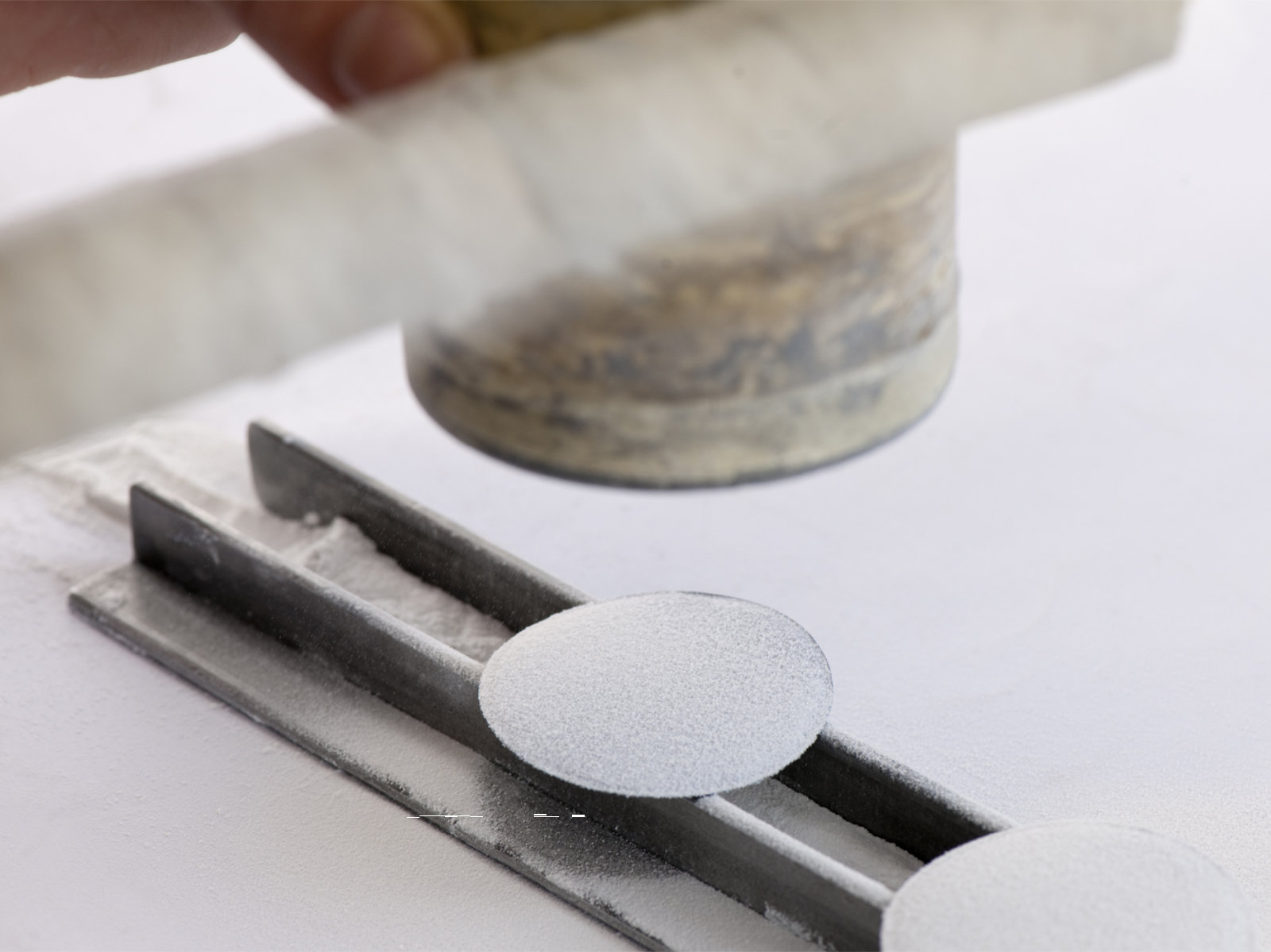
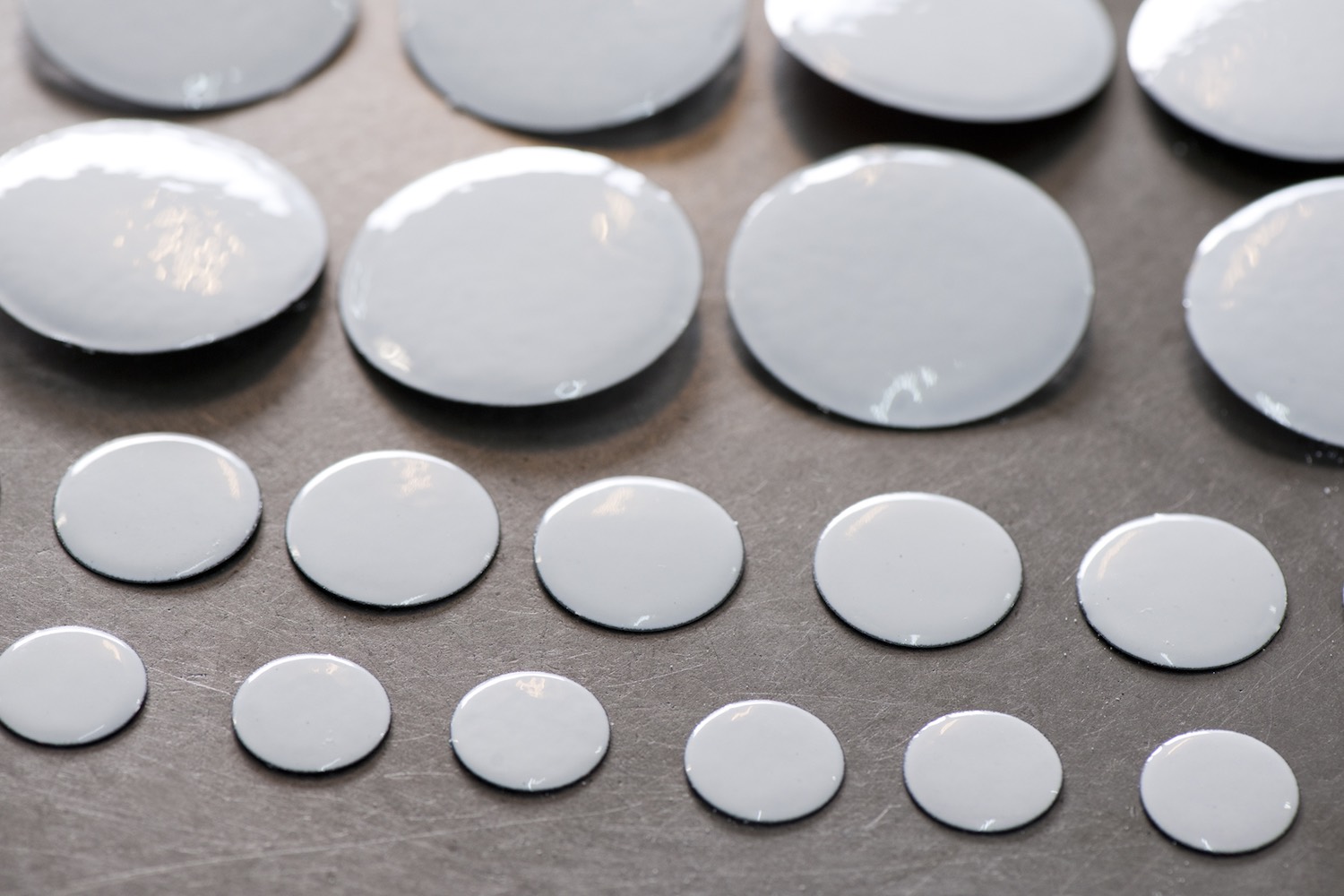
- The High-Heat Art Forms: Materials like Grand Feu enamel and porcelain require extreme kiln temperatures (often exceeding 800°C to 1,200°C), resulting in failure rates that can reach a staggering 80% to 90% even among master artisans.
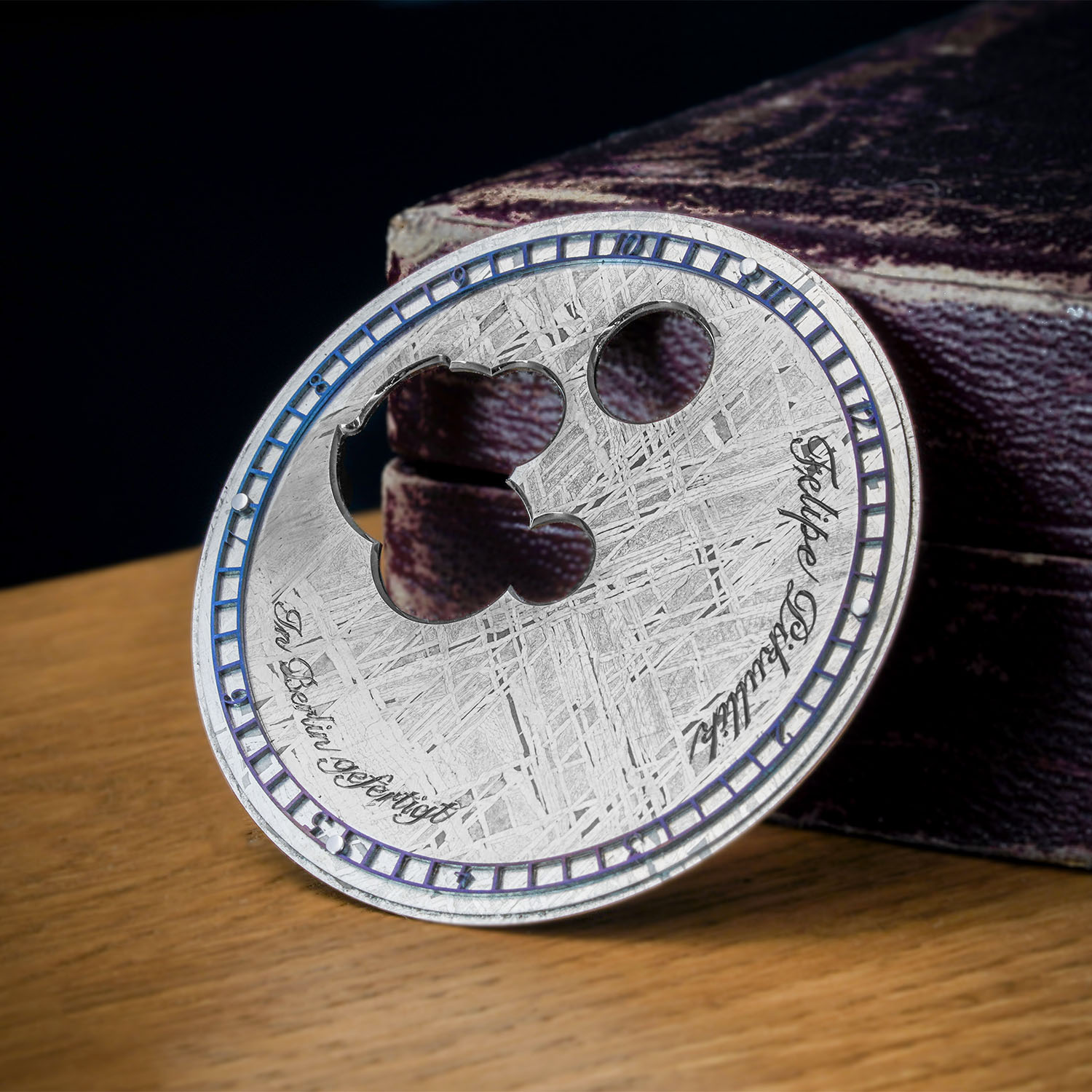
- Organic and Extraterrestrial Elements: Modern watchmaking routinely looks beyond standard metals, incorporating everything from iron-nickel meteorites bearing Widmanstätten patterns to natural stones, mother-of-pearl, and organic resins like Urushi lacquer.
Despite the prevalence of mass-produced brass and aluminium bases, the upper echelons of the industry continue to invest heavily in artisanal dial-making techniques that often take days, weeks, or even months to produce a single defect-free piece.
Chronology: The Evolution of the Portable Timepiece
The history of the watch dial is inextricably linked to the invention of portable timekeeping during the European Renaissance.
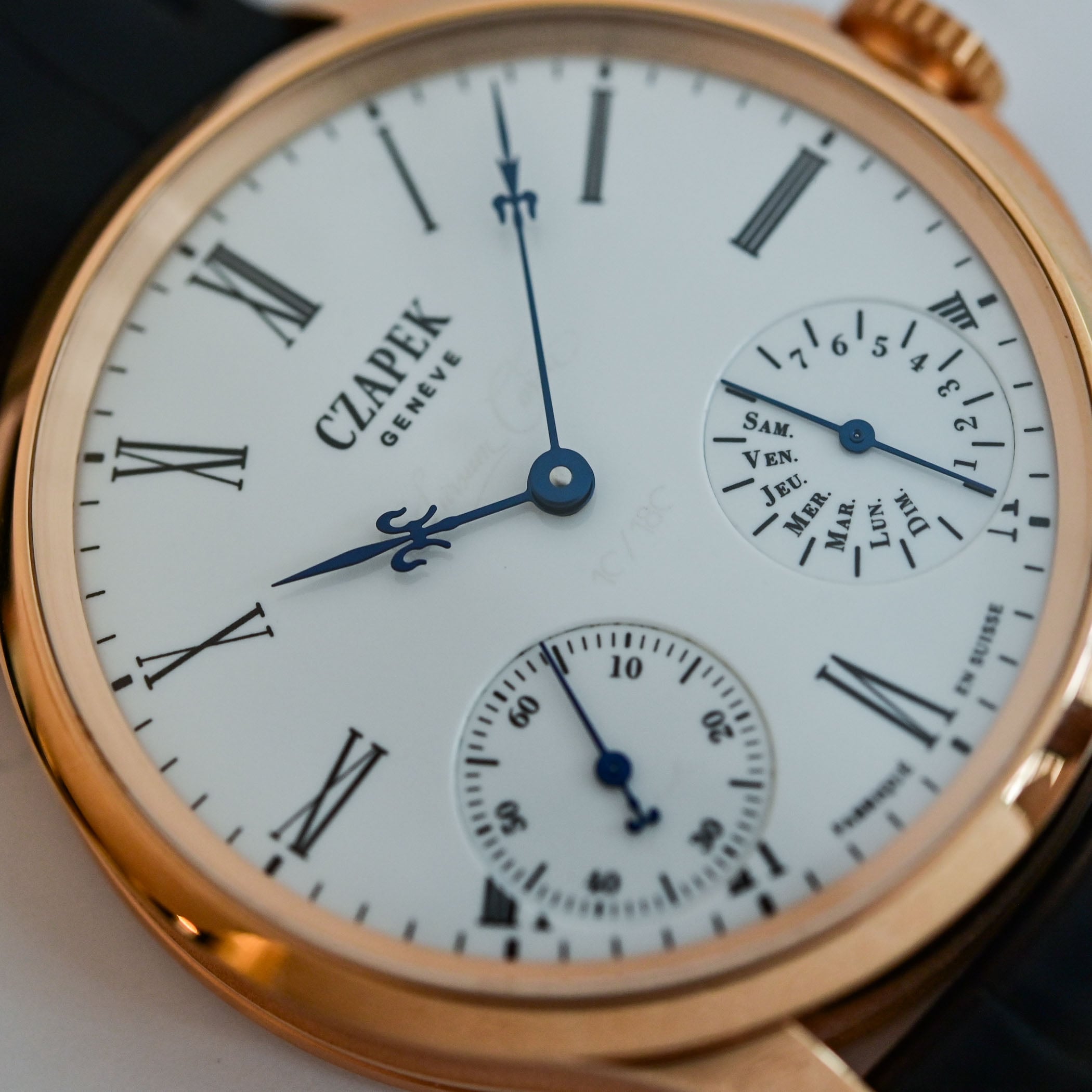
- c. 1510 – The Birth of the Portable Clock: Peter Henlein’s early "Nuremberg eggs"—small spring-driven timepieces worn around the neck or carried—laid the foundational principles for modern wristwatches. Their early brass dials were simply engraved with Roman numerals to mimic the public clocks of the era.
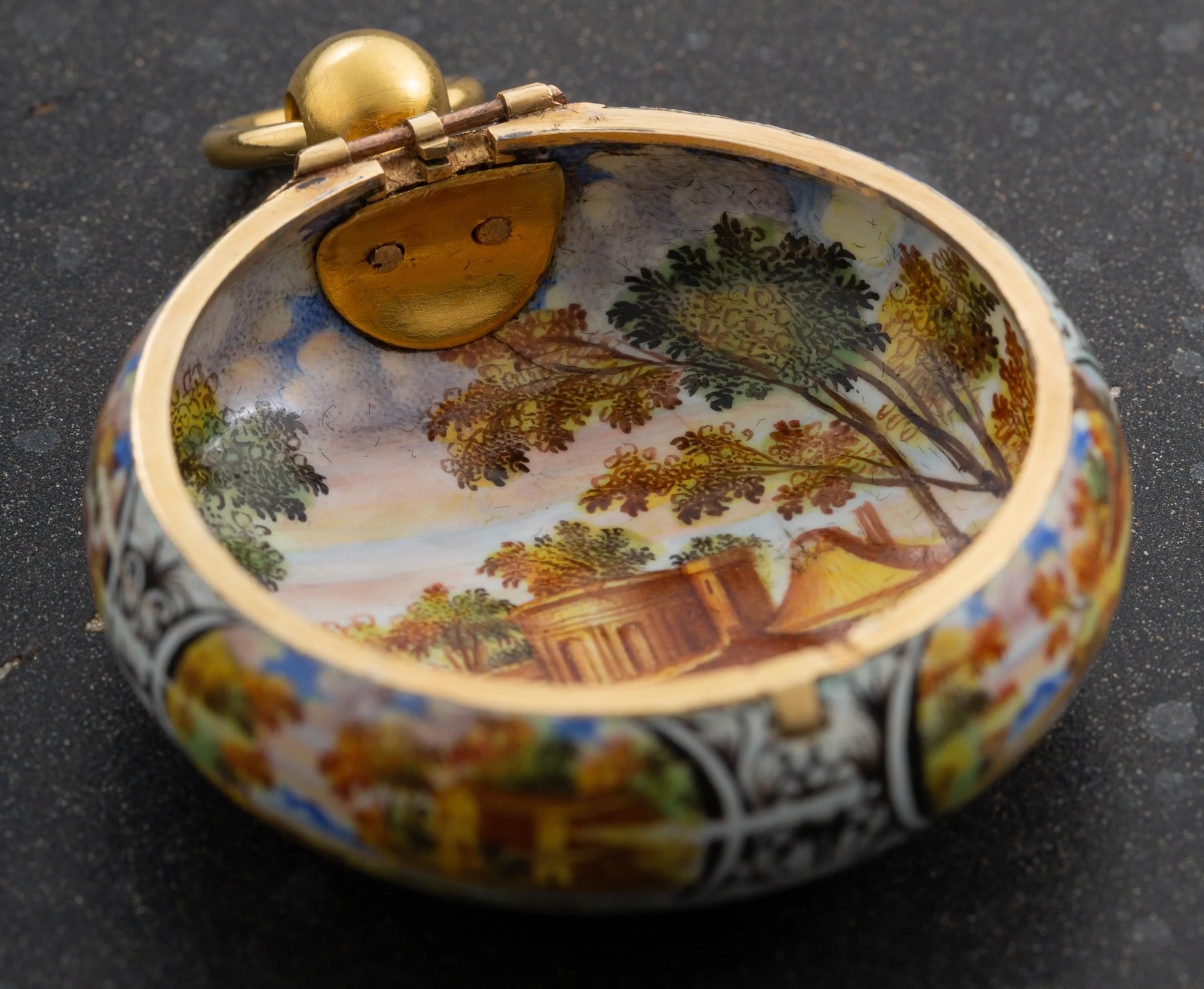
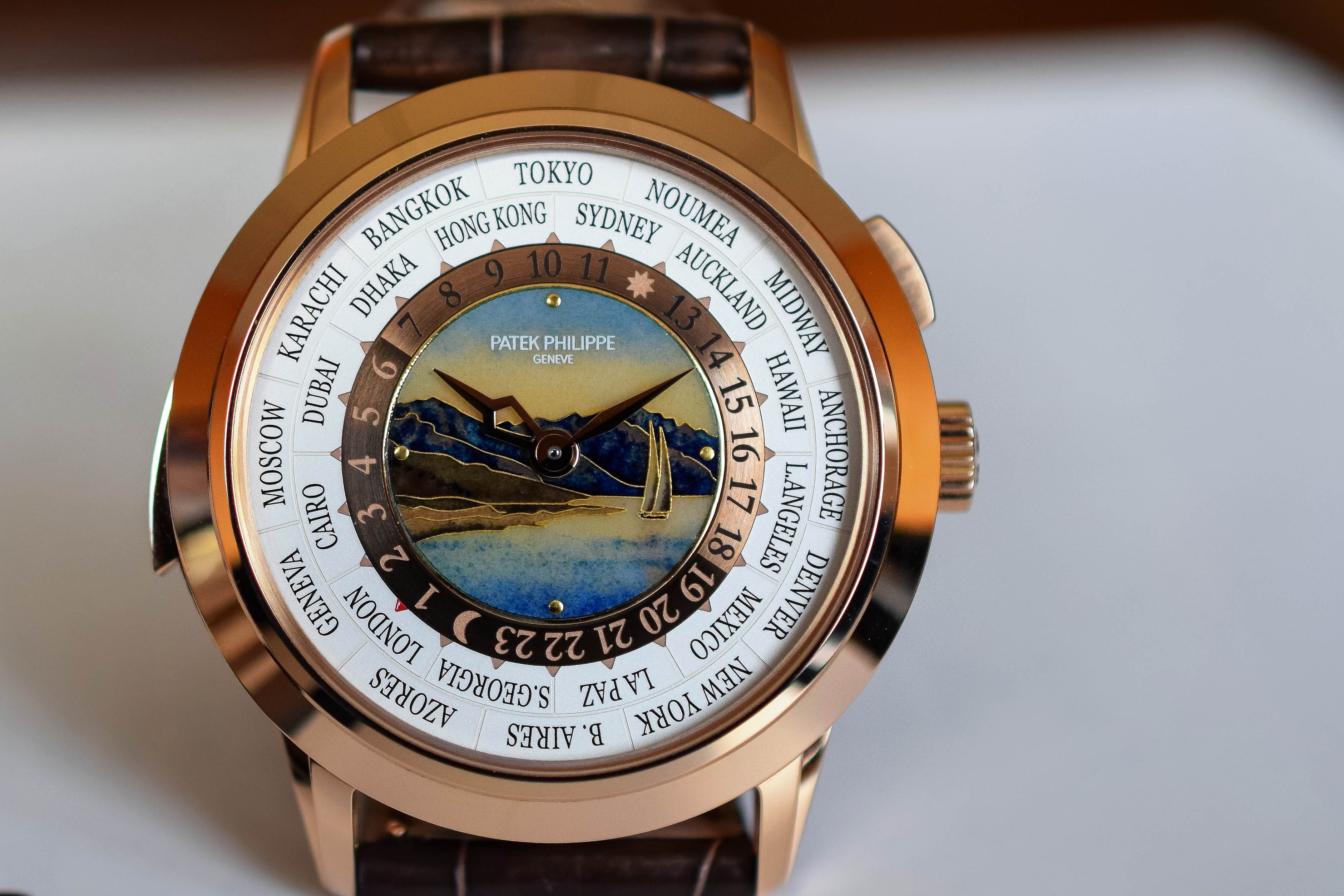
- 17th Century – Artistic Flourishes and Grand Feu: As watchmaking centres blossomed in Geneva and Blois, French and Swiss masters began experimenting with enamel. Pioneers like Paul Viet and Pierre Huaud developed high-heat firing techniques that eventually evolved into the specialized Grand Feu ("great fire") method, prized for its resistance to fading and cracking.
- 1708 – Decoding European Porcelain: While Chinese porcelain had been prized as "white gold" for centuries, alchemists Johann Friedrich Böttger and Ehrenfried Walter von Tschirnhaus cracked the European formula in Saxony, paving the way for ceramic dial blanks.
- 19th Century – Introduction of Organic Materials: Mother-of-pearl and early semi-precious stones began making regular appearances in pocket watch dials, offering iridescent, shimmering alternatives to traditional enamel.
- 1986 – The Extraterrestrial Shift: Corum became the first commercial brand to introduce a meteorite dial, cutting slices from the Cape York meteorite. This paved the way for brands like Rolex to popularize space-born materials in the early 2000s.
- 20th and 21st Century – Democratization: While luxury houses like Patek Philippe, Piaget, and A. Lange & Söhne dominated exotic materials, modern independent brands—such as Scotland’s anOrdain and France’s Baltic—have successfully democratized high-end enamel and stone dials for a wider audience.
Supporting Data: Material Breakdown and Production Realities
The cost of a watch dial is rarely tied solely to the raw material itself; instead, it is driven by the extreme difficulty of shaping, finishing, and preventing structural failure.
| Material Class | Primary Source / Composition | Firing / Processing Temp | Typical Failure Rate | Representative Brands |
|---|---|---|---|---|
| Grand Feu Enamel | Silica glass powder on copper/gold | 800°C – 900°C | Up to 80% – 90% | Donzé Cadrans, anOrdain, Ulysse Nardin |
| Porcelain | Kaolinite ceramic clay | 1,200°C+ | Very High | Seiko, anOrdain |
| Urushi Lacquer | Sap of Toxicodendron vernicifluum | Cured in humid cabinets | Moderate | Seiko, Cartier, Omega |
| Meteorite | Octahedrite iron-nickel (space) | Acid-etched lattice | Moderate (cutting waste) | Rolex, Corum, Felipe Pikullik |
| Semi-Precious Stone | Onyx, Lapis Lazuli, Tiger’s Eye | Cut to 0.7mm wafers | High (fracture risk) | Piaget, Louis Vuitton, Baltic |
| Aventurine | Translucent glass w/ copper crystals | Artificial or natural quartz | Moderate | A. Lange & Söhne, Rolex, Armin Strom |
Official Perspectives and Artisan Insights
The creation of traditional watch dials remains a closely guarded discipline reliant on human touch. Master enamellers and independent watchmakers frequently emphasize that machinery can automate movement assembly, but it cannot replicate the intuition required to master fire and organic matter.
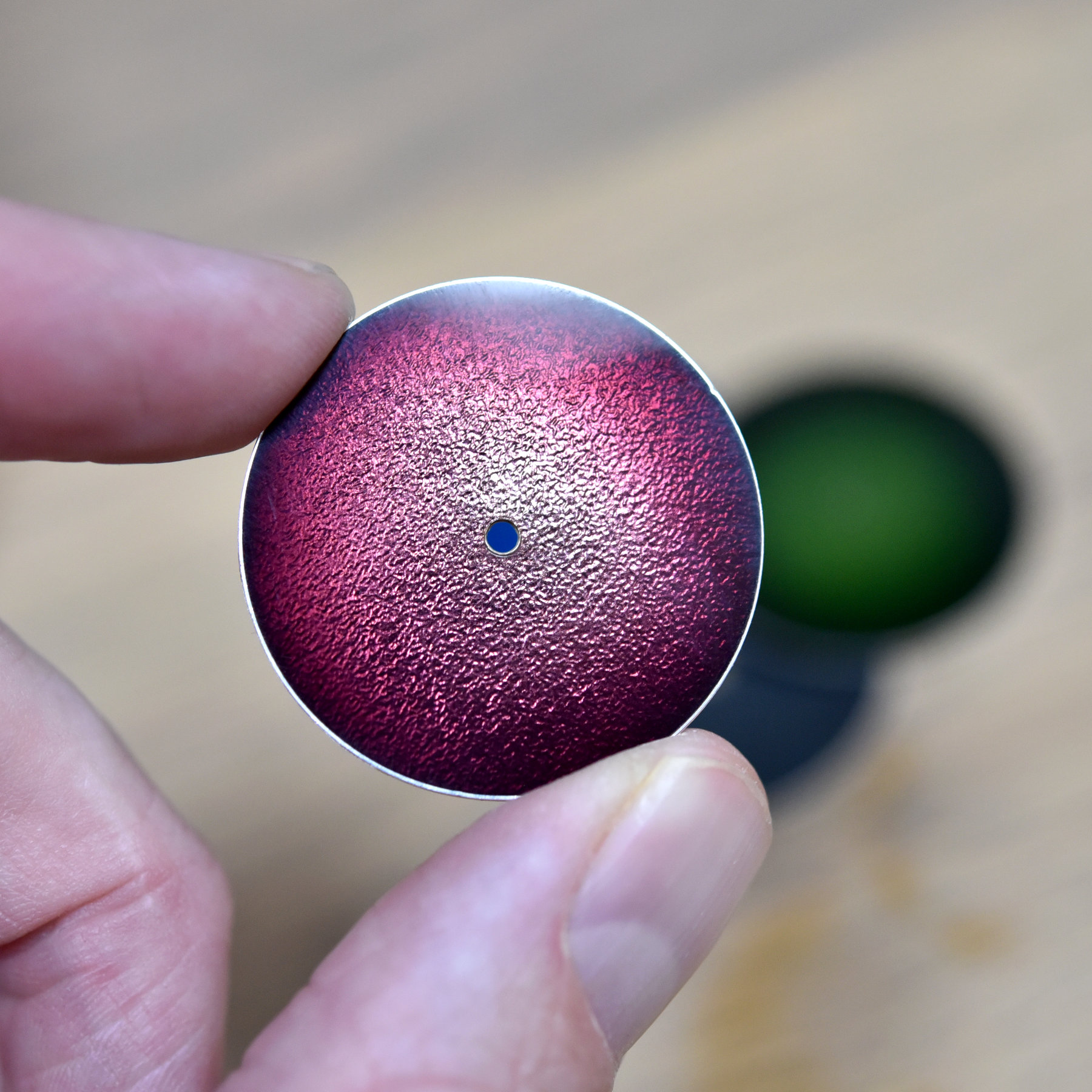
Lewis Heath, founder of independent Scottish watchmaker anOrdain, notes that the appeal of hand-made enamel lies precisely in its imperfections and human signature. "When you rely on extreme heat to fuse glass to metal, the material speaks back to you," Heath explains. "A speck of dust, a fraction of a degree too much heat, and hours of work vanish. But that tension is what gives the finished dial its soul."
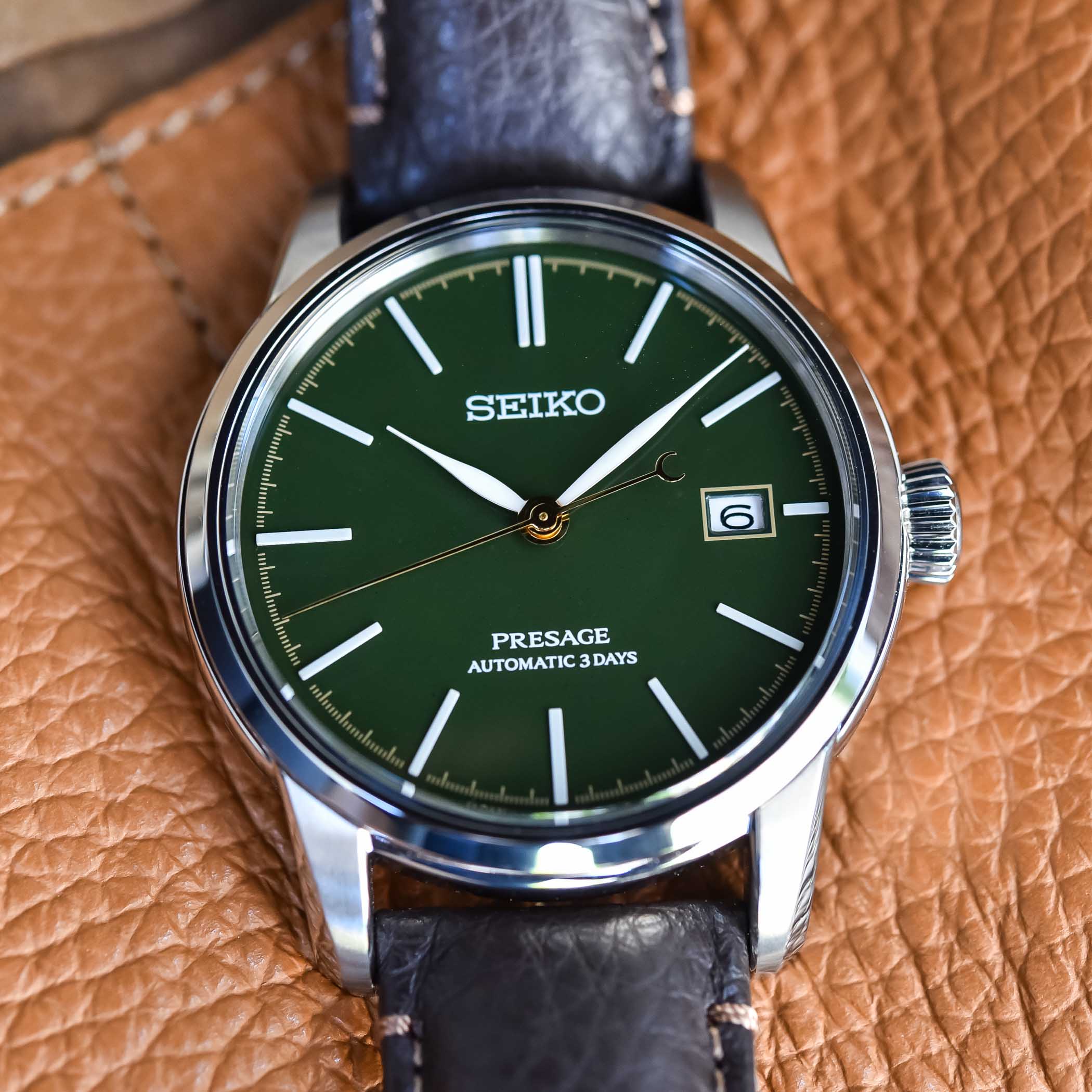
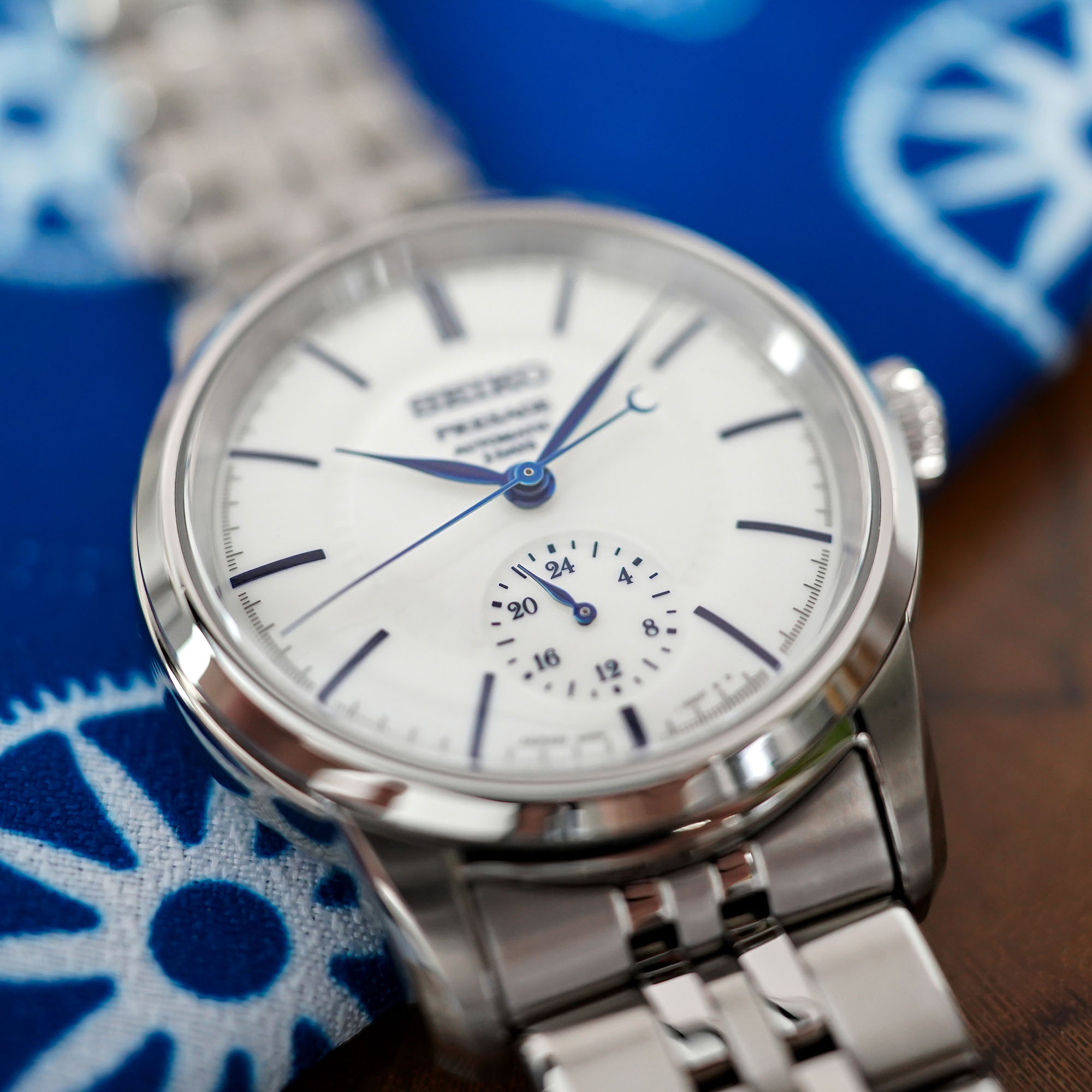
Similarly, historic porcelain producers in Arita, Japan—partnering with brands like Seiko—stress that ceramic shrinkage during the high-heat firing process requires generational expertise. Artisans must calculate exact dimensions before firing, knowing that the clay will warp or crack if the atmospheric conditions within the kiln deviate by even a fraction.
Implications: The Future of Horological Canvases
As the watch industry continues to navigate shifting consumer demands, the philosophy surrounding dial materials is undergoing a profound transformation.
1. The Democratization of Luxury Craftsmanship
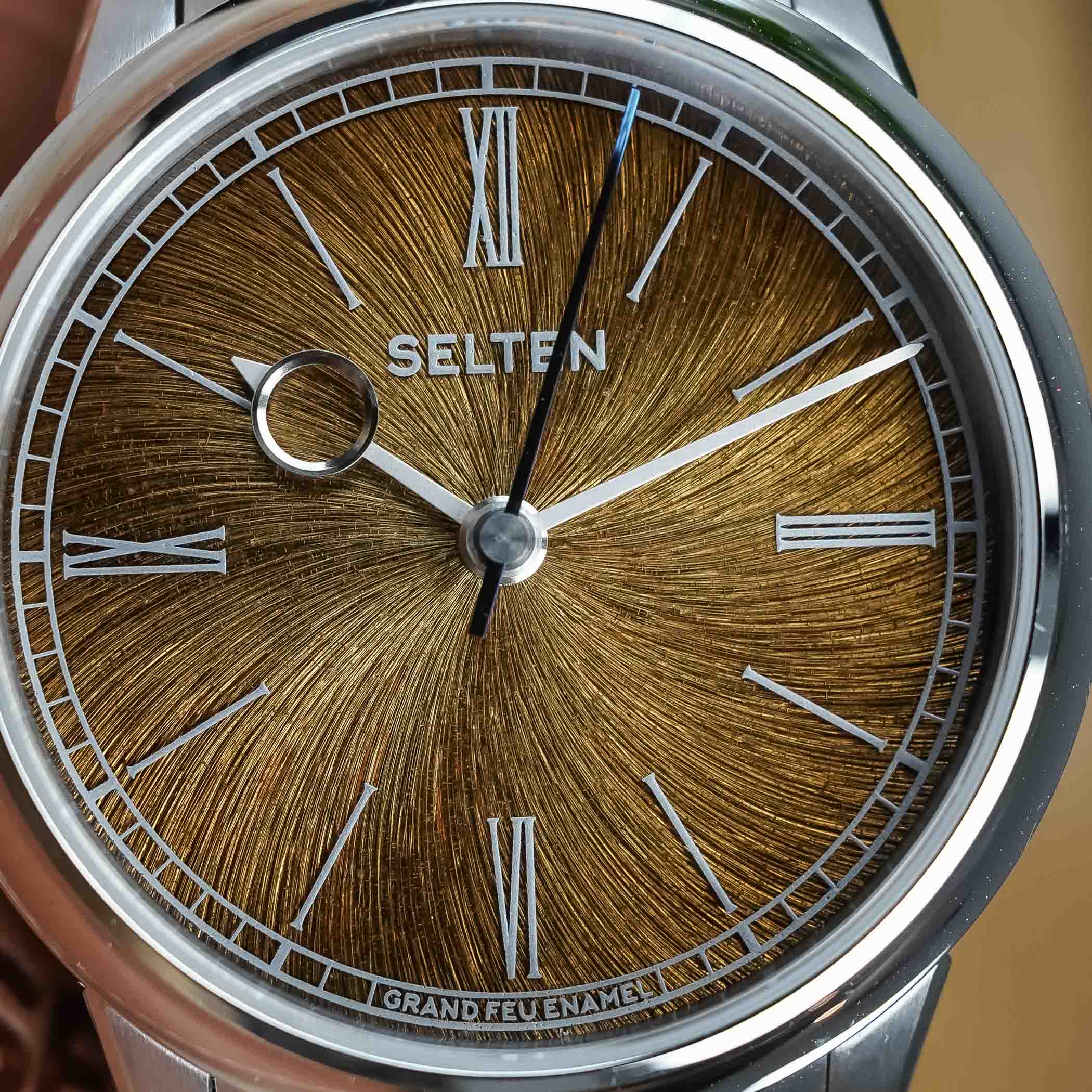
Historically, techniques like cloisonné, grisaille, and paillonné enamel were restricted to ultra-high-end grand complications with price tags well into the six figures. Today, independent microbrands and accessible manufacturers (such as anOrdain, Selten, and Baltic) are utilizing regional artisan networks to offer genuine vitreous enamel and semi-precious stone dials at price points ranging from $1,300 to $2,500. This shift proves that consumers increasingly value tactile, artisanal authenticity over mass-produced stamped dials.
2. Sustainability and Alternative Materials
The integration of recycled materials—such as Oris utilizing recycled PET plastic bottles for its Aquis "Upcycle" dials or Maurice Lacroix using ocean-bound plastics for its AIKON #tide series—signals a broader cultural shift within horology. While traditionalists cling to gold, enamel, and Urushi sap, younger demographics show a growing appetite for eco-conscious innovation that tells a modern story.
3. The Uniqueness Premium
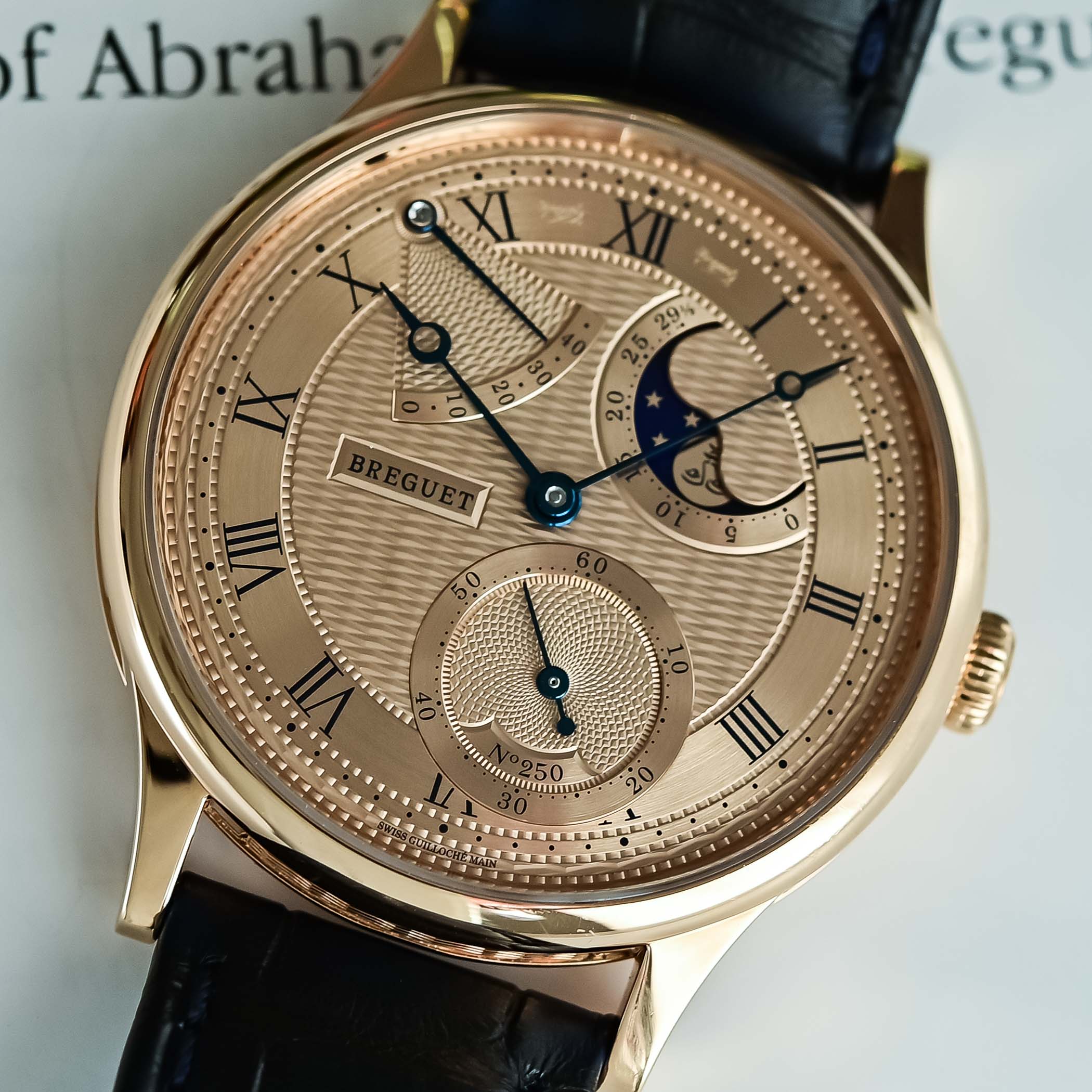
In an era dominated by mass manufacturing, the ultimate luxury is uniqueness. Because materials like meteorite, natural aventurine quartz, lapis lazuli, and mother-of-pearl feature organic graining and crystal structures that cannot be replicated synthetically, no two watches are identical. This inherent individuality ensures that regardless of how advanced automatic calibres become, the dial will forever remain the emotional heart and aesthetic anchor of the wristwatch.