
For decades, the air traveler has been forced to make an impossible choice: the restrictive, stiff silhouette of denim or the unapologetically casual, often disheveled aesthetic of sweatpants. As travel becomes more frequent—and the desire for a seamless transition from the cramped confines of an economy seat to the polished lobby of a five-star hotel becomes the new standard—this binary choice has grown tired.
Enter the rise of the "hybrid" travel garment. Among the most discussed is Rag & Bone’s rb Miramar collection, a viral sensation that promises to bridge the gap between structure and comfort. By utilizing advanced textile printing technology, these garments offer the visual fidelity of authentic designer denim with the tactile experience of high-quality loungewear.
The Main Facts: Defining the “Sweatpant Jean”
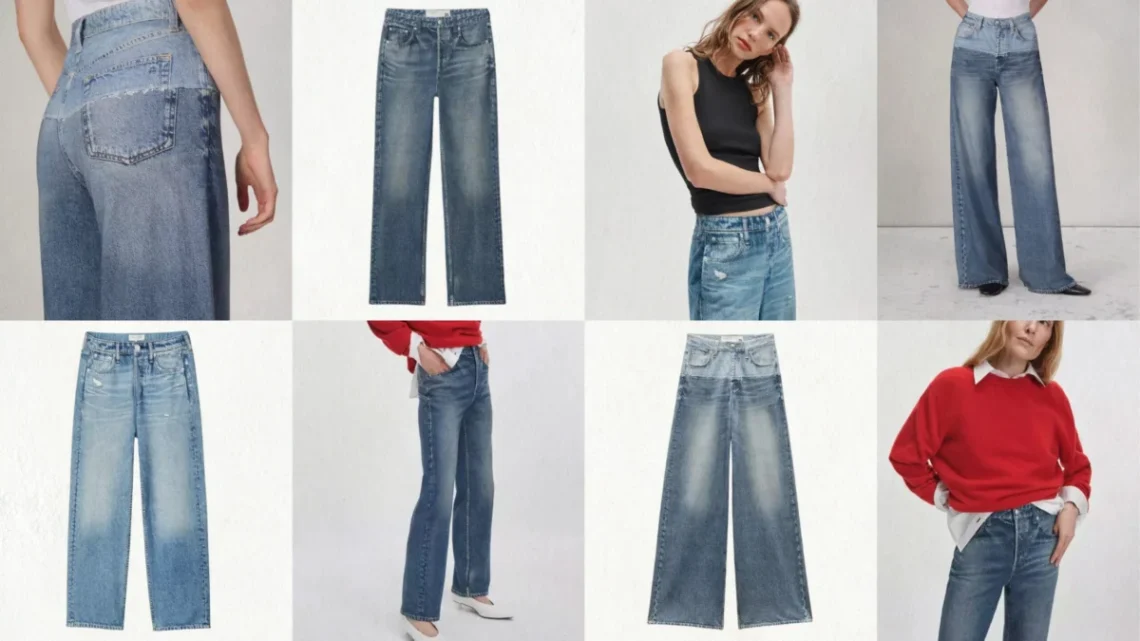
The core appeal of the Rag & Bone rb Miramar line lies in its subversion of expectations. At first glance, the pants—particularly the Shea ankle relaxed straight pant—appear to be a classic, medium-wash denim. They feature what the eye perceives as traditional whiskering, fading, and authentic seam detailing. However, the construction tells a different story.
Constructed from 100% cotton, these pants are essentially terry-cloth sweatpants that have been engineered to mimic the look of high-end denim. They are equipped with fully functional hardware—zippers, buttons, and deep pockets—that ground the illusion. For the modern traveler, this offers a dual advantage: the mental comfort of feeling "put together" for a travel day, and the physical comfort required to navigate long-haul flights, climate shifts, and the rigors of transit.
A Chronology of Discovery: From Rome to the Runway
The surge in popularity for these pants did not happen in a vacuum; it was a byproduct of the evolving demands of the post-pandemic traveler. The journey toward adopting this trend often begins in the field, as seen in the recent experience of frequent travelers.
- The In-Transit Realization: The shift often occurs mid-journey. An observer, struggling with the rigidity of traditional denim on a trans-Atlantic flight, notices a fellow passenger who appears perfectly styled yet relaxed.
- The Trial Phase: Upon returning home, the curiosity leads to a purchase. The rb Miramar collection is tested across various environments—from red-eye flights and cross-country train rides to early morning arrivals where the itinerary demands immediate professional engagement.
- The Expansion: Once the "straight-leg" version proves its utility, users often branch out into the wider, more experimental silhouettes, such as the Sofie wide-leg or the pull-on wide-leg ankle pant, further diversifying their travel wardrobes to suit different destinations and aesthetic preferences.
Supporting Data: Why Functionality Trumps Form
The travel industry has noted a significant uptick in the demand for "multi-functional apparel." According to recent retail trends, travelers are shifting away from specialized travel clothing that looks "technical" or "outdoorsy," preferring pieces that integrate into a standard fashion-forward wardrobe.

The rb Miramar line succeeds by leaning into the following metrics:
- Material Weight: The 100% cotton composition offers a mid-weight feel, making it suitable for both the air-conditioned cabin of a 747 and the warmer climates of a Mediterranean destination.
- Visual Authenticity: By employing high-definition digital printing on soft fabric, the brand avoids the "costume" look often associated with faux-denim products.
- Utility vs. Bulk: Unlike actual denim, which can be heavy and take up valuable space in a carry-on, these sweatpant jeans are packable, wrinkle-resistant, and lightweight.
Official Perspectives: The Design Philosophy
While Rag & Bone has not issued a formal "travel manifesto," the design trajectory of the rb Miramar line reflects a clear corporate strategy: addressing the "active professional" demographic. By maintaining the aesthetic codes of their core luxury denim line while pivoting the material science toward performance fabrics, the brand has tapped into a lucrative intersection of the fashion and travel markets.
Designers note that the "relaxed straight" fit is the most popular iteration because it mimics the current trend of 90s-inspired, comfortable denim, which provides a familiar silhouette for consumers who are hesitant to fully commit to loungewear during public transit.
Implications for the Future of Travel Fashion
The adoption of these "sweatpant jeans" suggests a broader cultural shift. We are moving away from the era of "dressing up for the airport"—a vestige of the mid-20th century—without fully embracing the "pajamas in public" trend. The implications for the traveler are profound:
1. The Death of the "Change of Clothes"
Historically, travelers would pack a change of clothes in their carry-on specifically for arrival. With the rise of hybrid apparel, the necessity to switch from "plane clothes" to "city clothes" is diminishing. If a garment can perform in both arenas, the physical weight of luggage decreases—a critical factor for the minimalist traveler.
2. The Sizing and Fit Dilemma
A significant implication for consumers is the challenge of finding the right fit. As the trend toward looser, more relaxed denim continues, sizing remains a point of friction. Reports indicate that these items tend to run large, both in length and waist.

- The Height Factor: For those 5’4" and under, even the "ankle" length can require professional tailoring.
- The Regular Length: Designed for those 5’5" and taller, the regular cuts are remarkably long, often necessitating heels or significant hemming. This highlights a gap in the market for more inclusive sizing within the luxury travel segment.
3. The Psychology of Travel Comfort
The mental impact of one’s appearance during travel cannot be understated. "Enclothed cognition"—the theory that what we wear affects how we think and feel—suggests that wearing professional-looking clothing can actually boost a traveler’s confidence during stressful experiences, such as customs or hotel check-ins. By providing the aesthetic of denim with the physiological comfort of sweatpants, the rb Miramar line provides a psychological "hack" for the weary traveler.
Navigating the Options: A Consumer Guide
For those looking to integrate these pieces into their travel rotation, the market currently offers three distinct tiers of the rb Miramar aesthetic:
- The Structured Professional (The Shea): Ideal for those who need to walk straight from the terminal into a meeting or a high-end lunch. It offers the most "authentic" denim look.
- The Fashion-Forward (The Sofie): With its unique two-tone design, this is for the traveler who wants to make a statement without sacrificing comfort. It is, however, the most difficult to style due to its exaggerated length.
- The Pure Comfort (The Pull-On): For the "red-eye purist," this version favors the elastic waist over the button-fly look. While it loses some of the "real denim" illusion, it gains significantly in comfort for long-haul sleepers.
Conclusion: The New Uniform of the Modern Nomad
The success of the "sweatpant jean" is more than just a fleeting trend; it is a response to the realities of modern mobility. As we continue to prioritize efficiency and comfort, the garments that survive will be those that refuse to compromise.
Rag & Bone has effectively identified a pain point in the traveler’s journey and solved it with a clever, if slightly expensive, marriage of form and function. While sizing hurdles remain, the trajectory of this style confirms one thing: the future of travel fashion is soft, stretchable, and—at least to the naked eye—indistinguishable from the classic style we’ve always loved. Whether you are navigating the chaotic aisles of an economy cabin or stepping onto the cobblestones of a historic city, the era of choosing between comfort and style is officially coming to a close.