Main Facts
On February 27, 2010, central Chile was struck by a catastrophic 8.8-magnitude earthquake followed immediately by a devastating tsunami. The coastal city of Constitución bore the brunt of this natural disaster, with more than half of its urban area reduced to rubble. Among the community landmarks lost in the catastrophe was the historic Constitución Municipal Theater—a vital cultural hub that had long served as the heartbeat of civic life, artistic expression, and community gathering in the Maule Region.
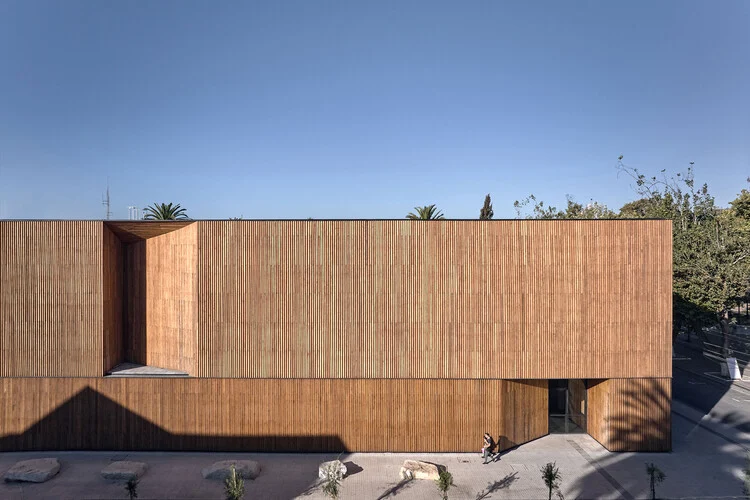
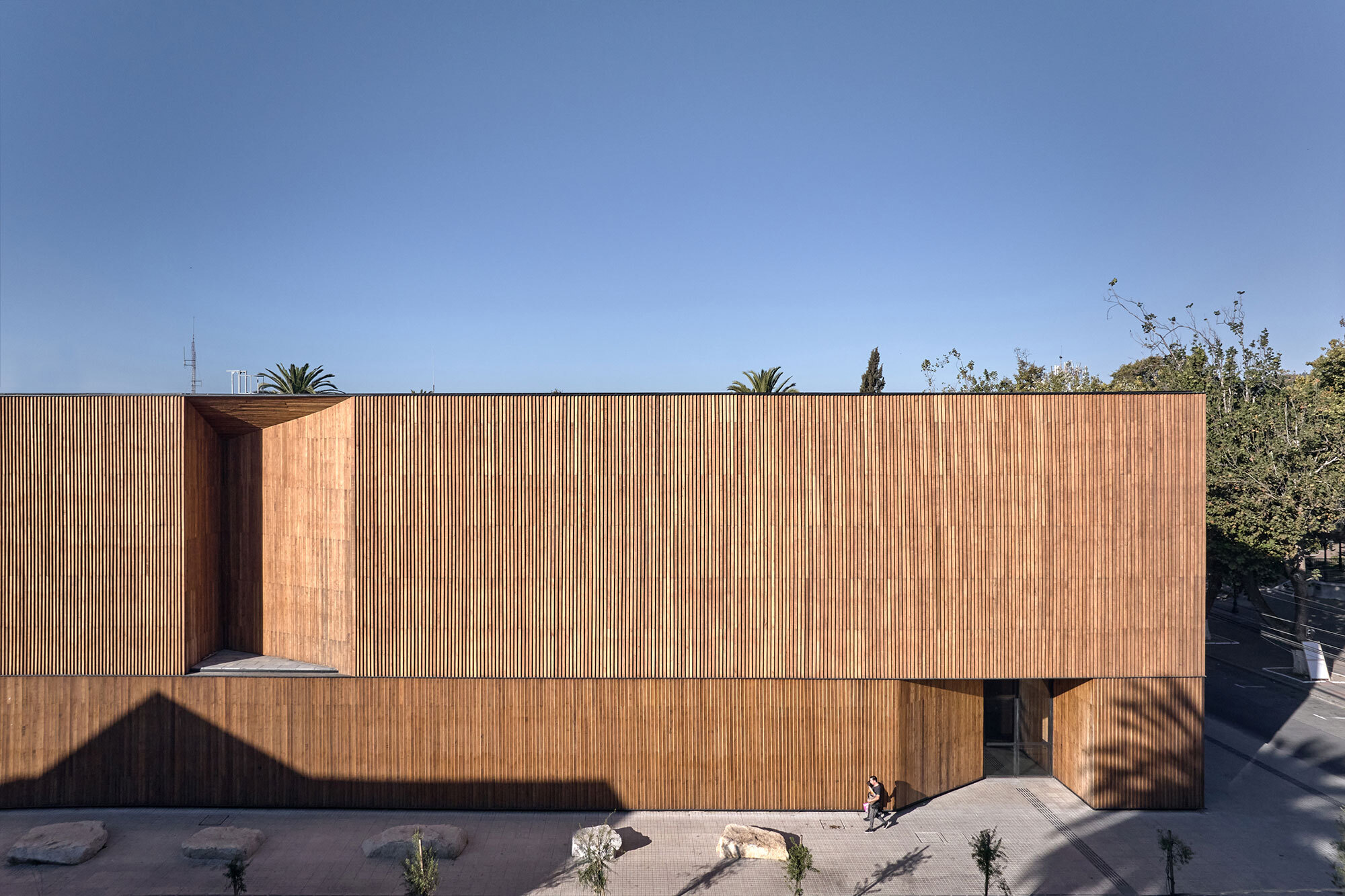
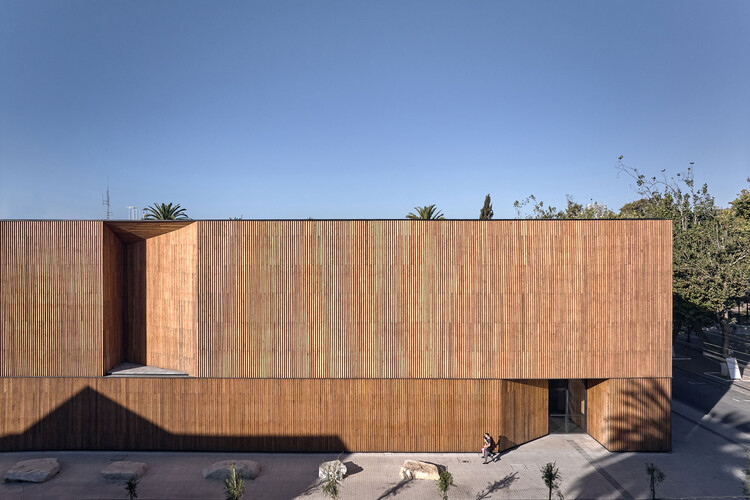
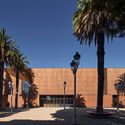
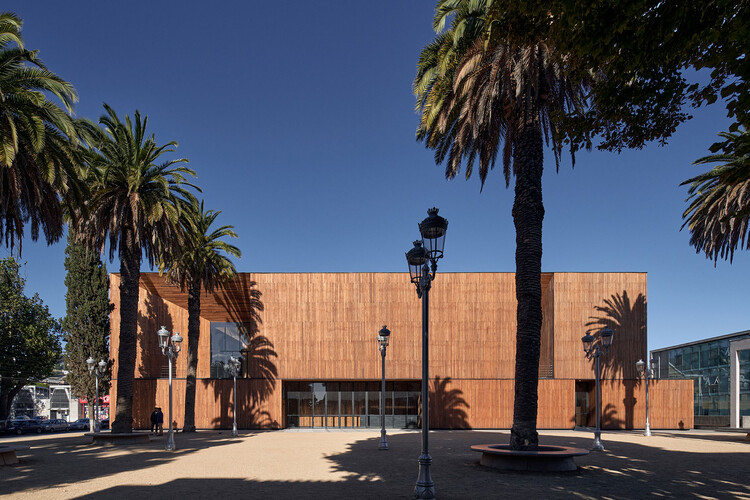
Years later, the renowned architectural firm ELEMENTAL—led by Pritzker Prize-winning architect Alejandro Aravena—undertook the monumental task of rebuilding the theater. The reconstruction project is much more than a structural replacement; it is a masterclass in resilient, community-centered architecture designed to honor the city’s heritage while fortifying it against future environmental shocks. Photographed extensively by Estudio Palma, the newly realized theater stands as a beacon of hope, resilience, and architectural ingenuity. Integrating traditional warmth, particularly through the extensive use of wood, with modern engineering standards, the project addresses the complex socio-cultural and physical demands of a post-disaster urban landscape.
Chronology of Destruction and Renewal
February 27, 2010: The Catalyst
At 3:34 AM local time, the offshore megathrust earthquake ruptured off the coast of Maule, Chile. Lasting for roughly three minutes, the tremor was felt across much of the country and caused severe structural failures. Shortly after, a series of destructive tsunami waves struck coastal settlements. Constitución, positioned at the mouth of the Maule River, suffered massive devastation. Residential zones, commercial districts, and vital civic infrastructure—including the beloved municipal theater—were swept away or structurally compromised beyond repair, leaving a deep psychological scar on the local populace.
The Post-Disaster Planning Phase
In the immediate aftermath, recovery efforts focused on humanitarian aid and emergency housing. However, municipal authorities and national urban planning agencies recognized that rebuilding could not simply replicate the past. A comprehensive reconstruction master plan was initiated for Constitución, aiming to integrate risk mitigation, public space recovery, and economic revitalization. Within this broader framework, the vision for a new municipal theater emerged as a priority project to restore the collective identity and cultural life of the city.
Engagement and Design
ELEMENTAL approached the commission through its signature participatory design methodology. Understanding that public buildings must genuinely serve their communities, the architects engaged local stakeholders, cultural groups, and municipal leaders. The design phase focused on balancing civic grandeur with functional flexibility, ensuring the theater could host everything from large theatrical productions and musical performances to local town halls and community gatherings.
Construction and Completion
The construction phase tested logistical and material boundaries, especially given post-earthquake economic conditions and the requirement for seismic resilience. Utilizing advanced engineering techniques paired with regional materials—most notably local timber—the construction materialized over subsequent years. By the time of its official unveiling and documentation in late 2026, the reconstructed Constitución Municipal Theater stood ready to reassert its role as a cornerstone of southern Pacific cultural infrastructure.
Supporting Data and Technical Insights
- Date of Natural Disaster: February 27, 2010
- Earthquake Magnitude: 8.8 Richter scale, followed by a tsunami
- Extent of Damage: Over 50% of the city of Constitución destroyed
- Architectural Firm: ELEMENTAL
- Primary Photography: Estudio Palma
- Location: Constitución, Maule Region, Chile
- Material Palette: Heavy emphasis on structural and finish timber, reinforcing local forestry traditions while ensuring ductile seismic performance.
- Typology: Cultural Infrastructure / Municipal Theater / Public Architecture
Official Responses and Stakeholder Perspectives
The reconstruction of the Constitución Municipal Theater has drawn widespread acclaim from urban planners, cultural critics, and government officials alike.
Local municipal leaders have consistently emphasized the psychological importance of the project. While housing and infrastructure are essential for physical survival, public spaces and cultural venues are vital for emotional and social recovery. City officials noted during preliminary openings that the theater represents "the soul of Constitución returning to life," emphasizing that the building bridges the gap between historical memory and modern urban resilience.
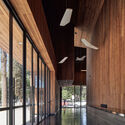
ELEMENTAL’s design philosophy has always championed incremental growth, participatory design, and high-impact structural interventions that address social inequality and vulnerability. Speaking on post-disaster reconstruction projects, the firm has frequently noted that building back better does not mean imposing foreign, high-tech solutions. Instead, it involves listening closely to the community’s needs and leveraging local materials and labor to foster a profound sense of ownership. Architects from the studio highlighted that utilizing wood in the theater’s construction was a deliberate choice to connect with the region’s strong forestry identity, while simultaneously providing the acoustic warmth and structural flexibility required for a modern performing arts venue.
Cultural organizations and performing artists in the Maule Region have equally praised the project, noting that the absence of a proper municipal theater created a multi-year void in local artistic development. The new facility provides a professional-grade platform for regional and national acts, revitalizing the local creative economy.
Wider Implications for Post-Disaster Architecture
The reconstruction of the Constitución Municipal Theater by ELEMENTAL transcends its immediate geographic footprint, offering crucial lessons for global architecture in an era marked by climate change and increasing natural disasters.
1. Culture as an Essential Pillar of Recovery
Traditional disaster relief models prioritize shelter, sanitation, and economic lifelines, frequently sidelining cultural infrastructure as secondary. However, the Constitución project underscores that cultural spaces are fundamental to community resilience. By restoring a shared venue for gathering, storytelling, and artistic expression, the project helped heal the social fabric of a traumatized city.
2. Material Authenticity and Regional Identity
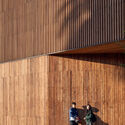
In an era dominated by globalized steel-and-glass construction, ELEMENTAL’s choice to anchor the municipal theater in wood highlights the importance of regional identity. Timber not only aligns with the local economy and architectural tradition of central-southern Chile, but it also offers excellent carbon-sequestration benefits and seismic adaptability when engineered correctly. This approach sets a precedent for sustainable, context-aware reconstruction.
3. Participatory Urbanism in Crisis Management
ELEMENTAL’s enduring legacy lies in its refusal to practice top-down, authoritarian architecture. By embedding community consultation into the reconstruction timeline, the firm ensured that the final building genuinely reflects the aspirations of the people it serves. This methodology serves as a vital blueprint for urbanists worldwide facing the daunting task of rebuilding cities shattered by climate catastrophes and tectonic shifts.
Ultimately, the new Constitución Municipal Theater is much more than a stage for performances. It is a testament to human resilience, a masterwork of modern Chilean architecture, and a enduring symbol of a community that refused to be washed away.