In an era defined by constant connectivity and the relentless hum of urban life, the pursuit of the "perfect" weekend getaway has become something of a holy grail for the exhausted city dweller. For those living in the dense, vibrating sprawl of London, the criteria for a restorative break are often stringent: privacy is paramount, silence is a luxury, and proximity to nature is non-negotiable.
Following a grueling start to the year, the search for a sanctuary led to the realization that the ideal escape wasn’t to be found in a high-end, sterile hotel chain, but rather in the intimate, history-steeped embrace of a 16th-century thatched cottage. Nestled in the quintessential village of Adderbury in the Cotswolds, "Strawtop Cottages" represent a masterclass in modern hospitality—a seamless blend of ancient architecture and contemporary, "quiet luxury" design that serves as a vital blueprint for the future of the short-term rental market.
The Anatomy of the Perfect Retreat
The decision to retreat to the Cotswolds was not merely a matter of geography; it was an exercise in curation. The requirements were clear: a location within a two-hour drive from northwest London, total auditory seclusion from neighbors and transit, and a self-sufficient space that allowed for complete social withdrawal while maintaining access to the refined culinary landscape for which the region is famous.
Strawtop Cottages, a pair of side-by-side Grade II-listed structures, emerged as the solution. Owned by content creator Josie Irons and managed by her husband, Charlie, these cottages provide a compelling case study in how heritage properties can be preserved without sacrificing the creature comforts required by the modern, discerning traveler.

A Chronology of Rejuvenation: The Weekend Itinerary
Friday: The Arrival
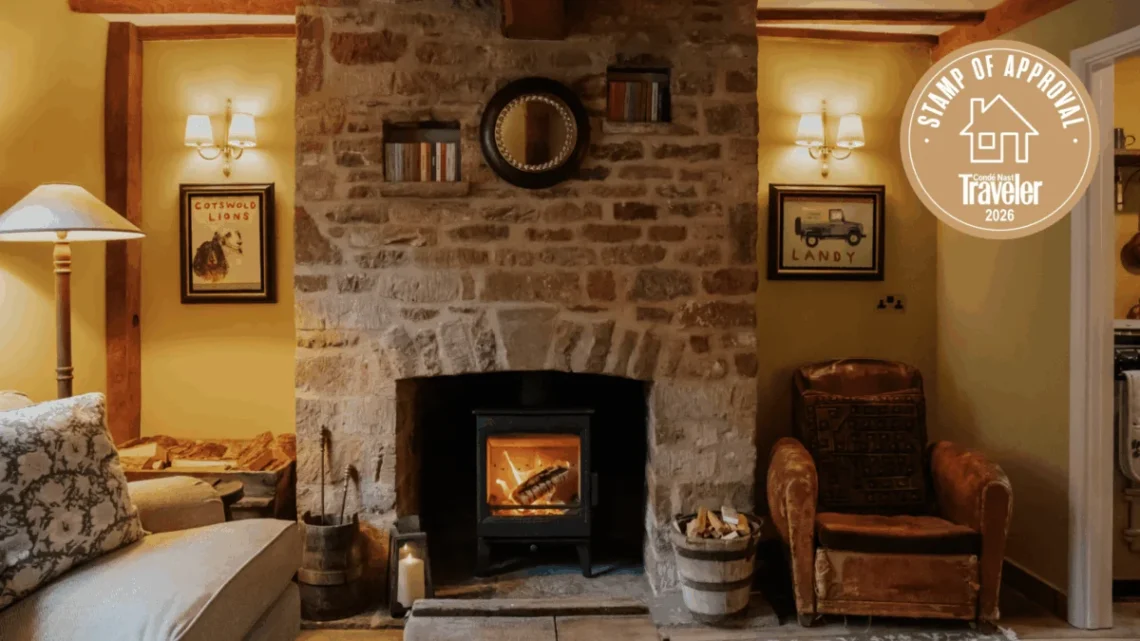
The transition from London’s concrete environment to the thatched serenity of Adderbury was immediate. Upon arrival on a Friday evening, the cottage—specifically "Strawtop Two"—did not feel like a cold, impersonal rental. It felt like a home that had been thoughtfully prepared for a guest. The lighting was ambient and warm, the wood-burning fireplace was primed with kindling, and the kitchen was stocked with an artisanal larder: a fresh sourdough loaf, organic eggs, Daylesford butter, and a bottle of chilled rosé.
The attention to detail was immediate, from the boot room stocked with Barbour jackets and Wellies—a necessary insurance policy against the unpredictable April weather—to the sun-drenched dining room with floor-to-ceiling windows overlooking the garden.
Saturday: Culinary Discovery
Saturday morning began with a slow, sensory experience: the smell of fresh coffee and the gentle background noise of a Roberts Radio. The decision to relinquish the role of "researcher" and rely entirely on the recommendations provided by the host, Charlie Irons, proved to be a stroke of brilliance.
Lunch at The Yurt at Nicholsons provided a masterclass in rustic-chic dining, featuring a standout menu of camembert croissants and pork belly-infused full English breakfasts. By evening, a reservation at The Norman Knight offered a refined take on British classics, specifically a perfectly executed steak frites that felt like a secret local treasure.

Sunday: The Slow Departure
Sunday was dedicated to the art of doing nothing. The morning was spent in a state of deliberate hibernation, utilizing the cottage’s deep-green rainfall shower, reading by the stone chimney, and enjoying the stillness that is so rarely found in city living. The weekend concluded with a Sunday roast at The Duke of Cumberland’s Head, rounding out a trip that felt less like a vacation and more like a total system reset.
Supporting Data: Why "Quiet Luxury" is Trending
The success of Strawtop Cottages is not an anomaly; it reflects a broader shift in the travel industry. According to recent hospitality market analysis, there is a marked preference among affluent travelers for "experiential" and "heritage" stays.
- Heritage Preservation: Grade II-listed properties are seeing a surge in demand, as guests value the authenticity of 16th-century beams and stone walls over the uniformity of modern construction.
- Concierge-Style Hosting: The role of the host is evolving. Guests are increasingly looking for a "de facto concierge" experience—hosts who provide curated, vetted lists of local dining and activities, reducing the "decision fatigue" that often plagues weekend travelers.
- The "Home-Plus" Aesthetic: Amenities that mimic the luxury of a five-star hotel—such as Dyson hairdryers, Steamery steamers, high-end skincare products (Bamford), and luxury linens—are now standard expectations for high-end short-term rentals.
The Vision: A Conversation with the Hosts
The restoration of the Strawtop Cottages was a labor of love for the Irons family. By acting as custodians of these centuries-old structures, they have navigated the delicate balance between preservation and modernization.
"The goal," says Charlie Irons, reflecting on the management of the properties, "is to ensure the guest feels the history of the walls while never feeling the cold or the inconvenience of an old building."

This ethos is evident in every corner of the property. The renovations have been meticulous, ensuring that the original character remains the focal point while the "cosseting" touches—blackout blinds, superior bedding, and intuitive layout design—provide the necessary comfort to satisfy the modern guest’s need for deep, uninterrupted sleep.
Implications for the Future of Staycations
The popularity of destinations like Adderbury and properties like Strawtop Cottages suggests several key implications for the travel and real estate sectors:
- The Rise of the "Micro-Region": Travelers are moving away from major tourist hubs and toward "micro-regions"—small villages that offer high-quality amenities without the foot traffic of major cities.
- Sustainability in Hospitality: By repurposing existing, historical structures rather than building new ones, property owners are tapping into a more sustainable model of tourism that appeals to eco-conscious consumers.
- The Premium on Silence: Silence has become a luxury commodity. Properties that offer acoustic isolation and "dark" sleeping environments are increasingly able to command premium nightly rates, as the market places a higher value on wellness and sleep quality.
Conclusion: A Blueprint for the Modern Escape
As the trip to the Cotswolds came to a close, the lingering feeling was one of profound relief. The cottages provided exactly what was promised: a quiet, luxurious, and, above all, seamless experience. For those looking to replicate this success in their own property investments or simply seeking the next great escape, the lesson is clear: the most effective luxury is not found in grand gestures, but in the thoughtful curation of the small, daily moments.
Whether it is the quality of the bedding, the local knowledge of the host, or the preservation of the architectural narrative, the future of travel lies in these quiet, deliberate, and deeply restorative spaces. As for the next escape? The booking for the cottage next door is already being considered—a testament to the fact that when a place feels this right, there is no need to look any further.