MODENA, Italy — Maserati is gearing up to pull back the curtain on a critical new chapter in its illustrious history. According to a fresh wave of industry reports originating from The Supercar Blog, the storied Italian luxury and performance marque is preparing to unveil two groundbreaking concept vehicles on December 10. Hosted at the brand’s historic headquarters in Modena, Italy, the twin debuts are intended to serve as the physical manifestation of a brand-new design direction, while previewing the next-generation iterations of two of the trident badge’s most familiar and influential nameplates: the Levante SUV and the Quattroporte luxury flagship.
While corporate representatives have yet to officially confirm the specific timing or venue of the December event, the reported roadmap aligns seamlessly with recent strategic hints dropped by top-tier executives within both Maserati and its parent conglomerate, Stellantis. As the automaker navigates an increasingly complex global luxury market marked by electrification, shifting consumer preferences, and fierce competition, these upcoming concepts are expected to lay down a definitive marker for the brand’s future styling and engineering ethos.
Main Facts: A Bold Vision for the Trident’s Future
At the core of this upcoming December showcase is a dual strategy aimed at revitalizing two crucial segments for Maserati. The first concept will preview the next-generation Levante, breathing fresh life into a vehicle that was once the brand’s undisputed volume leader in the high-performance luxury SUV space. The second concept will tackle the Quattroporte, a nameplate deeply woven into the fabric of Italian automotive history. However, whispers from company leadership indicate that the traditional luxury sedan configuration may be discarded entirely in favor of something far more avant-garde.
- The Venue: Modena, Italy—the spiritual and physical home of Maserati, offering a poignant backdrop for a brand attempting to rediscover its high-performance mojo.
- The Objectives: Establish a fresh global design language, signal the next generation of Maserati’s vehicle architecture, and reaffirm the company’s commitment to competing at the absolute pinnacle of the luxury sector.
- The Stakes: Coming off recent shifts in product lifecycles and broader market headwinds within Stellantis, these concepts represent a vital blueprint for the brand’s long-term commercial viability and design identity.
Chronology: The Rise, Fall, and Rebirth of Key Nameplates
To understand the significance of Maserati’s December 10 event, one must trace the timeline of the vehicles slated for revival and the strategic decisions that brought the brand to this pivotal juncture.
The Levante Era (2016–2024)
When Maserati introduced the Levante in 2016, it marked a monumental shift for a company historically synonymous with low-slung grand tourers and exotic sports cars. Entering the hyper-competitive E-segment SUV category, the Levante was tasked with taking direct aim at established heavyweights like the Porsche Cayenne, the BMW X5, and the Mercedes-Benz GLE.
Armed with Ferrari-derived engines and unmistakable Italian styling, the Levante initially enjoyed robust demand, quickly becoming the primary financial engine for the brand. However, as the automotive landscape rapidly evolved—and as the vehicle aged without a major ground-up redesign—sales gradually tapered off. Production quietly wrapped up in 2024, leaving a notable void in Maserati’s lineup.
The Quattroporte’s Long Legacy and 2023 Sunset
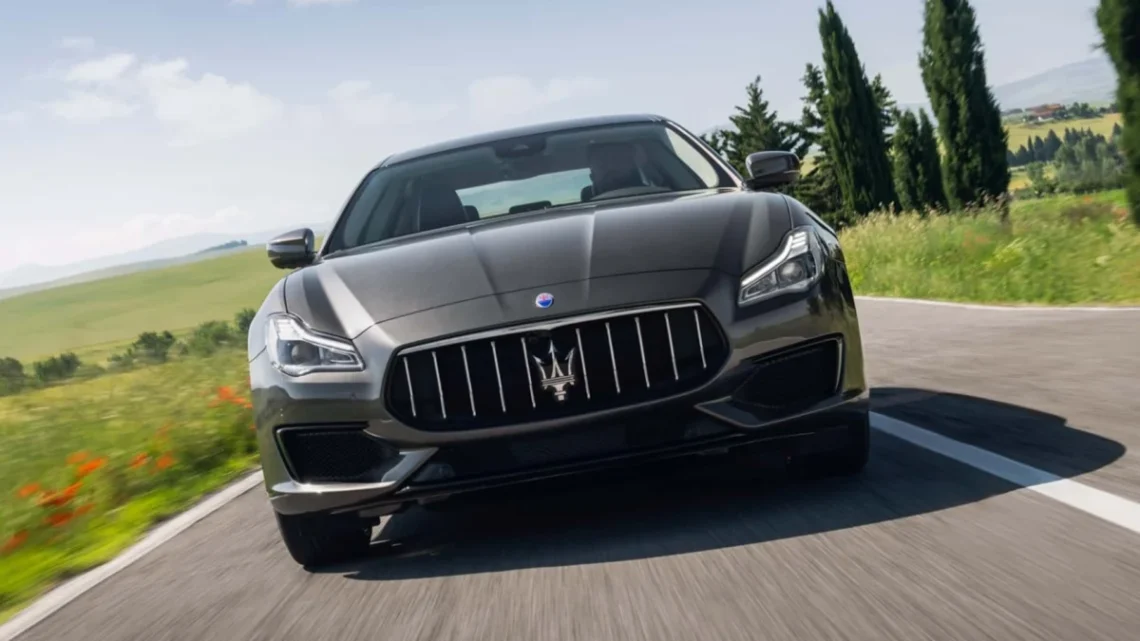
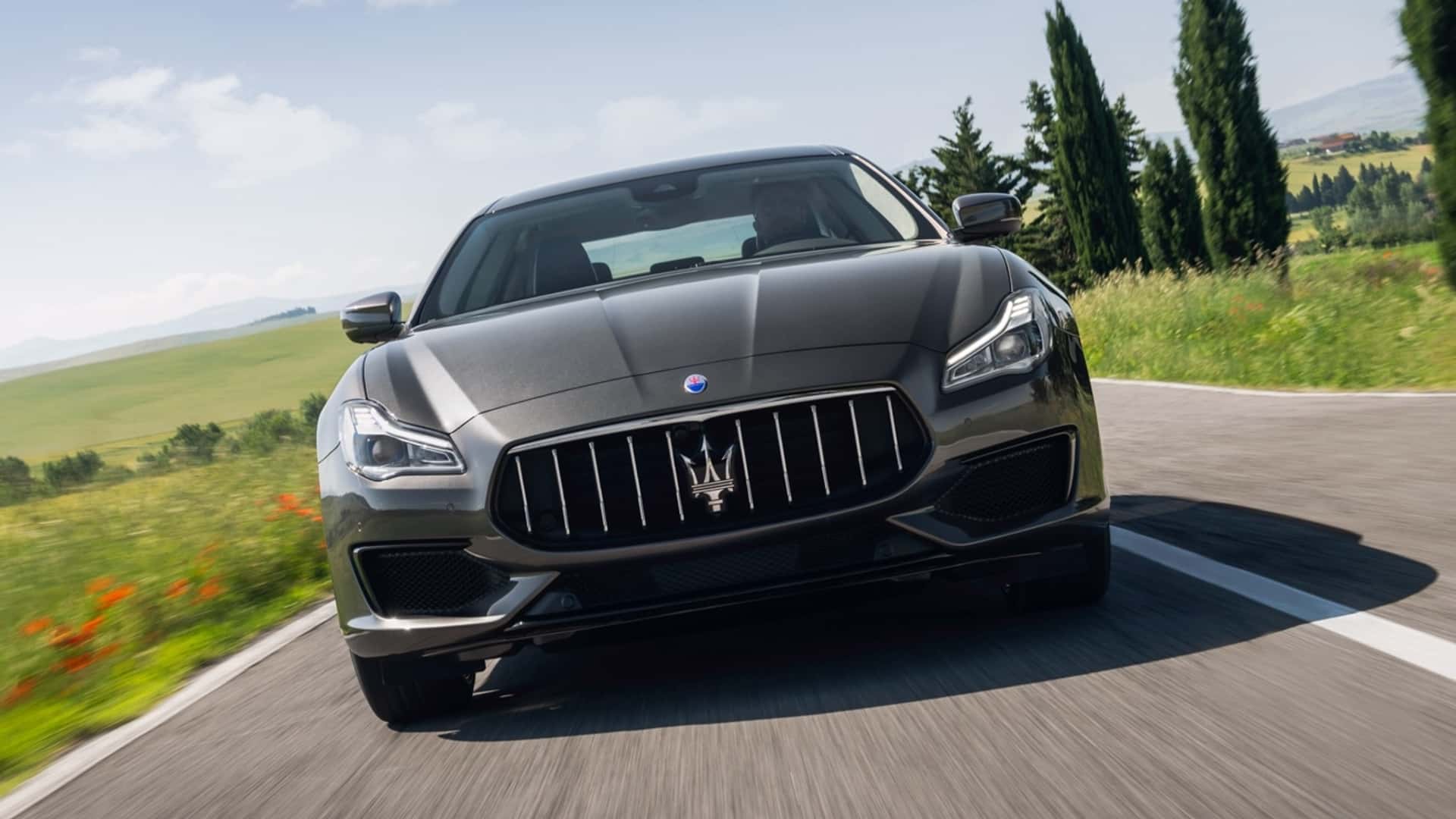
The Quattroporte nameplate carries even more historical weight, having debuted in its original form back in 1963 as a pioneering high-speed luxury sedan. Across six generations, it became the quintessential transport for executives, dignitaries, and enthusiasts who demanded sports-car dynamics wrapped in a sophisticated four-door package. Nevertheless, shifting global buying habits favoring SUVs and crossovers severely impacted large sedan sales. Production of the sixth-generation Quattroporte officially ended in 2023, leaving enthusiasts wondering if the iconic badge would ever return.
The Pivot Under Santo Ficili
The turnaround plan gained serious momentum following leadership restructuring within Stellantis and Maserati. Under the guidance of Maserati CEO Santo Ficili, the company began aggressively re-evaluating its product roadmap. Rather than abandoning these storied nameplates to history, Ficili and his executive team recognized the enduring equity attached to both the Levante and Quattroporte identifiers. The upcoming December concepts are the culmination of this internal strategic pivot, moving from boardroom discussions to tangible design statements.
Supporting Data: Navigating the Competitive Landscape
Maserati’s return to the E-segment SUV arena and the upper echelon of luxury transport comes at a fascinating time for the global automotive industry. Examining current market metrics and historical sales trajectories illuminates the challenges and opportunities facing the brand.
| Vehicle Nameplate | Original Launch Year | Production End Year | Primary Competitors | Target Market Segment |
|---|---|---|---|---|
| Maserati Levante | 2016 | 2024 | Porsche Cayenne, BMW X5, Mercedes-Benz GLE | E-Segment Luxury SUV |
| Maserati Quattroporte | 1963 (Gen 6: 2013) | 2023 | Porsche Panamera, Mercedes-Benz S-Class, BMW 7 Series | Full-Size Luxury / Executive |
The E-Segment SUV Battlefield
The mid-to-large luxury SUV sector remains one of the most lucrative yet cutthroat segments in the automotive world. When the original Levante competed against the Porsche Cayenne, it relied heavily on emotional appeal, exhaust note acoustics, and exclusivity. However, modern buyers in this category increasingly demand cutting-edge digital cockpits, state-of-the-art driver assistance systems, and highly efficient electrified or fully battery-electric (BEV) powertrains.
For the next-generation Levante to succeed where its predecessor eventually stalled, Maserati must balance its traditional emotional allure with the hard-nosed technological expectations of contemporary luxury consumers. The upcoming concept will likely provide the first concrete clues as to how Maserati plans to bridge this gap.
Official Responses and Executive Vision
While official press releases regarding the December 10 event remain tightly under wraps, recent commentary from corporate leadership paints a vivid picture of what to expect.
Maserati CEO Santo Ficili has been particularly vocal about the brand’s future trajectory, challenging conventional automotive wisdom—especially when it comes to the storied Quattroporte name. In recent statements addressing the future of Maserati’s sedan lineup, Ficili made it unequivocally clear that the next iteration may break radically from tradition.
"The future Quattroporte in my mind is not a sedan," Ficili noted in previous discussions regarding product strategy.
Instead of a traditional three-box, four-door luxury sedan layout, Ficili has leaned toward a much more daring silhouette. He envisions a vehicle that blurs the lines between a traditional shooting brake and an athletic crossover—describing it essentially as a "very low, big car." This philosophy suggests that Maserati is willing to risk convention to capture buyers who have migrated away from classic sedans toward sleeker, more versatile multi-segment vehicles.
Furthermore, Stellantis leadership has consistently reiterated its unwavering commitment to the Trident brand amid industry-wide speculation. Following explicit assertions from top Stellantis executives that "Maserati is not for sale," the parent company has thrown its financial and engineering weight behind ensuring that Maserati retains its unique identity as the crown jewel of the Italian automotive stable.
Implications: What the December Debut Means for the Brand’s Future
The unveiling of these two concepts in Modena on December 10 carries profound implications not just for Maserati, but for the broader Italian automotive manufacturing ecosystem.
1. Defining a New Design Vocabulary
For the past several years, Maserati has been in a period of transition, rolling out impressive performance machines like the MC20 supercar and the GT2 Stradale. However, its core high-volume vehicles have either aged out or been retired. The December concepts will establish a unified design language that will govern the next generation of Maserati’s larger vehicles, ensuring a cohesive family resemblance across both SUVs and grand tourers.
2. Embracing Unconventional Body Styles
By hinting that the next Quattroporte may abandon the traditional sedan format in favor of a low-slung, shooting-brake-crossover hybrid, Maserati is demonstrating a willingness to pioneer new automotive niches. If the concept resonates well with the public and automotive critics, it could successfully reinvent the full-size luxury segment, proving that high-end performance vehicles do not need to adhere to tired, legacy body styles to command attention.
3. Reasserting Italian Craftsmanship and Independence
Hosting the reveal in Modena underscores Maserati’s deep-rooted pride in its heritage. At a time when many legacy automakers are homogenizing their global design and production footprints, Maserati is doubling down on its Italian identity. By pairing aggressive styling visions for the Levante and Quattroporte with the unwavering financial backing of Stellantis, the brand is signaling to the market that it is ready to write a bold, confident, and enduring next chapter.
As December 10 approaches, all eyes in the automotive world will turn toward Modena to see whether Maserati’s visionary concepts can recapture the magic, emotion, and market relevance that have defined the Trident for over a century.