WASHINGTON — As Chinese automotive brands aggressively capture market share across Europe, a powerful coalition of legacy automakers and industry stakeholders in the United States is taking preemptive defensive measures. The Alliance for Automotive Innovation has officially urged U.S. lawmakers to enact binding federal legislation that would permanently bar Chinese-manufactured vehicles from ever entering the American automotive market.
While the current regulatory landscape already places immense hurdles in the path of Chinese automakers—including a steep 100 percent tariff on electric vehicles (EVs) alongside stringent national security and data privacy restrictions—industry leaders argue that temporary executive policies are insufficient. They want Congress to codify a permanent prohibition, citing a compounding mix of unfair trade practices, state-backed economic advantages, and escalating national security vulnerabilities tied to modern connected vehicle architecture.
Main Facts: The Current State of the U.S.–China Automotive Divide
The geopolitical and commercial standoff between domestic American automotive interests and China’s rapidly expanding manufacturing sector is reaching a boiling point. The core elements of the current debate center on several critical pillars:
- The Proposed Permanent Ban: The Alliance for Automotive Innovation, representing major domestic and international car manufacturers and parts suppliers in the U.S., is actively lobbying Congress to pass permanent legislation banning Chinese vehicles.
- Existing Barriers: Currently, Chinese EVs face a prohibitive 100 percent import tariff enacted to protect domestic manufacturing. Furthermore, regulatory frameworks explicitly forbid the sale of connected vehicles from high-risk foreign adversaries due to data harvesting and national security concerns.
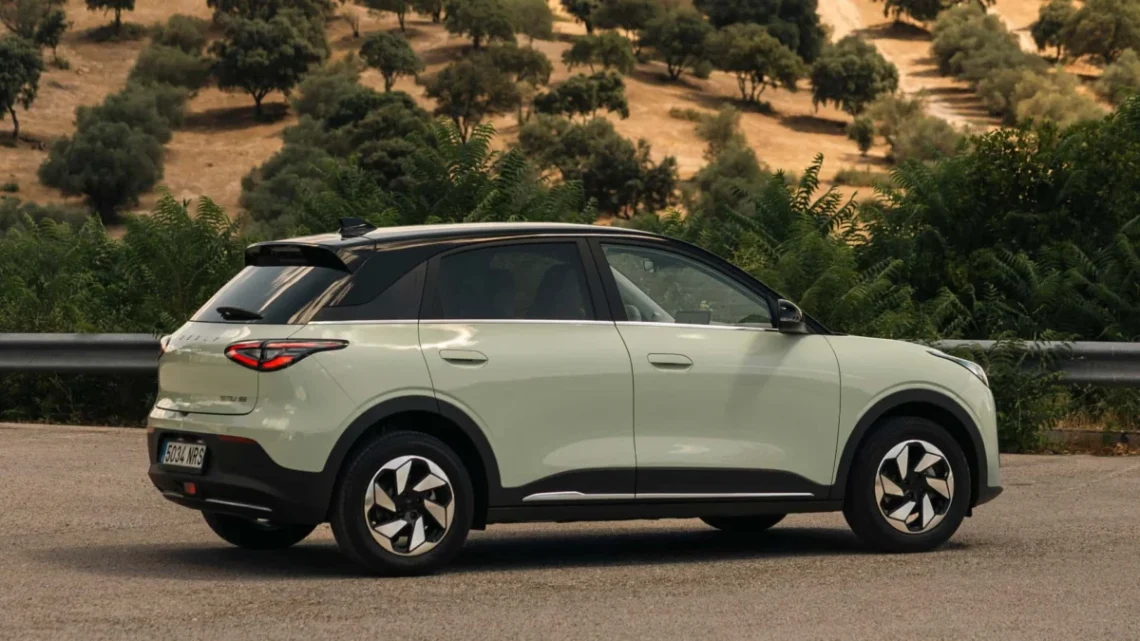
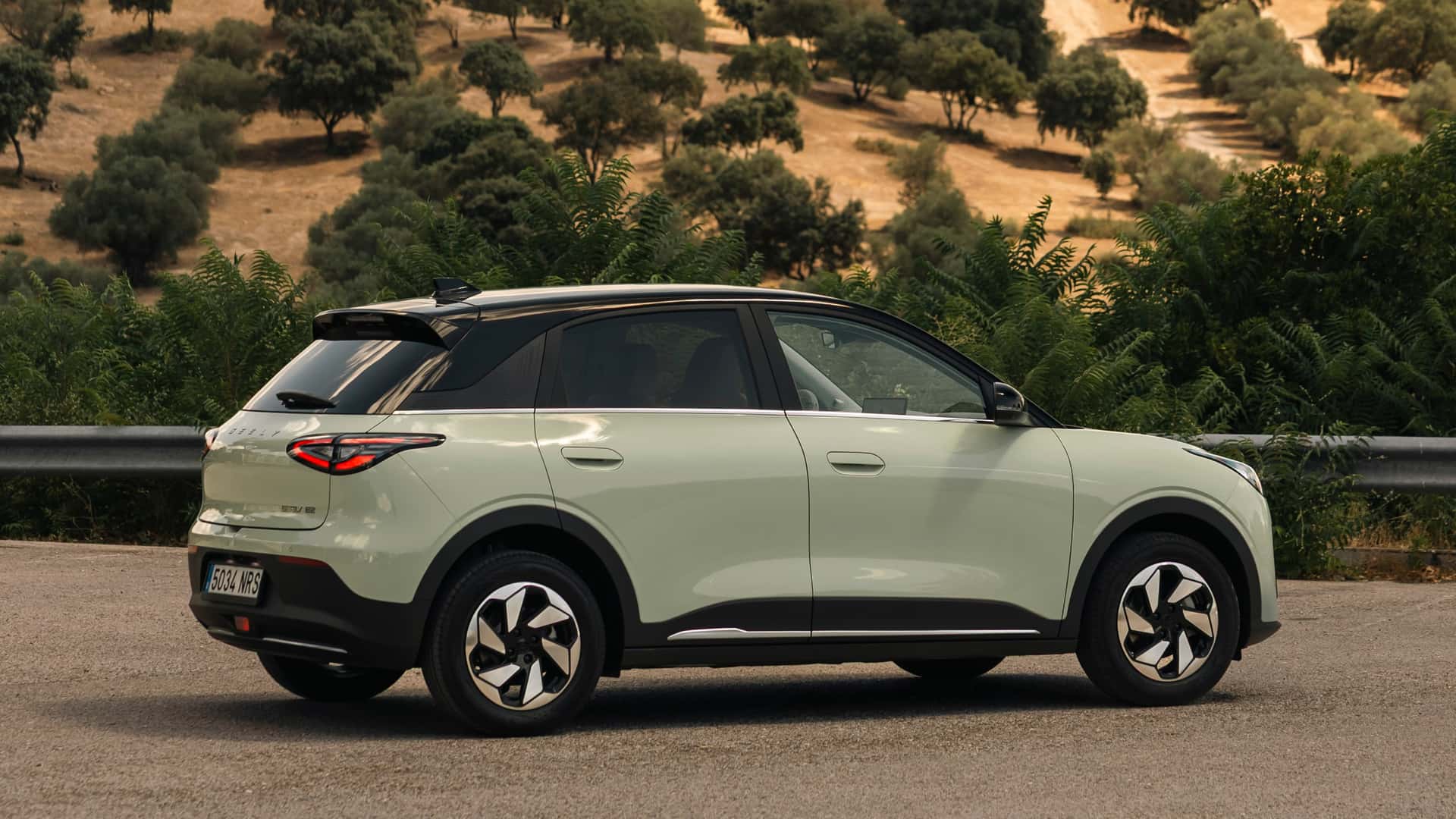
- The European Precedent: Industry executives point to the European Union as a cautionary tale. Throughout 2026, European consumers have purchased well over a million Chinese-built vehicles, demonstrating how rapidly these brands can scale outside their domestic borders.
- Economic Pressures vs. Consumer Demands: While American automakers fear being undercut by inexpensive, highly advanced foreign competition, cash-strapped U.S. car buyers are increasingly searching for affordable alternatives amid stubbornly high vehicle prices.
Chronology: How the Threat of Chinese EVs Escalated in the West
The push for a permanent legislative ban is the culmination of years of rapid technological development, aggressive global expansion, and reactionary trade policy.
Phase 1: China’s Domestic EV Boom (Late 2010s–Early 2020s)
Backed by heavy state subsidies, strategic supply chain monopolies on raw battery materials (such as lithium, cobalt, and graphite), and intense domestic competition, Chinese automakers like BYD, Geely, and Nio rapidly evolved. They shifted from producing rudimentary low-cost commuter cars to engineering world-class, tech-laden electric vehicles that rivaled—and often surpassed—Western offerings in battery efficiency and digital integration.
Phase 2: The European Influx (2023–2025)
As Chinese manufacturing capacity vastly outpaced domestic demand, automakers turned their sights outward. Europe became the primary testing ground. With fewer protectionist barriers initially in place compared to the United States, Chinese brands established distribution networks, slashed prices, and secured significant footholds in key European markets. By early 2026, European car shoppers had purchased more than one million Chinese vehicles year-to-date, alarming legacy European and American executives alike.
Phase 3: U.S. Defensive Posturing (2024–2025)
Recognizing the impending threat, the U.S. government implemented severe defensive measures. The Biden administration slapped a 100 percent tariff on Chinese EVs, effectively pricing them out of the American market. Concurrently, the Department of Commerce initiated investigations into connected vehicle software and hardware originating from China, citing grave risks regarding
the collection and transmission of sensitive infrastructure and personal data.
Phase 4: The Push for Permanence (Late 2026)
Unsatisfied with temporary executive tariffs and administrative rulings—which can change depending on shifts in political administrations—the Alliance for Automotive Innovation stepped up its campaign. In late 2026, the lobbying group formally petitioned U.S. lawmakers to pass permanent statutory bans, transforming temporary economic roadblocks into permanent legal walls.
Supporting Data: Trade Statistics, Market Dynamics, and Security Realities
To understand why legacy automakers are mobilizing with such urgency, one must analyze the stark economic and technological metrics driving the modern automotive landscape.
Cost Advantages and Production Speed
Chinese automakers have demonstrated a terrifyingly swift development cycle. While traditional American and European legacy brands often take four to five years to conceptualize, engineer, and launch a new vehicle model, Chinese manufacturers have compressed this timeframe down to roughly 18 to 24 months. Furthermore, vertically integrated supply chains allow companies like BYD to build EVs at a fraction of the cost of their Western counterparts.
The Connected Car Data Dilemma
The primary weapon used by lobbying groups to justify a permanent ban is national security. Modern vehicles are essentially computers on wheels, outfitted with dozens of external cameras, LiDAR systems, microphones, and GPS trackers. Industry watchdogs argue that vehicles built by adversaries could theoretically map American infrastructure, record classified military installations, or stream private driver data back to foreign servers.
However, this argument introduces a complex hypocrisy regarding domestic data privacy. American consumers are routinely subjected to aggressive data harvesting by domestic manufacturers. For instance:
- General Motors recently settled a massive privacy lawsuit across 36 states regarding the unauthorized collection and sharing of driver behavior data with insurance companies.
- Connected vehicles from brands like Tesla and Lucid routinely share driving metrics, location histories, and analytical data with third-party advertisers and analytics firms.
This reality complicates the moral high ground claimed by domestic automakers; the issue may not be data collection itself, but rather who is profiting from it.
Official Responses and Industry Stakeholder Positions
The debate over Chinese vehicles exposes a deep ideological split between protectionist industrial policy, corporate self-preservation, and consumer advocacy.
The Alliance for Automotive Innovation
Led by CEO John Bozzella, the Alliance represents major heavyweights including General Motors, Ford, Stellantis, Toyota, and Volkswagen. Bozzella and his coalition argue that allowing heavily subsidized Chinese vehicles into the American market would trigger an existential crisis for the domestic industrial base.
"We are looking at a clear and sustained pattern of unfair trade behavior," industry representatives noted to congressional committees. By highlighting Europe’s rapid market capture, the Alliance frames its request not as anti-competitive protectionism, but as an essential national security shield.
The Consumer Dilemma
On the other side of the equation sits the everyday American car buyer. Following years of post-pandemic inflation, soaring interest rates, and average new car prices hovering near $48,000, consumers are desperate for relief. Inexpensive Chinese EVs—which frequently retail for the equivalent of $15,000 to $25,000 abroad—would theoretically offer a much-needed deflationary shock to the market.
Surveys indicate that while a segment of American buyers remains skeptical of Chinese build quality and geopolitical loyalties, a growing percentage of consumers express a willingness to consider such purchases if it means escaping crushing auto loan payments.
Global Implications: A Fragmenting Automotive World
The push for a permanent ban in the United States is accelerating a broader global trend: the balkanization of the automotive industry. Rather than moving toward a unified, frictionless global marketplace, the auto sector is fracturing into distinct regional trade blocs.
- China continues to dominate its massive domestic market while aggressively expanding across Southeast Asia, South America, the Middle East, and parts of Europe.
- Europe is attempting a tightrope walk—trying to protect its historic manufacturing base through newly introduced EU anti-subsidy tariffs while simultaneously welcoming joint ventures, such as Volkswagen partnering with Chinese tech firms to adopt advanced electronic architectures.
- The United States is building an absolute fortress. By combining 100 percent tariffs, regulatory scrutiny on software, and prospective permanent legislative bans, Washington is effectively sealing off the world’s most lucrative consumer market from Chinese automotive influence.
Conclusion: Balancing National Security and Economic Reality
The campaign led by the Alliance for Automotive Innovation to secure a permanent ban on Chinese vehicles underscores a pivotal crossroads for the American economy. On one hand, protecting domestic manufacturing preserves millions of high-paying union and engineering jobs while safeguarding critical national infrastructure from potential foreign surveillance.
On the other hand, a permanent wall isolates American consumers from hyper-competitive market forces that could otherwise drive down the cost of electrification. As Congress weighs the merits of this permanent legislative ban, lawmakers must carefully balance the imperatives of national security against the economic realities of a struggling car-buying public. Ultimately, the decision will determine not just who wins the sales race in Detroit, but how the future of personal mobility is shaped across the Western world.