The landscape of French fine jewelry is undergoing a profound transformation. While the hallowed halls of Place Vendôme continue to dictate the rhythm of high luxury, a vibrant, multifaceted movement is emerging from the studios of independent creators and multi-generational family houses alike. From the sun-drenched shores of the Mediterranean to the historic ateliers of Paris, a new generation of designers is harmonizing centuries-old artisanal techniques with a modern mandate for sustainability and gender-fluid expression.
This shift is not merely aesthetic; it is structural. By prioritizing recycled gold, Fairmined certifications, and lab-grown alternatives, these brands are redefining the "made in France" label for the 21st century.
The Pillars of the Industry: A Chronology of Craft
The history of French jewelry is a lineage of craftsmanship that spans centuries. To understand the current climate, one must look at the timeline of the houses that define the evolution of the craft.
17th Century: The Mellerio Legacy
The narrative of French jewelry is anchored by Mellerio dits Meller. Four centuries ago, Marie de Medici, Queen of France, granted the Mellerio family special privileges via Royal decree. This act effectively birthed the oldest dynasty of jewelers in the world. Their longevity is not merely a testament to commercial success but to the resilience of their family-led model, which has navigated the rise and fall of empires, wars, and shifting fashions while maintaining its status as a pinnacle of aristocratic refinement.

19th Century: The Rise of the Goldsmiths
The late 1800s saw the formalization of family-run houses that combined artistic vision with technical rigor. Copin, founded in 1870, emerged from the strategic union of a family of goldsmiths and a family of jewelers. Now in its sixth generation, the house remains a paragon of the Parisian tradition, with every piece hand-crafted in the capital using recycled 18-carat gold, bridging the gap between historical heritage and contemporary environmental ethics.
20th Century: Breaking the Codes
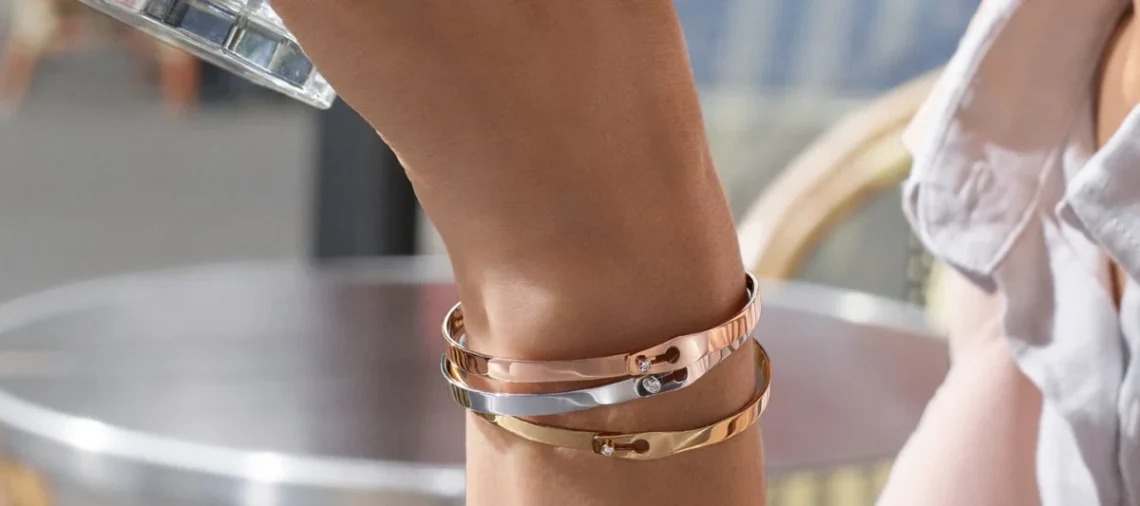
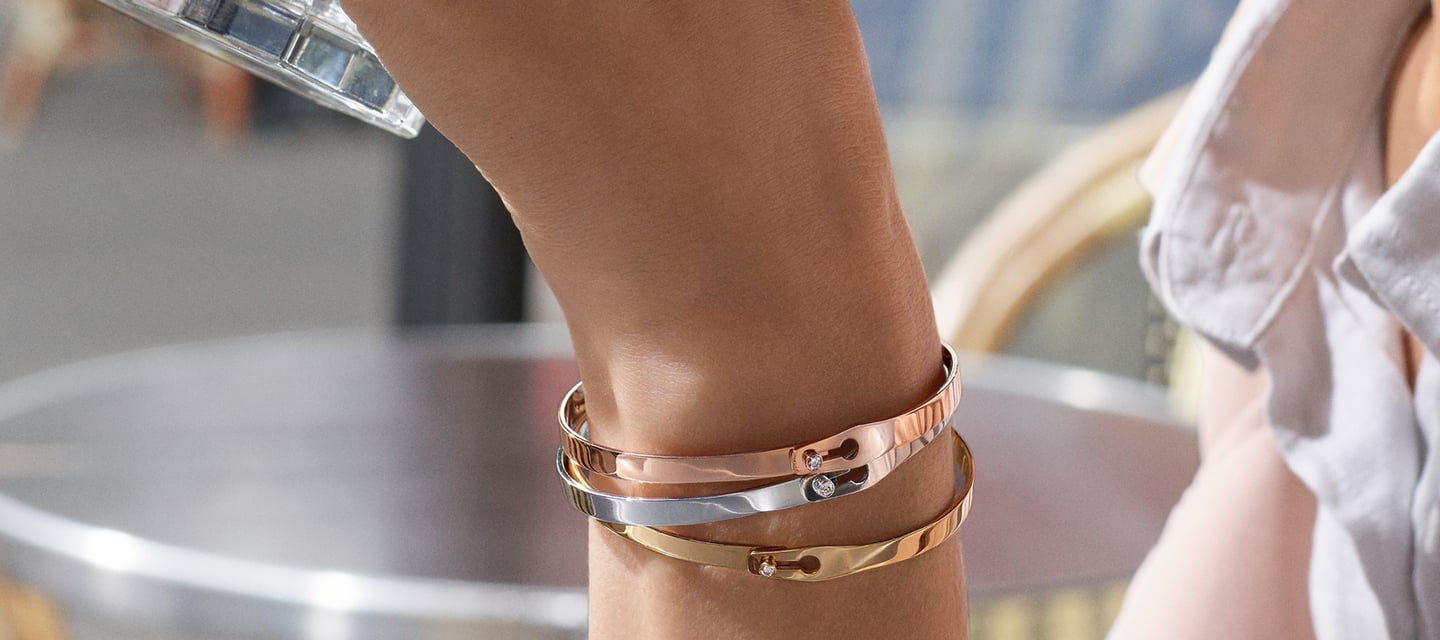
The 1970s marked a departure from the ostentatious, rigid codes of the past. dinh van, founded by Jean Dinh Van—a craftsman who spent over a decade perfecting his skills at Cartier—decided to pivot. He stripped away the pretense of traditional luxury to create minimalist, unisex designs. His work, characterized by iconic shapes like the "Serrure," fundamentally altered the way society viewed fine jewelry, moving it from the safe to the street and encouraging a culture of mixing, matching, and stacking that remains the standard for today’s fashion-forward consumer.
21st Century: The Era of Conscience and Creativity
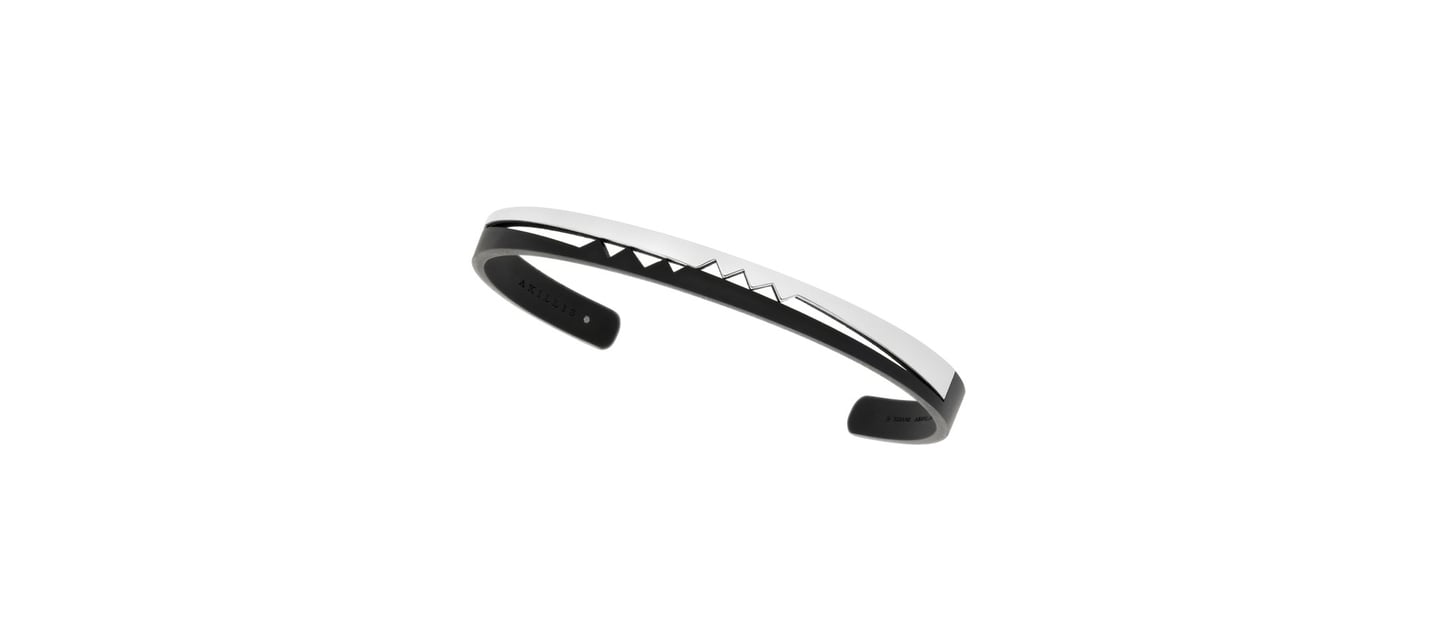
Since 2007, the pace of innovation has accelerated. Akillis, founded by Caroline Gaspard when she was just 25, introduced a "rock edge" to the market. Her "Bang Bang" collection and subsequent graphic, unisex designs proved that fine jewelry could be bold, rebellious, and fiercely modern.
The New Ethics: Sustainability as a Design Principle
In the current decade, the "how" of jewelry production has become as important as the "what." A new wave of houses is centering their operations around radical transparency and ethical sourcing.
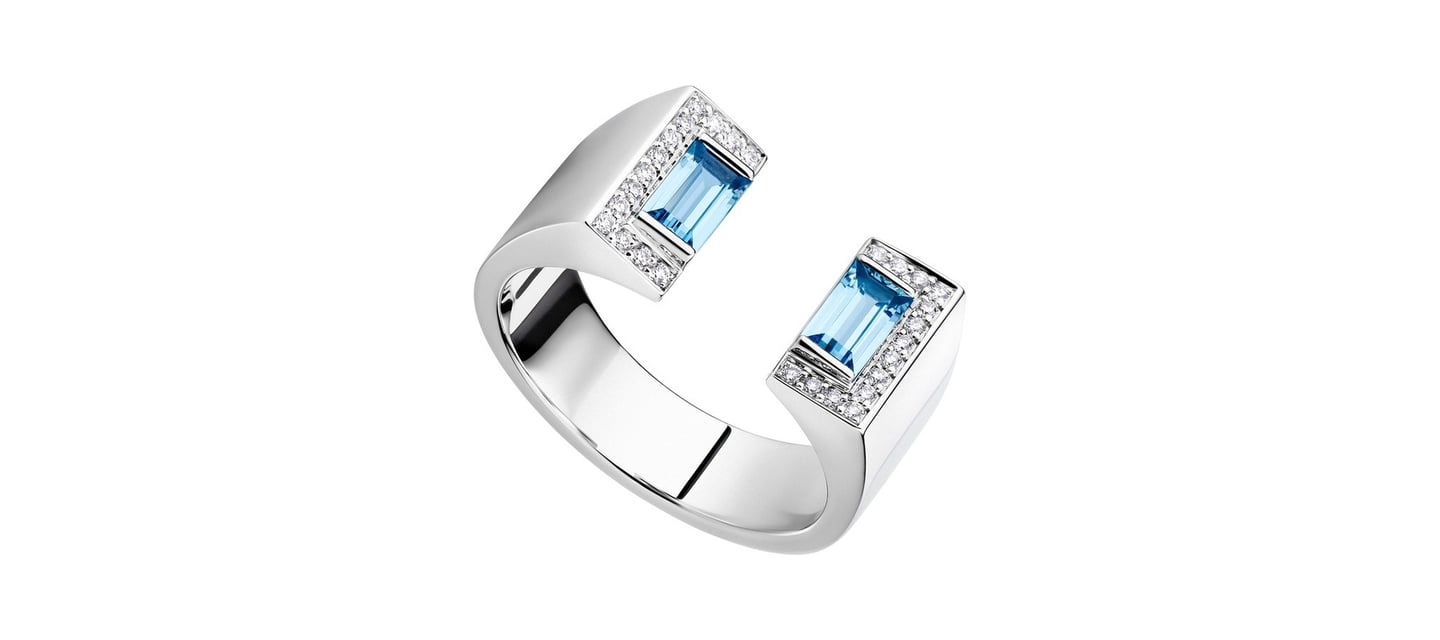
JEM (Jewellery Ethically Minded) has become a standard-bearer for this movement. By working exclusively with Fairmined-certified gold and integrating lab-grown diamonds into their collections since 2018, they challenge the industry to decouple luxury from environmental degradation. Their minimalist designs, crafted entirely in France, serve as a template for a future where luxury is defined by its low impact rather than its scarcity.
Similarly, Tracia, founded by Claudia Riendeau, blends the cultural history of Thrace with a modern, oversized aesthetic inspired by the 1990s. Tracia’s commitment to Fairmined gold and its support for small-scale artisanal mining represents a sophisticated approach to supply chain management, ensuring that the beauty of the final piece is matched by the integrity of its origin.
Regional Diversity and Cultural Fusion
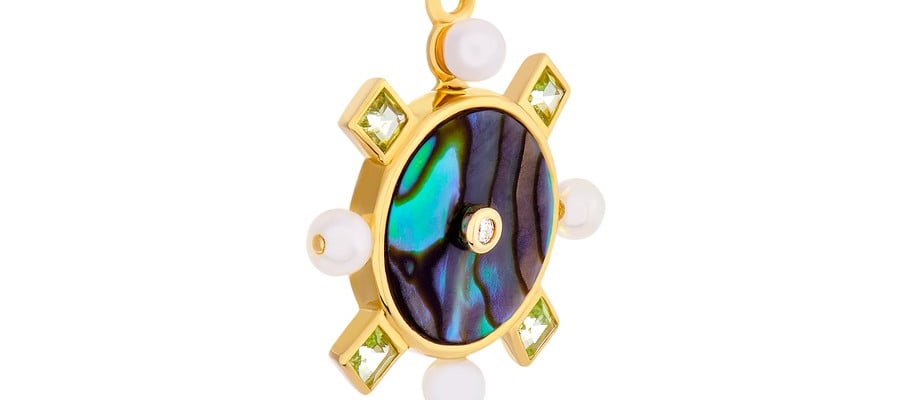
The geography of French jewelry is no longer limited to the Parisian inner circle. Min&ral Joaillerie, based in Cassis on the Mediterranean coast, draws upon 130 years of family expertise to create pieces that feel deeply connected to the natural world. By utilizing natural stones and recycled 18-carat gold, they bring a distinct, coastal perspective to the market—a reminder that the French tradition is deeply rooted in the provincial landscape as much as it is in urban sophistication.
This cultural fusion extends to the thematic origins of the jewelry as well. Ashaha, a house designed in Paris but crafted in Italy, draws upon Berber heritage. Under the guidance of founder and gemmologist Uma Jémil and artistic director Carole Guez, the house synthesizes North African motifs with European technical standards, creating a global dialogue through 18-carat gold and diamonds.
Official Responses and Industry Implications
The transition toward personalization and transparency is not a trend; it is a fundamental market shift. Nouvel Héritage is a prime example of this evolution, created specifically to bridge the gap between traditional French artisanal handcrafting and the desires of a new, digitally-native generation. By emphasizing personalization—such as their engravable pendants—the house empowers the wearer to participate in the design process, making the jewelry an extension of personal identity rather than just a status symbol.
Supporting Data: The Shift in Consumer Values
Data from recent luxury market analyses suggests three key trends influencing these brands:

- Transparency: Consumers are increasingly asking for the provenance of gold and gemstones. Brands like JEM and Tracia are leading by providing clear disclosure.
- Unisexualization: The boundary between "men’s" and "women’s" jewelry is dissolving. Houses like dinh van and Akillis have set the precedent for designs that appeal to a fluid, modern audience.
- Longevity: With the rise of recycled gold and durable, minimalist designs, there is a renewed focus on "heirloom-quality" pieces that are intended for everyday wear rather than vault storage.
The Future: A Symbiosis of Old and New
The future of the French jewelry sector lies in the symbiotic relationship between these storied dynasties and the agile, values-driven houses. The industry is no longer characterized by a singular house style, but by a plurality of voices.
When a brand like Mellerio dits Meller continues to operate after 400 years while a house like JEM pushes the boundaries of lab-grown technology, the industry gains a rare depth. It proves that French jewelry is not a fossilized art form, but a living, breathing discipline that evolves to meet the ethical and aesthetic demands of each new generation.
For the modern collector, the choice is no longer between tradition and innovation; it is about finding the brand that aligns with their personal ethics and stylistic narrative. As these houses continue to refine their craft, one thing remains clear: the heart of French jewelry beats in the precision of the hand-crafted, the integrity of the material, and the enduring power of design that transcends time.
Whether it is a delicate medallion from the coast of Cassis or a bold, rock-inspired bangle from a Parisian atelier, the modern consumer is witnessing a renaissance—a period where history is not merely preserved, but actively rewritten in gold and light.