This story is from an installment of The Oeno Files, our weekly insider newsletter to the world of fine wine.
While Washington State has long garnered international acclaim for its bold Cabernet Sauvignon and sophisticated Bordeaux-style blends, a more nuanced narrative is unfolding in the state’s high-desert vineyards. Syrah, often relegated to the shadows of its more famous peers, has quietly ascended to become the second most-produced red wine in the region. Over a relatively short four-decade history, Washington Syrah has evolved from an experimental curiosity into a diverse, terroir-driven powerhouse that is challenging perceptions of what the American Northwest can achieve.
The Evolution of a Varietal: Main Facts
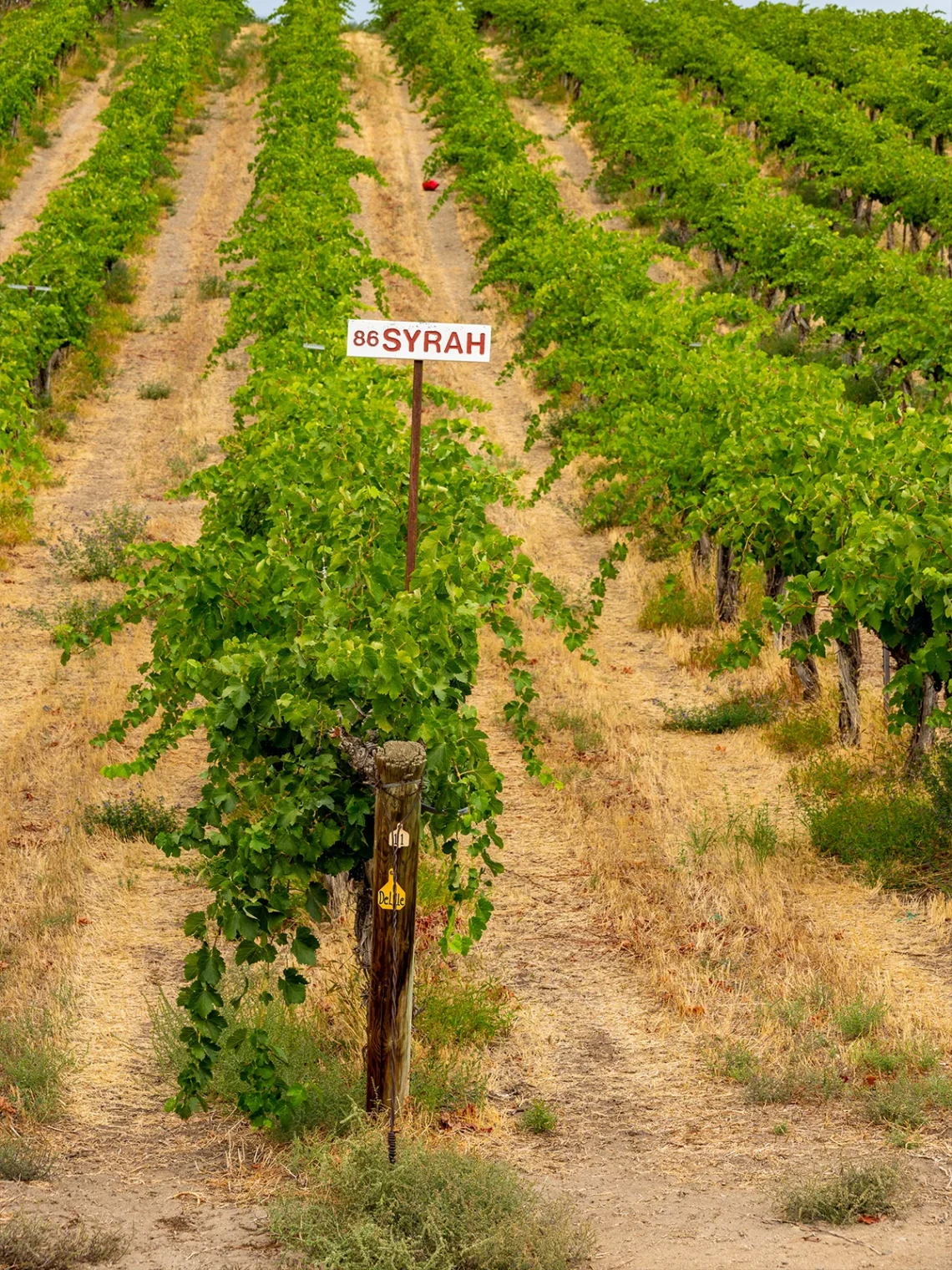
Washington’s journey with Syrah began in 1986 at the Red Willow Vineyard, tucked into the foothills of the Cascade Mountains. In those early years, the winemaking approach was rudimentary, often mirroring the treatment of Cabernet Sauvignon: heavy-handed use of new oak and a one-size-fits-all production philosophy that often masked the grape’s inherent personality.
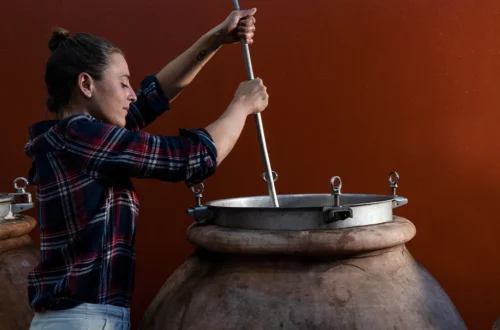
However, the last two decades have seen a profound shift. Winemakers have pivoted toward Old World techniques—such as stem inclusion, fermentation in concrete vessels, and the use of large-format or neutral oak—to allow the fruit to articulate its own unique profile. Today, the state’s Syrah is widely regarded as a "chameleon," capable of displaying the rugged, savory grit of a Northern Rhône classic while maintaining the vibrant, jammy fruit intensity characteristic of the New World.
A Brief Chronology: From Experiment to Excellence
The timeline of Washington Syrah is a testament to the rapid maturation of the state’s viticultural expertise:
- 1986: Mike Sauer plants the first Syrah vines at Red Willow Vineyard in the far northwest portion of the Yakima Valley, setting the foundation for the industry.
- 1990s: Early winemakers struggle to find a stylistic identity, often over-extracting and over-oaking the fruit.
- Early 2000s: A wave of producers begins experimenting with "site-specific" winemaking, moving away from heavy oak influence toward techniques that honor the soil.
- 2010s: The recognition of distinct sub-appellations—the Rocks District, Red Mountain, and Royal Slope—allows winemakers to highlight specific mineral and savory profiles.
- 2020: Significant replanting efforts, such as those by R|A Family Wines, incorporate clonal diversity and precision farming, signaling a new era of ultra-premium production.
Terroir and Supporting Data: The Geography of Flavor
Washington’s unique geography creates a broad spectrum of expressions. Because the state’s AVAs (American Viticultural Areas) vary wildly in soil composition and elevation, the resulting Syrahs are as diverse as the landscapes themselves.

- The Rocks District and Royal Slope: These areas are defined by ancient riverbed soils and dense cobblestones. These stones serve as a thermal battery, radiating heat to the vines, which imbues the wine with intense structure, mineral depth, and a distinct savory quality.
- Red Mountain and Horse Heaven Hills: Known for their power and ripeness, these regions produce robust, full-bodied Syrahs that lean into dark fruit profiles.
- Yakima Valley: As a cooler site with diverse microclimates, this region often produces an earthier, more elegant style with superior acid retention and nuanced dark fruit notes.
The industry’s commitment to this diversity is evident in the production methods of top-tier labels. For example, Liminal’s WeatherEye Vineyard project produces two different Syrahs from blocks only 500 yards apart, yet the wines are drastically different due to subtle shifts in elevation and aspect. One block produces wine reminiscent of Côte-Rôtie (black fruits, minerals, cured olive), while another evokes the feral, meaty intensity of Cornas.
Expert Perspectives: The Voices Behind the Glass
The professional community is increasingly vocal about the quality and marketability of these wines. Scott Tarwater, corporate director of wine and special events for Landry’s Inc.—which oversees over 500 restaurants including Morton’s and The Palm—sees a clear path forward for the varietal.
"Washington Syrah is a rugged, mountain man, unshaven, but worldly, down to earth, and plain spoken," says Tarwater. He highlights the specific notes that resonate with diners: boysenberry, black raspberry, and pomegranate, tempered by the savory, rustic undertones of ripened olives and pipe tobacco.
Winemakers, too, are embracing the "chameleon" nature of the grape. Morgan Lee of Two Vintners, who works with 13 distinct vineyards across six AVAs, notes, "The beauty of Syrah is that it absorbs its surroundings like nothing else. Each patch of dirt puts a stamp of individuality on the wine."
This sentiment is echoed by Matt Reynvaan of R|A Family Wines, who notes that his JDA Project Syrah is interplanted with small amounts of Viognier—a traditional Rhône technique—to add complexity and purity to the final blend. Similarly, Billo Naravane of the newly established Dossier Wine Collective uses concrete fermentation to maintain the "purity and freshness" that he admires in traditional Northern Rhône producers.
Market Implications: A Category That Rewards Curiosity
Despite its quality, Washington Syrah is often described as the state’s "best-kept secret." However, this is changing as beverage directors and sommeliers take a more active role in educating the consumer.

Amy Racine, beverage director and partner at JF Restaurant, acts as a bridge for diners who are hesitant to stray from their usual favorites. "Most guests come in with a fixed idea of what Syrah is supposed to taste like," she explains. "Washington Syrah surprises them by being a little familiar yet entirely its own thing."
The market implications are twofold:
- Broadened Distribution: The presence of these wines on the menus of major, national steakhouse chains indicates that the market is ready for a move beyond standard Cabernet Sauvignon.
- Increased Value: Because it is not yet as globally "famous" as Napa Valley Cabernet, Washington Syrah represents some of the highest value-to-quality ratios in the American luxury wine market.
The Path Forward: Defining a Legacy
The future of Washington Syrah lies in its continued commitment to site expression. As winemakers like Nick Bernstein of DeLille Cellars continue to source fruit from original, historic blocks like Red Willow, and as newer producers lean into precision farming and native-yeast fermentation, the "Washington style" will continue to solidify.
It is no longer just a "value" alternative; it is a destination for the connoisseur. Whether it is the feral structure of a Horse Heaven Hills bottling or the mineral-forward, stony elegance of a Rocks District release, the state has proven that it possesses the viticultural diversity to rival the world’s most prestigious Syrah-producing regions. For those willing to look past the familiar, Washington Syrah offers a reward that is both deeply rooted in the history of the Pacific Northwest and forward-thinking in its craftsmanship.
As the industry matures, the story of Washington Syrah remains one of discovery—not just for the consumer, but for the winemakers themselves who continue to peel back the layers of what this remarkable landscape can produce. It is, as many have noted, a category that demands curiosity and promises, in return, some of the most compelling wine experiences in the United States today.