Welcome back to TechCrunch Mobility, your definitive source for the pulse of the future of transportation. As the lines between artificial intelligence and automotive engineering continue to blur, our mission is to decode how these advancements reshape our roads, our cities, and our portfolios.
Following a brief summer hiatus, I am diving back into a landscape that has shifted significantly in my absence. From the dissolution of high-profile partnerships to federal crackdowns on autonomous vehicle (AV) behavior, the industry is entering a more volatile, yet undeniably critical, phase of its development.
The Main Facts: The Great Uncoupling and the Regulatory Squeeze
The most significant development over the last few weeks is the quiet dissolution of the partnership between Uber and Waymo in Phoenix. While the two entities maintain ongoing robotaxi service agreements in Atlanta and Austin, the Phoenix exit serves as a bellwether for the industry.
Industry observers have long asked: If these agreements end, what happens next? But the more pressing question is when the remaining alliances will dissolve. Once the symbiotic relationship between ride-hailing platforms and autonomous tech stacks finally gives way to independent competition, we expect the current, thinly veiled corporate friction to escalate into a direct, no-holds-barred market battle.
Simultaneously, the federal government has signaled a hardening stance. The National Highway Traffic Safety Administration (NHTSA), led by administrator Jonathan Morrison, has issued a formal directive to AV developers. The message is blunt: the industry’s ongoing struggles with first responders are no longer a "teachable moment"—they are a "functional insufficiency."

Chronology: A Season of Turbulence
The last few weeks have provided a rapid-fire sequence of events that underscore the growing pains of the AV sector:
- Late June 2026: Waymo and Uber quietly conclude their robotaxi partnership in the Phoenix metropolitan area, signaling a potential shift in their strategic alignment.
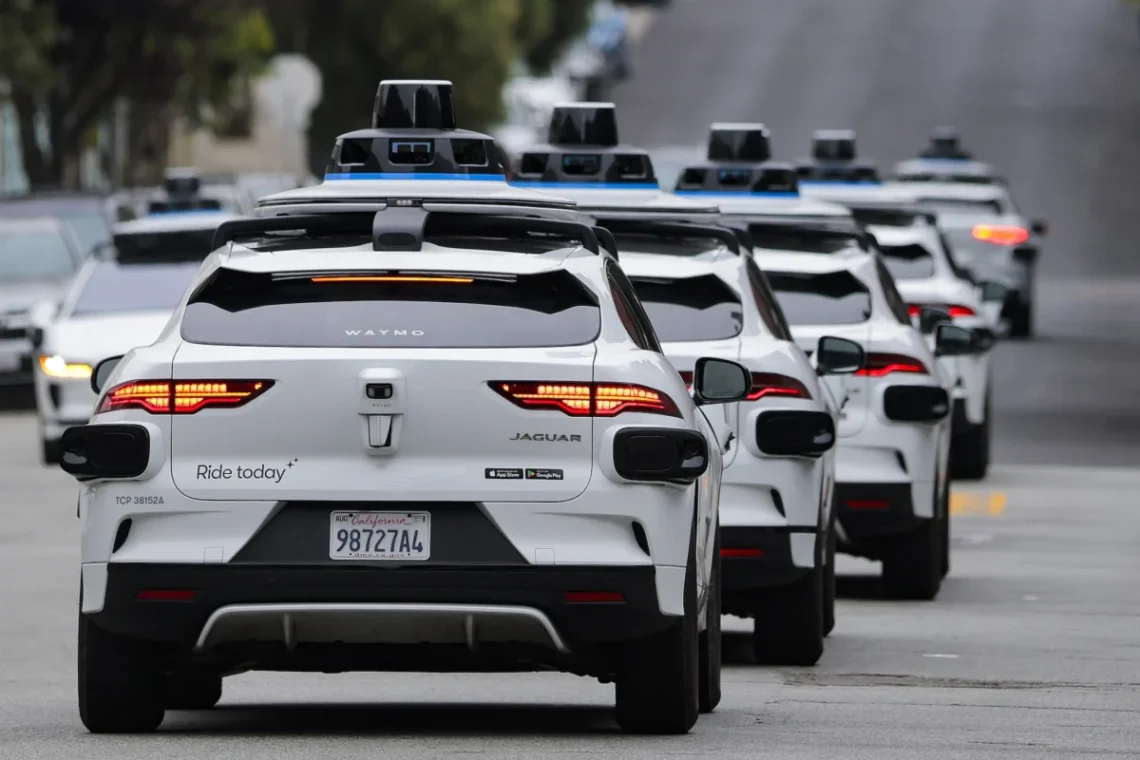
- Early July 2026: Following a chaotic July 4th fireworks display in San Francisco, local authorities report mass gridlock where numerous Waymo vehicles became stranded, eventually requiring towing services as their battery levels depleted.
- July 7, 2026: San Francisco Supervisor Bilal Mahmood announces an official letter of inquiry to investigate the impact of autonomous vehicles on public transit and emergency response protocols.
- Mid-July 2026: NHTSA administrator Jonathan Morrison issues a formal directive to all AV developers listed under the Department of Transportation’s Standing General Order, demanding immediate focus on improving interactions with emergency services.
- Mid-July 2026: The federal government updates its 2026 Regulatory Plan, proposing significant changes to Federal Motor Vehicle Safety Standards (FMVSS), potentially paving the way for steering-wheel-free vehicle designs.
Supporting Data: The Cost of Scaling
The current state of the industry is reflected in its capital requirements and operational hurdles. While we usually focus on venture-backed innovation, the sheer scale of the automotive industry’s financial needs is best illustrated by Rivian’s recent capital raise.
The EV manufacturer successfully priced an offering of 86.25 million Class A common shares at $15.50 each, raising a total of $1.32 billion. This cash infusion arrives at a pivotal moment: Rivian has ramped up deliveries of its R2 SUV and recently upwardly revised its 2026 sales forecast to between 65,000 and 70,000 vehicles. Despite this growth, the company remains pre-profit, highlighting the brutal reality that scaling hardware production is a capital-intensive marathon.
In the broader mobility ecosystem, the following deals caught our attention:
- Bidbus: The Los Angeles-based startup secured $15 million in a Series A round led by Ibex Investors to continue its mission of digitizing the used-car auction market.
- Lyft’s Expansion: The ride-hailing giant is set to acquire Serveo’s bike-share business in Spain, signaling continued consolidation in the micromobility space.
- TaiSan’s Battery Bet: The U.K.-based battery innovator raised £4.65 million to advance its sodium-ion technology, a critical alternative to current lithium-dependent supply chains.
Official Responses: The NHTSA Directive
The core of the current regulatory friction lies in the NHTSA’s recent communication. Administrator Morrison’s directive to AV developers was clear, stating: "Let me be clear: the inability to detect and appropriately respond to such situations represents a functional insufficiency. Emergency scenes are not rare or extreme ‘edge cases.’"

While the letter did not name Waymo explicitly, the context is undeniable. Given that Waymo currently operates the largest fleet of robotaxis in the U.S., its vehicles are disproportionately represented in the public discourse surrounding "stalled" or "confused" autonomous behavior. The agency has demanded that all developers submit "solutions" to these operational failures by the end of the month.
Whether this results in punitive measures or merely a more rigorous testing framework remains to be seen. However, the agency’s demand for a concrete response by the end of July suggests that the "grace period" for experimental AI driving is drawing to a close.
Implications: A New Era for Autonomous Policy
The implications of these developments are twofold: one for the developers, and one for the urban environment.
For Developers: The Design Dilemma
The update to the 2026 Regulatory Plan and Unified Agenda is a potential boon for companies like Tesla and Zoox. By proposing changes to the Federal Motor Vehicle Safety Standards (FMVSS), the government is acknowledging that the traditional car—with its steering wheels, pedals, and mirrors—is not the end-game for autonomous transit. If these standards are relaxed, we may finally see the mass production of purpose-built, cabin-centric autonomous pods. However, this design freedom will be balanced by a much stricter requirement for "safety-first" software.
For Cities: The Friction of Integration
The San Francisco fireworks gridlock serves as a cautionary tale for urban planners. Autonomous fleets are not just isolated software problems; they are physical objects that occupy space. When these objects behave in ways that interfere with public safety, they become a political liability. Supervisor Bilal Mahmood’s inquiry into the July 4th incident is likely just the beginning. We should expect more cities to demand "algorithmic transparency" or "operational kill-switches" as a condition for granting operating permits.

The Road Ahead: Trends and Tidbits
As we watch these major shifts unfold, we are also keeping an eye on the periphery of the mobility sector:
- Cybersecurity Vulnerability: The recent data breach at AssuranceAmerica, which exposed 6.9 million driver’s license records, serves as a grim reminder that our digital mobility footprint is a prime target for malicious actors.
- Aviation Advancements: Beta Technologies has successfully completed operational flights under the FAA’s eVTOL Integration Pilot Program. Flying 275 nautical miles across Virginia and Maryland, the company is proving that electric flight is moving from the lab to the real world.
- Drone Logistics: Manna Aero is doubling down on the U.S. market, with a massive expansion in Tulsa, Oklahoma. Their commitment to hiring 1,000 employees suggests that the "last mile" of delivery may soon be dominated by autonomous flight rather than ground-based vans.
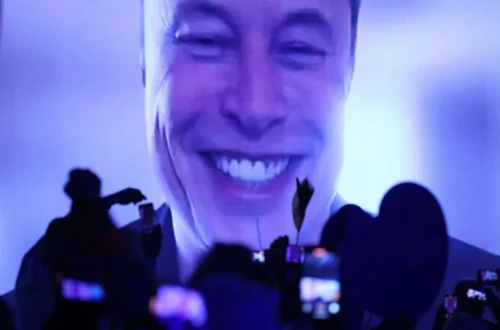
- The "Anti-Elon" Sentiment: For those investors looking to avoid the volatility of Tesla, new exchange-traded funds have launched specifically to capitalize on negative sentiment toward Elon Musk. It is a unique, if unconventional, way to track the intersection of personal branding and equity performance.
Final Thoughts
Whether it is the end of a high-profile corporate marriage or the beginning of a new regulatory era, one thing is certain: the "wild west" phase of autonomous mobility is ending. As we move into the second half of 2026, the companies that succeed will not just be the ones with the best AI, but the ones that can best navigate the bureaucratic and social landscape of the cities they intend to serve.
Got a tip? Reach out to us at [email protected] or via Signal at kkorosec.07. And for those interested in the foundational challenges of early-stage startups, check out the new season of our Build Mode podcast—it is essential listening for any founder navigating the current funding climate.