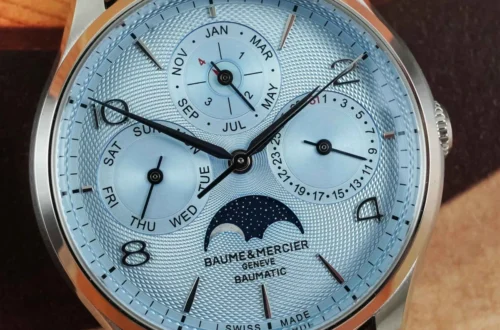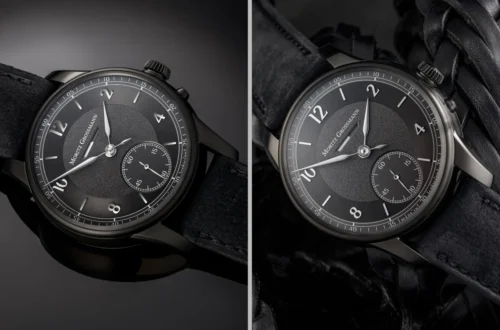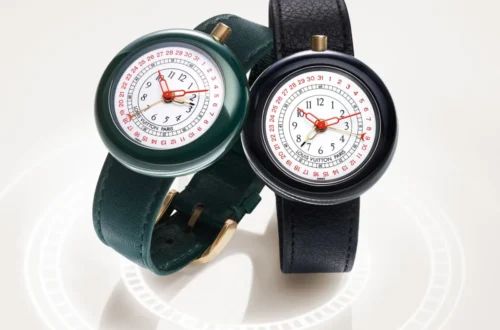
The wristwatch is today’s definitive accessory, a seamless marriage of horological precision and personal style. Yet, its dominance was not a foregone conclusion. For centuries, the pocket watch reigned supreme as the standard for portable timekeeping. The transition from the waistcoat pocket to the wrist was not merely a change in location; it was a profound cultural and engineering pivot that required a complete reimagining of watch architecture. At the heart of this transformation lies the humble lug—the bridge that connects the watch head to the wearer, turning a delicate instrument into a rugged, wearable tool.
The Genesis of the Wristwatch: From Necessity to Norm
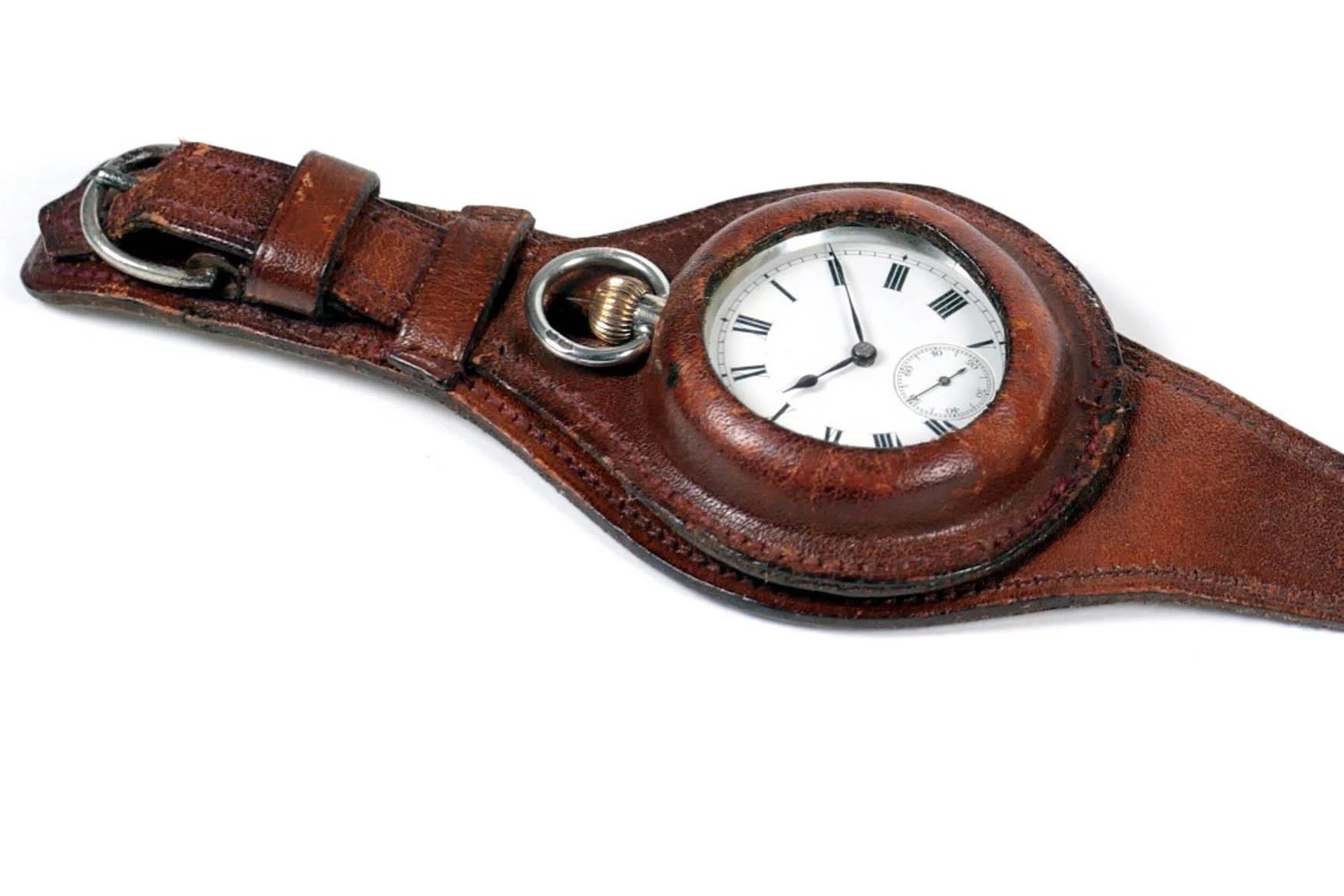
At the dawn of the 20th century, the pocket watch was the undisputed "man’s watch." These timepieces, typically measuring between 43mm and 55mm in diameter, were far too large for the wrist. When the cultural shift toward wrist-worn timekeeping began, the earliest "wristlets" were essentially pocket watches with makeshift lugs crudely welded or soldered to the case.
These early conversions were inherently flawed. The crown, originally positioned at the 12 o’clock position to suit a pocket-watch chain, proved inaccessible on the wrist. To mitigate this, watchmakers began soldering wire loops to the cases at offset angles, which allowed for a strap but forced the crown to the 1 o’clock position, resulting in an angled, uncomfortable dial display. It was a functional compromise that highlighted the desperate need for a dedicated, purpose-built wristwatch design.
The Catalyst: World War I and the Trench Watch
If the late 19th century saw the niche usage of wristlets—such as the 1880s batch commissioned by German naval officers from Girard-Perregaux—it was the First World War that cemented the wristwatch as standard military equipment. Soldiers in the muddy, chaotic environment of trench warfare found the pocket watch to be a liability; they required a hands-free, glanceable method of checking the time.
By 1914, British officers were officially issued wristlets, and the U.S. Army followed suit by 1916. These "trench watches" were the crucible of modern horology. Upon returning to civilian life, veterans continued to wear their wrist-mounted timepieces, successfully dismantling the Victorian-era perception that wristwatches were exclusively "feminine" jewelry. By the 1920s, the wristwatch was the new standard, triggering a decade of intense design experimentation.
Chronology of Innovation: Lugs and Springs
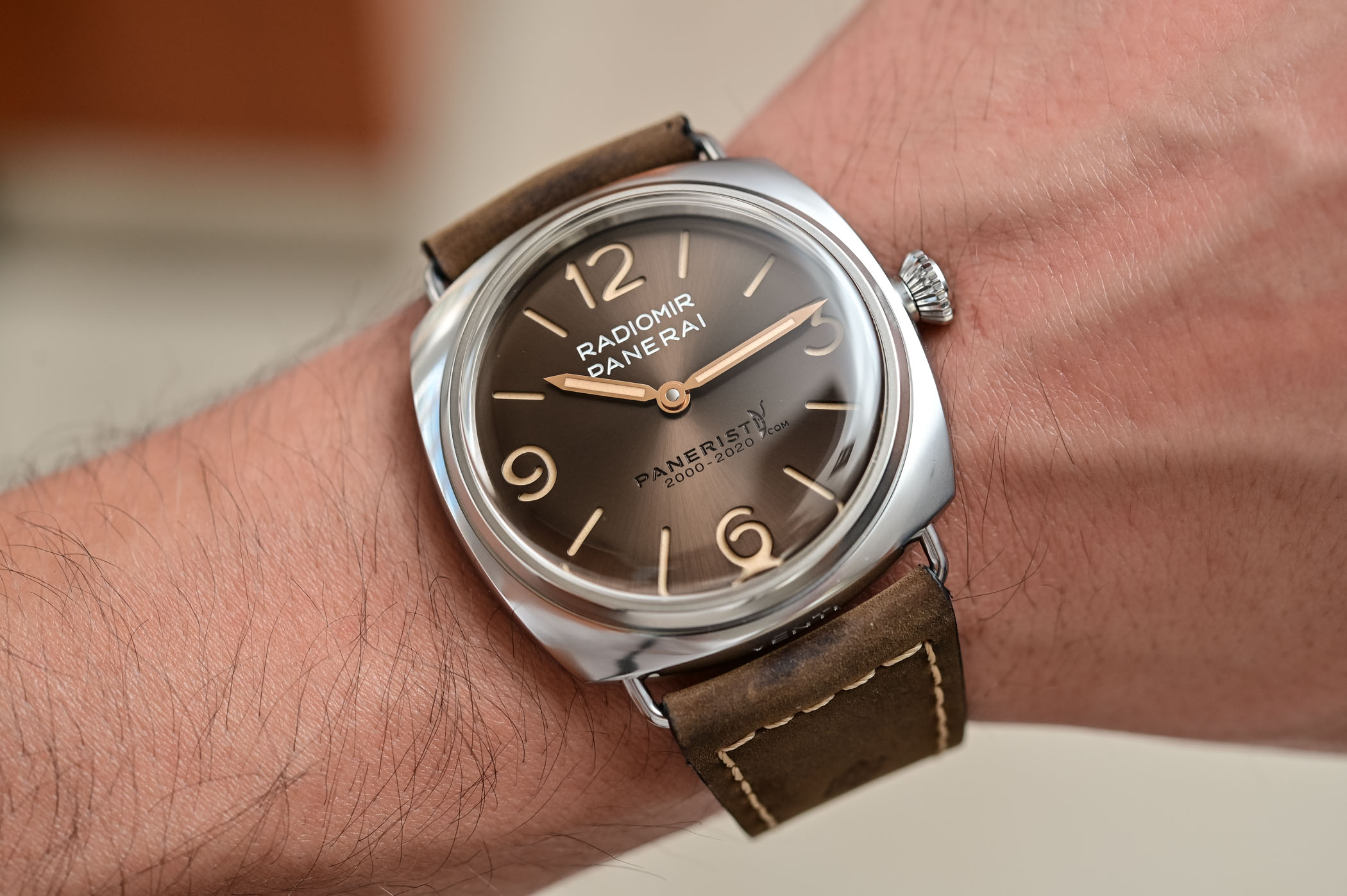
The evolution of the lug is the history of the wristwatch itself. Initially, lugs were fixed, solid wire loops designed to hold one-piece straps—a style that survives today in the form of NATO or Zulu straps. While simple, these fixed lugs were restrictive.
The Advent of the Spring Bar
The transition to two-piece straps was made possible by the invention of the spring bar. While patent records indicate experimental designs dating back to 1915, the definitive industry standard was established in 1929 by Isidor Dinstmann. His invention—a hollow tube containing a coiled spring and compressible pivot pins—revolutionized strap versatility.
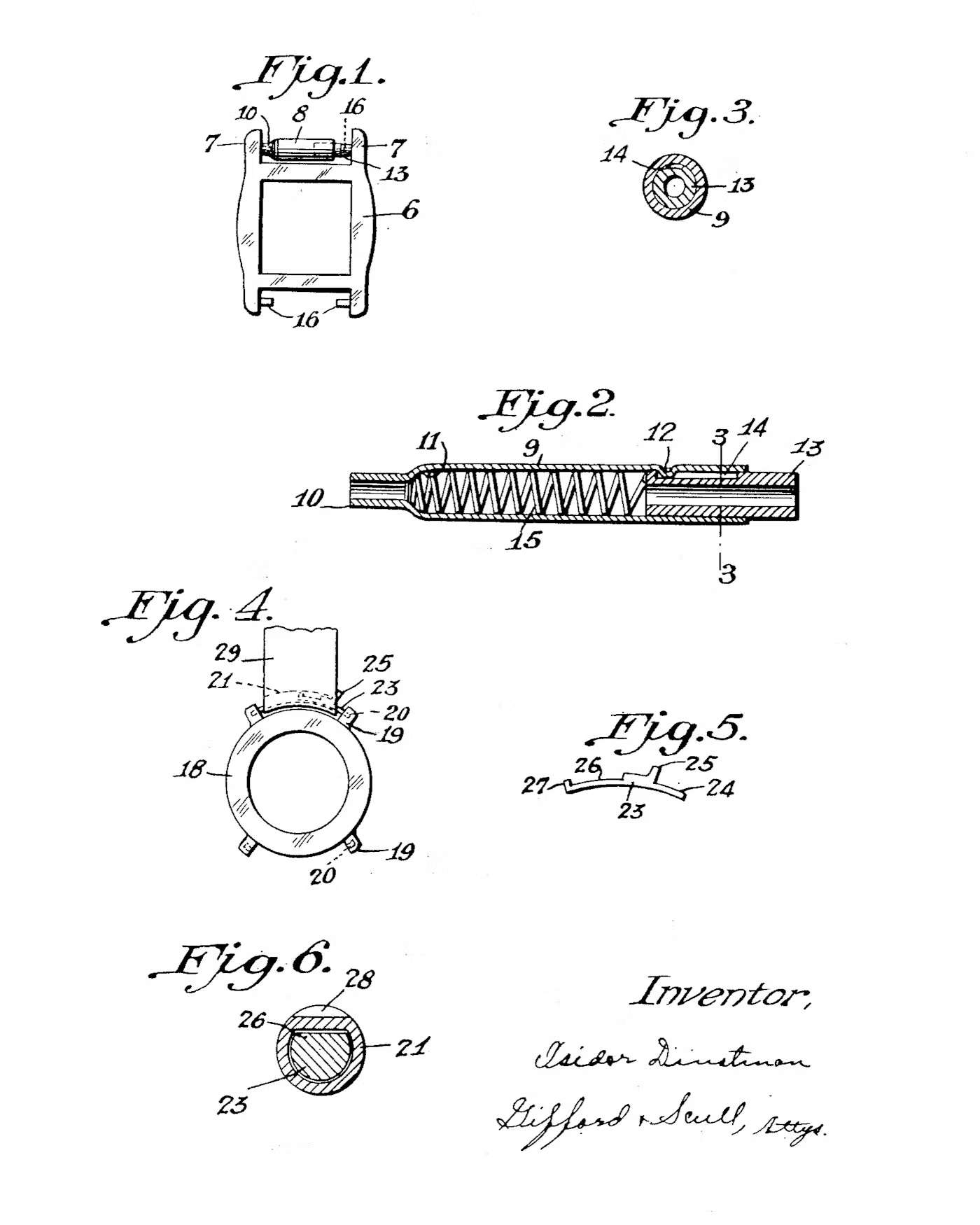
This mechanism has remained largely unchanged for nearly a century. In the 21st century, the primary evolution has been the "quick-release" spring bar, introduced widely around 2015, which incorporates a small lever to allow for tool-less strap changes. Simultaneously, the industry moved away from "drilled-through" lugs—where the spring bar hole is visible from the exterior—in favor of a cleaner, more minimalist aesthetic, despite the increased risk of scratching the interior lug walls during maintenance.
Structural Typologies: Integrated vs. Separate
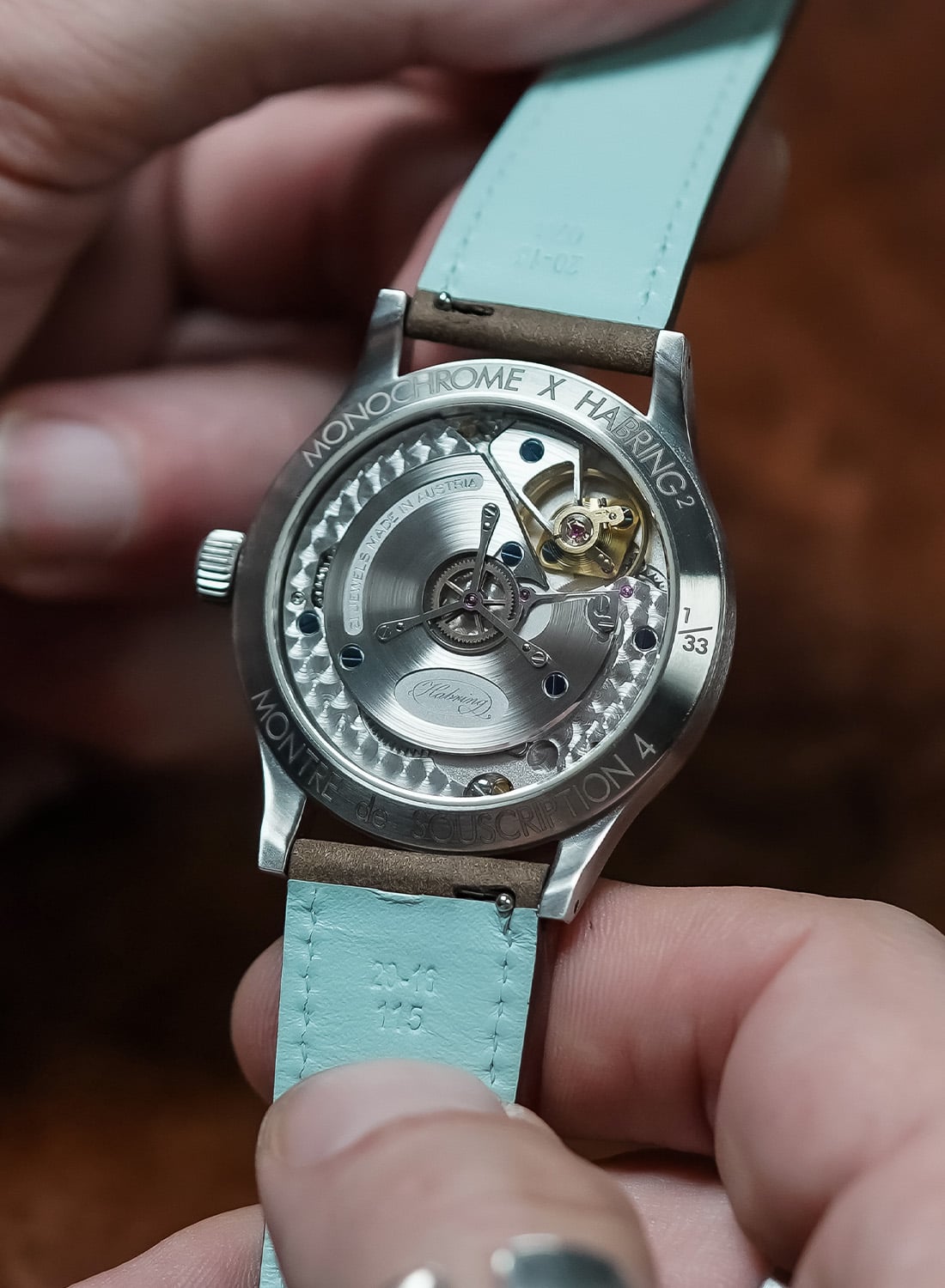
Watch architecture generally falls into two camps regarding lug construction: integrated and separate.
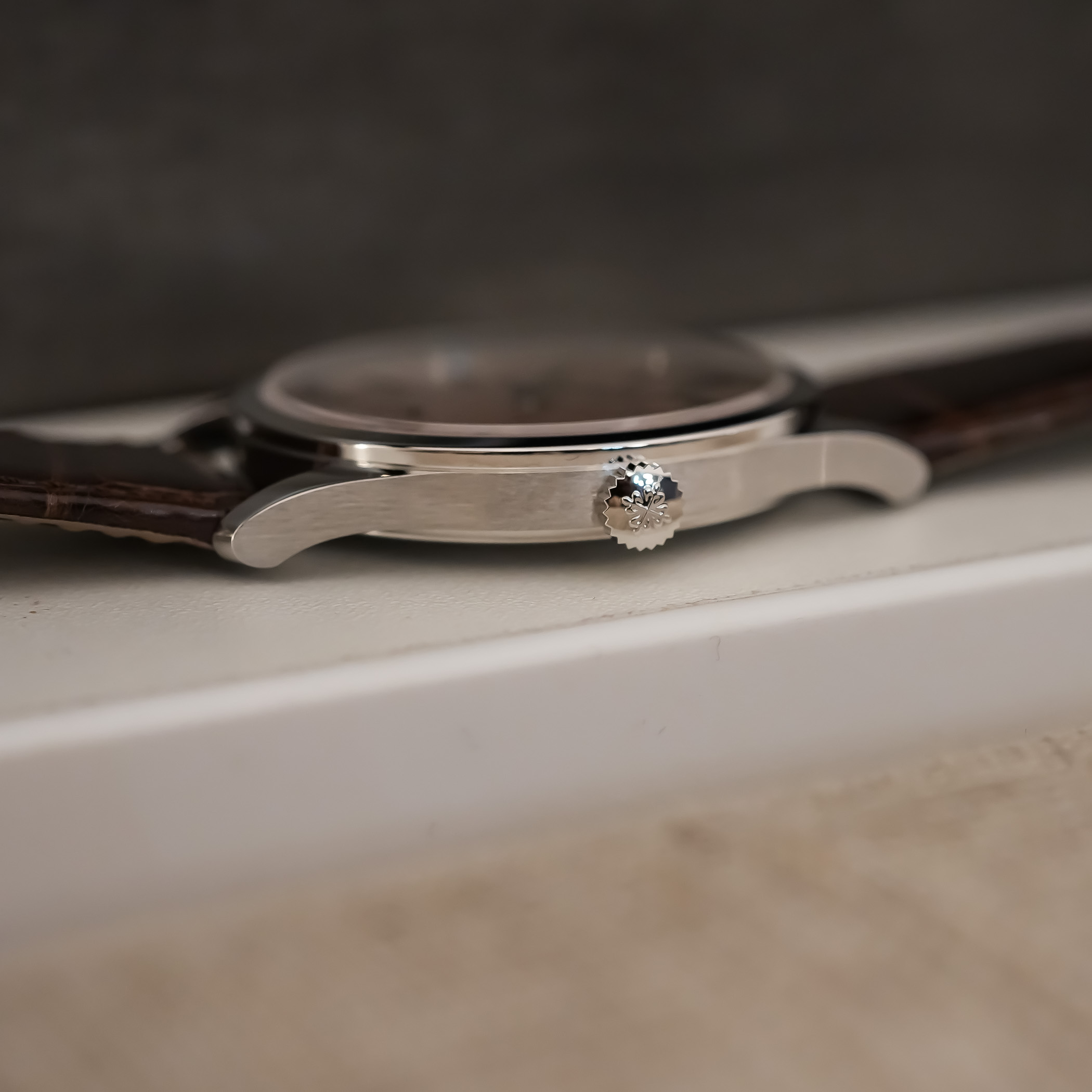
- Integrated Lugs: In this design, the lugs are milled from the same block of metal as the case middle. This is the hallmark of structural integrity and precision, popularized significantly by Patek Philippe’s 1932 Calatrava.
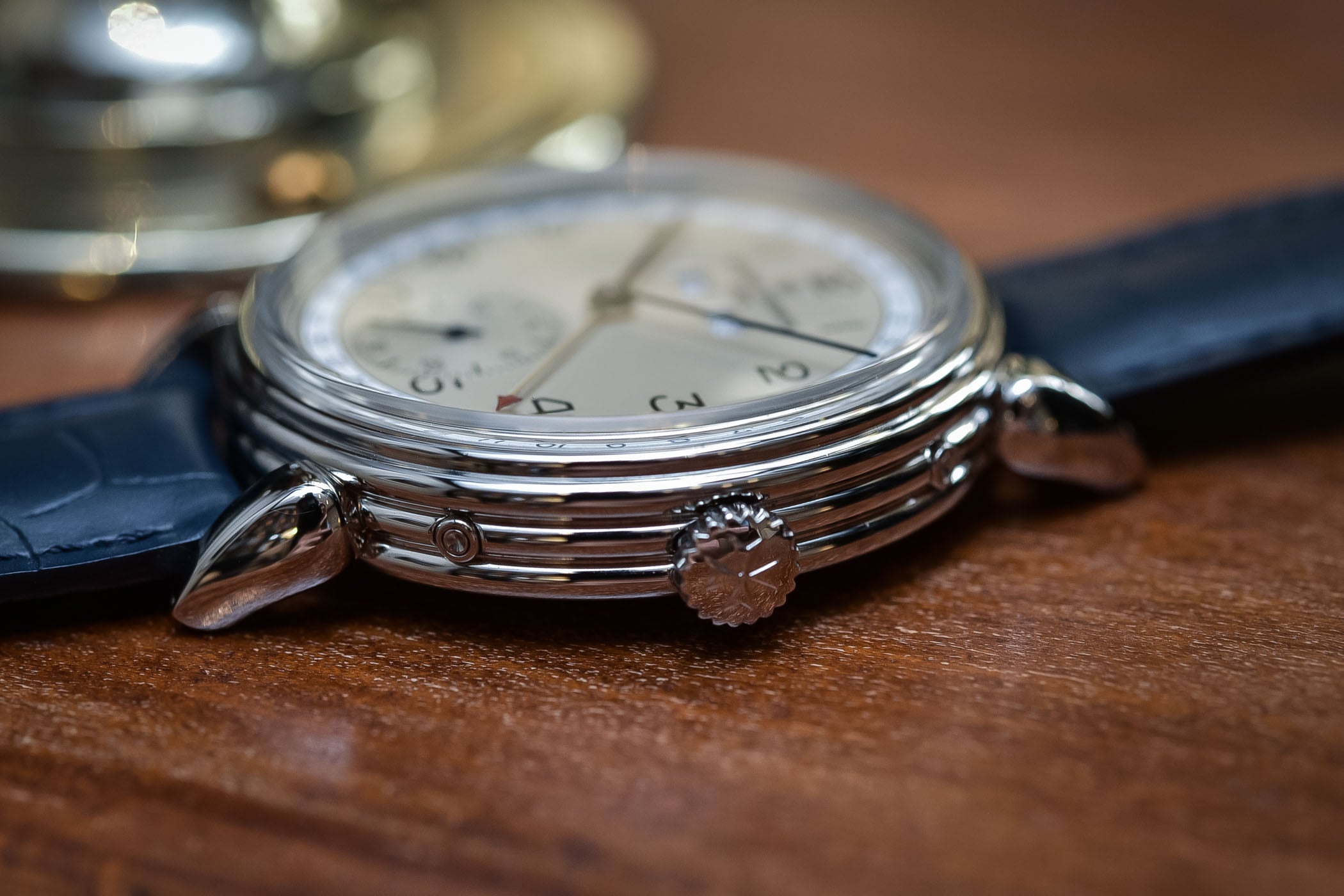
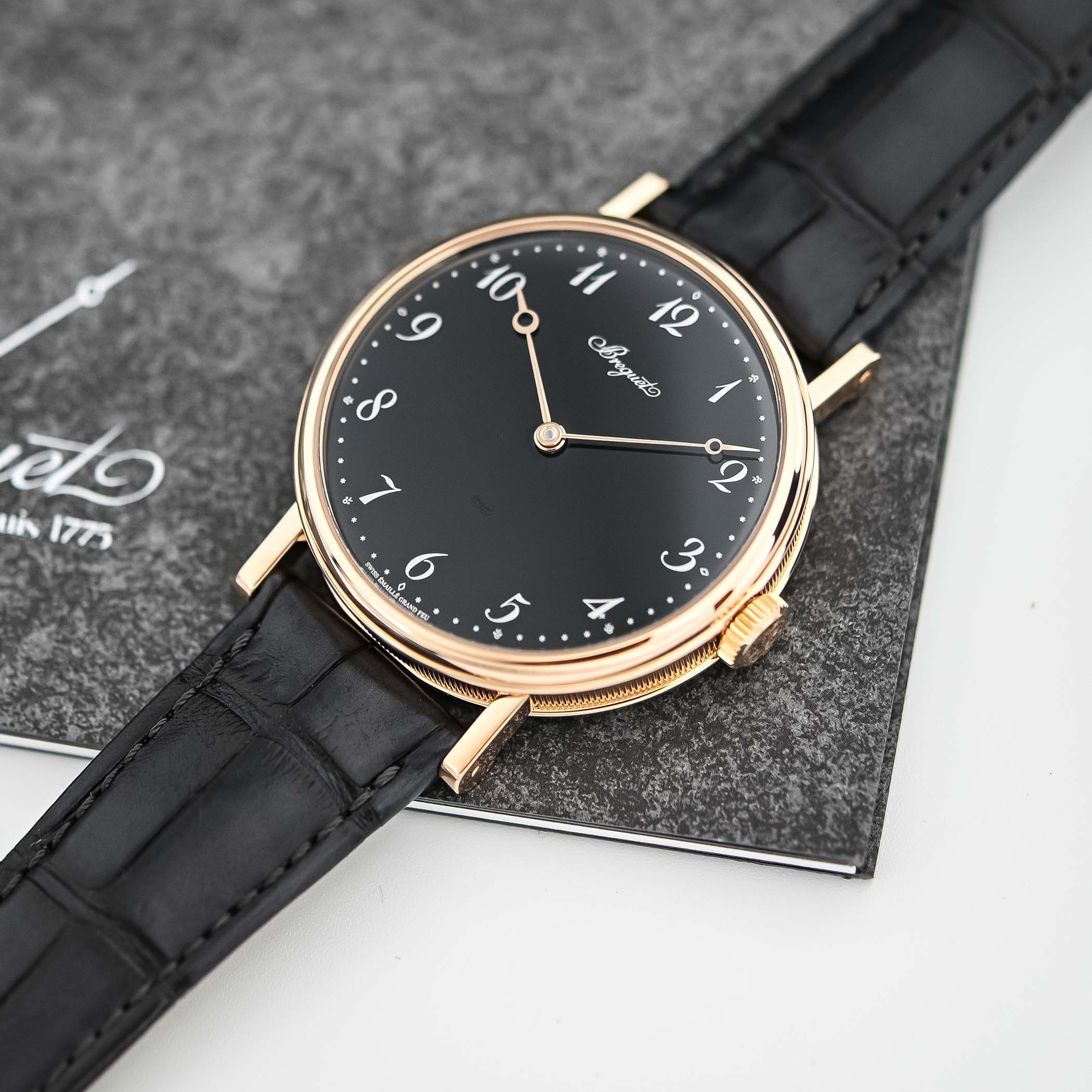
- Separate/Welded Lugs: This remains the domain of high-end, artisanal watchmaking. Brands like Breguet utilize soldered lugs to maintain the purity of their fluted case designs, a process that requires immense skill and heat control to ensure structural permanence.
The "Integrated" Design Philosophy
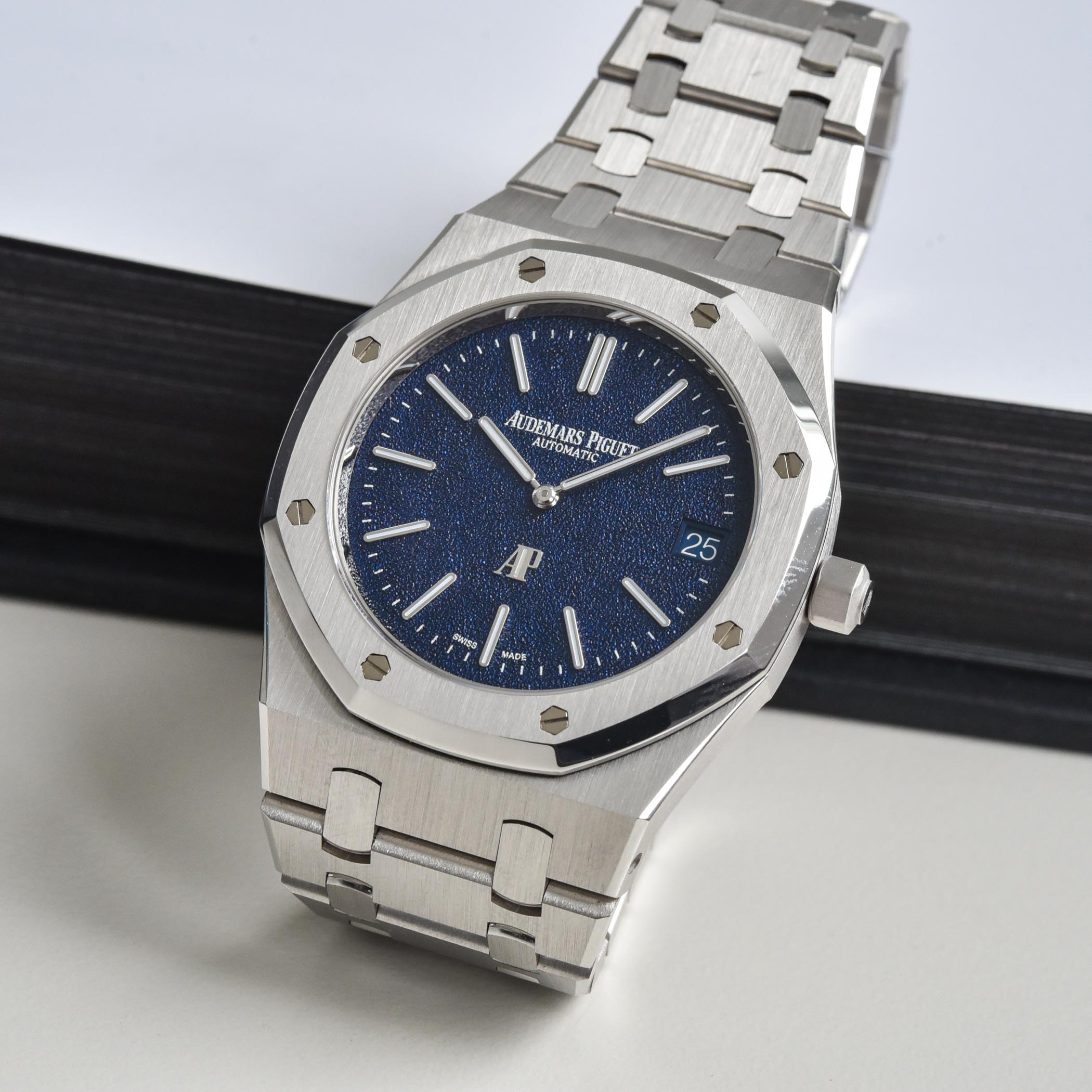
It is vital to distinguish between integrated lugs and the "integrated bracelet" craze. The latter, spurred by Gérald Genta’s iconic 1972 Audemars Piguet Royal Oak and 1976 Patek Philippe Nautilus, involves a case design where the lugs are essentially eliminated in favor of a sloped case end that acts as the first link of the bracelet. This creates a continuous, sculptural flow, though it often renders the watch proprietary, forcing the owner to rely on the manufacturer for all strap or bracelet options.
A Taxonomy of Lug Aesthetics
Lugs have evolved from mere attachment points into expressive design elements that dictate the personality of a timepiece.
Straight Lugs: The Utilitarian Standard
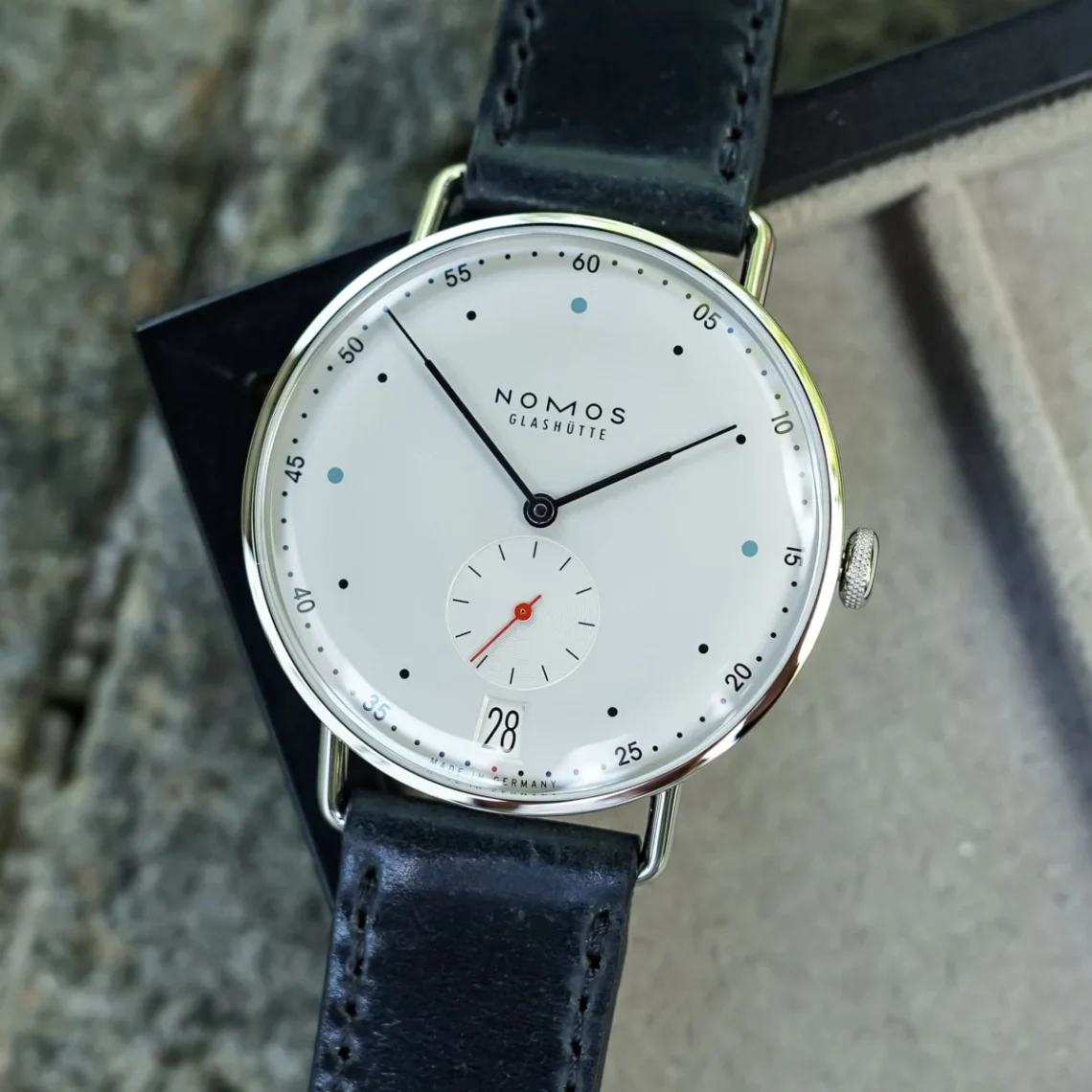
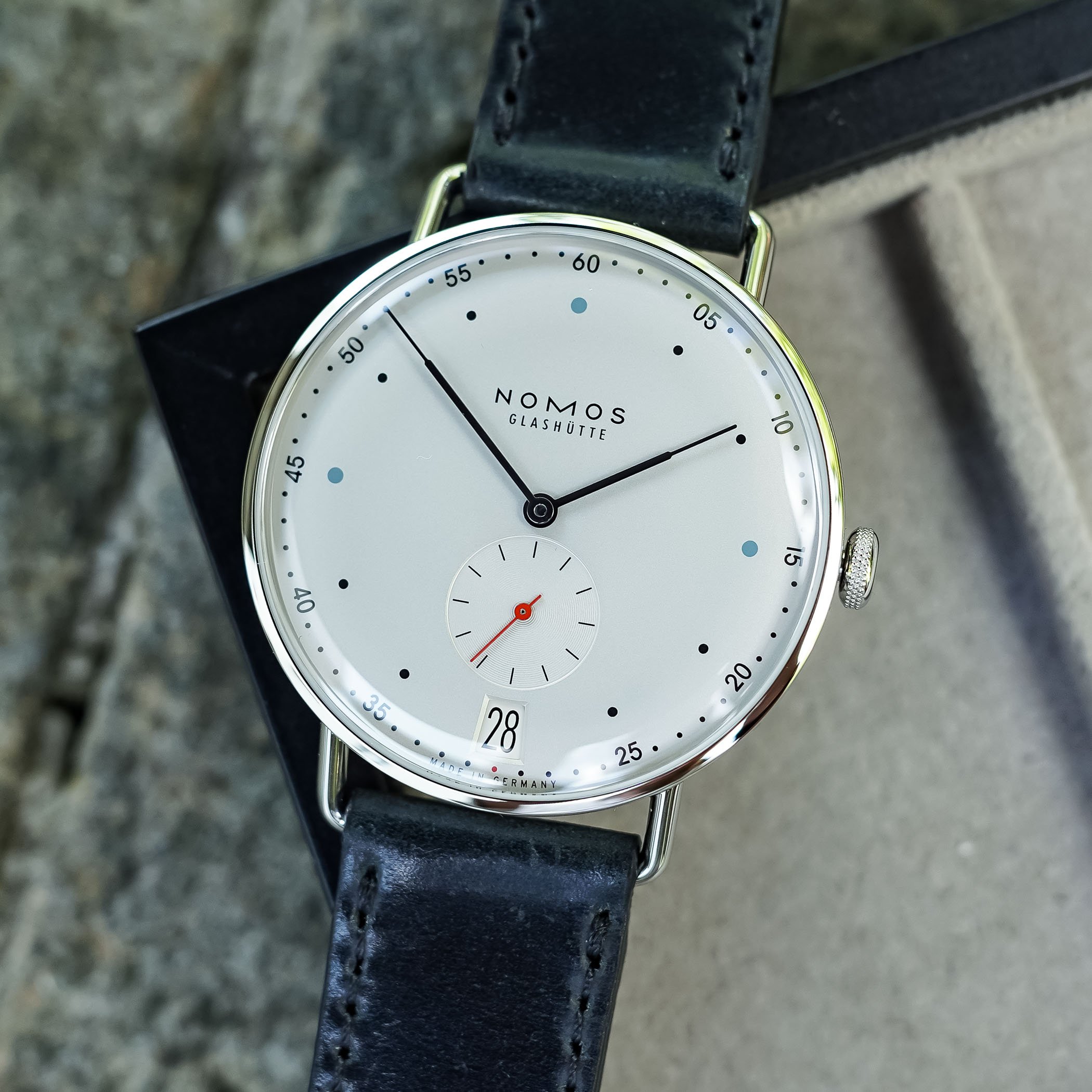
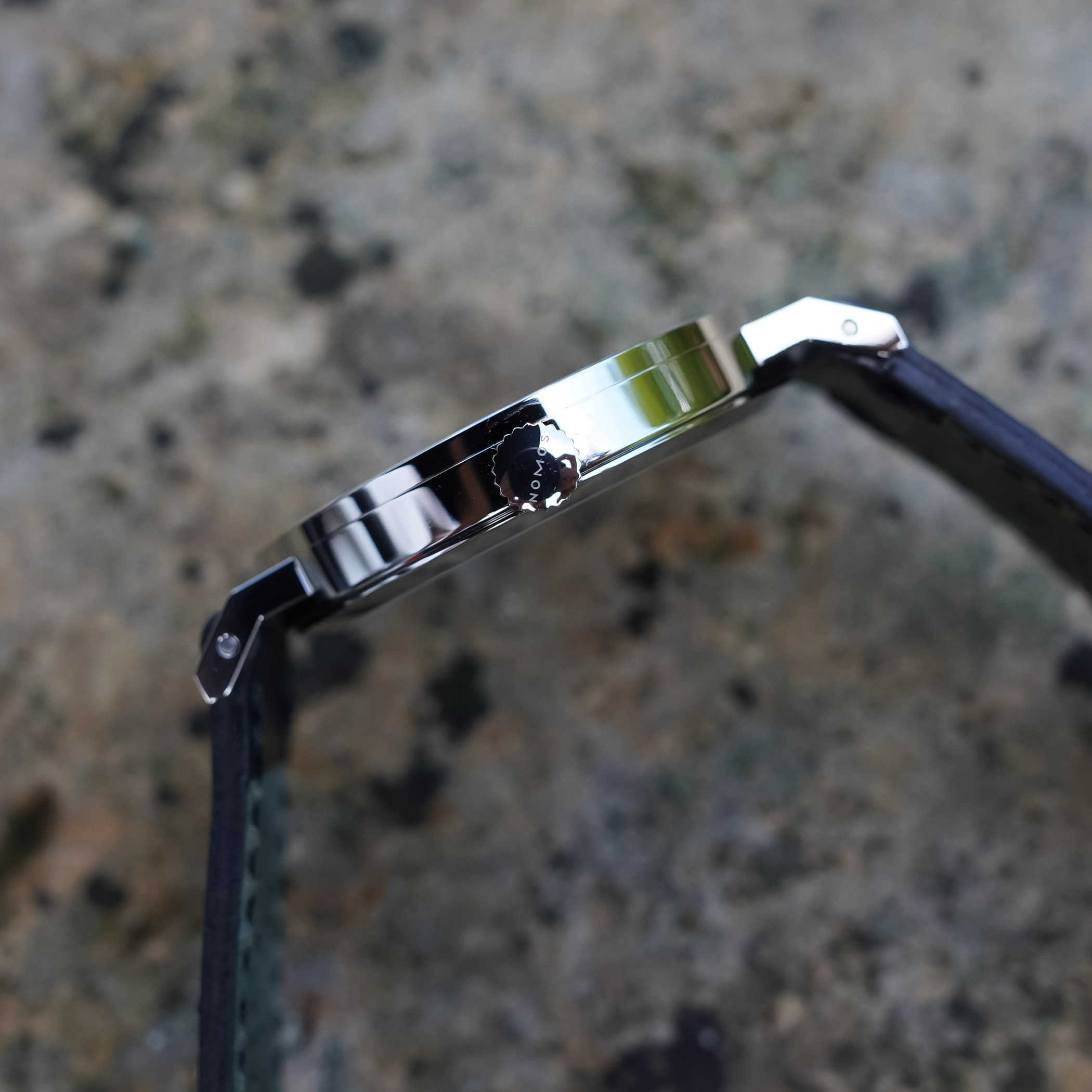
Straight lugs are the backbone of the "tool watch" category. They are functional, architectural, and minimalist. The Nomos Tangente exemplifies this with its clean Bauhaus lines, while the Rolex Explorer and Tudor Black Bay utilize straight lugs to complement their robust, no-nonsense heritage.
Twisted or "Lyre" Lugs
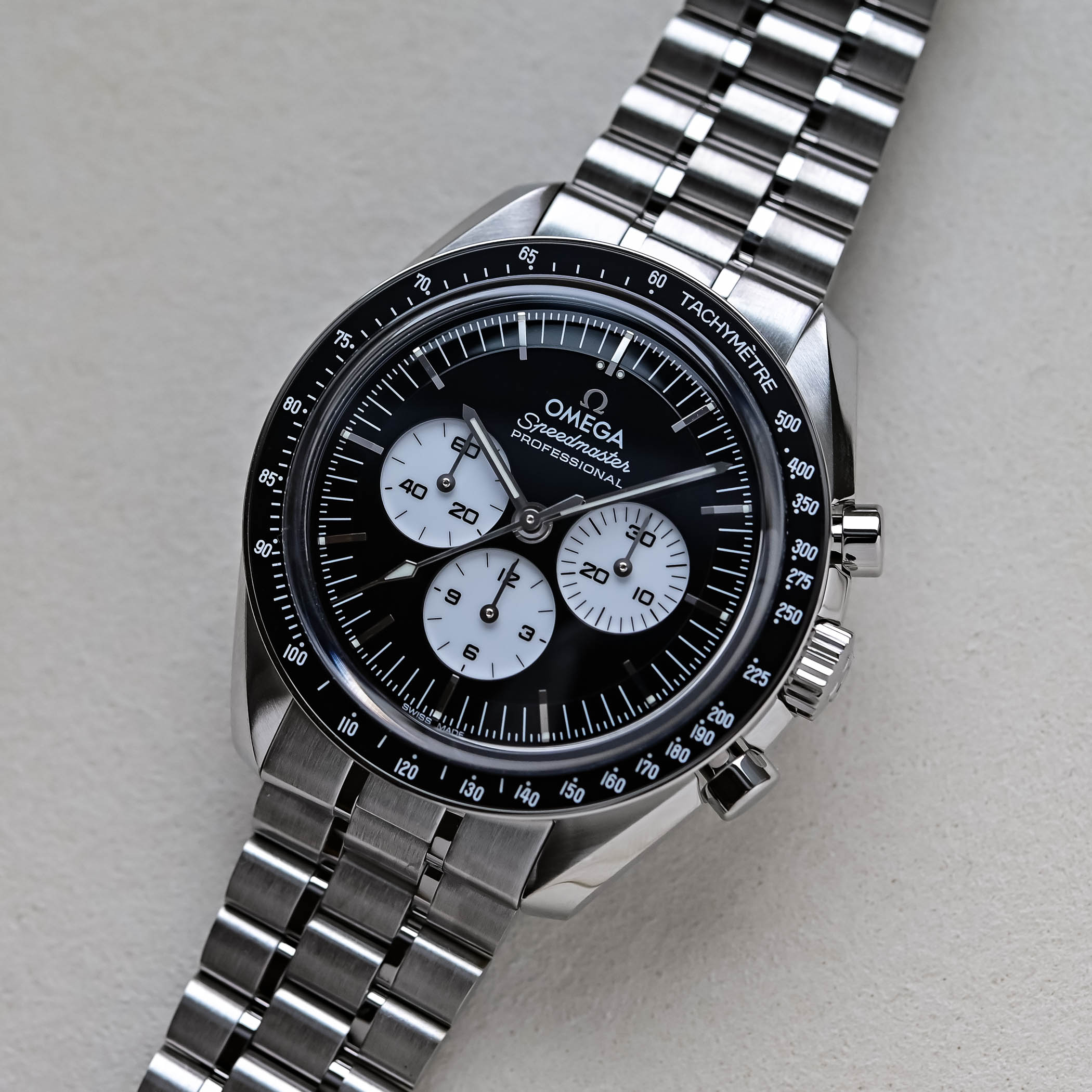
First appearing in the 1950s with Universal Genève and famously adopted by Omega for the 1964 Speedmaster (ref. 105.012), twisted lugs are a masterclass in dynamic design. They curve downward while twisting on their axis, catching the light and providing an ergonomic fit that straight lugs often lack. This design has become a signature for Omega’s Seamaster and Speedmaster collections.
Teardrop and Cornes de Vache Lugs
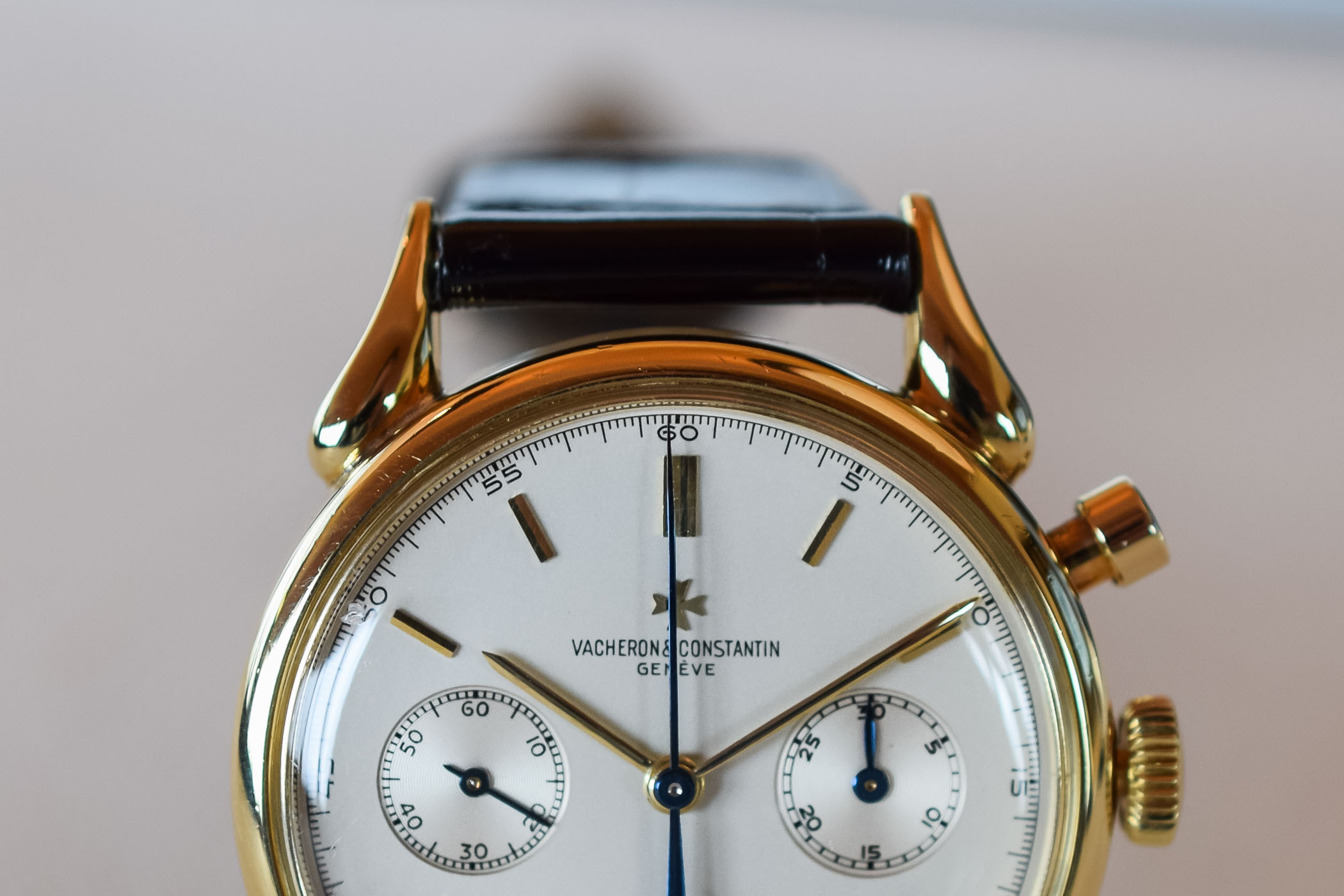
Teardrop lugs, characterized by their rounded, water-drop shape, emerged during the 1930s Art Deco movement. They are delicate and typically reserved for dress watches. Their more aggressive cousin, the Cornes de Vache (cow-horn), features a sharper, more angular silhouette. Recently revived by Vacheron Constantin and independent brands like Furlan Marri, these lugs represent a nostalgic nod to mid-century horological elegance.

Stepped, Hidden, and Articulating Lugs
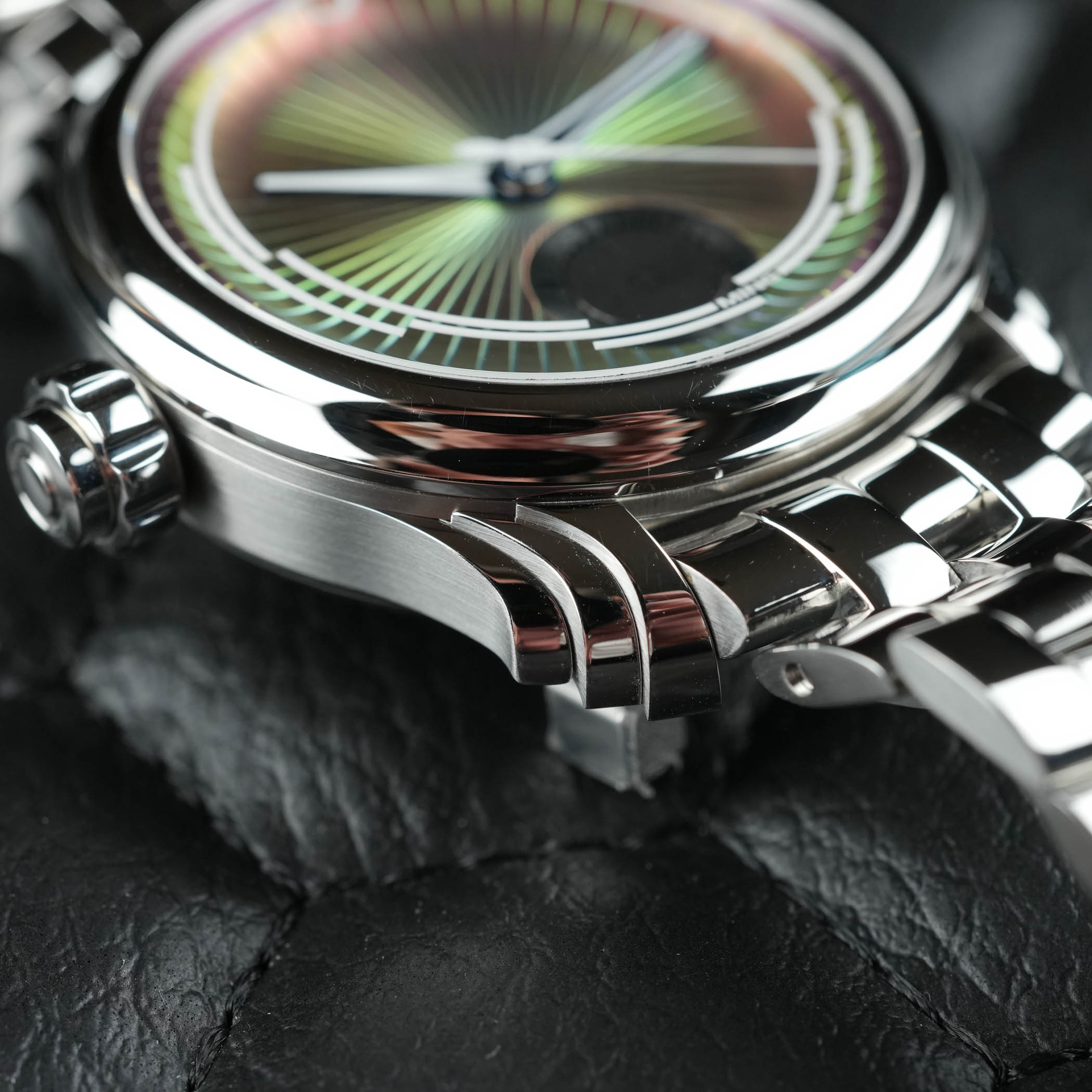
- Stepped Lugs: Drawing inspiration from 20th-century architecture, these feature terraced profiles that add depth and wrist presence, as seen in pieces by Ming.
- Hidden/Shrouded Lugs: Designed to conceal the strap attachment, these offer a seamless transition from the case to the wrist, creating a "floating" effect common in avant-garde designs like the Hamilton Ventura.
- Articulating Lugs: The pinnacle of modern engineering, found in high-end brands like MB&F and De Bethune. These lugs move independently of the case, ensuring that even the most complex or oversized timepieces sit comfortably on a variety of wrist sizes.
Implications for Wearability
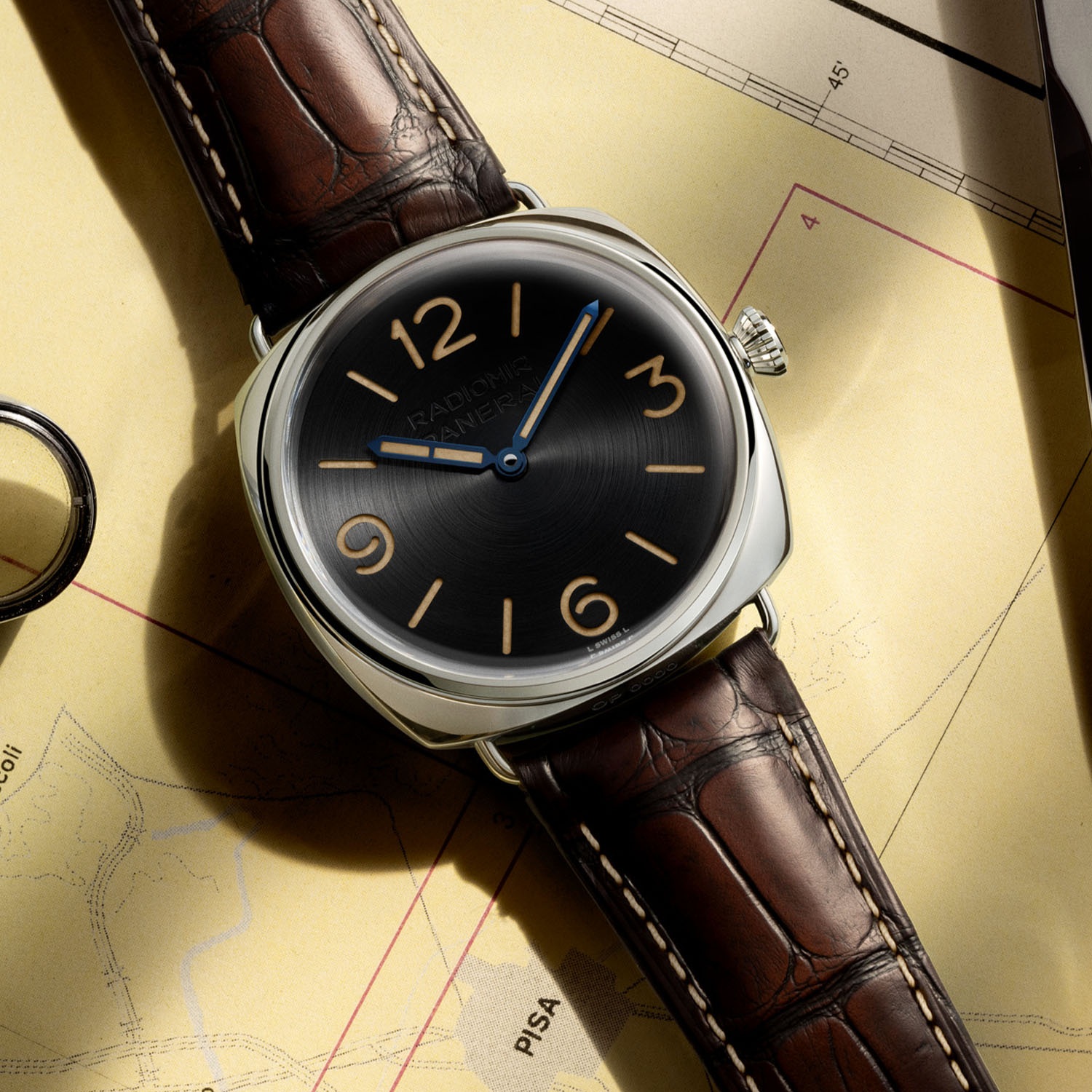
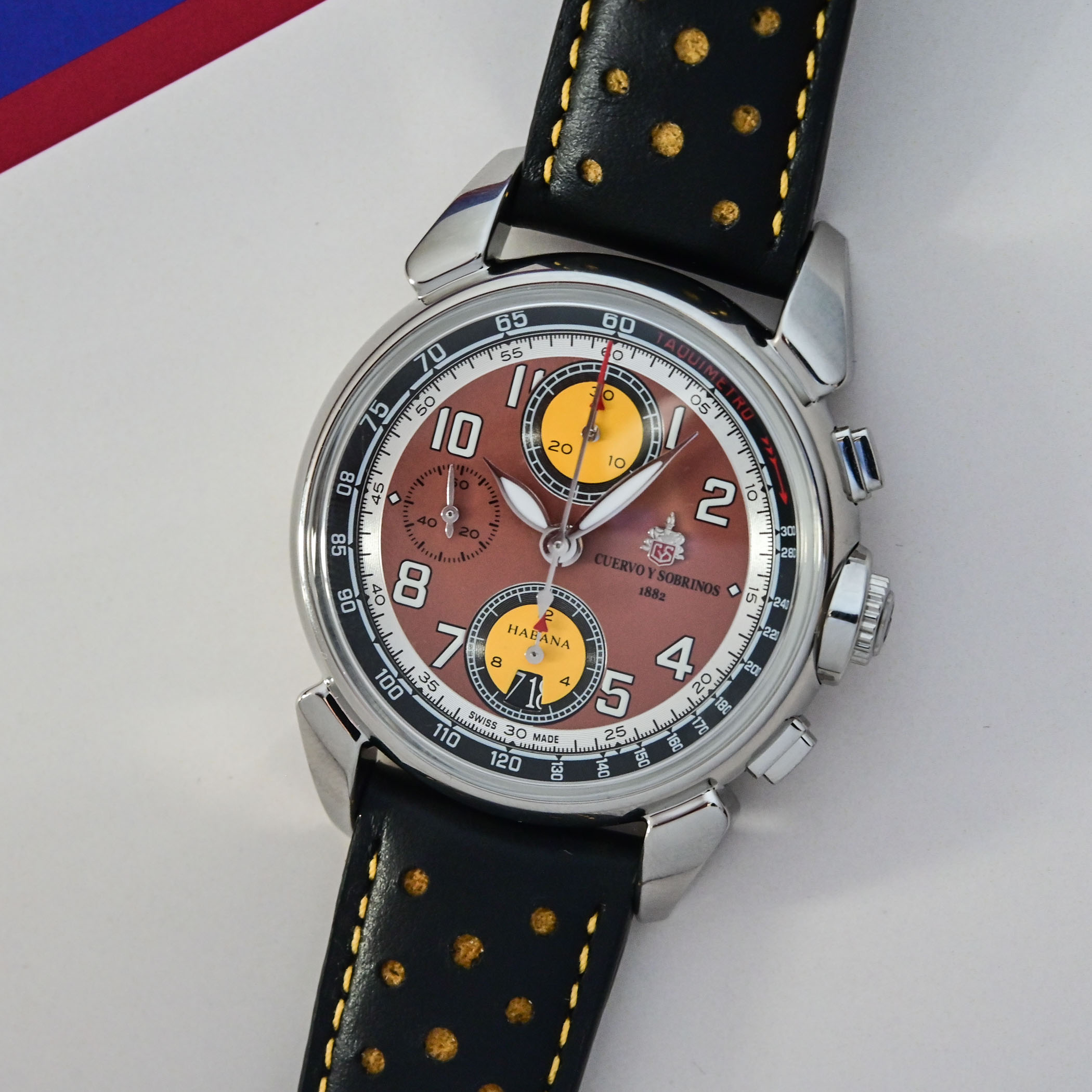
Lug design is not merely aesthetic; it is the primary determinant of how a watch wears. The "lug-to-lug" measurement is arguably more critical than the case diameter when assessing fit. A 45mm Panerai Radiomir, for example, wears more comfortably than a 45mm watch with extended, straight lugs because the wire-lug design keeps the lug-to-lug length compact.
Conclusion: The Wheels of the Watch World
Just as the wheels of a car define its stance and performance, the lugs of a watch define its comfort, character, and versatility. From the improvised, soldered wire loops of the trench warfare era to the futuristic, articulating titanium structures of modern haute horlogerie, the lug has traveled a long distance.
As we look toward the future, the lug remains a critical point of focus for designers. Whether it is the move toward proprietary quick-release systems or the revival of vintage, artisanal shapes like the Cornes de Vache, the lug continues to prove that even in the world of high-precision timekeeping, the smallest details are often the most defining. A watch is a complete system, and the bridge to the wrist is where that system meets the world.